
Best Arch Support Golf Shoes: A Practical Guide for 2026
Disclosure: We may earn a commission when you buy through links on this page, at no extra cost to you. As an Amazon Associate I earn from qualifying purchases. Learn more

Walk 18 holes without sore feet. Learn how arch support, stability, waterproofing, and fit work in golf shoes for comfort on the course all day.
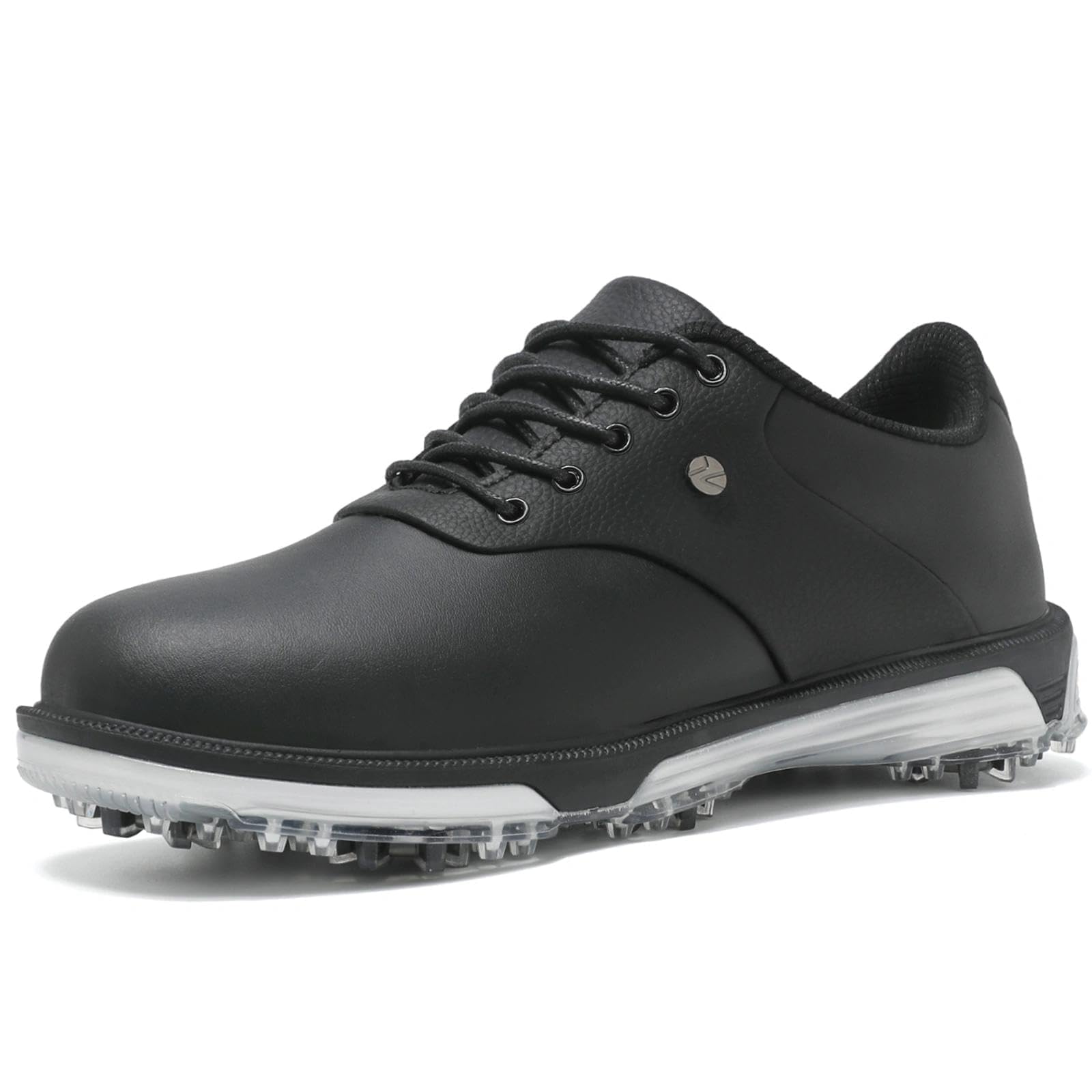
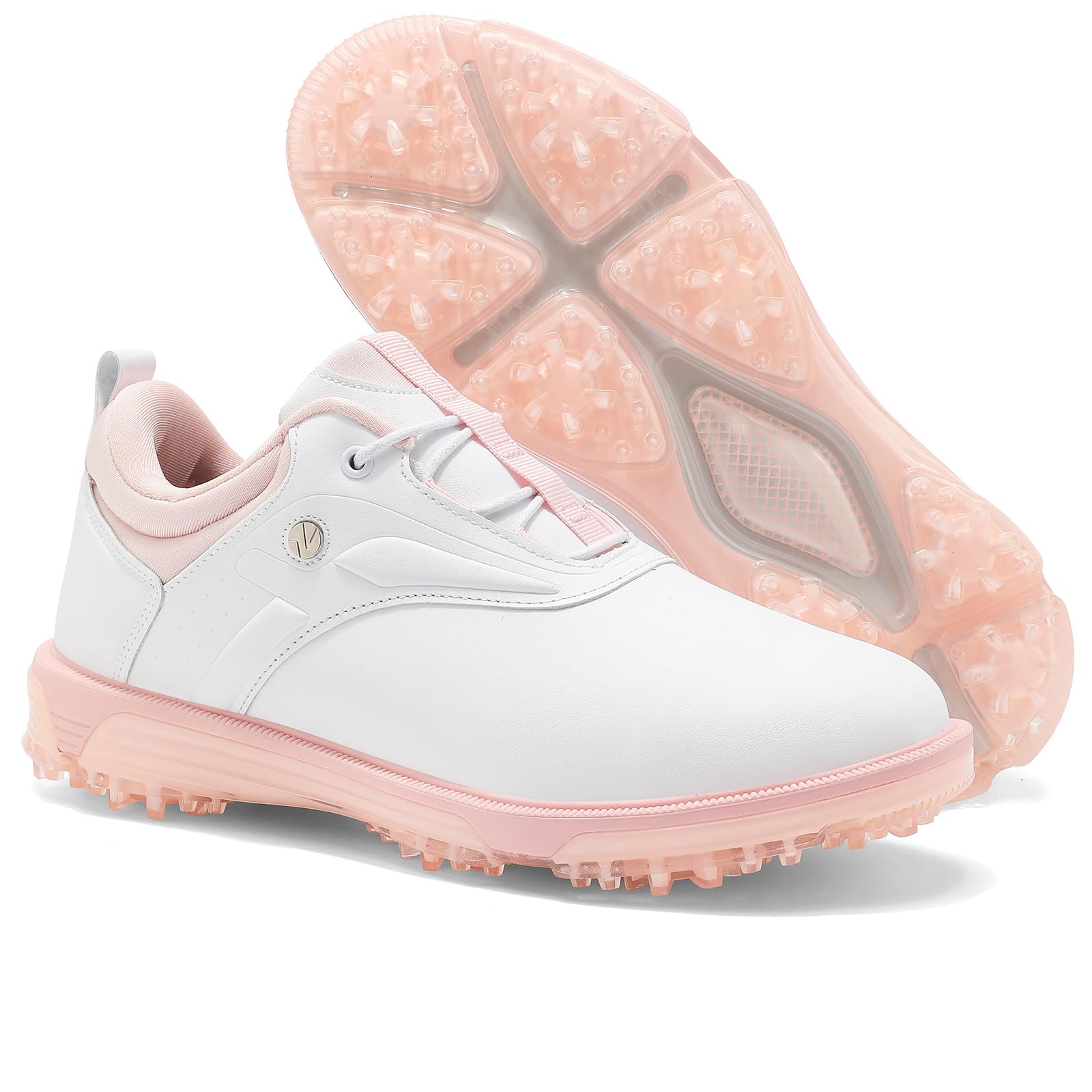
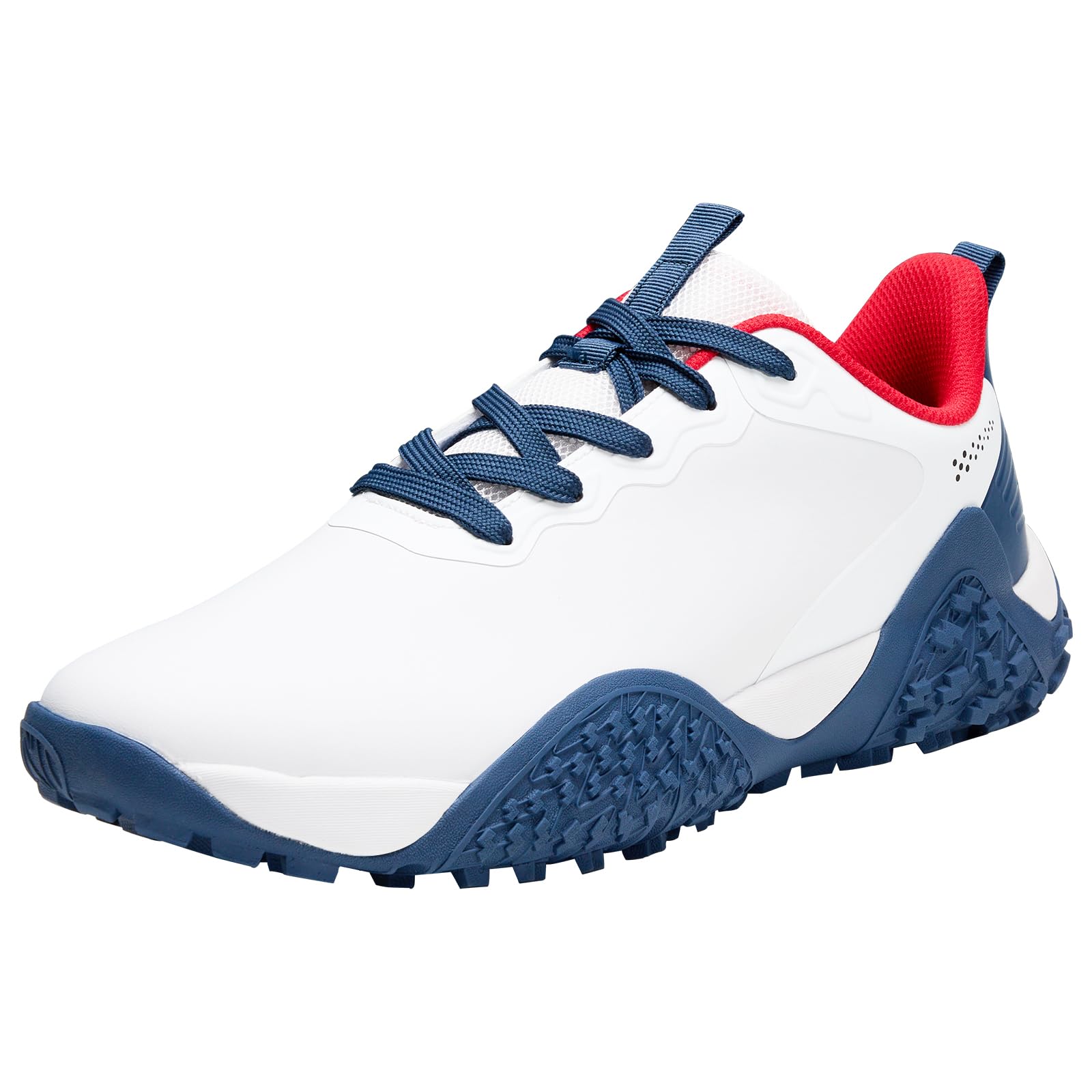
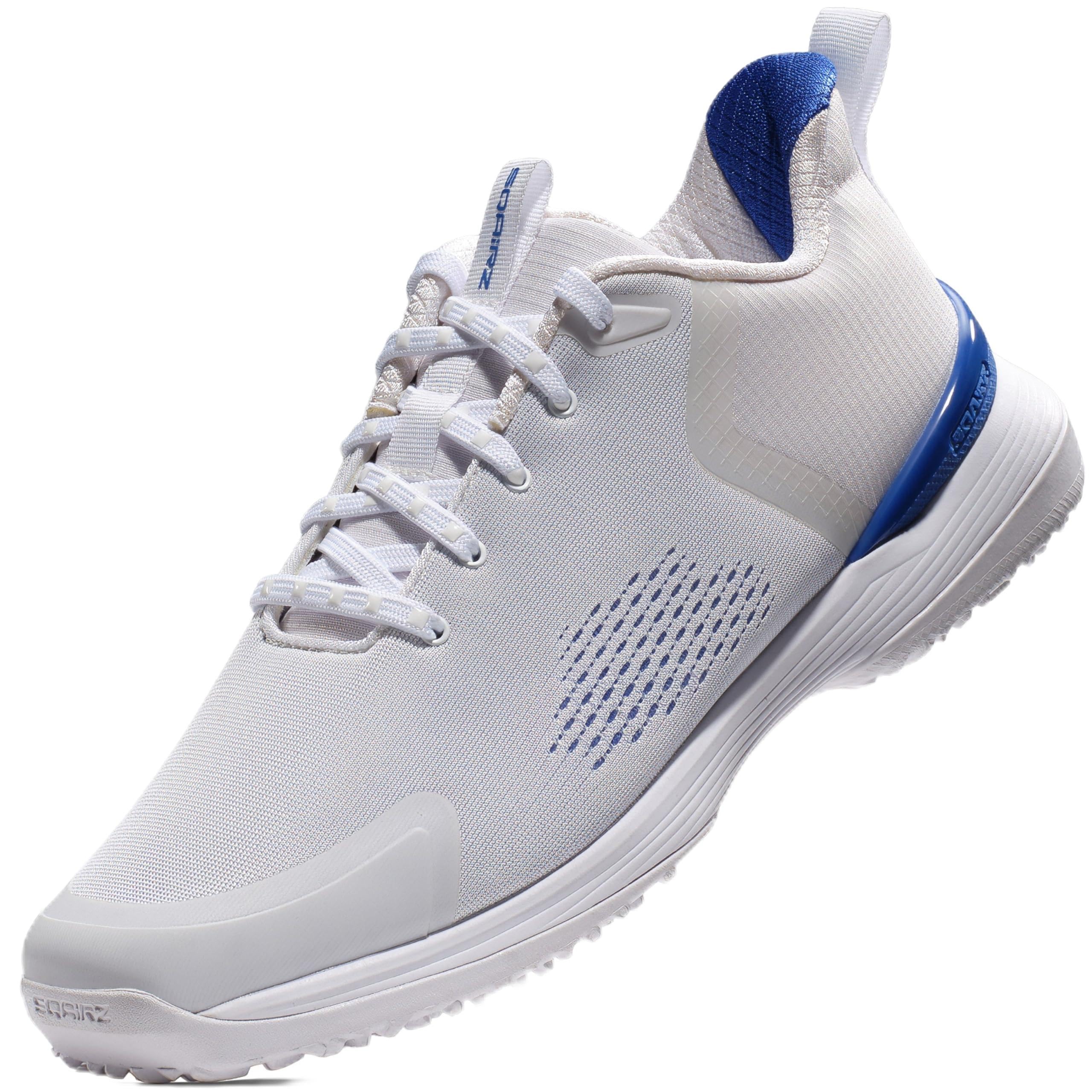
Golf asks your feet to walk several miles, stand, and swing repeatedly, so arch support matters more than in many sports. This guide to the best arch support golf shoes explains how support, stability, and waterproofing work together. The comparison table below gives a quick side by side view of leading styles. The right shoe keeps your feet comfortable on the final holes, not just the first tee.
Start with your arch type and any foot issues. Flat feet, high arches, and plantar discomfort each need different support shapes. A shoe that suits a playing partner may not suit you, so fit and support should be judged on your own feet and gait.


Who Should Prioritise Arch Support
Golfers with flat feet, high arches, or a history of foot fatigue should prioritise arch support. So should anyone who walks the course rather than riding, since walking multiplies the load on feet. Supportive shoes reduce fatigue and help maintain a stable stance through the swing.
Golfers with persistent foot pain should treat shoes as one part of care, not a cure. Supportive shoes help, but ongoing pain deserves attention from a clinician or podiatrist. Shoes can support comfort, yet they cannot diagnose or treat an underlying condition. Women can also read our guide to the best women's golf shoes with arch support.
How Arch Support Works in Golf Shoes
Arch support comes from the footbed shape, midsole design, and shank stability. A contoured footbed cradles the arch, while a stable midsole prevents excessive rolling. Removable footbeds are valuable, since they let you use custom orthotics if you already have them.
Support should feel firm yet comfortable, not hard or intrusive. If the arch feels like a lump under your foot, the shape does not match your arch. Try shoes later in the day, when feet are slightly larger, and walk on a firm surface to judge real comfort.
Stability, Traction, and the Swing
Stability matters because the golf swing loads the feet unevenly. A stable base helps you stay balanced through the swing without feeling rigid. Look for a wide platform, secure heel, and lateral support that prevents the foot sliding inside the shoe.
Traction differs between spiked and spikeless designs. Spikes grip well on wet grass and slopes, while spikeless shoes are more comfortable for walking and clubhouse use. Choose based on your course conditions and whether you walk or ride.
Waterproofing and Weather Handling
Morning dew and rain are part of golf, so waterproofing matters for comfort and foot health. A waterproof membrane keeps feet dry, but it also reduces breathability on hot days. If you play mainly in dry weather, a water resistant shoe may be more comfortable.
Check waterproof guarantees and care needs, since coatings wear with use. Clean shoes after wet rounds and let them dry naturally, away from direct heat. Proper drying protects both waterproofing and the shoe structure.
Fit, Break In, and Sock Choice
Golf shoes should fit snugly in the midfoot with room for toes to move, and the heel should not slip during the swing. Break in new shoes with short walks before a full round, since blisters on the course ruin an otherwise good day. Wear the socks you will golf in when trying shoes.
Sock thickness changes fit, so test with your normal golf socks. Moisture wicking socks reduce blisters and keep feet drier. If you use orthotics, bring them when trying shoes, since they change internal volume and fit.
A Closer Look Before You Order
Before buying, walk a full practice round or a long walk in new golf shoes before trusting them in competition, since course walking reveals fit issues that short shop trials hide. Pay attention to heel slip on slopes, toe pressure on downhill holes, and any hotspots that develop after several miles. Early detection lets you adjust socks, lacing, or insoles before a round that matters.
Consider carrying a spare pair of socks and blister care in your golf bag, since even well fitted shoes can cause issues on a hot or wet day. Changing into dry socks midway through a round refreshes feet and reduces blister risk. This small habit helps many golfers finish strong on the final holes, when tired feet are most vulnerable.
Think about seasonal conditions at your course, since summer heat, winter mud, and morning dew each demand different shoe qualities. A breathable shoe suits summer, while a fully waterproof shoe suits wet seasons. Golfers who play year round often benefit from two pairs suited to different conditions, rather than one compromise pair.
Plan shoe care around your playing frequency, cleaning after muddy rounds and drying naturally away from radiators. Leather and synthetic uppers need different care, so check the manufacturer guidance for your shoes. Regular care keeps waterproofing working and prevents premature breakdown of the upper and sole bond.
Finally, review your shoe choice each season, since feet change with age, weight, and activity, and a shoe that suited you two years ago may no longer match your needs. A fresh fitting each season, especially if you have developed foot discomfort, ensures your golf shoes keep supporting your game rather than holding it back.
More Checks Worth Making
Check shoe weight, since heavy golf shoes tire feet over a walking round even with good arch support. Lightweight supportive shoes reduce fatigue on the final holes, when tired feet affect stance and swing. Weighing support against weight helps you find a shoe that stays comfortable for the full round.
Consider insoles as part of the shoe system, since a stock footbed may not match your arch even in a supportive shoe. Aftermarket insoles or custom orthotics can transform a good shoe into a great one for your feet. Budgeting for insoles as part of the purchase gives a more honest total cost.
Think about break in time realistically, since even well fitted golf shoes need a few rounds to soften and mould to your feet. Planning break in during casual rounds rather than important competitions avoids blisters at the worst moment. Patience during break in pays off in long term comfort.
Plan for wet weather grip, since arch support means little if you slip on wet slopes. Checking outsole design for wet grass traction, and considering spike options for your course conditions, keeps you stable when conditions turn. Grip and support together make a shoe trustworthy in all weather.
Consider rotation if you play frequently, since alternating two pairs lets each pair dry fully and recover between rounds. Rotation extends shoe life and reduces odour, while giving feet varied support. Golfers who play several times a week benefit most from a second pair.
Frequently Asked Questions
Do arch support golf shoes help with foot fatigue?
For many golfers, yes, because contoured support and stable midsoles reduce strain over a long walk. The benefit depends on matching support shape to your arch type. If fatigue persists despite supportive shoes, talk with a clinician, since other factors may be involved.
Can I use my own orthotics in golf shoes?
Yes, if the shoe has a removable footbed and enough internal volume. Bring your orthotics when trying shoes and test them on a firm surface. A shoe that fits well without orthotics may feel tight with them, so fit should be judged with the orthotic in place.
Are spiked or spikeless shoes better for arch support?
Support depends on the shoe design, not the outsole type. Spiked shoes offer stronger grip on wet ground, while spikeless shoes are more comfortable for walking and off course wear. Choose traction for your course conditions and support for your feet, since the two choices are independent.
How waterproof should golf shoes be?
If you play in morning dew or rain, full waterproofing is worth it for dry, comfortable feet. For mainly dry conditions, water resistance may be enough and more breathable. Check the waterproof guarantee and care instructions, since coatings need maintenance to keep working.
How do I break in new golf shoes?
Wear them for short walks and practice sessions before a full round, and use your normal golf socks. This reveals pressure points while you can still adjust lacing or socks. Do not start a tournament or a long walking round in brand new shoes.
Final Thoughts
The best arch support golf shoe for you matches your arch shape, keeps you stable through the swing, and stays comfortable for a full walking round. Use the product table above to compare styles, then judge fit on your own feet.
Prioritise support and comfort over appearance, and break shoes in before a big round. With the right pair, your feet can carry you comfortably to the final green. In short, choosing the right best arch support golf shoes comes down to matching the guidance above to your own needs and routine.


