
Best Arch Support for Planters Fasciitis: A Buying Guide for 2026
Disclosure: We may earn a commission when you buy through links on this page, at no extra cost to you. As an Amazon Associate I earn from qualifying purchases. Learn more

A practical buying guide to the best arch support for planters fasciitis, covering arch height, heel cups, firmness, fit, prices, and care tips.
That sharp heel pain with your first steps in the morning has a name, and for many people the right support under the arch is a big part of feeling better. Finding the best arch support for planters fasciitis is less about one magic product and more about matching arch height, firmness, and fit to your feet and your shoes.
This guide explains what plantar fasciitis actually needs from a support, what each price tier delivers, and how to avoid the soft, flat inserts that feel nice for a day and help not at all. Compare shapes and prices in the comparison table below as you read.
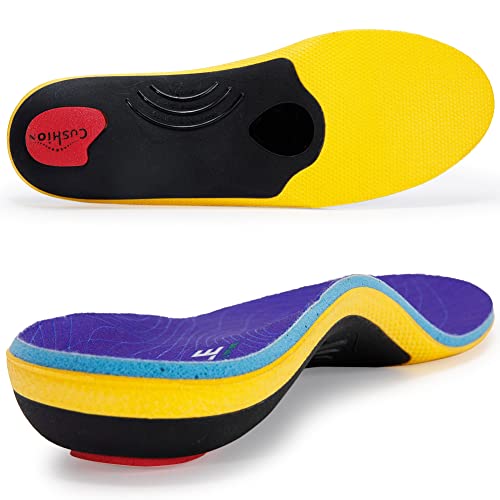
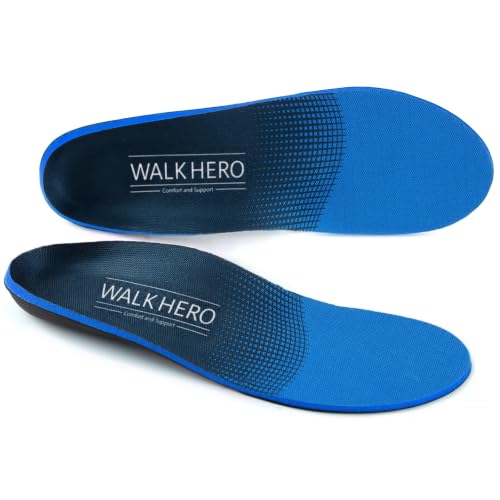
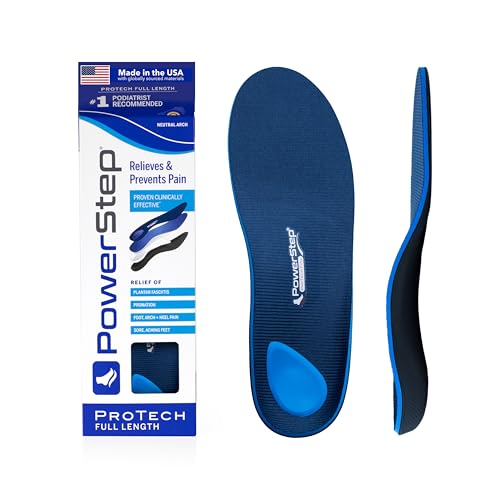
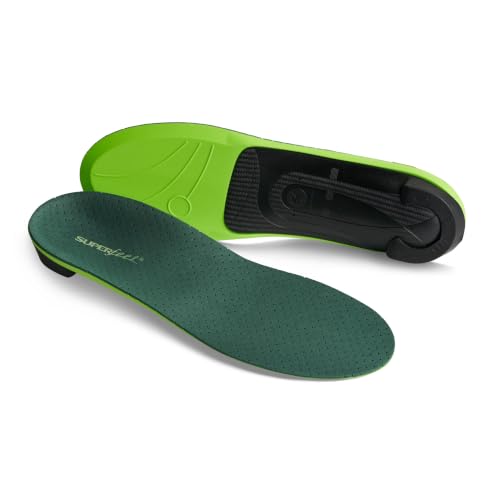
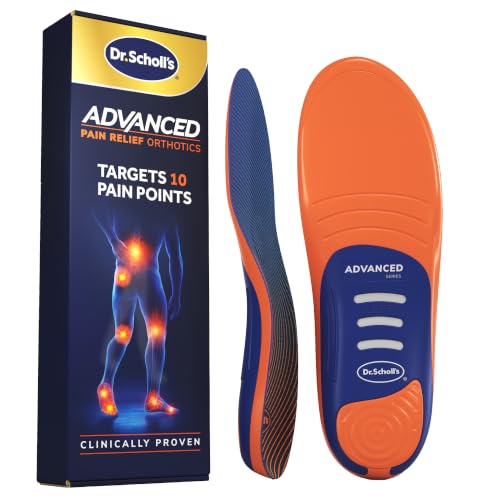
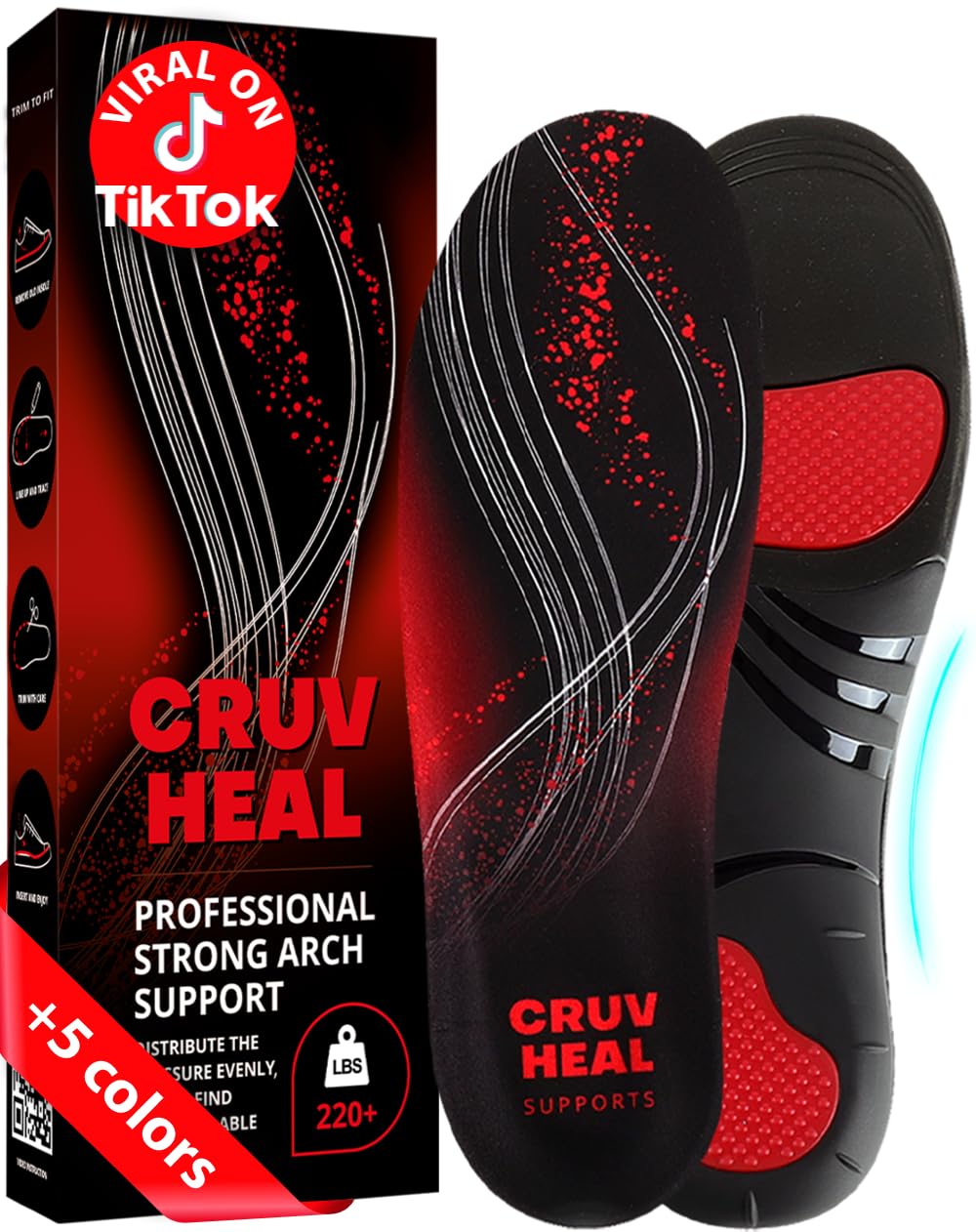
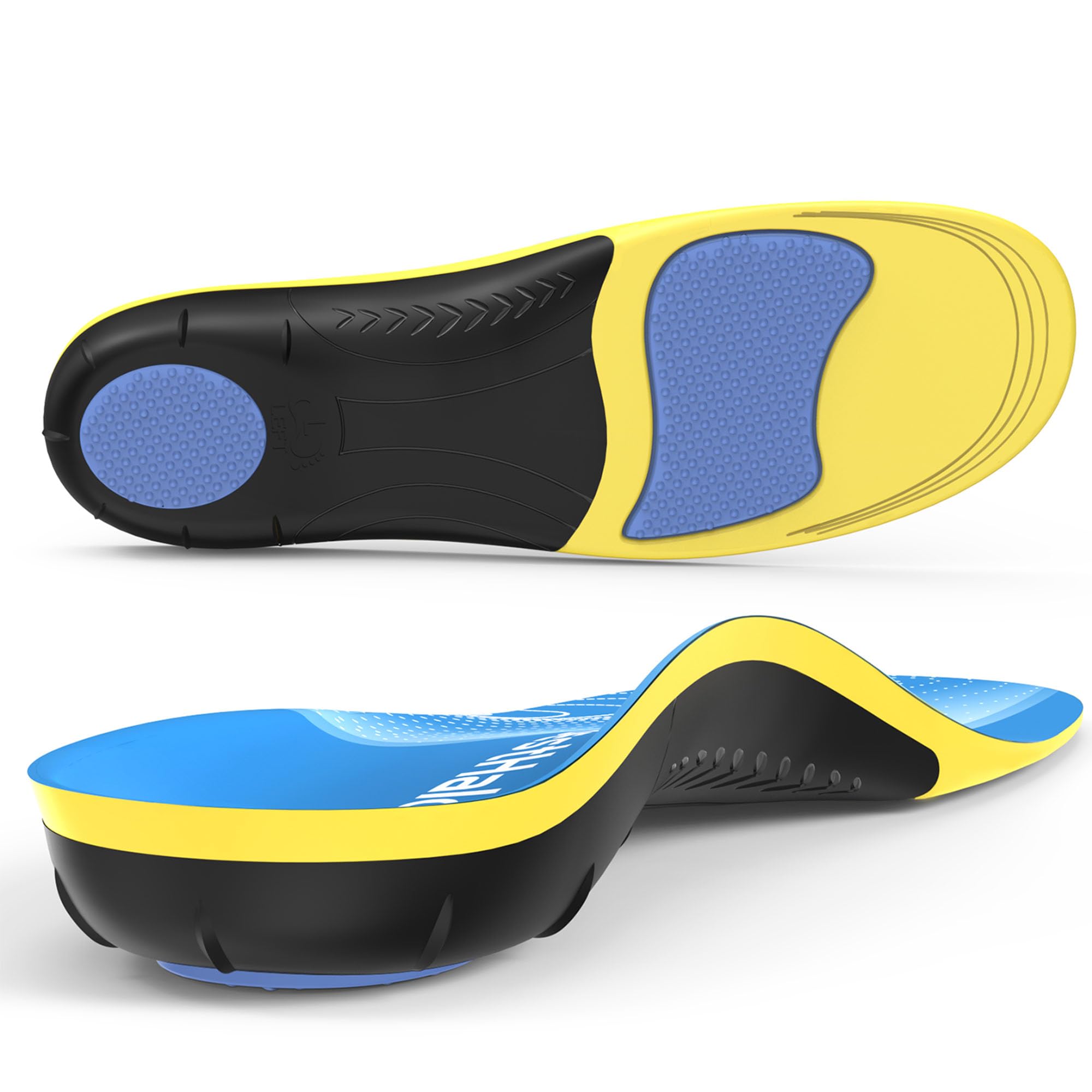


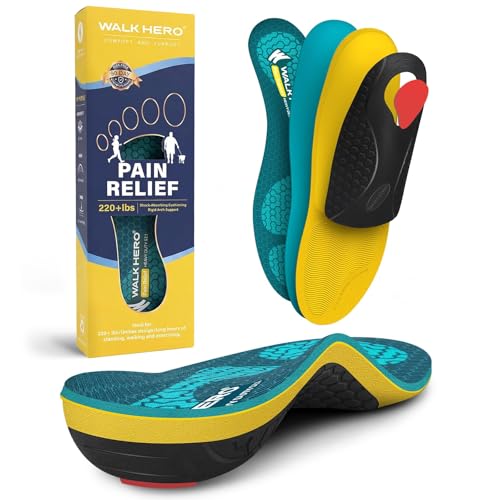
Price Tiers at a Glance
Budget Tier
Budget supports, usually under $25, are simple foam or gel insoles and basic heel cups. They add cushioning and a mild arch lift, which can be enough for short days and mild morning soreness. The weakness is durability: soft foam compresses within a few months and the arch flattens with it. Treat this tier as a low cost way to learn whether arch support helps you before you spend more.
Mid Range Tier
Mid range supports, about $25 to $60, use firmer molded shells, a defined arch contour, and a deep heel cup that holds the heel fat pad in place. This is where most people with plantar fasciitis find real relief, because the support actually resists your body weight instead of folding under it. Expect six to twelve months of daily use before the materials tire, which makes the cost per month reasonable.
Premium Tier
Premium supports, about $60 to $150 for heat moldable or semi custom options, add better materials, multiple firmness choices, and sometimes a fitting process. Fully custom orthotics from a clinician cost more again and sit outside this guide. Premium over the counter supports suit people who have already learned their arch type and want a closer match, or whose jobs keep them on concrete for ten hours a day.
How to Choose Arch Supports: Buying Guide
Features That Matter for Plantar Fasciitis
Plantar fasciitis is irritation of the band of tissue that runs from your heel to your toes, and it flares when that band is stretched and strained with every step. A useful support therefore does three things: it lifts the arch so the band is under less tension, it cups the heel so impact spreads through the fat pad, and it stays firm enough to do both jobs at the end of a long day, not just in the morning.
Intended Use and Who It Is For
Think about where your pain shows up. Nurses, teachers, warehouse staff, and retail workers need full length insoles that survive whole shifts inside work shoes. Runners need a lighter, lower profile support that fits a running shoe without crowding the toes. If your pain is mostly at home on hard floors, supportive house footwear may matter more than any insole, and our guide to the best men's slippers with arch support for plantar fasciitis covers that indoor option in detail.
Maintenance and Long Term Costs
Insoles live in a warm, damp shoe, so air them out nightly and wash them by hand with mild soap every few weeks, then air dry away from heat. Foam supports need replacing about every six months with daily wear; firmer shell designs often last a year. Owning two pairs and rotating them extends the life of both and means you are never stuck wearing a damp pair, which keeps odor and skin irritation down.
Price vs Value
Value here is relief per month of use, not the sticker price. A $15 foam insert replaced every two months costs more over a year than a $45 firm insole that lasts ten months, and it supports less the whole time. Spend up when your pain is daily and your job is standing work. Spend less when symptoms are occasional and you are still learning what your feet respond to.
Key Performance Specs
Match arch height to your foot: flat feet usually need a moderate, firm lift, while high arches need support that fills the gap without pushing painfully into it. A deep heel cup, roughly the depth of your thumb joint, stabilizes the heel strike that triggers symptoms. Firmness matters more than thickness; press the arch with your thumb, and if it collapses easily, it will collapse under your full weight too.
Warranty and Customer Support
Feet are personal, so a real trial period matters more than a long warranty on paper. Favor sellers offering at least 30 to 90 days to wear the supports and return them if pain does not improve, because you cannot judge an insole in a store aisle. Check whether the return requires the original untrimmed condition, since many insoles need trimming to fit, and keep the packaging until you are sure.
Ease of Use and Setup
Most full length insoles trim to fit: remove your shoe factory insole, trace it onto the new one, and cut along the line, a little at a time. Setup also means a break in period. Wear new firm supports for an hour or two the first day and add time daily, because an arch that has been unsupported for years will ache if you demand a full shift on day one.
Types of Arch Supports
Full Length Insoles
Full length insoles replace the liner in your shoe and support from heel to toe. They are the best starting point for work and walking shoes, and they pair naturally with the guidance in our article on the best walking shoes with arch support for plantar fasciitis, since a good shoe and a good insole share the work.
Three Quarter Length Insoles
These stop before the toes, which makes them ideal for dress shoes and snug footwear where a full insole crowds the toe box. They support the arch and heel just as firmly, and they move between shoes in seconds. The trade off is that they can slide forward in roomy shoes, so they suit fitted footwear best.
Heel Cups and Heel Seats
Heel cups cushion and cradle only the heel. They help when pain is sharply focused at the heel strike point and your shoes already have decent arches. They are cheap, small, and easy to try, but they do nothing for a collapsing arch, so treat them as a targeted fix rather than a full answer.
Arch Sleeves and Support Socks
Compression sleeves and socks with built in arch bands give gentle support for barefoot time at home, travel, and light activity. Runners sometimes use them after runs, alongside the advice in our guide to the best running shoes with arch support for plantar fasciitis. Their support is mild, so they complement insoles rather than replace them for all day standing.
Tips to Get the Most From Your Arch Support
- Break in gradually. Add an hour or two of wear per day so your feet adapt to the new arch position without fresh aches.
- Do not go barefoot on hard floors. Morning steps are the most painful; keep supportive sandals or slippers by the bed, and see our guide to the best arch support sandals for plantar fasciitis for warm weather options.
- Stretch your calves daily. Tight calves pull on the heel and load the fascia, so a simple wall stretch supports everything the insole does.
- Replace supports when the arch feels flat. Worn supports fail quietly; if morning pain creeps back, age is the first suspect.
- Track what helps. Note pain levels for two weeks per change so you judge by evidence, not by one good or bad day.
A health note: see a doctor or podiatrist promptly if you have diabetes or poor circulation, if pain follows an injury, if you notice numbness, swelling, or bruising, or if heel pain keeps worsening after a few weeks of sensible care. Supports manage load; they do not diagnose why your foot hurts.
FAQs
What features matter most in arch supports for plantar fasciitis?
A firm, correctly sized arch lift and a deep heel cup matter most. Together they reduce strain on the fascia and spread heel impact through the fat pad. One extra feature worth seeking is a slight heel lift or cushioned heel post, which shortens the pull on the fascia at the moment your heel lands.
What features matter most when buying arch supports?
Fit inside your actual shoes matters most, because the best insole fails if it lifts your heel out of the shoe or crams your toes. Check length, width, and volume together. Also confirm the support matches your arch height; a quick wet footprint test on paper shows whether your arch is low, medium, or high before you order.
How long does an arch support last?
Foam supports last about three to six months of daily wear, and firm shell designs about six to twelve months. Heat, moisture, and heavy standing work shorten every estimate. A practical test is to set the pair on a table and look from behind: if the arch visibly leans or the heel cup has warped, replacement time has arrived.
How much should I spend on an arch support?
Most people land between about $25 and $60 for a pair that genuinely helps. Spend toward the top of that range if you stand all day or have tried soft inserts without relief. Keep receipts and use trial windows, because a returnable $50 pair is a safer buy than a final sale $30 pair you have never worn.
Are expensive arch supports worth it?
Sometimes, when the extra money buys firmer materials, a better trial policy, and a shape matched to your arch type. Price alone guarantees nothing, and very costly over the counter pairs rarely outperform good mid range ones by much. If pain persists despite well fitted supports, that money is better spent on a clinical assessment than on a pricier insert.
The Bottom Line
Match firm support to your arch height, insist on a deep heel cup, break the pair in slowly, and use the trial period honestly. Look back at the product table above with those three tests in mind, talk with your clinician about your personal needs, and you will be well placed to choose the best arch support for planters fasciitis for your feet, your shoes, and your working day.


