
Best Arch Support Sandals for Plantar Fasciitis 2026: A Fit Guide
Disclosure: We may earn a commission when you buy through links on this page, at no extra cost to you. As an Amazon Associate I earn from qualifying purchases. Learn more

Learn how arch support sandals can ease plantar fasciitis discomfort: arch height, heel cushioning, fit checks, and warning signs that need a clinician visit.
Finding the best arch support sandals for plantar fasciitis is about support first and style second. Plantar fasciitis causes heel and arch pain when the thick band under the foot becomes irritated, and a sandal with real arch support and heel cushioning can reduce strain during daily walking. This guide explains what to look for, how to test fit, and when pain needs professional care.
The comparison table below lists support features, cushioning types, and closure styles side by side. Use it to narrow your shortlist, then try sandals later in the day when feet are slightly larger, as they are after walking. If pain is severe, sudden, or linked to swelling, numbness, or a recent injury, talk with a clinician or podiatrist before relying on footwear alone.
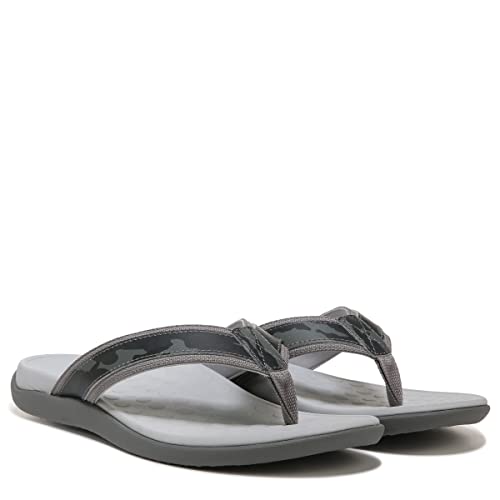
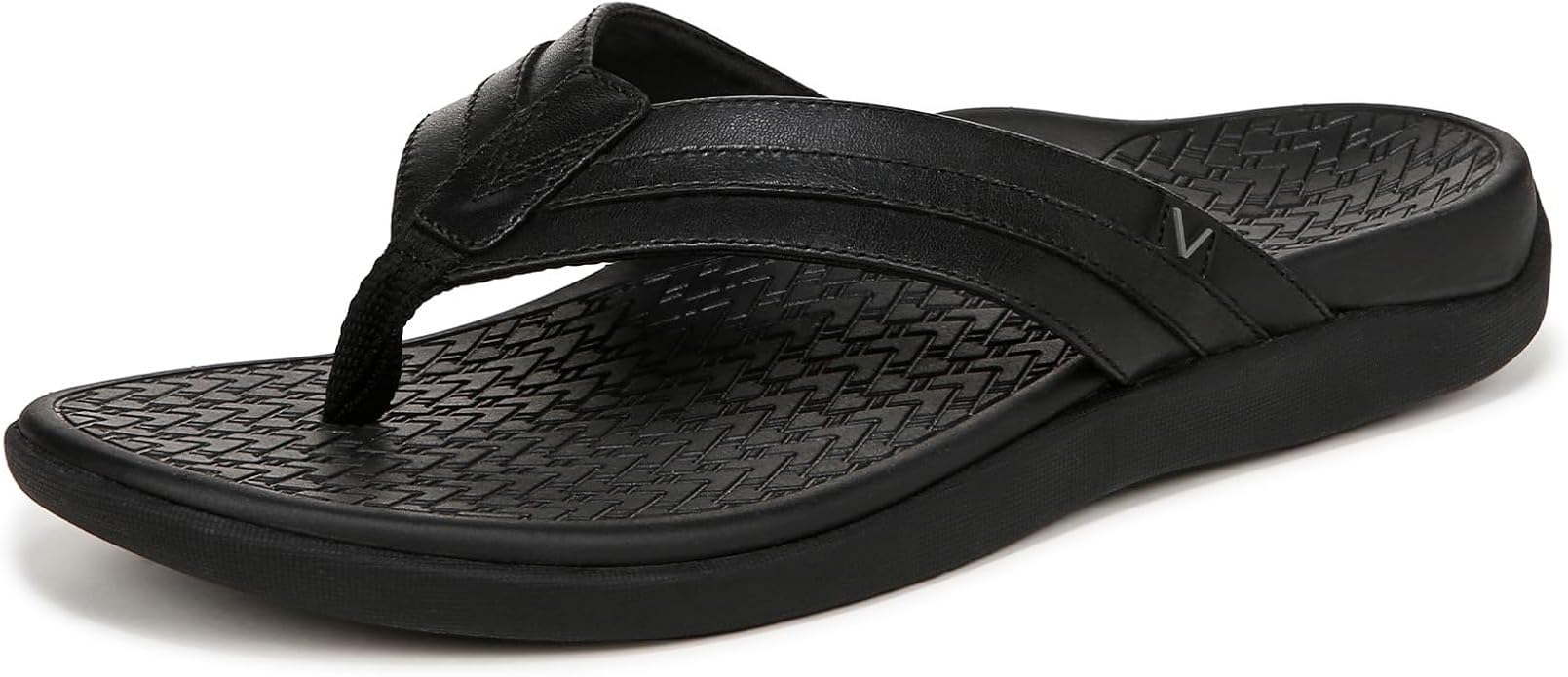


How Arch Support Helps the Plantar Fascia
The plantar fascia runs from the heel to the toes and supports the arch with every step. When it is irritated, flat sandals let the arch collapse and stretch the band further, which often worsens morning heel pain. A contoured footbed that matches your arch height spreads pressure more evenly and reduces that stretch, especially during longer walks.
Support needs vary by arch type. Low arches often need firmer contouring to prevent rolling inward, while high arches need cushioning that fills the arch gap without creating pressure points. A sandal that feels supportive in the shop but aches after twenty minutes is not the right match, so judge support by longer wear, not by first impressions alone.
Heel Cushioning and Drop
Heel cushioning absorbs impact when your foot strikes the ground, and it matters greatly for heel pain. Look for a heel cup that cradles the heel rather than letting it slide, plus cushioning that feels soft on landing yet stable when you push off. Overly soft foam can feel pleasant at first but collapse under daily use, so press the heel area firmly and check how quickly it springs back.
A small heel lift, sometimes called drop, can ease strain on the fascia for some people by reducing stretch. Very flat sandals often aggravate heel pain, while a modest lift feels kinder during the first steps of the day. Avoid high heels, which shift pressure forward and strain the forefoot, and avoid completely flat soles until your symptoms settle.
Fit Checks That Matter
Fit starts with length: your toes should not hang over the front edge, and your heel should sit fully inside the heel cup. Width matters too, since a narrow sandal squeezes the forefoot and a wide one lets the foot slide, both of which increase strain. Adjustable straps help, because feet swell during warm days and long walks, and a sandal you cannot adjust quickly becomes uncomfortable.
Test sandals on a hard floor, not only on shop carpet, and walk for several minutes including turns and stairs if possible. Notice whether the arch support sits under your arch or too far forward or back, since misplaced support feels worse than none at all. Check both feet, since most people have one foot slightly larger, and fit the larger foot first.
Materials and Durability
Footbed materials range from firm EVA foam to cork blends and moulded polyurethane. Cork blends mould gently to the foot over time and suit people who want support that adapts, while firm foam gives consistent support from day one. Leather uppers look smart and breathe well, while synthetic straps dry faster and suit wet conditions, though they may feel stiffer at first.
Outsoles should grip without feeling heavy, since slipping wastes energy and strains the foot. Look for a tread pattern that suits your surfaces, whether smooth floors, pavements, or light trails. Replace sandals when the footbed compresses unevenly, the heel tilts, or the arch contour flattens, since worn support can quietly return your pain.
Straps, Closures, and Daily Comfort
Closure style affects both fit and convenience. Buckles and hook and loop straps let you fine tune tightness through the day, which helps when feet swell. Slip on styles suit quick trips but often lack the hold needed for longer walks, since the foot works harder to keep the sandal on. For plantar fasciitis, a secure heel strap usually beats a loose slide.
Consider socks too, since some sandals suit bare feet while others pair better with thin socks for moisture control. If you wear orthotic inserts, check whether the sandal accepts them without crowding your toes. A sandal that fights your insert will not help, however good its own footbed looks on paper.
Warning Signs and Professional Care
Footwear helps many people, but it does not replace care when symptoms point beyond simple strain. Seek prompt care for sudden severe heel pain after an injury, swelling that does not settle, numbness, tingling, colour changes, or pain that keeps you from bearing weight. People with diabetes should seek care early for any foot sore, blister, or redness, since healing can be slower and complications more serious.
Also talk with a clinician or podiatrist if pain lasts beyond a few weeks despite supportive footwear, stretching, and rest. Professional care may include targeted exercises, night splints, taping, or other treatments matched to your foot. Keep notes on when pain strikes, what eases it, and which sandals help, since that record guides the clinician well. The closing advice is simple: supportive sandals are a strong first step, and professional advice protects you when pain persists.
Related Guides for Plantar Fasciitis
If you want options beyond sandals, our guide to the best arch support for plantar fasciitis covers inserts, braces and taping alongside footwear. Closed shoes suit work and sport, and the guide to the best shoes for plantar fasciitis compares cushioning and stability for those settings. Long walkers can compare dedicated designs in the best walking shoes with arch support for plantar fasciitis, and warm weather readers can look at the best sandals for plantar fasciitis.
Frequently Asked Questions
How long does plantar fasciitis take to improve?
Improvement varies, but many people notice gradual easing over weeks to months with supportive footwear, stretching, and load management. Morning pain often fades first, while pain after long standing may linger longer. If pain stays severe or worsens after several weeks of careful self care, talk with a clinician or podiatrist. Keep a simple diary of pain levels and triggers to show at appointments.
Are flat sandals bad for plantar fasciitis?
Very flat sandals usually worsen symptoms, since they let the arch collapse and stretch the irritated fascia with each step. A contoured footbed with heel cushioning spreads pressure better and reduces strain during walking. If you love flat styles, reserve them for very short trips and wear supportive sandals for longer days. Persistent heel pain despite supportive footwear deserves professional assessment.
Should I wear arch support sandals indoors too?
Many people benefit from supportive footwear indoors, since hard floors at home can strain the fascia just as pavements do. A dedicated pair of supportive house sandals keeps the arch supported from the first morning steps, which are often the most painful. Barefoot walking on hard floors may feel fine briefly but often aggravates symptoms over a full day. Choose indoor support that fits securely and stays comfortable.
Can insoles replace arch support sandals?
Insoles can add support to shoes that lack it, but they work best in footwear with enough depth and a removable footbed. Sandals with built in contouring suit warm weather and quick wear, while insoles suit closed shoes for work or sport. Some people use both across different settings, matching support to the day. A podiatrist can advise whether custom insoles suit your arch type and symptoms.
When should I see a podiatrist for heel pain?
See a podiatrist promptly for sudden severe pain, swelling, numbness, colour change, or pain after an injury, and early if you have diabetes and any foot sore. Also seek care when pain lasts beyond a few weeks despite supportive footwear and stretching, or when it keeps you from work, walking, or sleep. Early assessment can identify other causes and prevent a short term strain from becoming a long term problem.
Final Thoughts
The right sandal supports your arch where it actually sits, cushions your heel without collapsing, and stays secure through a full day of walking. Test fit on hard floors, walk longer than a quick shop lap, and judge by how your feet feel at the end of the day, not just the first minute.
Use the product table above to compare support and cushioning, then confirm fit in person when you can. If pain persists, worsens, or shows any warning sign in this guide, talk with your clinician or podiatrist. Good footwear plus timely professional care gives your feet the best chance to recover.
Use this guide when you compare the best arch support sandals for plantar fasciitis choices above, and let fit, features, and honest needs guide the final call.


