Best Aquaponics Pumps for 2026: Types Compared and How to Choose
Disclosure: We may earn a commission when you buy through links on this page, at no extra cost to you. As an Amazon Associate I earn from qualifying purchases. Learn more

Confused by all the options? We compare every type of aquaponics pump side by side so you can choose the best aquaponics pumps for your space and budget.
An aquaponics system lives or dies by its pump. Too weak, and water stalls, roots suffocate, and fish waste builds up. Too strong, and you waste power, shake plumbing, and stress your fish. Yet pump listings throw flow rates, head heights, and watt numbers at you with little context. This guide compares the best aquaponics pumps by type and tier, explains the specs in plain terms, and helps you size a pump to your tank and grow bed. Start with the comparison table below, then work through the types.



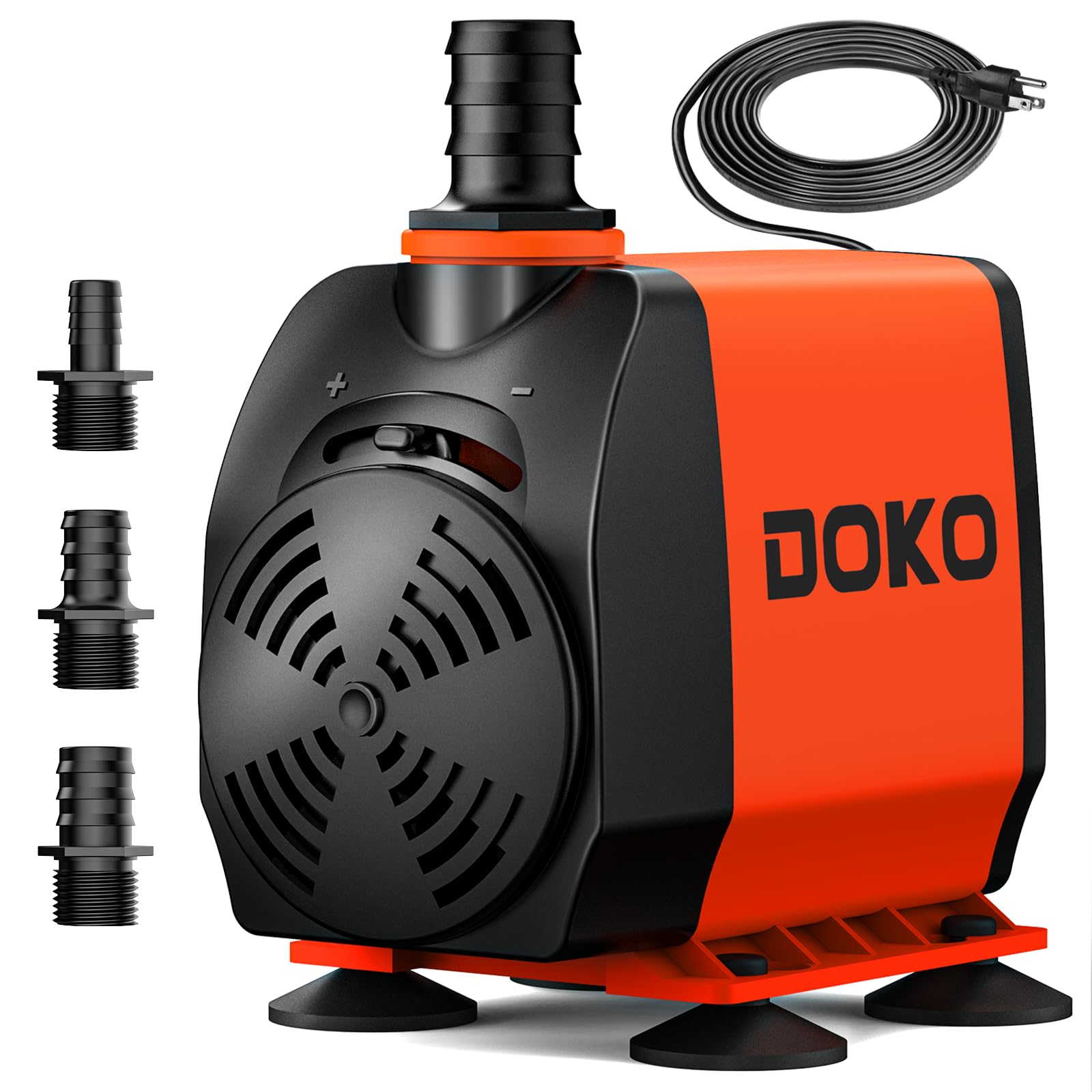


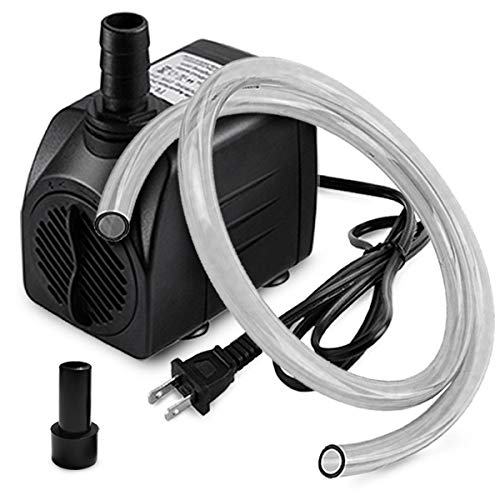
Types of Aquaponics Pumps Compared
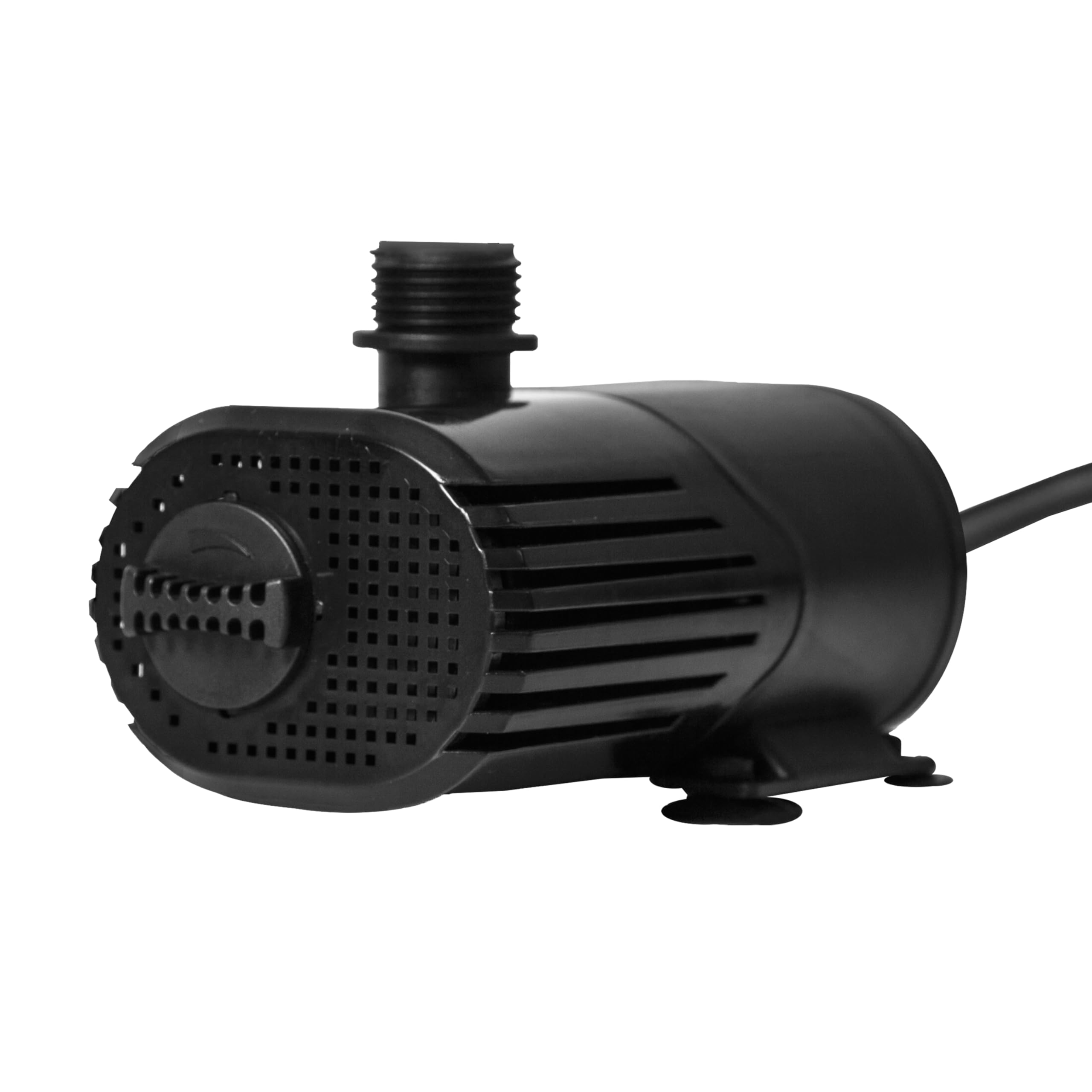
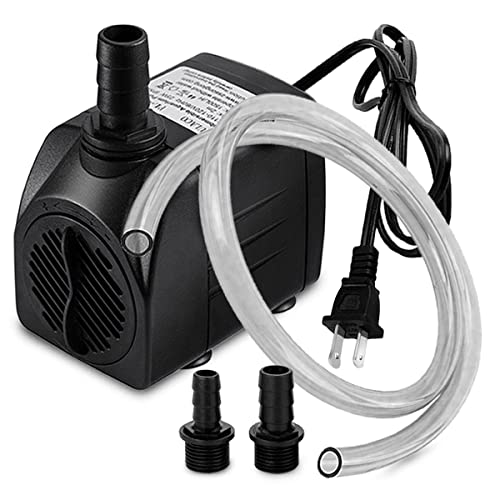
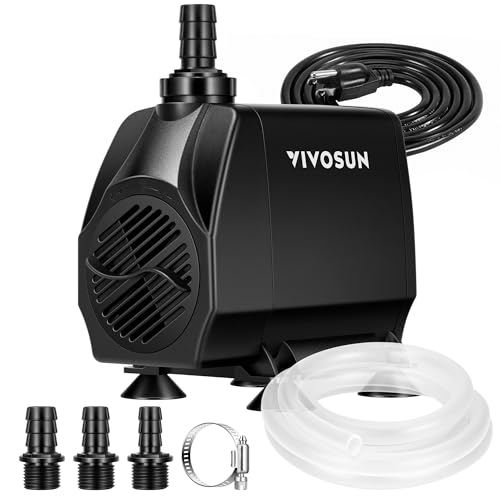
Most aquaponics pumps are submersible water pumps that sit in the fish tank or sump and push water up to the grow bed. Within that family, tiers differ in flow strength, build quality, noise, and price. Premium pumps move large volumes efficiently and run for years, compact pumps suit small indoor systems, mid range pumps cover most home setups, and budget pumps serve starters and backups. Use the product table above for current models, then match the tier to your system size below.
Premium Options
Premium pumps use efficient motors, ceramic shafts, and sturdy housings built for continuous duty. They deliver strong flow at real head heights, run quietly, and often include adjustable flow controls and thermal protection that shuts the motor down before damage. Expect prices around $120 to $300 depending on flow capacity. They suit large tanks, tall grow beds, and growers who cannot afford downtime, since a failed pump can harm fish within hours. If your system feeds a family year round, this tier earns its cost.
Compact Options
Compact pumps are small submersible units made for countertop and small indoor systems, often moving modest volumes with very low watt draw. They fit tight sumps, sip power, and cost around $20 to $50. Their limits show quickly, since flow drops sharply as lift height grows and small intakes clog faster. Choose a compact pump for a small tank with a grow bed close above it, and clean its intake often. It is also a sensible spare to keep on a shelf.
Mid Range Options
Mid range pumps hit the sweet spot for most home systems. They offer solid flow for tanks of moderate size, decent energy use, and housings that survive years of daily running. Prices usually fall around $50 to $120. Many include foam prefilters, several hose fittings, and flow adjustment dials. They lack some premium refinement, so they may hum a little more and lose efficiency sooner, but for a typical backyard or garage setup they deliver the best balance of cost, power, and lifespan.
Budget Options
Budget pumps cost around $15 to $40 and make starting a first system affordable. They move enough water for small tanks and simple flood and drain beds, and their low price makes keeping a backup painless. The compromises are real: thinner housings, louder motors, optimistic flow ratings, and shorter working lives. Treat a budget pump as a learning tool or a spare, and watch it closely. If fish depend on it, set a phone reminder to check flow daily until you trust it.
Premium Options vs Compact Options: Which Should You Choose?
On flow at height, premium pumps win clearly, holding their rated output against gravity while compact pumps fade. On power use per gallon moved, premium motors are usually more efficient, though compact pumps draw less in total because they move less water. On noise, premium units tend to run smoother, while compact units can buzz in small sumps. On price, compact pumps cost a fraction as much and are cheap to replace. On lifespan, premium pumps often run for many years, while compact pumps may need replacing sooner. Choose premium for large or mission critical systems, and compact for small indoor setups where the lift is short and a spare sits nearby.
How to Choose the Right Aquaponics Pump
Intended Use and Who It's For
Start with your system, not the pump catalog. Measure your tank volume, because a common rule is to circulate the full tank volume at least once per hour. Then measure the vertical distance from the water surface to the grow bed inlet, since that lift, called head height, cuts real flow well below the box rating. Beginners with small tanks can start compact or budget, while growers with large tanks or tall beds should shop mid range or premium from day one.
Build Quality and Materials
Continuous running in warm, nutrient rich water is hard on equipment. Look for sealed motors, corrosion resistant shafts, and housings that feel dense rather than hollow. A quality prefilter keeps solids out of the impeller, and a long, intact cord matters because the pump lives in water near mains power. Always plug the pump into a protected outlet, keep cords dry at the plug end, and never lift a running pump by its cord. Shoppers who care most about durability can also browse our guide to the best quality pumps for general build standards.
Ease of Use and Setup
A good pump should install in minutes. Choose one with fittings that match your tubing size, suction cups or a stable base so it stays put, and a flow dial you can reach without draining the tank. Place it where you can lift it out for cleaning, because you will service it often. Test flow at your real head height before adding fish, and mark that water level on the tank. Simple setups get checked more often, and checked pumps fail less often.
Price vs Value
Judge value over the pump's whole life, not its shelf price. A budget pump around $25 that dies in a year and risks a tank of fish may cost more than a mid range pump around $80 that runs for four years. Power draw adds up too, since the pump runs all day, every day, so a few saved watts matter over a season. Premium options around $150 to $300 make sense when downtime threatens livestock or a commercial crop. For most home growers, mid range delivers the strongest value.
Tips to Get the Most From Your Aquaponics Pump
Read the manual before first use, especially the cleaning and priming notes for your model. Clean the intake and impeller regularly, since biofilm and roots slow flow long before a pump fails outright. Inspect the cord and housing for cracks each time you service it, and store any spare pump in a dry place so it is ready the day you need it. Keep a simple log of flow checks, and replace worn impellers early rather than waiting for a full stoppage.
Aquaponics Pumps: Your Questions Answered
How long does an aquaponics pump last?
A quality pump often lasts three to five years of continuous use, and premium models can run longer. Budget pumps may give one to two years. Lifespan depends on cleaning, water quality, and how hard the pump works against head height. A pump that runs hot or noisy is nearing trouble. Keeping a spare on hand turns a failure from an emergency into a ten minute swap.
Are expensive aquaponics pumps worth it?
They are worth it when your fish stock or crop value is high, or when your system is large. Premium pumps hold flow at height, use power efficiently, and include protection features that cheap pumps skip. For a small first system, the same money may teach you more if spent on a mid range pump plus a spare. Match spending to what a dead pump would cost you, not to pride.
How do I maintain an aquaponics pump?
Unplug the pump, lift it out, and open the intake cover. Rinse the prefilter in removed tank water, clear debris from the impeller, and check that the impeller spins freely before you close it up. Do this every few weeks, or sooner if flow drops. Never run the pump dry, and never use soap, since residue harms fish and the bacteria your system depends on.
How much should I spend on an aquaponics pump?
Most home growers spend around $50 to $120 for a mid range pump that fits a typical tank. Small indoor systems can start around $20 to $50, while large setups may need $150 to $300 of pump. Budget a little extra for tubing, fittings, and a spare if fish depend on constant flow. Spending on correct sizing beats spending on raw power you cannot use.
What features matter most when buying aquaponics pumps?
Real flow at your head height matters most, followed by energy use, noise, and cleanability. Check the flow chart on the listing, not just the headline number, because that chart shows output at height. Adjustable flow, a good prefilter, and thermal protection all add daily value. Warranty length signals how much the maker trusts the motor, so weigh it alongside price.
Our Verdict
Size the pump to your tank volume and lift height first, then buy the best build your budget allows, and keep the intake clean. Use the comparison table above to check flow charts and prices against those rules. Follow them, and the best aquaponics pumps for your system will keep water moving, roots breathing, and fish calm for years.