
Best Aqua Shoes: A Practical Buying Guide for 2026
Disclosure: We may earn a commission when you buy through links on this page, at no extra cost to you. As an Amazon Associate I earn from qualifying purchases. Learn more

Best aqua shoes for beaches, rivers and water parks: what to check for drainage, wet grip, fit and protection before you buy.
Wet rocks, hot sand and sharp shells are hard on bare feet, and ordinary sneakers turn heavy and slow to dry. The best aqua shoes drain fast, grip slick surfaces and protect your soles without feeling bulky. This guide shows how to compare them for beach days, river walks and water parks, so the product table makes sense at a glance.
Start with where you will wear them most. A pair for splashing around a pool deck needs different features than a pair for scrambling along a rocky stream. Once that is clear, the rest of the choice comes down to drainage, grip, fit and protection.


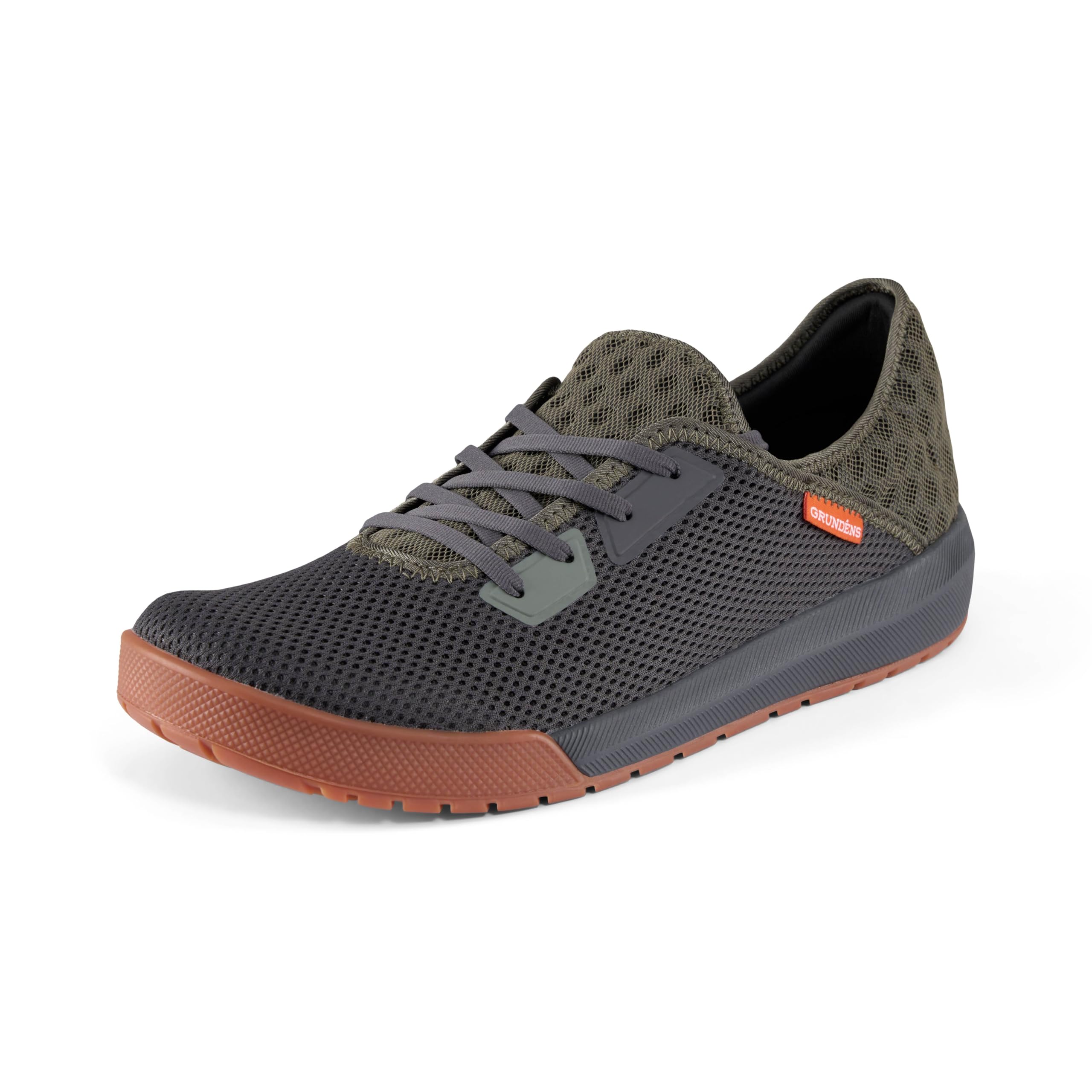

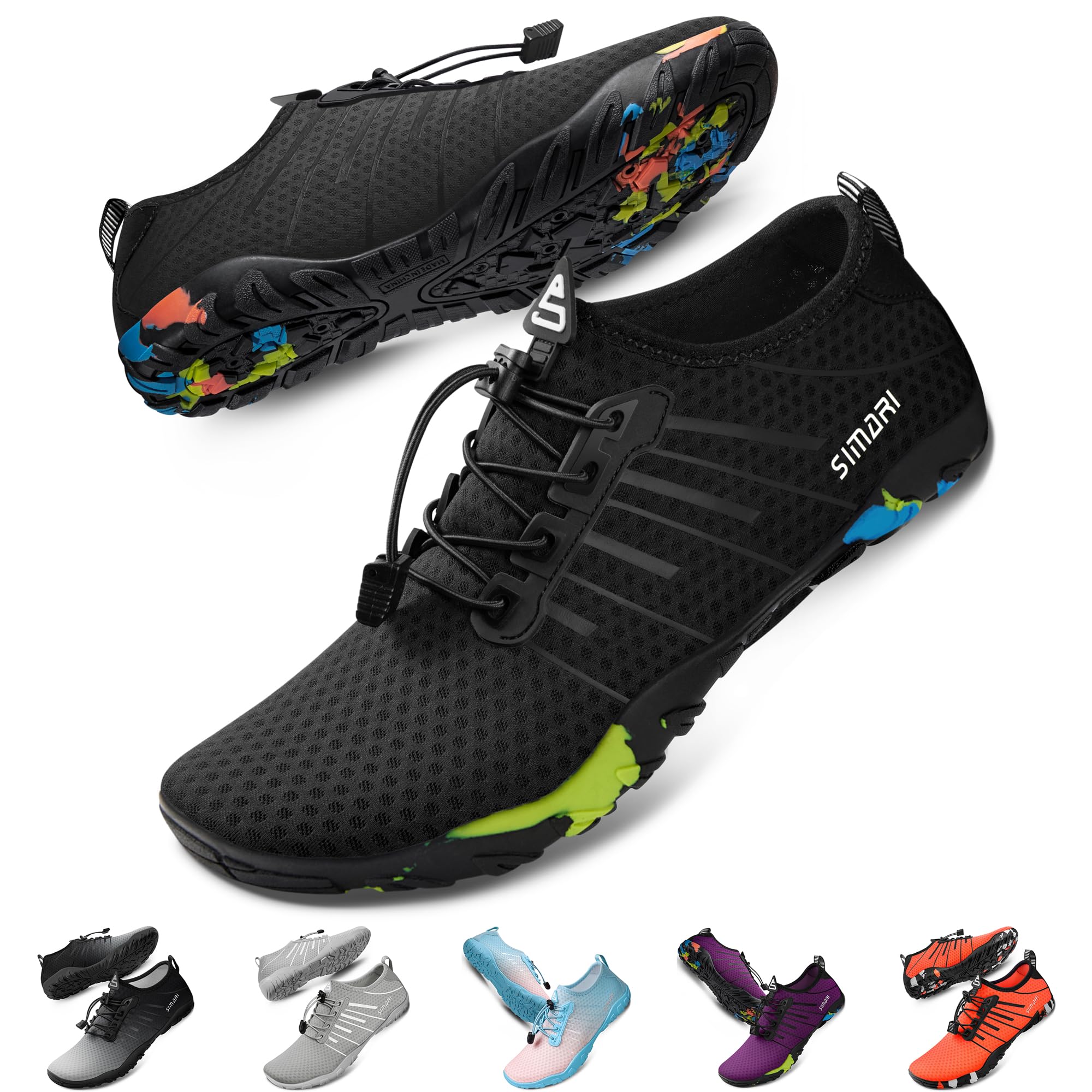


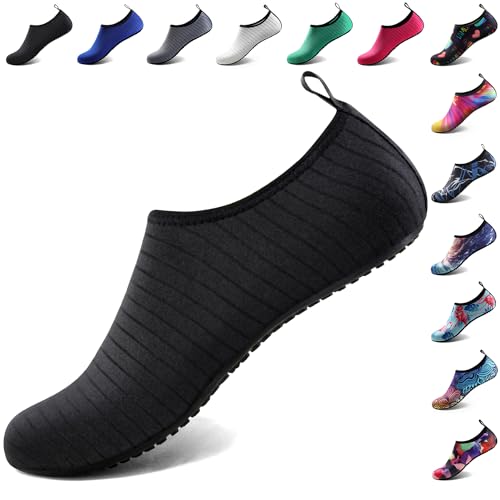


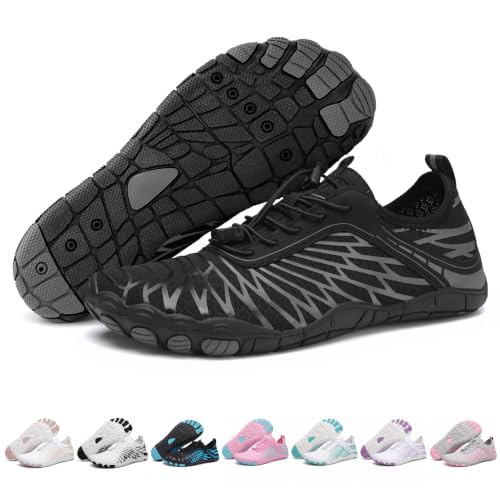
What Sets Aqua Shoes Apart From Regular Footwear
Aqua shoes are built to get wet and stay comfortable. The upper is usually a stretch mesh or knit fabric that lets water flow out, the midsole is thin and flexible, and the outsole uses rubber that grips when wet. Regular sneakers hold water, rub when soaked and can take a day or more to dry.
They also differ from flip flops and sandals. A closed or semi closed shape keeps sand, gravel and small stones out, protects toes from bumps and stays on in moving water. That makes them a safer choice for any surface you cannot see clearly under the water.
Drainage and Quick Drying
Look for open mesh panels, drain holes near the sole or a sock style knit that releases water with each step. Fabric that dries within an hour or two is more pleasant than fabric that stays clammy all afternoon. Fast drying also helps prevent odor when you pack the shoes after a trip.
Avoid heavy padding in the upper and thick foam linings. They soak up water, add weight and stay damp long after you leave the shore.
Wet Grip and Sole Design
Traction is the feature that matters most near water. Choose a rubber outsole with a patterned tread that bites into wet rock, algae and pool tile. A flat smooth sole may feel fine on dry sand but slides on a slippery ledge.
Sole thickness changes how you feel the ground. Thin soles give a barefoot feel and flexibility for swimming and kayaking. Thicker soles cushion longer walks on pebbles and hard riverbeds, and they resist sharp edges better.
Fit, Protection and Closure
A snug fit matters more in water than on land, because a loose shoe can slip off in a current. Look for a secure heel, a stretch collar or a drawcord that keeps the shoe on without squeezing. Your toes should have room to spread, and the shoe should not shift when you wade.
Toe protection is useful on rocky shores and reef edges. A reinforced toe cap or wrap around rubber guards against stubs and shells. Check the insole as well, since a smooth one is more comfortable when worn without socks.
Types of Aqua Shoes Compared
Sock Style Aqua Shoes
These are lightweight, flexible and easy to pack. They suit pool decks, sandy beaches and light wading, and they slip on without laces. Protection is modest, so they are a better fit for gentle surfaces than for sharp rocks.
Sneaker Style Water Shoes
A sneaker shape adds laces, a firmer sole and more support. They suit river hikes, kayaking and long walks on uneven ground. They weigh a little more, but they stay secure and protect better.
Sandal Hybrids
Hybrids use straps over an open design and a grippy sole. They drain instantly and stay cool in hot weather. The open toe leaves more of your foot exposed, so they are best for calm water and warm days.
Choosing the Best Aqua Shoes for Your Activity
Beach walkers need breathable mesh, a sole that sheds sand and enough cushioning for warm ground. River and creek hikers should favor a closed toe, a firm sole and laces or a strong strap. Water park visitors do best with light, quick draining pairs that grip wet tile and steps.
Paddlers and boaters want a low profile that fits inside a kayak or on a slippery deck, with tread that releases water. If your plans mix several activities, a sneaker style with a drainage design covers the widest range without much compromise.
Also think about temperature. In cold water a snug, thicker pair keeps feet comfortable for longer, while hot climates reward open mesh. Try a pair on late in the day, when feet are slightly larger, and walk around before you commit.
What to Expect to Spend
Basic sock style pairs cost about $10 to $25 and work well for casual beach and pool use. Mid range sneaker styles with better soles run about $30 to $70. Premium amphibious shoes for rivers and boats cost about $80 to $150 and add sturdier soles, better fit and longer life.
Common Mistakes to Avoid
- Choosing a loose fit that slips off in waves or a current.
- Wearing thin sock styles on sharp rocks they were not made for.
- Picking a smooth sole that has no real wet grip.
- Leaving the shoes damp in a closed bag, which causes odor.
- Buying by size alone without checking how the brand fits.
Care and Storage
Rinse the shoes in fresh water after salt water or chlorine, then let them dry in the shade. Direct sun and heat can warp rubber and weaken glue. Shake out sand before it grinds into the lining, and wash with mild soap if they start to smell.
Replace them when the tread wears smooth or the upper starts to tear. Worn soles lose the grip that makes aqua shoes safe in the first place.
Frequently Asked Questions
Can I wear aqua shoes without socks?
Yes, most are designed to be worn barefoot. A smooth insole and flat seams reduce rubbing, and a snug fit stops sliding. Rinse the shoes often so sand and salt do not irritate your skin.
Are aqua shoes good for walking long distances?
Thin sock styles are not ideal for long walks, because they offer little cushioning. A sneaker style with a thicker sole is more comfortable for hours on pebbles or trails. Match the sole to the distance.
How should aqua shoes fit?
They should feel snug but not tight, with the heel held in place and room for your toes to move. Fabric stretches a little when wet, so avoid sizes that already feel loose when dry. Try them with the thickness of sock you plan to wear, if any.
How do I stop aqua shoes from smelling?
Rinse them after every use, dry them fully in open air and never store them wet. An occasional wash with mild soap helps. Removing the insole, if it comes out, speeds up drying.
Can children wear aqua shoes?
Many brands make children sizes, which are useful on rocky beaches and pool decks. Check the fit often because children outgrow shoes quickly, and follow the maker guidance on use near water. Adults should always supervise children around water.
Final Thoughts
Pick a style that matches your water, then confirm grip, drainage and a secure fit before you think about color. Use the comparison table above to narrow the options by sole and closure.
When you choose the best aqua shoes for beach days, river walks and water parks, you get safer footing, drier feet and a pair you will actually want to wear all summer.


