
Best Apple Watches for Working Out in 2026: Gym and Training Guide
Disclosure: We may earn a commission when you buy through links on this page, at no extra cost to you. As an Amazon Associate I earn from qualifying purchases. Learn more

Choose the best apple watches for working out by workout tracking, heart rate, band security, water resistance and battery life.
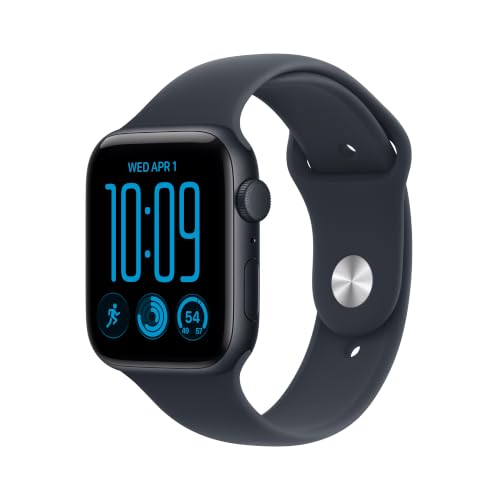
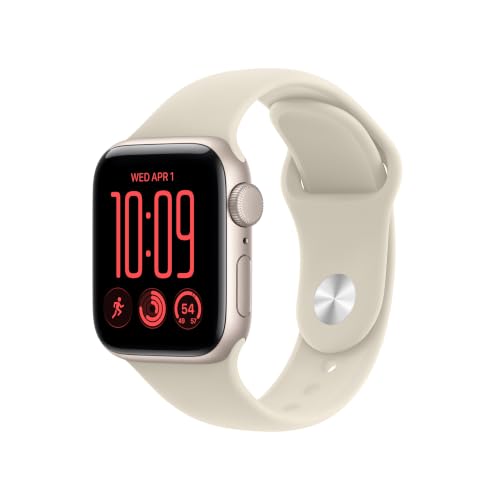
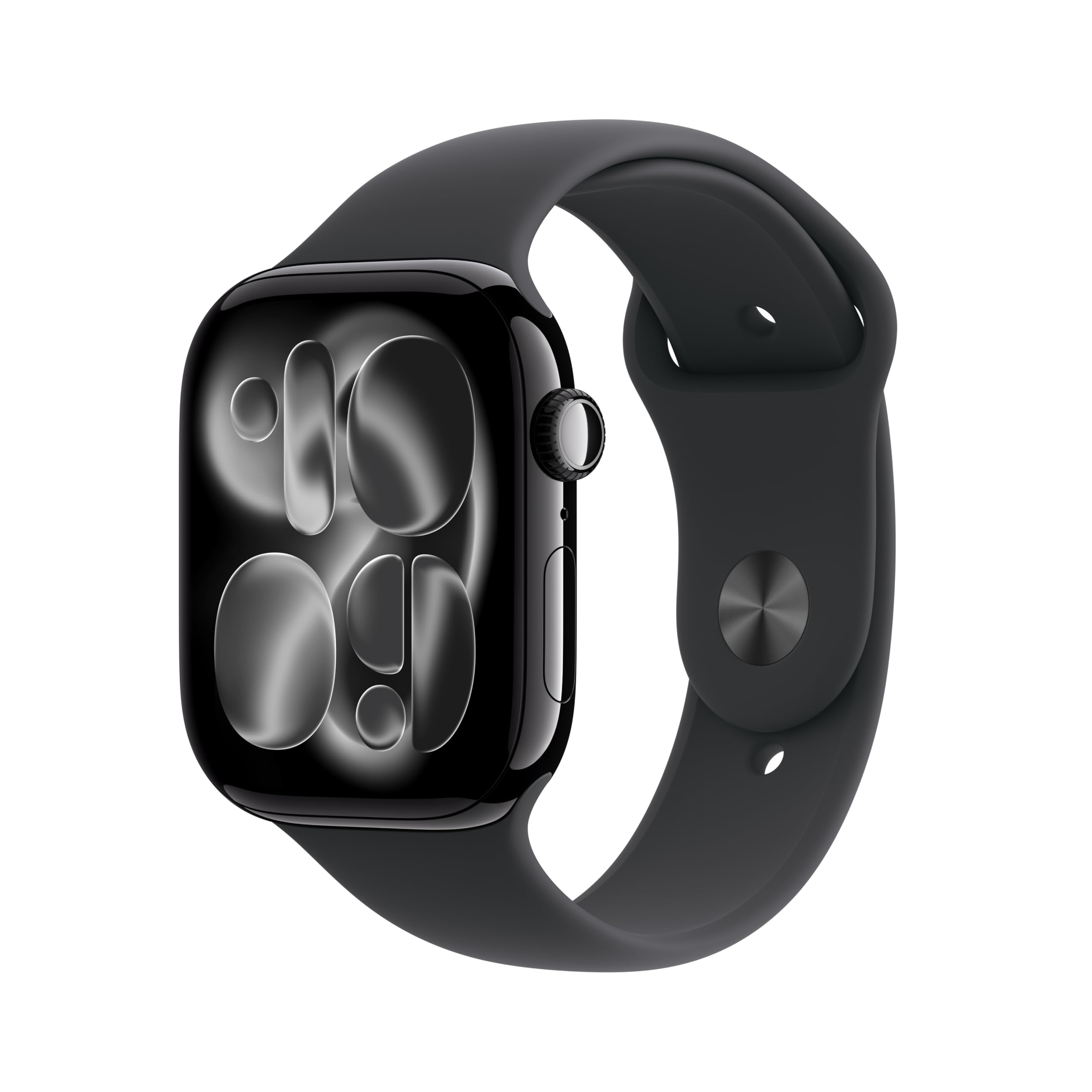
The best apple watches for working out track your sessions accurately, stay secure during lifts and intervals, and survive sweat and the occasional knock against gym equipment. Every Apple Watch handles basic workouts, so the choice comes down to display brightness, battery life, case toughness and the band you pick. This guide explains what to compare, and the product table lists current options side by side.
Think about how you train. A few gym sessions a week need less from a watch than daily training with outdoor runs, swims and long rides.
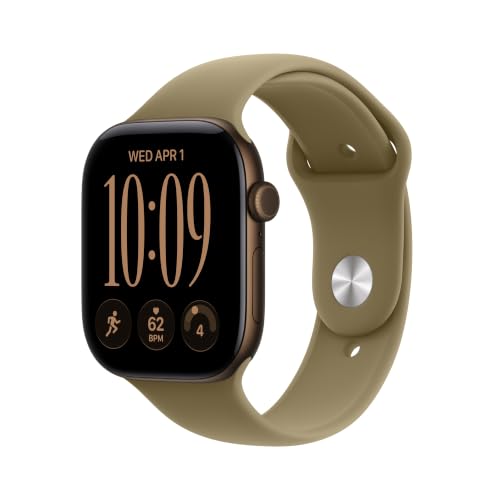
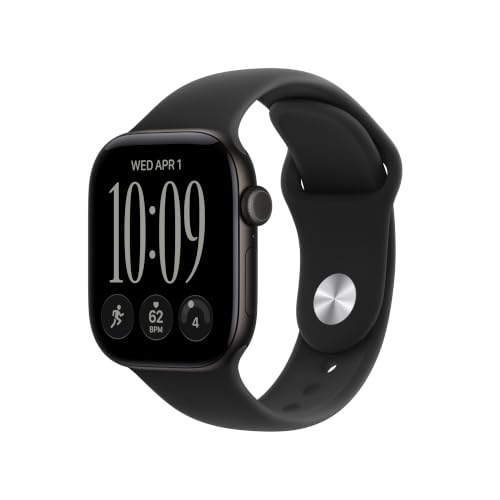
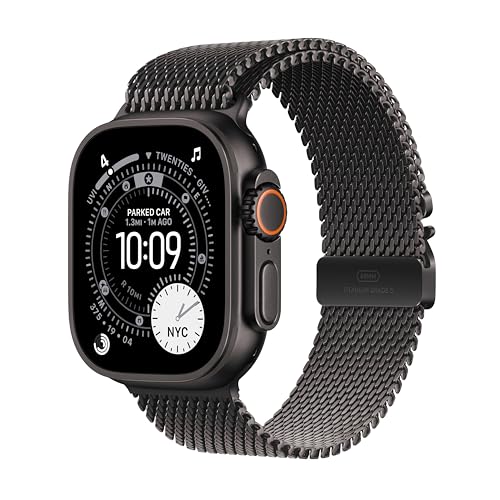
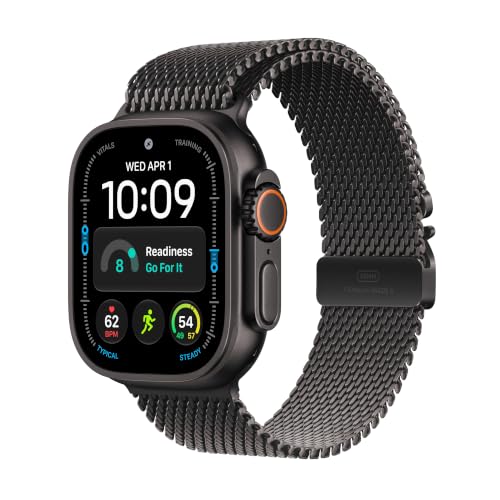

Who Should Buy an Apple Watch for Workouts
An Apple Watch suits people who want heart rate, workout history and activity rings on the wrist, with notifications and music controls so the phone can stay in a locker. It suits gym users, class goers, runners and swimmers who like data and reminders. It is less suited to people who want a watch that lasts a week on a charge, or who do not own an iPhone. For other fitness options, see best smart watches for working out and best apple watches for fitness.
Which Apple Watch Tier for Training
Entry model
The entry model tracks heart rate, GPS workouts and activity rings at the lowest price. It suits gym users and casual runners who want data without extra sensors.
Mainstream model
The mainstream model adds a brighter always on display, more health sensors and faster charging. It suits people who train several times a week and check metrics mid workout.
Rugged model
The rugged model has a larger titanium case, the brightest display, the longest battery and dual frequency GPS. It suits athletes who run long, swim in open water or train outdoors in all weather.
Key Features for Working Out
Workout tracking
Look for workout modes that match your training, such as running, cycling, swimming, rowing, strength and high intensity intervals. Custom workouts, pace alerts and interval timers help you follow a plan without looking at your phone.
Heart rate and recovery
The optical sensor shows effort in real time, and recovery and resting heart rate trends show how you respond to training. A snug band improves accuracy, and a chest strap can be paired for the most precise readings during hard intervals. Treat the data as training guidance, and talk with your doctor about any worrying reading.
Case size and wrist fit
Cases run from about 40 to 49 millimeters. A smaller case shifts less during lifts and presses, while a larger one is easier to read at a glance. Pick the size that sits flat and does not hang past your wrist bones, and a band with fine adjustment so you can tighten it for training.
Bands for training
Silicone and woven sport bands handle sweat and dry quickly. Leather bands do not suit the gym. A secure clasp matters during burpees and kettlebell work, and a spare band lets one dry while you wear the other.
Water resistance and durability
Current models resist water and sweat and suit swimming, but you should rinse the watch after salt water or chlorine and dry the band. Check the front material if you drop weights or brush racks, since sapphire resists scratches better than glass.
Battery
Most models last about a day, and long GPS sessions shorten that. Low power mode stretches the battery, and the rugged model lasts much longer. Charge after training or while you shower so the watch is ready for the next session.
Care and Maintenance
Wipe the watch and band after each workout, rinse after swimming, and keep the charging contacts clean. Check the band clasp and pins regularly so nothing loosens mid session. Update software so workout features and GPS stay accurate.
Mistakes to Avoid
A common mistake is buying the largest case, which shifts during lifts and hurts heart rate accuracy. Another is wearing the band loose, then blaming the watch for jumpy readings. A third is paying for cellular without using it, or forgetting that the watch needs a compatible iPhone.
Training data can also tempt people to push through pain. Stop and seek medical advice for chest pain, dizziness or fainting, whatever the watch shows.
A Final Check Before You Order
Confirm your iPhone supports the watch, choose the case size, and compare battery life with your longest session. Decide whether you need cellular, check water resistance for your sport and keep the return window in mind. For sizing and style notes, see best apple watches for women and best looking apple watches. For audio during training, see best headsets for working out.
Setting Up Your Apple Watch in the First Week
Pair the watch with your iPhone by holding the two close and following the steps on screen, then update the watch software before you start using it. Choose a few complications for the watch face so the information you check most is one glance away, and switch off notifications you do not need. Too many alerts turn a helpful watch into a distraction.
Set your activity goals in the Fitness app, enter your height and weight for better calorie estimates, and tighten the band one notch for workouts. Wear the watch to bed for a night or two if you want sleep tracking, and note how the battery behaves so you can plan when to charge. Add the workout types you use most to your Workout app list, and check that the heart rate zones match your training plan.
Apple Watch or Another Smart Watch
An Apple Watch offers the deepest iPhone integration, with message replies, Apple Pay, the Fitness app and fast pairing. Other brands can work with an iPhone for notifications and workouts, and some offer longer battery life, but they lose some actions that only Apple allows on its own watch. Gym focused brands may offer heart rate straps and rep counting, which suit lifters who want more detail.
If you want the most complete iPhone experience, an Apple Watch is the straightforward choice. If battery life matters more than anything, look at a sport focused watch from another maker, and accept that some iPhone features will be limited.
Frequently Asked Questions
What features matter most in apple watches for working out?
Heart rate tracking, workout modes, a secure band and battery life matter most. GPS records outdoor routes, and water resistance protects the watch from sweat and pools.
What case size fits my wrist?
Measure your wrist with a soft tape. Slim wrists usually suit cases around 40 to 42 millimeters, while larger wrists often prefer 44 to 49 millimeters. If you fall between sizes, choose the smaller one for gym work.
How water resistant should the watch be?
Current Apple Watch models handle sweat, rain and swimming. Rinse after salt water or chlorine, dry the band and avoid hot showers and saunas that stress seals.
Can the watch count reps?
It tracks strength workouts with heart rate and duration, but rep counting is limited. For detailed lifting logs, use a training app alongside the watch.
How long does the battery last?
Most models need charging every one to two days with regular workouts. GPS sessions and an always on display use more power, so plan charging around training days.
Final Thoughts
Start with three checks: the watch must track your sport well, fit your wrist under effort and survive your wettest workout. Use the product table above to compare options, and the best apple watches for working out will be the ones you can wear daily without thinking about them.


