
Best Apple Watches for Running: Everything to Know Before Your First Purchase for 2026
Disclosure: We may earn a commission when you buy through links on this page, at no extra cost to you. As an Amazon Associate I earn from qualifying purchases. Learn more

Shopping for the best apple watches for running for the first time? Learn the terms, compare options, and avoid rookie mistakes with this easy guide.
If you have never owned a smartwatch, buying one mainly for running raises simple questions that listings rarely answer plainly. Which size fits your wrist, how long will the battery last on long run days, and how accurate is the GPS when you leave your phone at home? This guide explains the best apple watches for running in plain language, starting from zero. Use the comparison table below to scan case sizes, battery claims, and water ratings once you know which features matter to you.
This guide skips racing jargon and focus on daily use: tracking a run, reading the screen in bright sun, keeping the watch comfortable for hours, and charging it without fuss. By the end you will know which specs deserve your money and which ones are nice extras you can safely ignore.
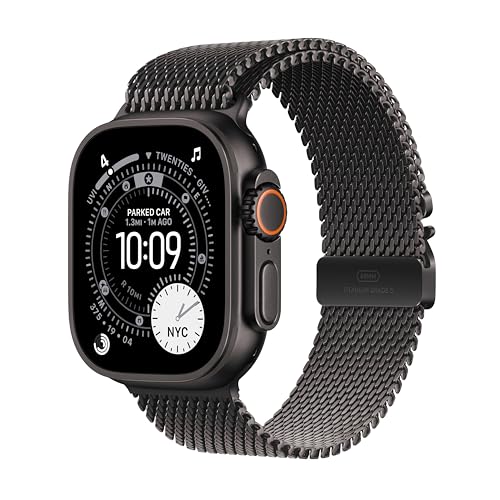
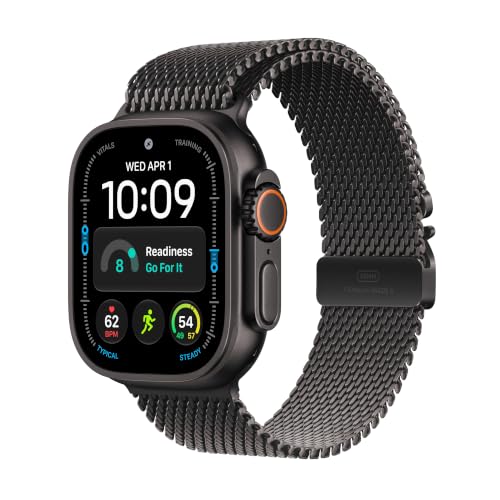
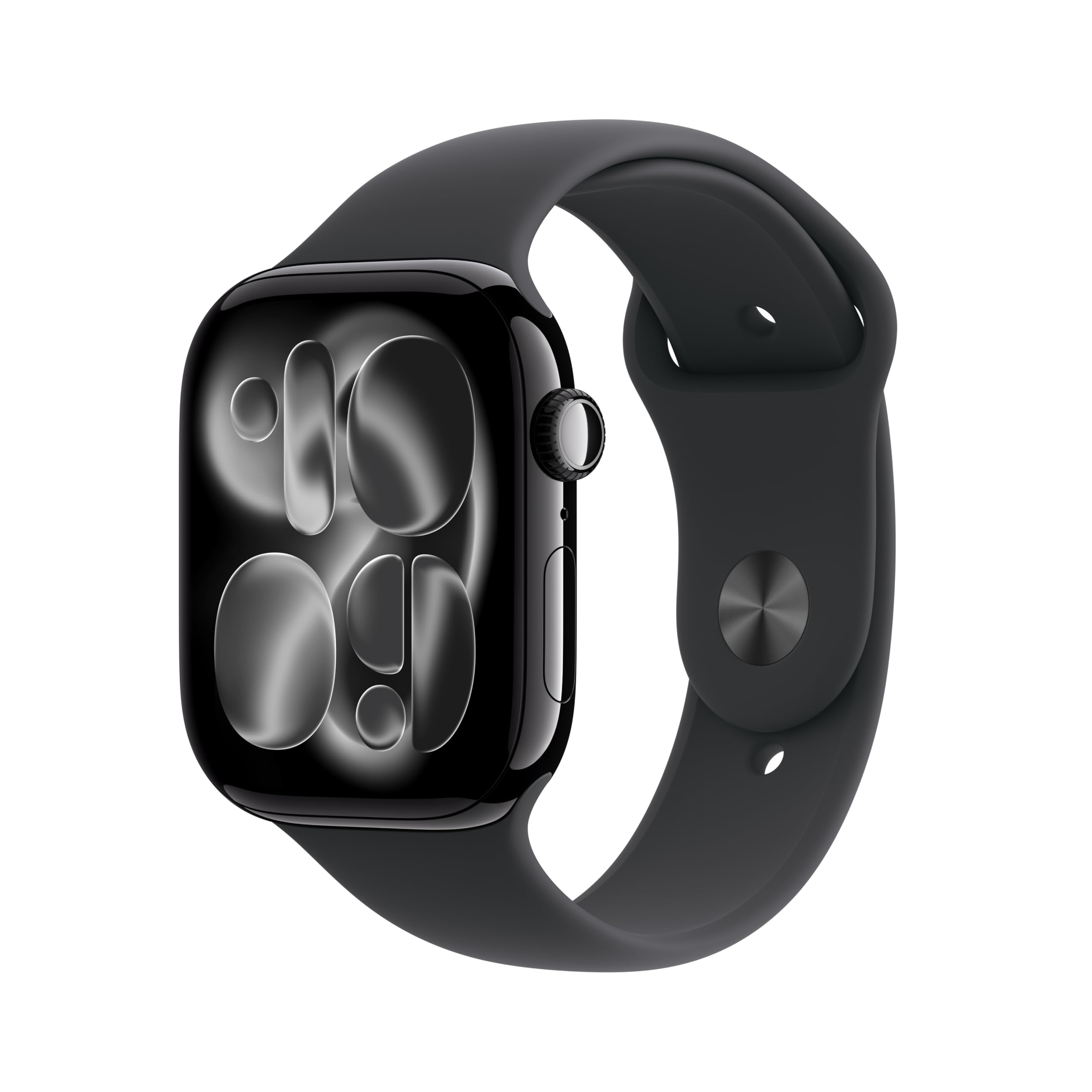
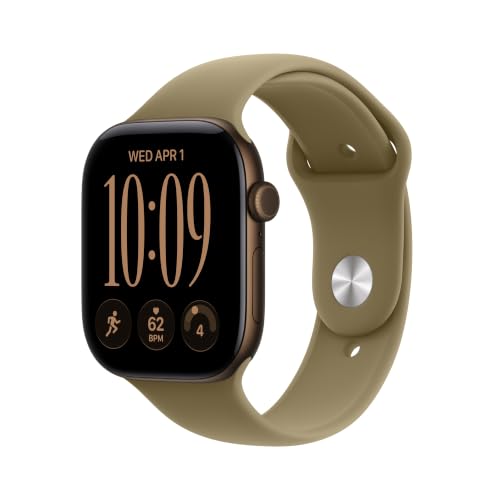
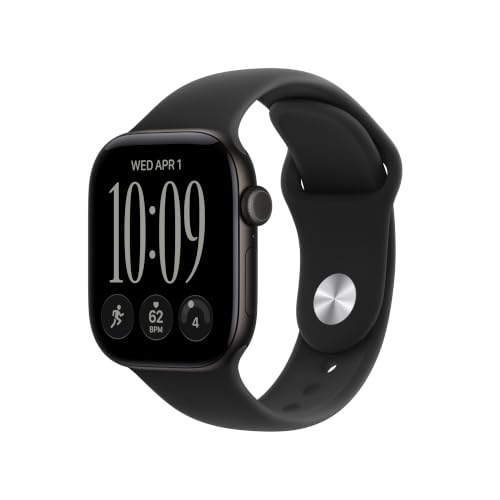

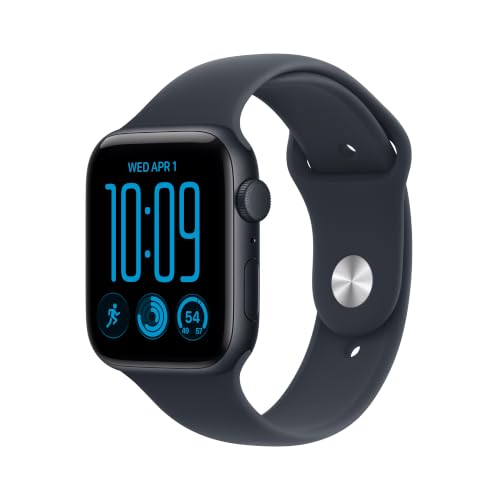
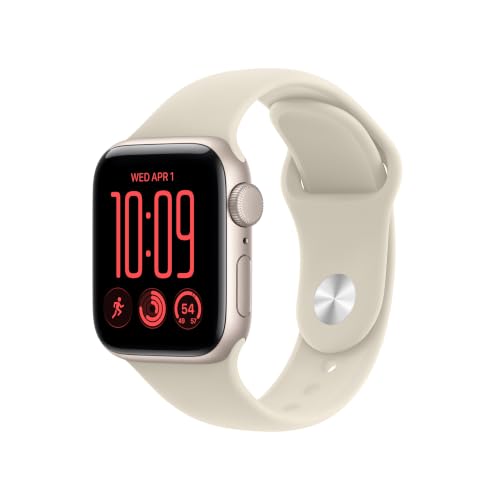
Apple Watches 101: The Basics
An Apple Watch is a smartwatch that pairs with an iPhone and shows notifications, apps, and health and fitness data on your wrist. For runners, the important parts are built in GPS, a heart rate sensor, a bright always on screen on many models, and the Workout app that records pace, distance, and route. GPS means the watch reads satellite signals to map your run, so you can leave your phone at home and still get an accurate route.
A few terms come up in every listing. Case size is given in millimeters, such as 41 mm or 45 mm, and it describes the height of the watch body. Battery life is usually quoted for mixed daily use, not for nonstop GPS tracking, which drains power much faster. Water resistance is rated in meters or atmospheres, and for this watch line the key question is whether it is swim proof, since rain and sweat are handled by any current model. Cellular versions can call, text, and stream music without your phone nearby, for a monthly carrier fee.
The strap matters more than most first time buyers expect. Sport style silicone or fluoroelastomer bands handle sweat, rinse clean, and stay secure at speed. Woven nylon bands breathe well and adjust finely, which helps when your wrist swells on a hot run. A quick release strap system lets you swap bands in seconds, so many runners keep one band for training and a smarter one for work.
Key Specs Explained in Plain English
Features That Matter for Running
Accurate GPS is the first feature to check, because pace and distance data guide your whole training log. Dual frequency GPS, offered on higher tier models, holds a cleaner signal between tall buildings and under dense trees. Heart rate accuracy improves when the watch sits snug and slightly above your wrist bone, so fit is part of the spec, not just comfort.
Look for running specific data such as cadence, stride length, ground contact time, and vertical oscillation if you plan to train seriously, plus pace alerts and custom interval workouts you can build on the watch. Battery during GPS use is the deciding number for marathon training, so compare the GPS hours figure, not the headline day count. Pairing your watch with comfortable shoes matters just as much, and our guide to the best running shoes covers that side of your kit.
Crystal and Case Materials
The crystal is the clear cover over the screen. Glass front models use strengthened Ion X glass, which is light and resists shattering but scratches more easily. Sapphire crystal front models cost more and resist scratches from keys, grit, and gym equipment far better, which matters if you train outdoors year round. A simple know how point: if you choose glass, a low cost screen protector is cheap insurance for trail and track work.
Case materials range from aluminum, which is lightest and usually cheapest, to stainless steel and titanium, which feel more premium and add weight. For running, aluminum often wins because grams on your wrist add up over a two hour long run, and the lighter case bounces less. Steel and titanium suit buyers who want one watch for training and formal settings. All current cases seal against dust and water well enough for daily training.
Legibility and Style
Legibility is how fast you can read pace and time at a glance while moving. A bright screen with large workout numbers beats a pretty watch face packed with small data. Set up a simple running face with time, current pace, distance, and heart rate, and test it at arm length in bright light before a race. High contrast text and an always on display mean you do not need to flick your wrist at every mile marker.
Style still counts because you will wear the watch all day. A smaller case looks neater on a slim wrist and under a shirt cuff, while a larger case reads easier and usually holds a bigger battery. If appearance across settings matters to you, our guide to the best looking apple watches explores finishes and band pairings in depth. For race day, function should win: choose the size you can read at a glance without slowing down.
Brand Reputation, Warranty, and Value
Apple supports its watches with software updates for many years, a one year limited warranty in the United States, and optional paid coverage that adds accidental damage protection. That support network matters for a device you charge daily and wear in rain, pools, and winter cold. Check that any watch you consider still receives current software, because older units lose app compatibility and new running features first.
Value in this category comes from matching the tier to your training. Casual runners who log three easy runs a week rarely need the top tier case materials or dual frequency GPS. Committed marathon trainees use those features weekly and feel the difference. Sizing guidance written for women runners, including smaller case and band fit notes, appears in our guide to the best apple watches for women.
Rookie Mistakes to Avoid
- Buying the biggest case by default. An oversized case slides around during intervals, which hurts heart rate accuracy and comfort.
- Judging battery by the headline number. All day battery claims assume light use, so check the separate figure for GPS workout hours.
- Paying for cellular without a plan. The cellular version costs more and needs a monthly carrier add on to work away from your phone.
- Wearing the band too loose. A loose watch gives jumpy heart rate readings, so snug it one notch tighter for runs than for desk wear.
- Ignoring your iPhone. These watches need a compatible iPhone to set up and use, so confirm your phone model and software version first.
Getting Started: Setup and First Use
Charge the watch fully, then pair it with your iPhone by holding the two close and following the on screen steps. Update the software before your first run, since updates often improve GPS and battery behavior. In the Workout app, set your units, enter your height and weight for better calorie estimates, and turn on pace alerts for your usual easy pace.
For your first week, wear the watch on easy runs you already know well and compare its distance with a route you trust. That simple check teaches you how the pace numbers behave without any pressure. Rinse the watch and band with fresh water after salty sweat sessions or any saltwater exposure, and dry the band fully to avoid skin irritation. Store the charger by your bed or desk so a nightly top up becomes habit, and check band fit again after long runs, when wrists swell slightly.
Frequently Asked Questions
What features matter most in apple watches for running?
GPS accuracy, GPS battery hours, and a secure comfortable band matter most. Together they decide whether your training log is trustworthy and whether the watch survives your longest run. One feature many beginners overlook is the action style button or shortcut for starting and pausing workouts with sweaty hands, which is far easier than tapping a wet screen mid run.
Should I choose an Apple Watch or a dedicated running watch?
Choose an Apple Watch if you want training data plus notifications, payments and phone free music in one device, and you are happy to charge it daily. A dedicated running watch usually lasts longer on GPS, so ultra runners may prefer one. If you are weighing the two, see best garmin running watches.
What case size fits my wrist?
Measure your wrist with a soft tape where you wear a watch. Slim wrists under about 150 mm usually suit the smaller case, while wrists above about 170 mm usually suit the larger case and its bigger battery. Between those ranges, choose by screen readability and weight. The watch should sit flat without the case edges hanging past your wrist bones.
How long does a watch battery last?
Expect roughly a day to a day and a half of mixed use, and far fewer hours of nonstop GPS tracking, often around six to seven hours depending on settings and model tier. Turning off the always on display and streaming music over cellular extends run time noticeably. Over years, total capacity fades gradually, which is normal for rechargeable cells.
How water resistant should a watch be?
For running, rain and sweat resistance is enough, and every current model in this line clears that bar easily. If you cross train in a pool, choose a swim proof rating and rinse the watch after chlorine exposure. Avoid pressing buttons underwater and skip hot showers and saunas, since heat and steam stress seals more than cool water does. Our guide to the best looking running watches also notes which styles hold up well around water.
Final Thoughts
Decide by GPS battery hours, case fit on your wrist, and whether you truly need cellular. Those three answers sort nearly every buyer into the right tier. Use the product table above to compare those points side by side, and set your budget around the features you will use weekly rather than rarely. Chosen that way, the best apple watches for running become a simple daily tool: charge it, strap it snug, and go run.


