
Best Apartment Rowing Machines for 2026: Everything to Know Before Your First Purchase
Disclosure: We may earn a commission when you buy through links on this page, at no extra cost to you. As an Amazon Associate I earn from qualifying purchases. Learn more

Best apartment rowing machines for small spaces: quiet magnetic resistance, folding storage, weight capacity and warranty explained.
Buying your first rowing machine for an apartment can feel like learning a new language. Listings throw around resistance types, rail lengths, and weight capacities, and none of them mention the question you actually care about: will this thing fit your space and stay quiet enough for the neighbors below? This guide to the best apartment rowing machines starts with the basics and builds up to a confident purchase.
We will explain how rowers work, translate the key specs into plain English, and flag the mistakes first time buyers make most often. Use the comparison table below to see the general shape of the market, then read on to learn which features deserve your money and which you can safely skip.

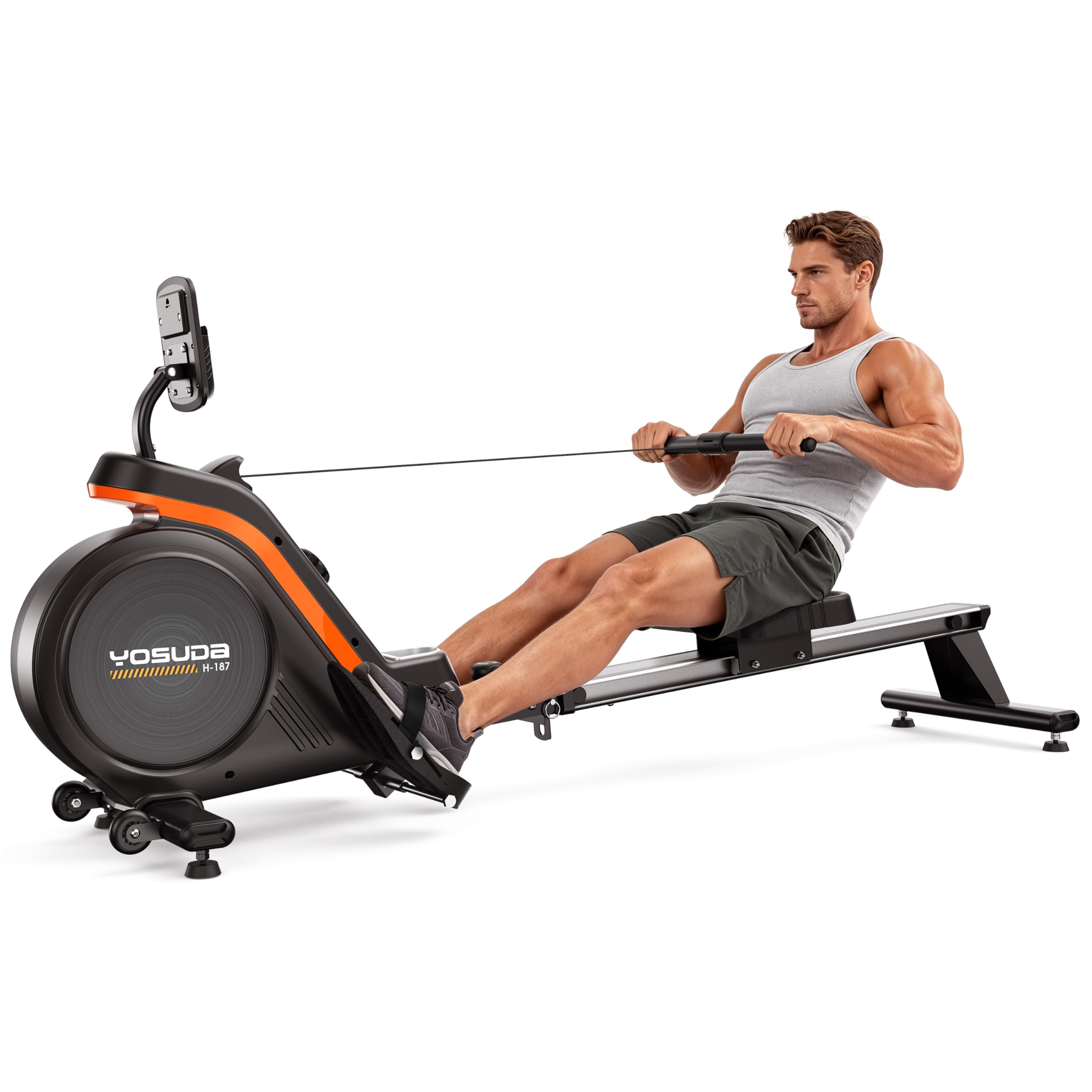


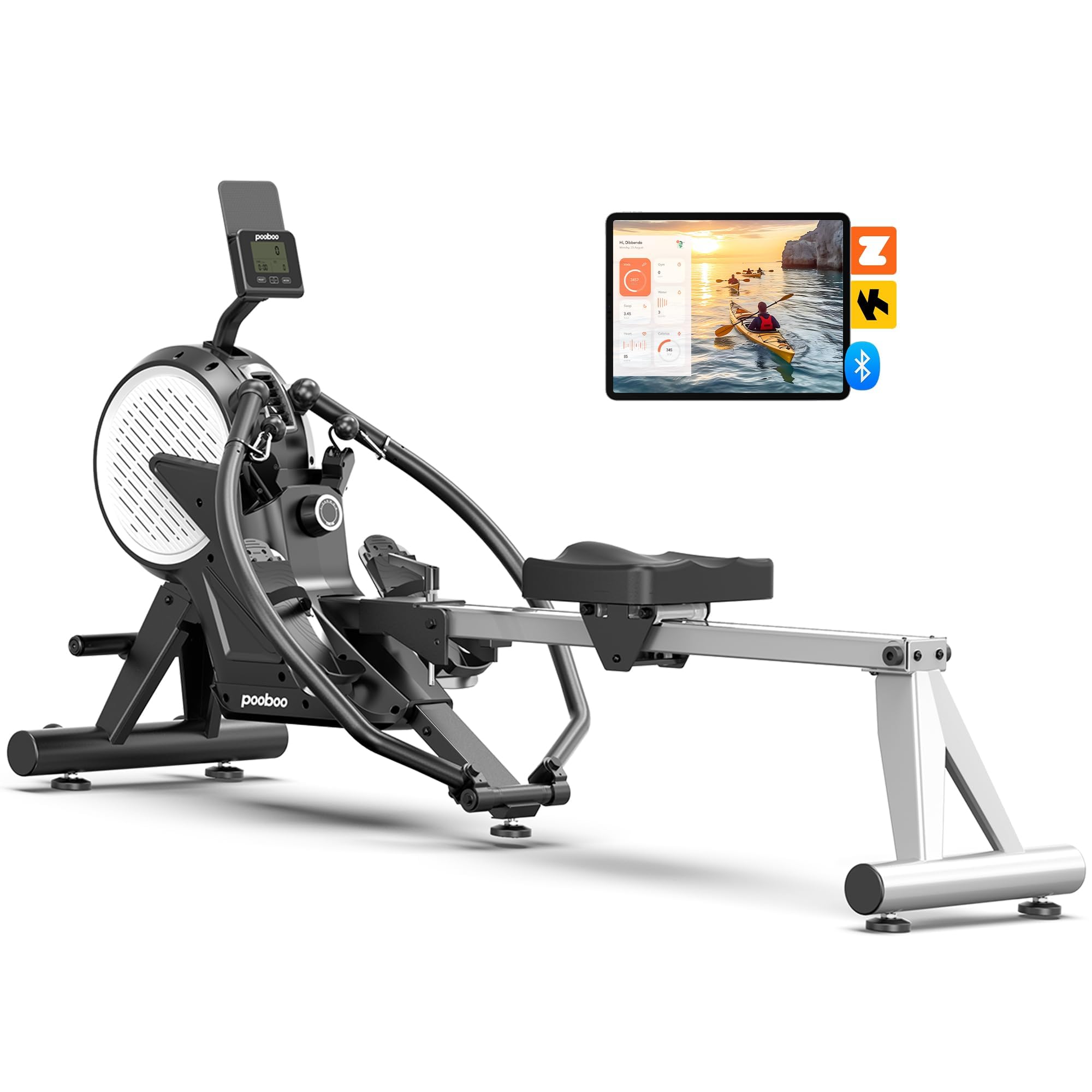

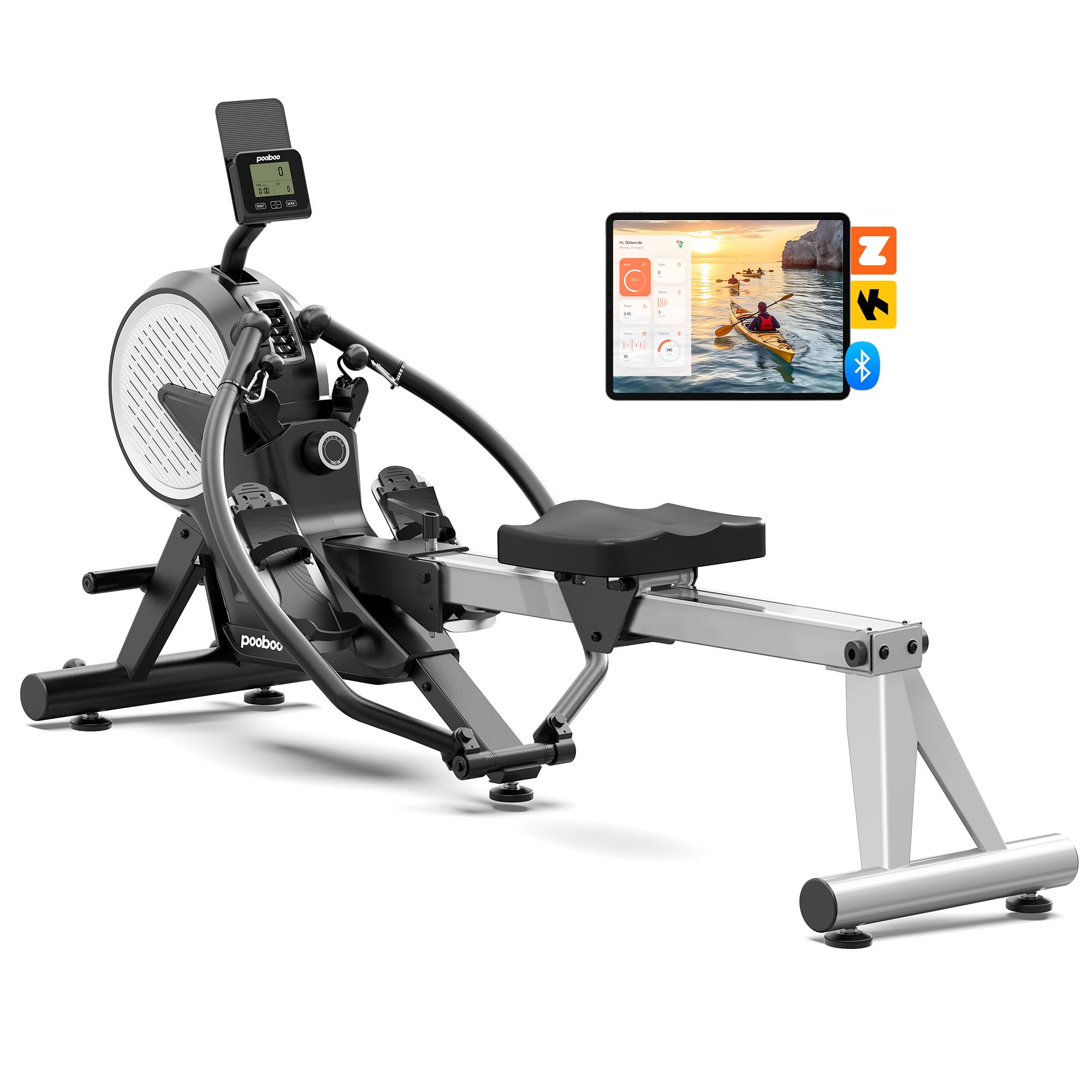

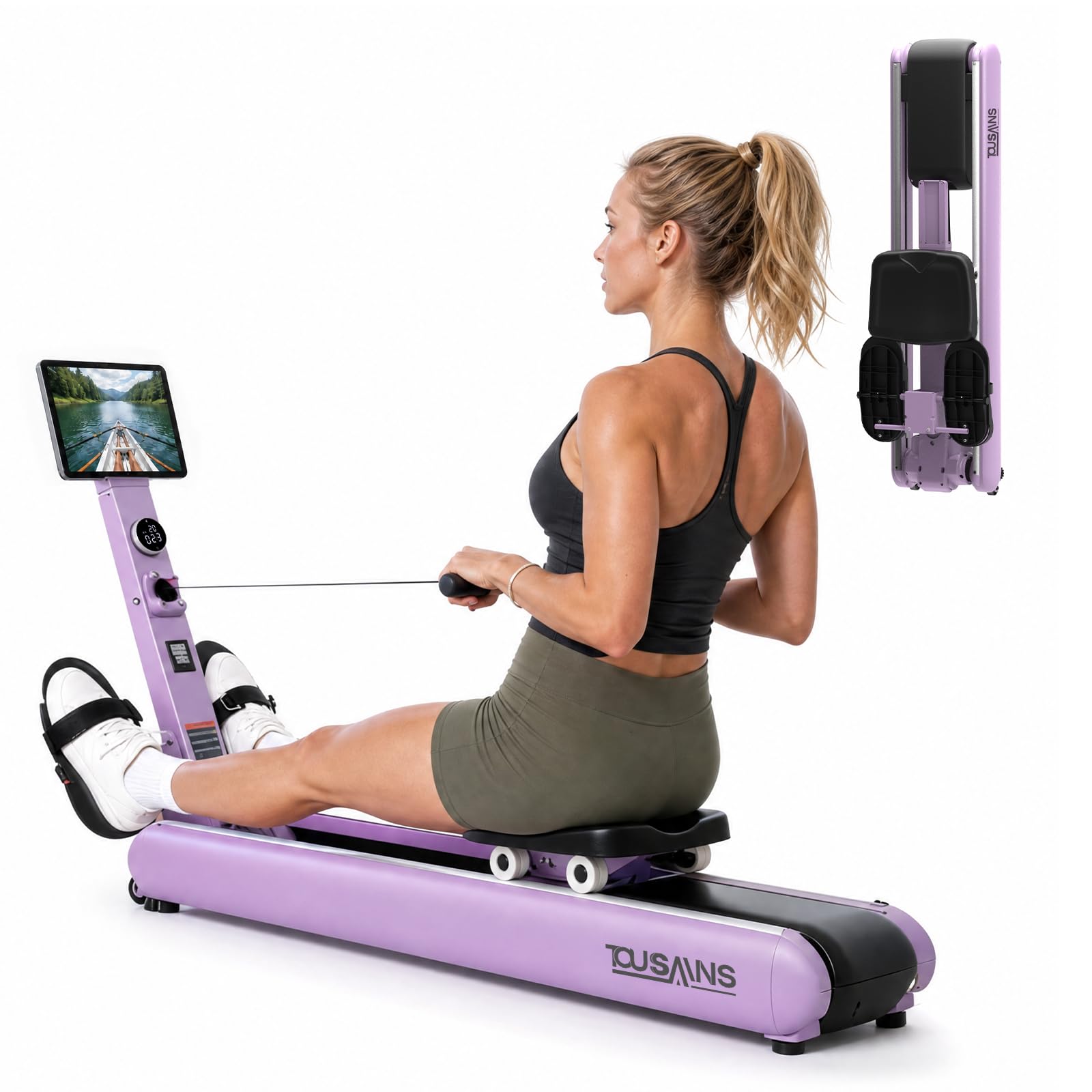
What Makes the Best Apartment Rowing Machines
A rowing machine copies the motion of rowing a boat. You sit on a seat that slides along a rail, brace your feet on fixed plates, and pull a handle toward your chest while driving with your legs. That sequence works the legs, back, core, and arms in one smooth stroke, which is why rowing burns serious energy in a short session without pounding your joints the way running can.
The resistance, the force you pull against, comes from one of four systems. Air rowers use a spinning flywheel and feel natural but make a whooshing sound that grows with your effort. Magnetic rowers use magnets near a metal flywheel and run almost silently, which is why they dominate apartment shopping lists. Water rowers store water in a tank and sound like gentle splashing. Hydraulic rowers use pistons, cost the least, and feel the least like real rowing. For most apartment buyers, magnetic resistance is the starting point, and our guide to the best rowing machine for small apartment living explains why in more detail.
Key Specs Explained in Plain English
Space, Footprint, and Ceiling Height
A typical rower is about 7 to 8 feet long and around 2 feet wide when in use, roughly the area of a yoga mat with room to spare at each end. Measure your floor space with tape before ordering, and leave about 2 feet of clearance behind the rail so you can mount the seat without bumping a wall. Storage is where apartment models earn their keep. Many fold the rail upright or split into two pieces, shrinking the footprint to about 2 by 2 feet in a corner or closet. Ceiling height only matters for that upright storage, so check that a folded unit, often near 5 feet tall, clears your ceiling and any light fittings.
Noise Level for Apartments
Noise has two parts: the sound the machine makes and the vibration it sends through the floor. Magnetic rowers are the quietest option, producing little more than a soft hum and the sound of the seat rolling. Air rowers are much louder at hard effort, and thin apartment floors carry that sound straight to the unit below. Vibration matters just as much. A heavy, stable frame on a thick exercise mat thumps far less than a light frame on bare boards. Practical know how: row at sociable hours at first, tell your downstairs neighbor your plan, and test hard intervals during the day before trying them at dawn.
Assembly and Portability
Most rowers arrive mostly assembled, and a first timer can usually finish the job in about 20 to 45 minutes with the included tools. The rail, front legs, footplates, and monitor arm are the usual steps. Transport wheels on the front let you tilt and roll the machine to its storage spot, which matters if you will move it daily. Check the total weight too. A machine around 50 to 70 lb is manageable for most adults to tilt and roll, while a 100 lb unit tends to stay where it lands, so be honest about whether you will really store it away or leave it out.
Build Quality and Weight Capacity
Weight capacity tells you more about build quality than almost any other number. Budget starter models often rate around 220 to 250 lb, mid range machines reach 265 to 300 lb, and sturdy steel frame models go to 350 lb or beyond. Stay comfortably under the limit rather than at it, because the rating assumes smooth, correct strokes. Look for a steel or steel and aluminum rail, wide stable feet, and a seat that rolls without wobbling. Our guide to the best quality rowing machine builds explains the frame details that separate lasting machines from wobbly ones.
Warranty: Frame, Parts, and Labor
Warranties are listed in three parts, and the differences matter. A frame warranty of 5 to 10 years is common on decent machines and covers the structure you cannot cheaply replace. Parts coverage, usually 1 to 3 years, covers the monitor, straps, and seat rollers that actually wear out. Labor, often just 90 days to 1 year, pays for a technician if something fails early. Read which parts count as wear items with shorter terms, and keep your receipt and serial number photo somewhere safe, because claims nearly always ask for both.
Rookie Mistakes to Avoid
- Buying by price alone and ending up with a hydraulic mini rower that feels choppy and gets abandoned within a month.
- Measuring the room but not the storage spot, then living with a machine across the middle of the floor.
- Ignoring the weight capacity, which leads to flexing rails, noisy rollers, and a warranty claim that gets denied.
- Choosing an air rower for a thin walled flat without thinking about sound, then being afraid to row hard.
- Paying for a large screen and subscription classes before knowing whether you enjoy rowing at all, when a simple monitor teaches the same basics.
If you are still deciding whether rowing suits you, our guide to the best beginner rowing machine features walks through what new rowers actually need. Experienced oarspeople shopping for a second machine can compare notes with our guide to the best rowing machine for rowers who train seriously.
Getting Started: Setup and First Use
Unbox the machine on a soft surface, check every part against the list before you tighten anything, and build it in the room where it will live, since a finished rower is awkward to carry through doorways. Place a mat under the full length to protect floors and reduce noise. For your first sessions, row for 10 to 15 minutes at an easy pace and learn the stroke order: legs push, body swings slightly, arms draw in, then arms extend, body rocks forward, and knees bend to slide back. Wipe the rail and handle down after each workout, because sweat corrodes metal and makes grips slippery. Check the seat rollers weekly for hair and grit, the most common cause of a rough, noisy slide. Beginners comparing starter options will find our guide to the best starter rowing machine models a useful next read.
FAQs
How long does an apartment rowing machine last?
A well built magnetic rower used a few times a week commonly lasts 5 to 10 years or more. The parts that wear are consumables: the drive strap, seat rollers, and batteries in the monitor. Keeping the rail clean, storing the machine out of damp corners, and staying within the weight limit stretch its life the most. Budget hydraulic models wear out sooner, often within a couple of years of regular use.
How much space do I need for an apartment rowing machine?
Plan on a clear floor area about 8 to 9 feet long and 3 feet wide while rowing, which includes space for your body at the back of the stroke. For storage, a folding model needs roughly a 2 by 2 foot corner and about 5 feet of vertical clearance. If your only spot is tighter than that, look at models that split into two pieces for a closet or under bed storage, and measure that space too.
Is a rowing machine quiet enough for an apartment?
A magnetic rower on a thick mat is quiet enough for most apartments, producing a low hum that rarely carries through a door. Air rowers are the risky choice, since hard efforts create a loud whoosh. Whatever the type, the thump through the floor matters more than airborne sound for the neighbor below, so a mat and a stable, heavier frame help more than any single feature on the spec sheet.
Is a subscription required to use an apartment rowing machine?
No, a subscription is never required to row. The basic monitor on any decent machine shows time, distance, strokes per minute, and estimated calories with no account at all. Paid apps and connected screens add coached workouts, scenery, and leaderboards, which some people love and others ignore after a month. A sensible approach is to row free for the first few weeks, then subscribe only if you know the coaching style keeps you coming back.
Which type of rowing machine is better for beginners?
Magnetic resistance suits beginners best in most apartments. It is quiet, the resistance adjusts in clear steps so you can start light and progress gradually, and maintenance is minimal. Water rowers feel lovely but cost more and need occasional water care, while air rowers reward experienced technique and punish thin walls. Start magnetic, learn the stroke, and upgrade later only if the sport truly hooks you.
Wrapping Up
For a first purchase, three checks prevent most regrets: measure your rowing and storage space, choose quiet magnetic resistance with a capacity well above your weight, and confirm the frame warranty runs at least 5 years. The best apartment rowing machines are the ones that fit your flat, respect your neighbors, and invite you back tomorrow. Compare the product table with those checks in hand, and pick the machine you will actually use three times a week.


