Best Apartment Cameras for Every Need in 2026: How to Pick the Right One
Disclosure: We may earn a commission when you buy through links on this page, at no extra cost to you. As an Amazon Associate I earn from qualifying purchases. Learn more

Compare the best apartment cameras for renters with plain guidance on no drill mounting, storage and plan costs, night vision, privacy rules and price bands.
An apartment camera is a renter class purchase before it is a gadget purchase. Your lease and your building rules decide what you may mount, whether you may drill into a wall, and whether a camera may point toward shared ground such as a hallway, a stairwell or a courtyard. The best apartment cameras for a renter are the ones that fit those limits first and add features second, so read your lease before you shop, then use the product table to match a camera type to your rooms.
Keep expectations plain as well: a camera is a monitoring aid. It records what happens in front of its lens and warns you with an alert on your phone, but it prevents nothing, and it cannot watch a room it cannot see. Placement, power and storage decide how useful that record turns out to be, which is why the sections below read those basics in full before any talk of price bands.




Who Should Buy the Best Apartment Cameras?
Apartment living splits buyers by limits, not by taste, and there is no single model that suits every lease. The best apartment cameras are grouped below by the limit that shapes the purchase, so find the group closest to your lease and your floor plan, and let that group set your feature list and your budget.
Renters Who Cannot Drill or Rewire
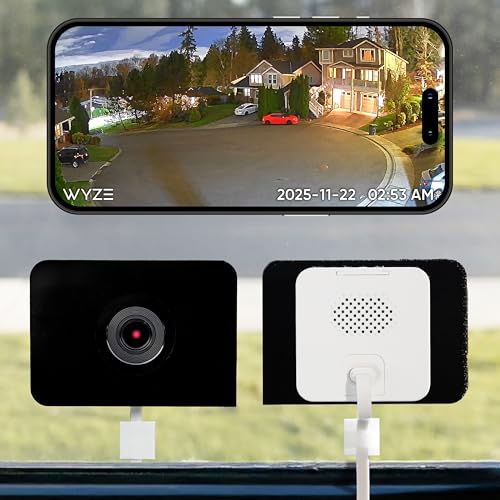
If your lease bans screws and wall plugs, shop the battery powered classes that mount with adhesive pads, clamps or a simple shelf perch. These units run for weeks or months between charges, come down clean when you move, and leave nothing for a landlord to charge against your deposit. The trade is upkeep: put a charging reminder on your calendar, because a camera with a flat battery records nothing at all.
Residents Watching a Front Door or Entry
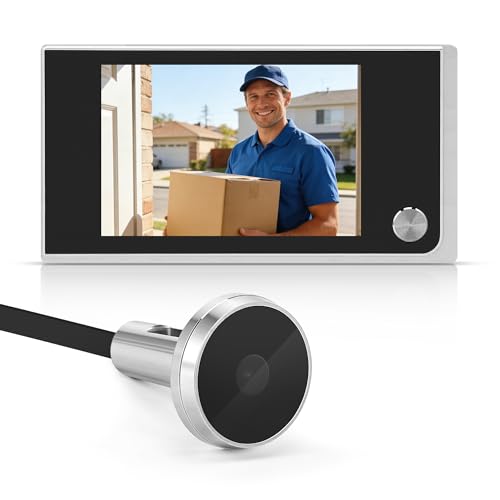
When packages and visitors are the whole worry, the entry deserves its own camera class rather than a corner of a living room unit. Peephole cameras and door mounted classes watch the threshold without new wiring, and guides to best door cameras for apartments cover that narrower job in depth. Before you buy, check whether your building allows a camera that faces the hallway, because that hallway is shared ground and some leases ban recording it at all.
Pet Owners Checking In During the Day
Pet owners need a wide view, a pan and tilt head, and two way audio so they can settle a dog from the office. Motion alerts should be tuned with care here, since a pet crossing the room all day will flood your phone and train you to ignore real alerts. Local card storage suits this group well, because pet clips are frequent, short, and rarely worth paying a monthly plan to keep.
Renters in Shared Hallways and Buildings
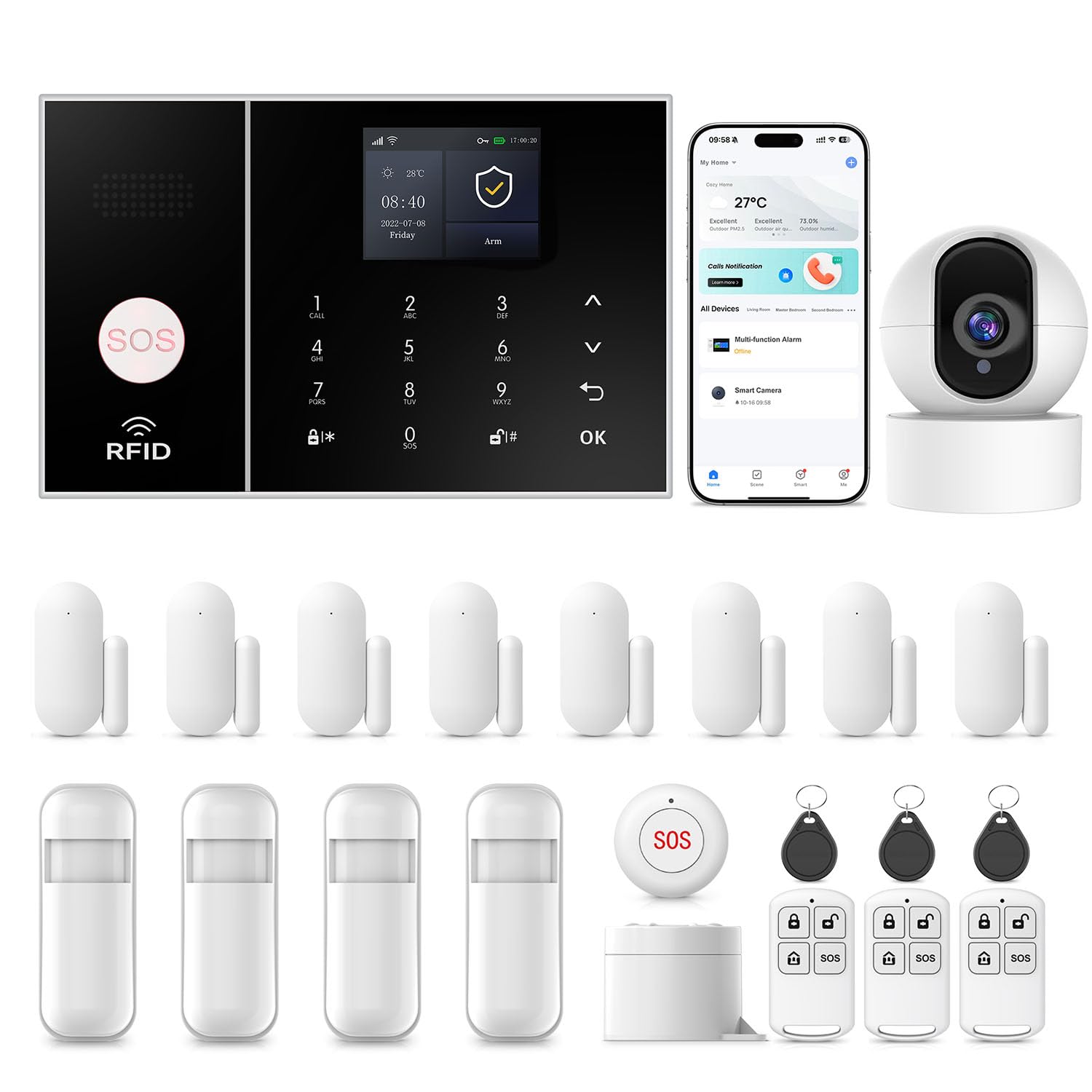
Shared entries raise the stakes beyond your own door, and the wider topic of best cameras for apartment security covers buildings with common areas in full. The working rules are simple. Cover your own door and your own rooms, never aim a lens at a neighbor door or window, keep audio off in shared spaces, and tell your landlord the camera exists before an installer or a neighbor raises the question first.
Key Features to Compare
One boundary first. This guide is about fixed cameras that watch a room while you are away from home. Shoppers comparing best digital cameras are shopping for a different tool, one built to be carried and aimed by hand, not mounted in a corner and left alone for months. With that settled, prices for apartment units fall into three broad bands: about $30 to $70 for simple battery cameras, about $70 to $150 for stronger night vision and local storage, and about $150 to $250 for wide view and person detection classes.
Power Source and Mounting
Battery cameras are the renter default because they ask nothing of the walls or the wiring. Plug in cameras never need charging, but the cord ties you to an outlet and often to a drilled cable clip, which many leases forbid. Whichever class you pick, check the mount for a full week before you trust it, and keep the camera within easy reach of a chair or a step stool so charging and cleaning stay quick jobs.
Video Quality and Night Vision
Resolution figures are maker figures, so read them beside field of view and night range instead of alone. A small apartment room needs a wide view more than it needs a huge pixel count, and night vision in a real room works over a few meters, not across a street. Judged as stills tools, the best cameras for photography win on image quality, but they send no alerts, store no rolling record, and are not built to watch a room all day.
Storage and Subscription Costs
Local storage on a memory card costs nothing each month and keeps your footage inside your home, but the card leaves with the camera if a thief takes both. Cloud plans, often about $3 to $10 per month per camera, keep clips safe off site and unlock richer alerts, yet the yearly total can pass the price of the camera itself. Ask what still records if the plan lapses, because some classes keep motion clips while others record nothing at all.
Motion Alerts and Smart Detection
Every camera notices movement; the better classes tell a person from a curtain, a pet or a passing headlight. Person detection and activity zones cut the false alerts that make renters mute the app within a month, and a muted app is no security at all. Set sensitivity in the evening, when light changes fool cheap sensors most, and walk the room once to confirm the alerts match what you actually want to know about.
Privacy, Passwords and Consent
Read passwords, updates and consent before price, always. Change the factory password on day one, turn on two factor sign in, and let the camera install its own firmware updates, because a camera on your network is a door into that network. Keep lenses out of rooms where guests sleep or dress. Some shoppers ask about disguised units, and guides to best hidden cameras for apartments exist, but covert recording classes carry the highest consent risk of any camera class, and recording guests or roommates without consent is unlawful in many places.
Common Mistakes to Avoid When Buying Apartment Cameras
- Buying before reading the lease, then learning the mount or the hallway view was banned all along.
- Paying for a cloud plan before checking whether local card storage already covers the need.
- Mounting the camera high in a corner facing a bright window, so faces record as dark shapes against the glare.
- Leaving the factory password in place, which hands strangers a live view of your home.
- Recording audio in shared hallways, where consent rules are stricter than most renters expect.
Tips to Get the Most From Your Apartment Camera
Check your WiFi signal at the exact spot before you mount anything, because a camera at the edge of coverage drops clips and drains its battery reconnecting. Walk the room once at night to confirm the night vision range matches the space. Clean the lens with a soft cloth once a month, review and clear old footage so the card never fills mid event, and press the mount once a week for the first month to catch adhesive pads that are letting go.
Apartment Cameras: Your Questions Answered
Can renters install apartment cameras without drilling?
Yes, and most renters should start with the no drill classes. Battery cameras mount with adhesive pads, clamps or a plain shelf perch, and all three come down without marks at move out. Before you stick anything to paint, photograph the wall and the mount in place. That dated photo is quiet proof of the wall condition if a deposit dispute ever turns on small marks.
Do apartment cameras need a subscription to record?
No, a subscription is not required for recording itself. Cameras with a memory card slot record motion clips or full days locally with no monthly fee at all. What plans usually sell is off site backup plus smarter alerts, and some makers place person detection behind the plan even when basic recording stays free. Read that split before you buy, because it decides your true yearly cost.
Where should an apartment camera sit in a small studio?
Place it high in the corner that sees the entry door and the main living space in one frame. Aim across the doorway rather than straight at it, so a person entering crosses the view and shows a face in profile instead of walking head on into the lens. Keep the camera out of the sleeping corner sight line if guests stay over, and say the camera is there before they settle in.
Is it legal for an apartment camera to record audio?
It depends on where you live, and audio rules are stricter than video rules in most places. Many regions require every party to a conversation to consent, which makes an always listening camera a real legal risk with roommates and guests. The safe default is to switch audio recording off, keep video only, and check your local rules and your lease wording before you ever turn it on.
How much should a renter spend on a first apartment camera?
A budget of about $40 to $90 buys a sound first unit with local storage and usable night vision. Spend inside that range on the mount and the storage class before you spend on resolution figures you will never notice in a small room. Leave a little of the budget aside for a spare charging cable or a second memory card, since small parts are what a first setup usually lacks.
Wrapping Up
Match the camera to your lease first, your floor plan second and your feature list last. Renters who keep that order end up with the best apartment cameras for their situation: units that stay mounted, stay within the rules, and actually record the moments that matter. Look back at the product table above, pick the type that fits your group, and set it up the same day it arrives.