
Best Antioxidant Tablets for Skin Made Simple: A Clear Buying Guide for 2026
Disclosure: We may earn a commission when you buy through links on this page, at no extra cost to you. As an Amazon Associate I earn from qualifying purchases. Learn more

Shopping for the best antioxidant tablets for skin for the first time? Learn the terms, compare options, and avoid rookie mistakes with this easy guide.
Buying a skin supplement for the first time is harder than it looks, because labels mix ingredient names, dose numbers, and broad promises in ways that are tough to compare. This guide starts from the basics and works up to a confident choice, in plain language and without the hype. By the end you will know how to judge the best antioxidant tablets for skin for your own routine, your budget, and your health situation.
One point before anything else: a supplement supports a routine, it does not replace sunscreen, sleep, or medical care. Use the comparison table below to line up the main options by ingredient and dose, then read on to learn what those label terms mean, which mistakes first time buyers make, and when you should talk with a clinician before taking anything at all.


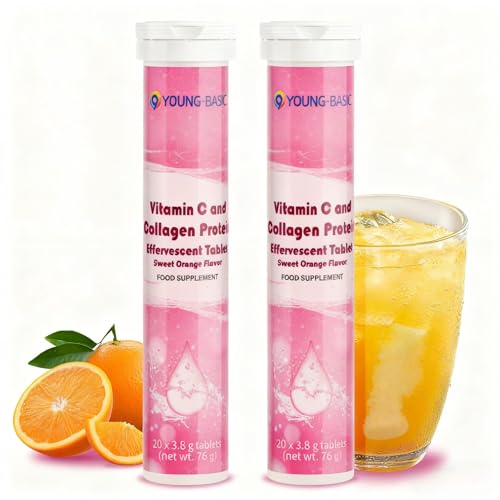

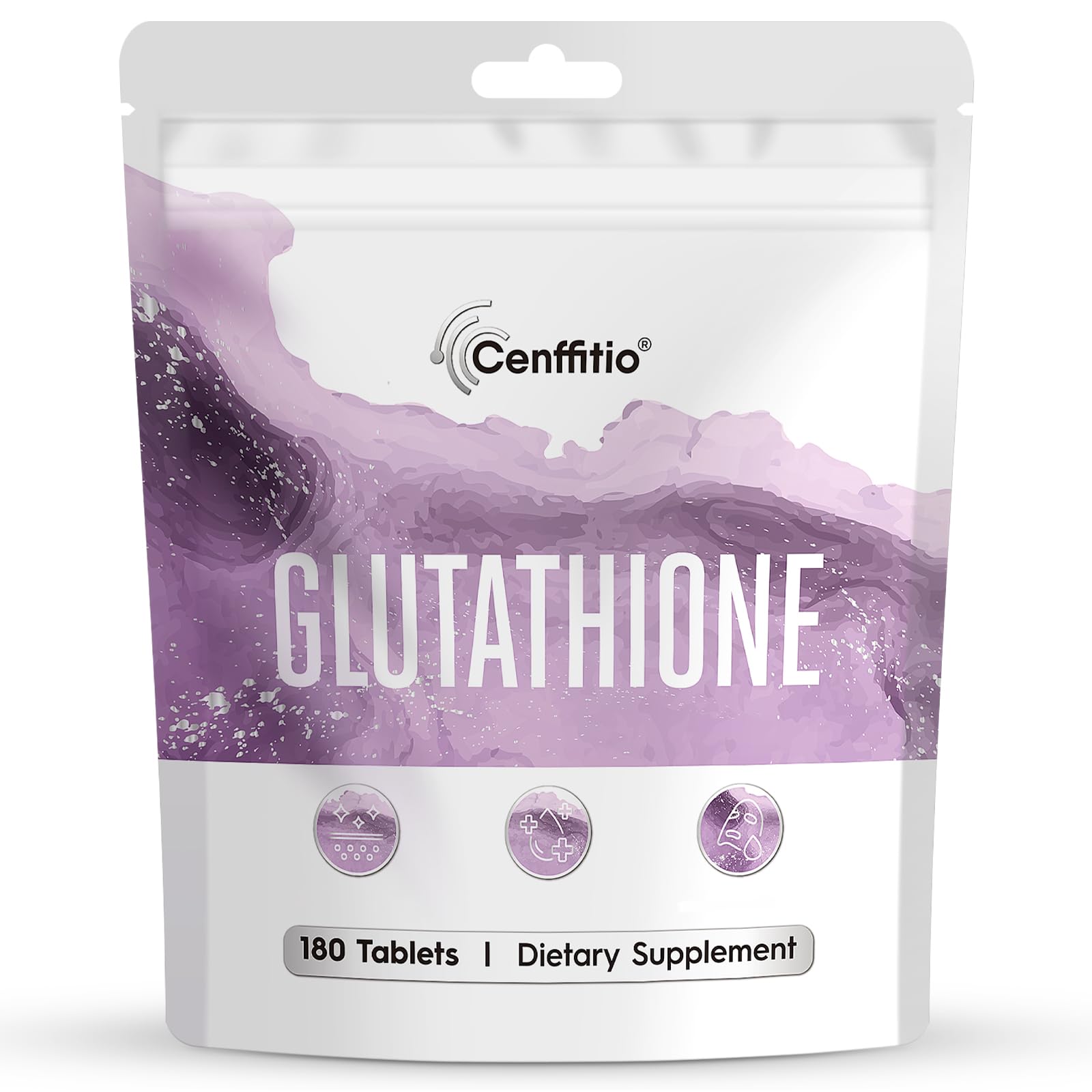
Antioxidant Tablets 101: The Basics
Antioxidants are substances that help protect cells from damage linked to free radicals, which are unstable molecules produced by sunlight, pollution, and normal body processes. In skin care, the idea is that supporting the body from the inside may help skin cope with daily stress, alongside the protection you apply on the surface. Tablets deliver measured amounts of ingredients such as vitamin C, vitamin E, and plant based compounds in a form that is easy to take consistently, which is the main reason people choose them over powders or drinks.
A few label terms are worth knowing. A serving is the number of tablets the maker counts as one daily amount, and the dose is how much of each ingredient that serving provides. Percent daily value shows how a dose compares with a general reference amount. Third party testing means an outside lab checked the product for identity and purity, which matters because supplement labels are not verified before sale the way drug labels are. None of these terms guarantees results, but together they tell you whether a product is transparent about what is inside.
Key Specs Explained in Plain English
Features That Matter for Skin
Skin focused formulas differ from general multivitamins in what they emphasize. Look for clearly named ingredients with skin relevance, doses printed per serving rather than hidden inside a blend total, and directions that match how you live, such as once daily with food. A formula built for skin usually keeps the list short and purposeful instead of packing in dozens of trace ingredients at tiny amounts. Check also what the product does not claim: careful makers avoid promising to treat disease, reverse aging, or replace sun protection, and that restraint is a good sign. If you are comparing the wider category first, our guide to the best antioxidant tablets covers general formulas, while this page stays focused on skin specific choices.
Ingredient Types and Strength
Think of the ingredient list as the engine of the product. Common choices include vitamin C, which supports normal collagen formation, vitamin E, plant polyphenols from sources such as grape or green tea, and carotenoids such as lycopene or astaxanthin. Strength means the milligrams per serving, and more is not automatically better, because high doses of some vitamins can cause side effects or interact with medicines. A sensible target is a dose near the reference daily amount for vitamins, unless a clinician has advised otherwise, and clearly stated amounts for plant extracts rather than a vague blend weight.
Dose Per Tablet and Daily Amount
Labels can mislead when a serving is two or three tablets but the front of the bottle highlights the full serving amount. Always compare cost and dose per day, not per bottle. The same habit helps across the whole category, and our overview of the best skin tablets shows how serving sizes change the real monthly cost of similar looking bottles. A bottle of 90 tablets lasts three months at one per day but only one month at three per day, which changes the real price a lot. Storage of the product itself is simple: keep tablets in a cool dry place away from bathroom steam, check the expiry date, and prefer bottles with a seal intact. If a serving requires several large tablets and you know you dislike swallowing them, a smaller tablet taken twice daily may suit you better.
Tablet Form and Other Formats
Tablets are one format among several, and the right choice depends on your routine. Plain tablets are stable, portable, and usually the lowest cost per day. Coated tablets are easier to swallow and kinder to a sensitive stomach for some people. Chewables and gummies add sugar or sweeteners and often carry lower doses, while capsules can hold oils that tablets cannot. Powders mix into drinks but make daily habits harder to keep. There is no best format in general, only the one you will actually take every day without dreading it.
Added Ingredients and Blends
Many skin formulas add extras such as collagen, hyaluronic acid, zinc, or probiotics. Readers who are mainly interested in the collagen side can compare the dedicated options in our guide to the best collagen tablets before deciding whether a combined formula or a single ingredient product suits them better. Extras can be reasonable, but each addition should earn its place with a stated amount and a clear role. Be cautious with proprietary blends that give one combined weight for several ingredients, because you cannot tell whether the key ingredient is present in a meaningful amount or a dusting. Also scan the inactive ingredients if you have allergies or dietary rules, since tablets may contain binders, colorings, gelatin coatings, or traces of soy and gluten depending on the factory.
Bottle Size and Portability
Supply length affects both price and freshness. A 30 day bottle suits a first trial, because you can judge tolerance and routine fit before committing. Larger bottles, often 60 to 90 days of supply, lower the cost per day but only save money if you will finish them before the expiry date. For travel, tablets beat powders and liquids easily: they pass through airport security without fuss and need no refrigeration. Keep a small supply in your bag rather than moving the whole bottle, and store the main bottle away from heat in a car, which can degrade vitamins over time.
Rookie Mistakes to Avoid
- Chasing the highest dose. Very high doses of fat soluble vitamins can build up in the body. Follow the label and treat more as a question for a clinician, not a shortcut.
- Buying a blend with hidden amounts. If the label will not say how much of the main ingredient you get, you cannot compare it with anything else.
- Starting several new products at once. If a rash or stomach upset appears, you will not know which product caused it. Change one thing at a time.
- Expecting fast visible change. Skin renews slowly, and honest makers talk in terms of weeks to months. Promises of dramatic results in days are a warning sign.
- Ignoring your medicines. Some supplements interact with blood thinners, diabetes medicines, and other drugs. Check with a pharmacist or clinician first.
Getting Started: Setup and First Use
Start on a normal day, not before a big event, and take the first tablet exactly as the label directs, with food and water if it says so. Write down the start date and the product name, a small habit that helps you judge later whether anything changed and when. Take a clear photo of your skin in the same light each week if you want a fair record, because memory flatters and forgets. Keep the routine boring and consistent for at least eight to twelve weeks before judging, since skin cycles take time.
Stop and seek medical advice promptly if you notice warning signs such as a spreading rash, swelling of the lips or face, trouble breathing, yellowing of the skin or eyes, unusual bruising, or severe stomach pain. Talk with your clinician before starting if you are pregnant, breastfeeding, under 18, preparing for surgery, or managing a long term condition. Supplements are not tested in pregnancy the way medicines are, so caution is the sensible default rather than an afterthought.
Antioxidant Tablets: Your Questions Answered
What features matter most in antioxidant tablets for skin?
Named ingredients with stated doses matter most, followed by third party testing and directions you can follow daily. A short, transparent label beats a long secret blend every time. One point buyers miss is the inactive ingredient list: if you avoid gelatin, gluten, or certain colorings, the coating and binders decide whether a product fits your rules, even when the active ingredients look perfect on the front of the bottle.
How much of each ingredient do I need?
For vitamins, a dose near 100 percent of the daily value is a reasonable general guide unless your clinician advises a different amount for a known deficiency. For plant extracts, look for amounts in the range used on the label directions of established products rather than trace quantities. Avoid stacking several products that repeat the same vitamin, because totals add up quietly across a multivitamin, a skin tablet, and a fortified drink in the same day.
Are antioxidant tablets enough on their own for skin care?
No, they are a support, not a substitute for the basics. Daily sunscreen, gentle cleansing, enough sleep, and not smoking do more for skin than any tablet can. Think of a supplement as filling small gaps in a routine that already works. If a skin problem is new, changing, painful, or spreading, it needs a medical look rather than a supplement trial, because conditions such as eczema, infections, and skin cancers cannot be sorted out by vitamins.
Should I buy tablets or another supplement form?
Choose tablets if you want the lowest cost per day, easy travel, and no added sugar. Choose capsules if a formula contains oils or if you find tablets hard to swallow, and chewables only if you accept lower doses and sweeteners. The form changes convenience far more than it changes the ingredient itself. If you already take a multivitamin you like, check for overlap before adding a skin tablet in any form, because doubling vitamins helps nothing and can cause harm.
How long should an antioxidant tablet routine last?
Give a routine eight to twelve weeks before judging it, because that covers two to three skin renewal cycles. After that, many people continue daily use while it fits their budget and their clinician has no concerns. Review the habit every few months: if nothing has changed and your diet has improved, you may not need the product. Also check expiry dates on large bottles, since vitamins slowly lose strength, and a stale tablet delivers less than its label promises.
Is a higher dose worth it?
Usually not. Beyond the amount your body can use, extra water soluble vitamins are mostly excreted, and extra fat soluble vitamins can accumulate to harmful levels. Higher priced high dose products often sell a number rather than a benefit. Spend instead on label transparency, third party testing, and a formula you will take consistently. If a blood test shows a genuine deficiency, your clinician can set a dose with a purpose and a review date, which is different from guessing on your own.
Wrapping Up
Choose by transparency first: named ingredients, stated doses, and third party testing. Keep doses near reference amounts unless a clinician says otherwise, start one product at a time, and give it a fair eight to twelve weeks alongside sunscreen and sleep. Compare the product table above on those points, talk with your clinician about your own medicines and health needs, and you will land on the best antioxidant tablets for skin with realistic expectations and a routine you can keep.


