
Best Antioxidant Tablets 2026: What the Label Really Means
Disclosure: We may earn a commission when you buy through links on this page, at no extra cost to you. As an Amazon Associate I earn from qualifying purchases. Learn more

Compare antioxidant tablets with care: learn label terms, ingredients, realistic expectations, and the questions to ask a pharmacist before you buy supplements.
Shopping for the best antioxidant tablets can feel confusing, because packs use bold claims while the useful details sit in small print on the back. Antioxidant is a broad word that covers many different compounds, from vitamins to plant extracts, and products vary widely in what they actually contain. This guide explains how to read those labels, set realistic expectations, and decide whether a supplement fits your routine at all.
The comparison table below shows common ingredient groups and label features side by side. Treat it as a starting point for questions, not as a promise about results. Supplements are not a substitute for a varied diet, and no tablet can undo the effects of smoking, poor sleep, or a diet low in fruit and vegetables. If you take prescription medicine or have a long term condition, talk with a pharmacist or clinician before adding a new supplement.

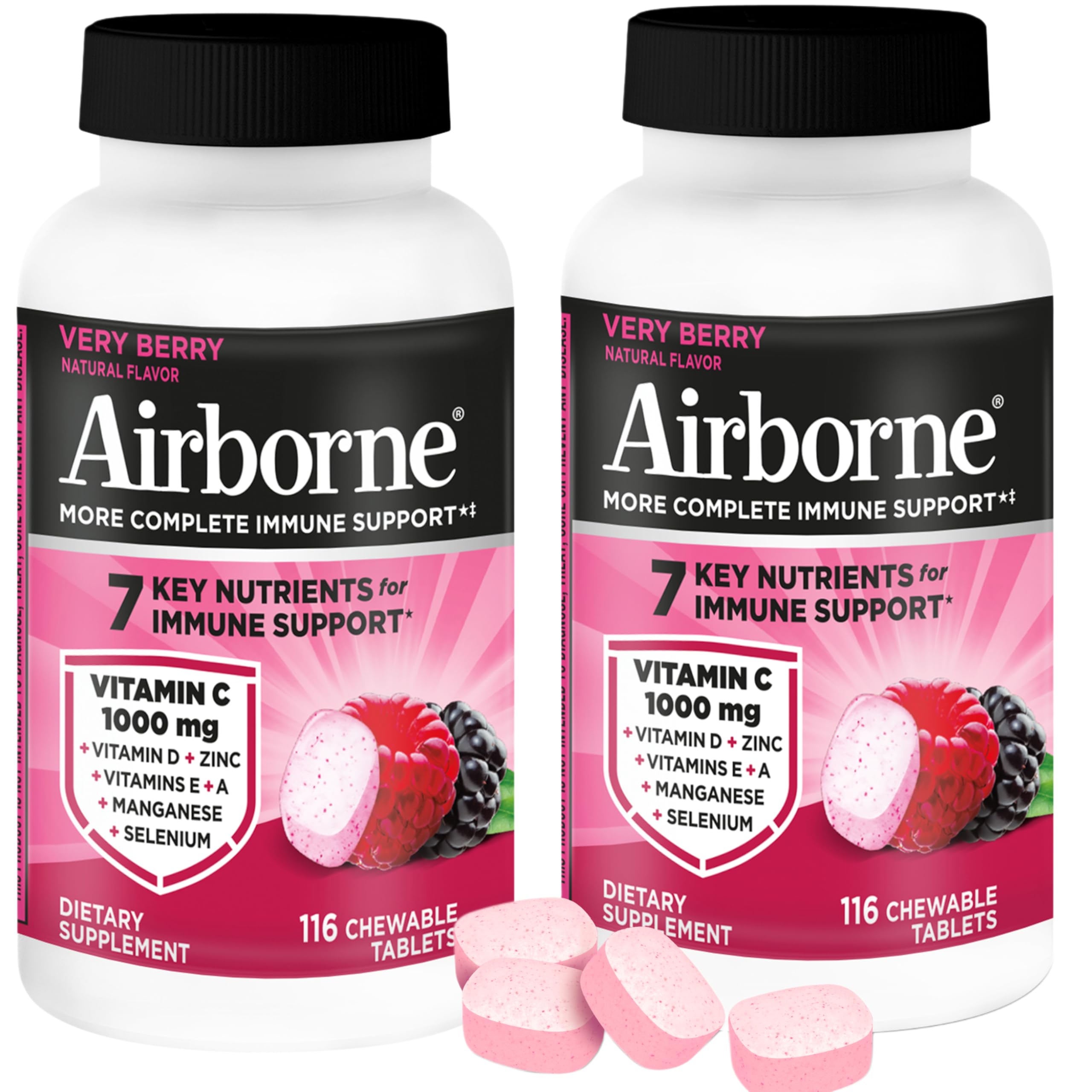


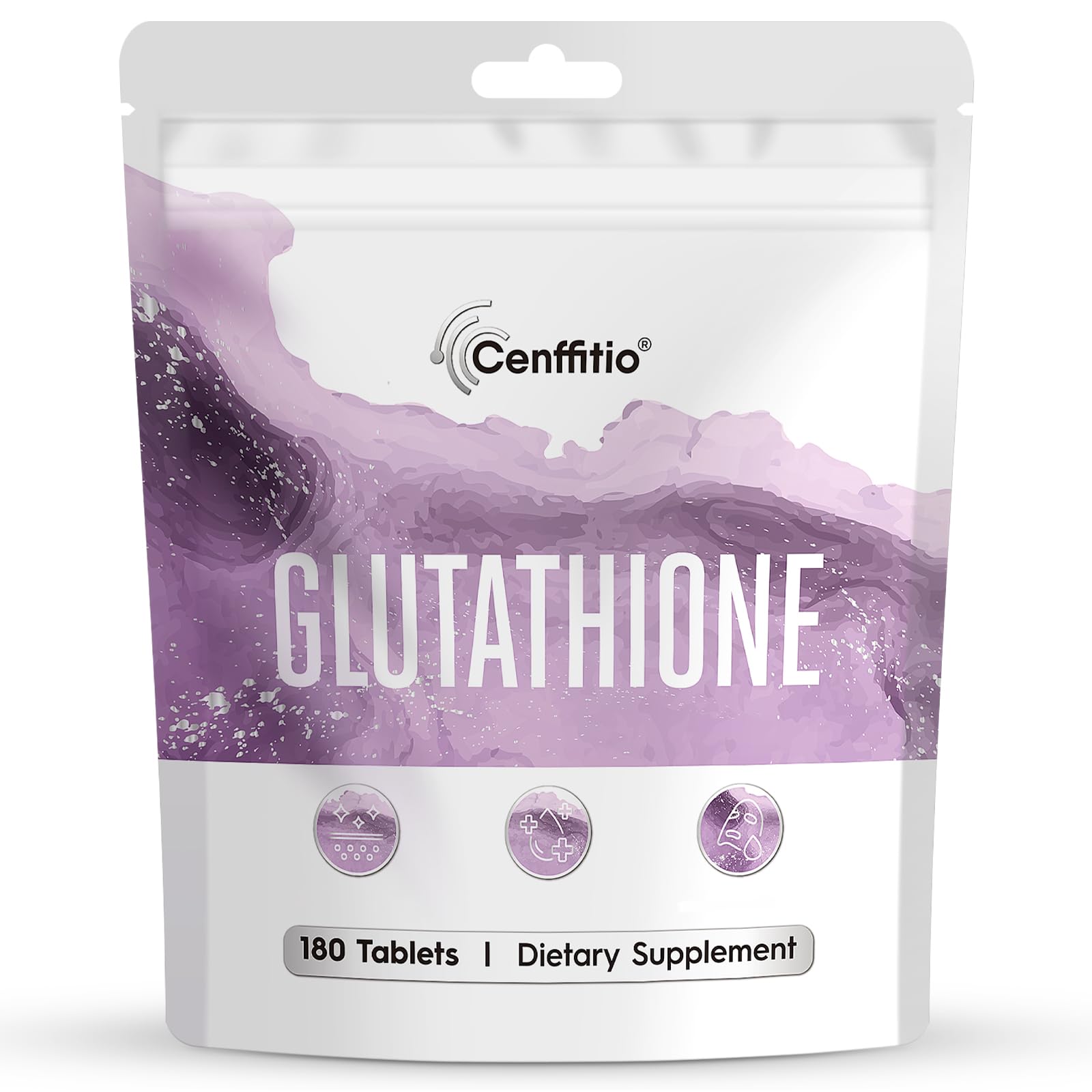


What Antioxidant Means on a Label
Antioxidants are substances that can neutralise unstable molecules called free radicals in laboratory tests. The body makes some of its own, and food provides many more, especially fruit, vegetables, nuts, and whole grains. A tablet labelled as antioxidant may contain one compound or a blend, and the dose of each compound matters more than the word on the front of the pack.
Because the term is broad, two products with the same headline claim can be entirely different inside. One may be based on vitamin C, another on vitamin E, and a third on a plant extract with a small dose of several ingredients. Always turn the pack over and read the full ingredient list with amounts per tablet, and be wary of blends that list many ingredients in tiny amounts.
Common Ingredients and How They Differ
Vitamin C is the most familiar antioxidant ingredient, and it is also found in citrus fruit, peppers, and broccoli. Vitamin E appears in several forms, and the form listed on the label affects how the body handles it. Selenium is a mineral needed in small amounts, and more is not better, since high doses over time can cause harm. Plant extracts such as green tea or grape seed add further variety, but their active content varies by source and processing.
Some products combine antioxidants with other vitamins or minerals, which can be convenient but also makes it harder to judge what you are actually taking. If you already take a multivitamin, check for overlap before adding a second product, since doubling up on fat soluble vitamins or minerals can push intake above sensible levels. A pharmacist can help you add up total daily amounts across all your products.
Setting Realistic Expectations
Marketing often links antioxidants with ageing, skin, energy, or immunity, but the evidence for supplements in generally healthy people is mixed and modest. Eating a varied diet rich in plant foods gives you antioxidants together with fibre and other nutrients that a tablet cannot copy. A supplement may fill a gap if your diet is limited, but it will not replace meals, movement, sleep, or sun protection.
Be sceptical of claims about detox, cleansing, or reversing ageing. Regulators allow only certain wording on supplement labels, and dramatic promises usually sit in advertising rather than on the approved label. If a claim sounds too strong to be true, it probably is. Focus instead on whether the product suits your diet, your budget, and your health situation.
Dose, Form, and Value for Money
Tablets, capsules, and effervescent forms all deliver ingredients differently, and absorption depends on the compound and whether you take it with food. Some ingredients absorb better with a meal containing a little fat, while others are fine on an empty stomach. The label directions usually explain this, so follow them rather than guessing.
Compare price per daily dose, not price per pack, since serving sizes differ. A bottle of 30 tablets taken twice daily lasts half as long as a bottle of 60 taken once daily. Check the expiry date and buy only what you will use in time, since potency can fall after expiry and old stock is wasted money. Store supplements away from heat and moisture, and keep them out of reach of children.
Safety Checks Before You Buy
Tell a pharmacist about every medicine you take, since supplements can interact with blood thinners, chemotherapy, thyroid medicine, and other treatments. High dose vitamin E, for example, needs care for people on blood thinning medicine, and some herbal extracts affect the liver or blood pressure. Pregnancy, breastfeeding, and childhood all call for extra caution, and many products are not labelled for those groups.
Look for products from makers who follow recognised quality standards and who print a full ingredient list with amounts. Avoid products sold only through vague online listings with no maker address and no batch information. If you notice unusual symptoms after starting a supplement, stop taking it and seek advice, and bring the pack so the professional can see exactly what you took.
How to Choose the Best Antioxidant Tablets
Start with your diet. If you eat plenty of fruit and vegetables most days, a supplement may add little. If your diet is restricted by allergy, illness, or personal choice, note the gaps and discuss them with a clinician or dietitian rather than buying a broad blend on impulse. A targeted product chosen for a real gap beats a long list of ingredients in tiny doses.
Set a review date when you start any supplement, such as eight weeks later, and judge it by how you feel and by any lab results your clinician tracks. If nothing has changed, stopping is a reasonable choice. Supplements should earn their place in your routine and your budget, and a product that does nothing measurable is money better spent on good food.
If skin is your main interest, our guide to the best antioxidant tablets for skin explains how skin related claims are worded and why sun protection and diet matter more than any tablet.
Readers shopping in India can compare local availability and labelling in our guide to the best antioxidant tablets india, which covers pack sizes and quality checks for that market.
Frequently Asked Questions
Do antioxidant tablets slow ageing?
No tablet has been shown to slow ageing in a general sense, and ageing involves many factors including genes, sun exposure, smoking, sleep, and diet. Antioxidants from food are linked with better health patterns, but trials of supplements in healthy people have given mixed results. A varied diet, sun protection, not smoking, and regular movement matter far more than any single tablet. Talk with a clinician before spending money on anti ageing claims.
Can I take antioxidant tablets with prescription medicine?
Some supplements interact with prescription medicines, so check with a pharmacist first and bring a list of everything you take. Vitamin E in high doses can affect blood clotting, and some herbal extracts change how the liver processes medicines. Never stop a prescribed medicine to make room for a supplement, and never assume a natural label means no interaction. A pharmacist can check your specific combination in minutes.
Is it better to get antioxidants from food or tablets?
Food is usually the better source, because fruit and vegetables provide antioxidants together with fibre, water, and many other nutrients. Tablets can help when diet is limited by illness, allergy, or access, but they do not copy the full mix found in whole foods. Aim for colourful plant foods across the week first, and use a supplement only to fill a gap you have actually identified with professional advice.
How long should I take an antioxidant supplement?
There is no single answer, since it depends on why you started and what your clinician advises. Some people take a product for a defined period, such as through winter, while others use one long term for a diagnosed need. Set a review date when you start, note any changes, and stop or change course if there is no clear benefit. Long term high dose use deserves periodic professional review.
Are antioxidant tablets safe for everyone?
Most products at label doses are tolerated by healthy adults, but safety varies by ingredient, dose, and personal health. High doses of certain vitamins and minerals can cause harm over time, and some extracts are unsuitable during pregnancy or with liver disease. Children should only take products labelled for their age group and approved by a clinician. When in doubt, ask a pharmacist and bring the pack with you.
Final Thoughts
The sensible way to shop is to read the full ingredient list, compare doses rather than headlines, and check for overlap with anything you already take. A short list of ingredients at sensible doses from a transparent maker beats a long list of exotic names in tiny amounts. Price per daily dose, expiry dates, and storage all matter too.
Use the product table above to compare formats and ingredient groups, then confirm your shortlist with a pharmacist, especially if you take prescription medicine. Food comes first, supplements fill gaps, and professional advice protects you from interactions and wasted money. That order keeps a simple purchase sensible rather than speculative.
Use this guide when you compare the best antioxidant tablets in the table, and let fit, features and honest needs guide the final call.


