
Best Antifreeze for Toilets in 2026: Types Compared and How to Choose
Disclosure: We may earn a commission when you buy through links on this page, at no extra cost to you. As an Amazon Associate I earn from qualifying purchases. Learn more

Compare propylene glycol types, burst ratings and amounts per bowl and tank, so you can choose antifreeze for toilets that protects traps all winter.
A toilet cracks in winter for a simple reason. Water sits in the bowl, trap and tank, and it expands as it freezes. Choosing the best antifreeze for toilets means picking a nontoxic plumbing formula that replaces that water and stays protective at your lowest expected temperature. This guide compares types and amounts so you can use the comparison table below with a clear plan.
Your setting shapes the choice. An RV toilet with a holding tank, a cabin toilet on a septic system and a toilet in a vacant house on city sewer differ in volume, disposal and how long the building will sit empty. The sections below match each setting to chemistry, strength and a careful pouring routine.
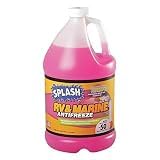

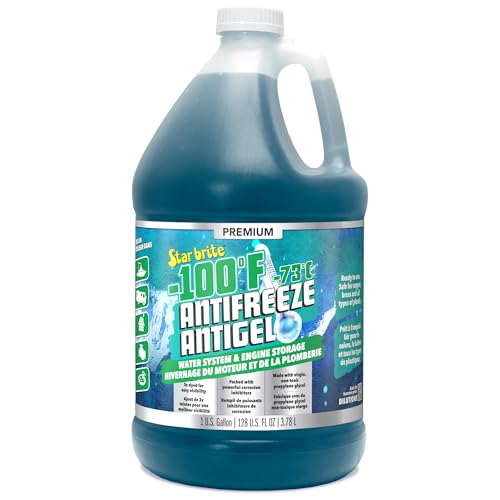
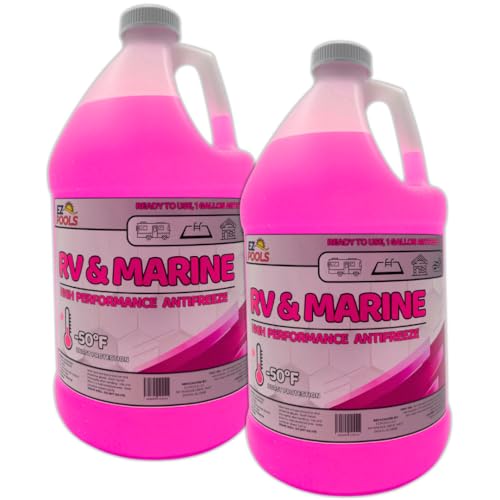
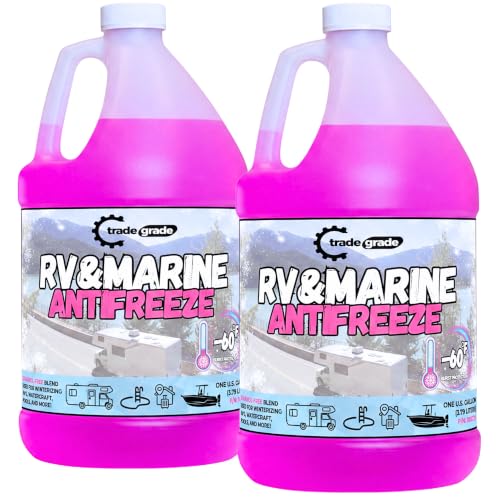


Who Should Buy Toilet Antifreeze?
Buy plumbing antifreeze if a toilet will sit in a space that can drop below freezing while water remains in the fixture. Heat left low is no guarantee, because a power outage can leave pipes and porcelain exposed within hours.
RV and Camper Owners Parking for Winter
You drain the fresh water system each fall, and the toilet is one of the last places where plain water hides. Choose a propylene glycol formula that the label clears for RV plumbing and holding tanks. Plan about 1 gallon per toilet when you also fill the empty tank, and keep an extra bottle for sink and shower traps.
Cabin and Vacation Owners
You may close the property for months and visit rarely, so protection has to last without checks. Choose the strongest burst rating you can find and write the date and product name on tape on the tank lid. If you are also comparing fixtures for a remodel, see our guide to the best ranked toilets for models that suit a seasonal bathroom.
Landlords Managing Vacant Homes
You protect toilets in homes that sit empty between tenants, often with the water already shut off. A premixed formula suits your work because there is no dilution step to get wrong across several properties. Keep a log for each address noting how much you poured in, so the spring crew knows what to flush out.
Key Features to Compare
Labels look alike, yet small differences decide whether a trap stays safe in a hard cold snap. When you shop for the best antifreeze for toilets, compare the five points below before price per gallon.
Chemistry That Is Safe Around Household Plumbing
Toilet antifreeze for winterizing is almost always based on propylene glycol, a nontoxic ingredient colored pink so you can see where it has reached. Automotive antifreeze is based on ethylene glycol, which is toxic, and must never go into a toilet, septic system or holding tank. If a child or pet swallows any antifreeze, or an adult feels ill after contact, call poison control or a doctor or veterinarian promptly, and talk with your clinician about exposure worries.
Burst Protection Temperature Rating
The rating tells you the temperature at which pipes are protected from bursting, often minus 50 degrees Fahrenheit for standard RV formulas. Burst protection is not the point where the liquid turns slushy, because propylene glycol thickens in cold weather without expanding with the force that cracks porcelain. If your region falls below the rating on a basic jug, choose a stronger formula rated below your coldest nights.
Premixed Strength Versus Concentrate
Premixed antifreeze goes straight from the jug into the tank and bowl, so the strength you pour is the strength on the label. Concentrates cost less per toilet, but you must mix them exactly as directed, because a weak mix loses protection fast as temperatures fall. For one or two toilets, premixed convenience usually wins. For many rental homes, a concentrate with careful measuring can make sense.
Compatibility With Septic Tanks, Pipes and Seals
Propylene glycol breaks down in a septic tank and is widely accepted for winterizing septic homes in normal amounts. Some cheaper blends contain ethanol, which can dry rubber seals and flappers over a long season and carries a stronger odor. Check the label for statements about plastic pipe, PVC fittings and rubber parts. When a label stays vague on seals, pick a pure propylene glycol formula.
Amount You Need for the Tank, Bowl and Trap
Plan on about 1 gallon per toilet for a full job covering an emptied tank plus the bowl and its built in trap. A toilet that only needs trap protection uses far less, often about 2 to 3 cups poured slowly into the bowl. Buying extra is wise, because running short leaves one fixture unprotected. Leftover sealed jugs keep well for next season if stored upright, capped.
Toilet Antifreeze Types Compared
Three broad types cover nearly every job. They differ in effort, cost and how they treat seals during months of sitting.
Premixed propylene glycol is the default choice for most homes. It costs about $5 to $10 per gallon, needs no measuring and gives rated protection as poured. Concentrates lower cost per toilet for many fixtures, but add a mixing step and risk of error. Ethanol blends are usually cheapest, yet they can dry rubber parts, evaporate faster and smell stronger, so they suit short closures better.
Price alone is a poor guide. A cracked bowl or tank costs far more than the dollars saved on a weaker jug, and replacement often means new supply lines and a wax ring. When stocking up for a bathroom closure, also check tools nearby, such as the best toilet plungers, so a spring blockage does not meet an empty closet.
How to Winterize a Toilet With Antifreeze
Good results depend more on removing water first than on the brand you pour. Work through these steps in order.
- Shut off the supply valve behind the toilet and flush until the tank empties.
- Hold the handle down to drain the rim, then sponge remaining tank water into a bucket so little is left to dilute your pour.
- Plunge the bowl gently to push water through the trap, then sponge out what remains.
- Pour antifreeze into the empty tank until it covers the bottom and reaches the flush valve, using part of your planned 1 gallon.
- Flush once so antifreeze moves through the rim into the bowl, then pour the rest slowly into the bowl until the trap holds a steady level.
- Mark the date on tape on the lid and leave a note that the toilet must not be flushed.
Before you start, clear old cleaner residue from the bowl so you can see the pink color as it fills the trap. For safe scrubbing products for that prep work, see our guide to the best for cleaning toilets.
Common Mistakes to Avoid
Most winter damage traces back to these errors, not a weak product.
- Pouring antifreeze into a full bowl dilutes it and cuts protection sharply.
- Using automotive antifreeze poisons septic systems and endangers people and pets.
- Protecting the bowl but skipping the tank leaves the flush valve full of plain water.
- Guessing at a concentrate mix gives you strength far below the label promise.
- Flushing a winterized toilet during a visit empties the trap and leaves it exposed.
- Storing opened jugs without caps lets the liquid pick up dirt from a garage floor.
Storage, Handling and Spring Cleanup for Toilet Antifreeze
Store sealed jugs upright in a cool place away from food and sun, out of reach of children and pets even though plumbing formulas are nontoxic. Wipe spills at once, because the pink liquid can stain pale grout and vinyl if it sits. Never transfer antifreeze into a drink bottle, because the sweet taste and bright color can mislead a child.
In spring, flush each toilet repeatedly after the water returns so diluted antifreeze clears the trap. Septic homes can flush normally, since amounts are small. If local rules restrict disposal, check with your city waste office before pouring leftovers into a drain.
FAQ
How much antifreeze does one toilet need for winter?
One toilet needs about 1 gallon for a full job covering the emptied tank, bowl and trap. Other fixtures share the same drain run, so pour a cup into each sink and shower trap nearby. An unprotected sink trap can freeze and crack even when the toilet is safe.
Can automotive antifreeze be used in a toilet trap?
No, automotive antifreeze must never be used in a toilet trap. Its ethylene glycol base is toxic to people, pets and septic bacteria, and it is made for closed engine systems only. Even a small amount creates a disposal problem for the whole tank. Use only plumbing antifreeze labeled for winterizing.
Does toilet antifreeze still work if the bowl looks slushy in deep cold?
Yes, toilet antifreeze can still protect a bowl when the surface looks slushy in deep cold. Propylene glycol thickens and partly freezes without expanding hard, and that soft state is what the burst rating assumes. Worry only if the liquid feels solid throughout and the room has fallen far below the jug rating for days.
When should toilet antifreeze be flushed out in spring?
Flush toilet antifreeze out once the building will stay above freezing and the water is back on. Flush three or four times, then check that the fill valve shuts off cleanly after a winter of sitting. A valve that still runs after a week often needs a new flapper, not more flushing.
Can toilet antifreeze be saved and reused the next winter?
Reusing toilet antifreeze is not a good plan, even when it still looks pink. After months in a bowl it is diluted by condensation and mixed with cleaner residue, so its strength is unknown. Fresh product costs little compared with a cracked fixture. Seal unused antifreeze from an opened jug and use that first next fall.
Final Thoughts
Match chemistry first, burst rating second and amount third, and most winterizing jobs become routine. Propylene glycol poured into a toilet drained and sponged nearly dry protects the tank, bowl and trap through long cold spells. Use the product table above to compare ratings and jug sizes against your toilet count.
When you choose the best antifreeze for toilets for your RV, cabin or vacant home, buy a little extra and label each finished fixture. That habit turns a spring reopening into a quick flush and check rather than a repair call.


