Best Ankle Boots for Wide Ankles for 2026: A Practical Spending Guide
Disclosure: We may earn a commission when you buy through links on this page, at no extra cost to you. As an Amazon Associate I earn from qualifying purchases. Learn more

Best ankle boots for wide ankles start with the right ankle opening. Compare fit, support, and price tiers before you buy.
Shopping for ankle boots can be frustrating when the foot fits but the ankle opening pinches, rubs, or refuses to close. This guide to best ankle boots for wide ankles explains how to judge fit around the ankle, which features are worth paying for, and what each price tier usually delivers, so you can spend with confidence. Check the product table for a quick side by side view before you read on.
Prices vary widely, and a higher price does not always mean a better fit for your ankle. The sections that follow break down spending levels, fit checks, and long term costs, so you can decide where your money makes the most difference and where it does not.
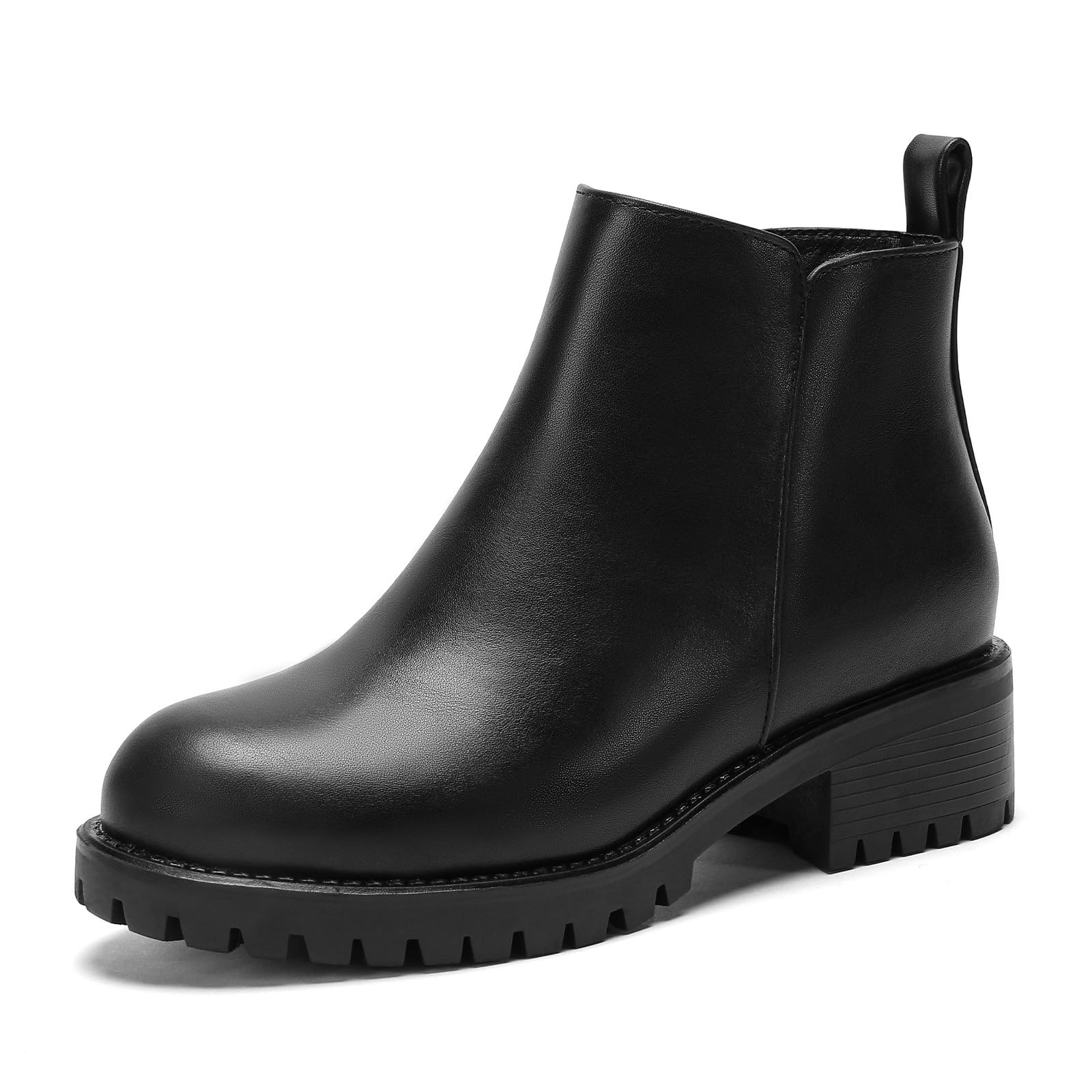
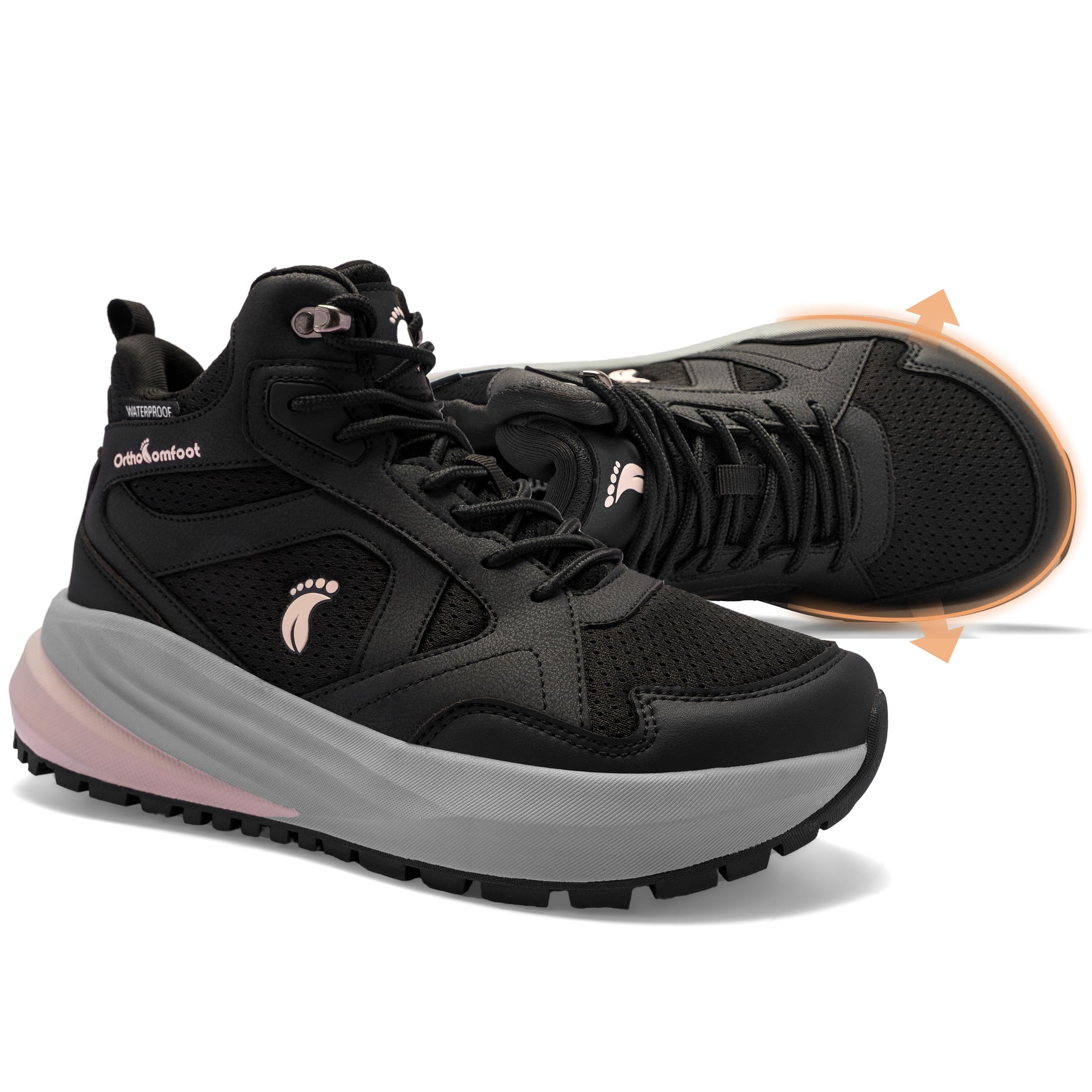
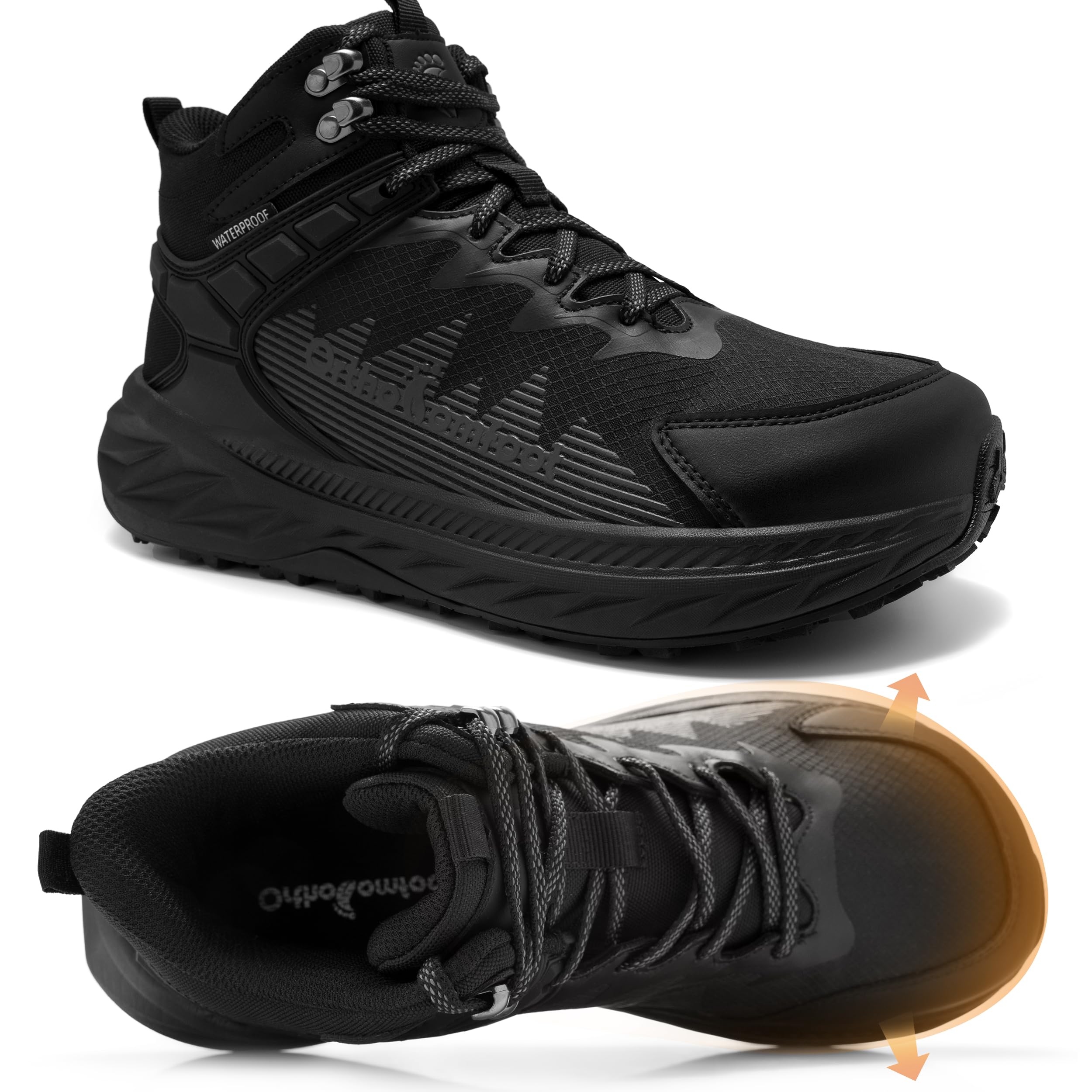

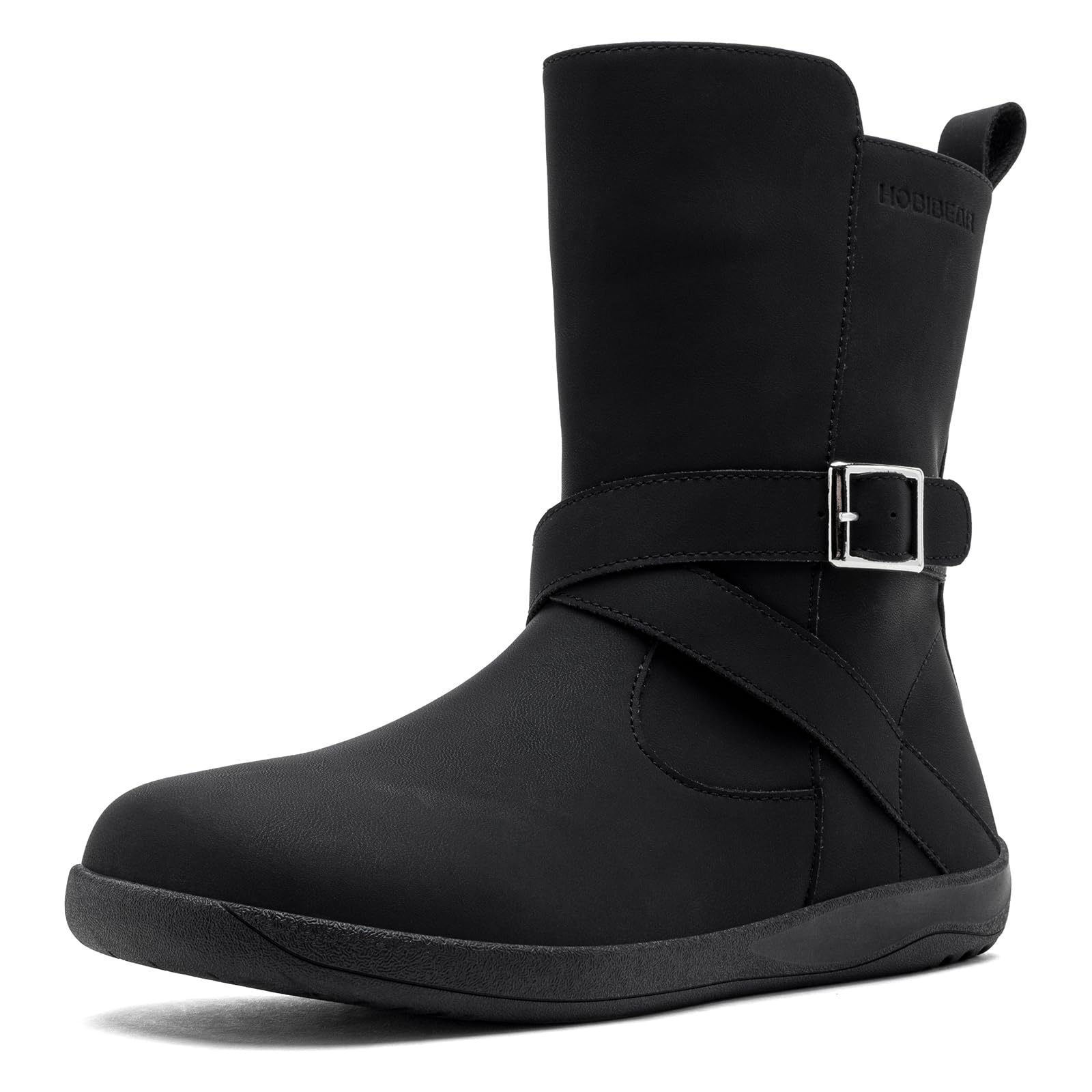
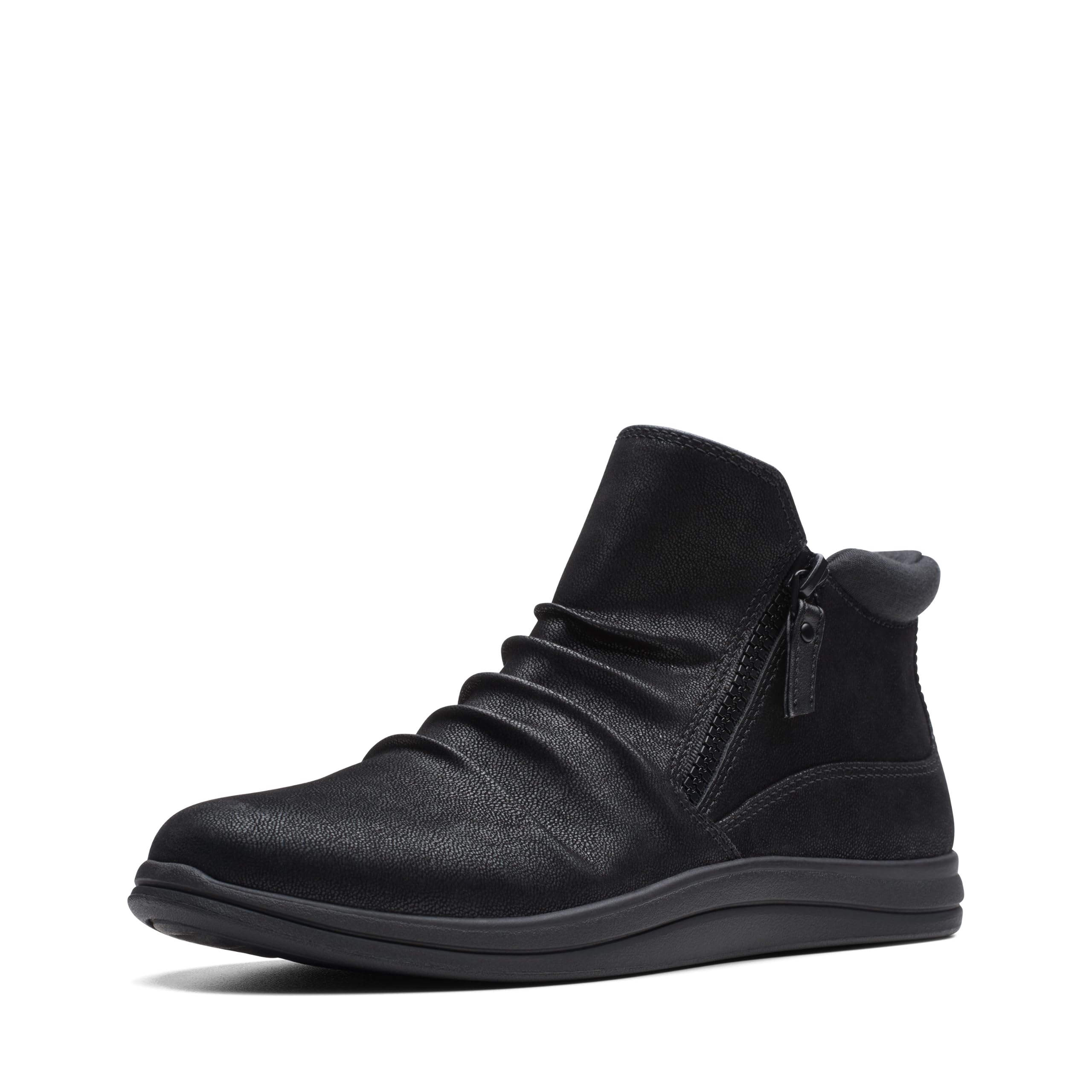
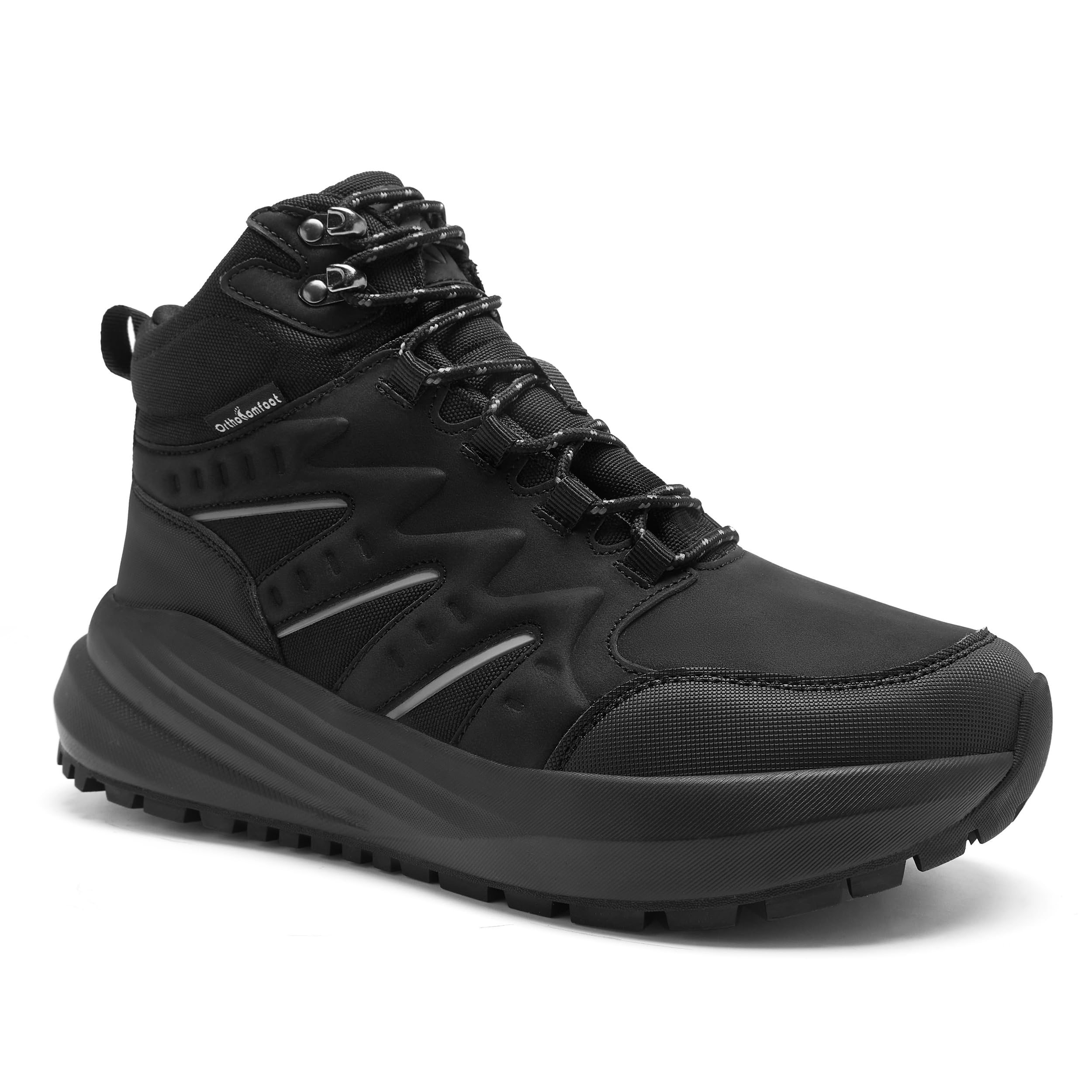
Spending Levels at a Glance
Instead of naming individual products, this section looks at what you generally get at three spending levels. Use it as a starting point, then check the fit details in the sections below, because fit around a wider ankle matters more than any single feature on a feature list.
Everyday Value Level
At the everyday value level, expect simple construction, basic cushioning, and a limited range of width options. Some pairs include an elastic side panel or a slightly wider opening, but adjustability is often limited to laces. These boots can work well for occasional wear and mild weather, especially if you find a pair with a roomy ankle collar. Check the return policy before ordering, since ankle fit is hard to judge from photos alone.
Comfort Focused Middle Level
The middle level usually adds better insoles, softer linings, and more thoughtful ankle design, such as a gusseted tongue, a side zip with stretch, or an adjustable strap. You may also find more half sizes and wider width options at this level. For daily wear, this level often gives the best balance of comfort and cost, because the extra money goes into fit features you will notice every day rather than into decoration.
Premium Build Level
At the premium level, expect fuller grain leather or higher grade synthetics, sturdier stitching, and insoles that can be replaced. Some premium pairs offer a wider ankle last, which is the foot shaped form the boot is built around, plus better waterproofing and resoling options. Pay this much only if you wear boots daily, walk long distances, or need a pair that will last several seasons with care.
What Your Money Gets You at Each Price Tier
Price tiers tell you about materials and construction, but they do not guarantee ankle fit. A budget pair with a stretch panel can fit better than a premium pair built on a narrow last. Read each tier below for what is typical, what trade offs to expect, and who each tier suits best.
Budget Tier: What to Expect
Budget boots, about $40 to $80, usually use man made uppers, simple foam insoles, and cemented soles that are glued rather than stitched. They are light and easy to find, but the ankle opening may be stiff at first and the insole may flatten sooner. Budget boots suit occasional wear, light errands, and trying a style before you commit to a pricier pair.
Middle Tier: A Solid Choice for Most Buyers
Middle tier boots, about $80 to $160, often add cushioned collars, better arch support, and water resistant finishes. You are more likely to find wide widths, removable insoles, and adjustable closures at this level. This tier suits daily wearers who want comfort without paying for premium leather or resoling, and it is where most buyers with wider ankles find the best fit options.
Premium Tier: When Spending More Pays Off
Premium boots, about $160 to $300, tend to use higher quality leather, stitched soles, and insoles that hold their shape longer. Some can be resoled, which spreads the cost over more years. Spending more pays off mainly for daily wear, harsh weather, or long walks, where durability and a well shaped ankle last matter most. It does not pay off if the last itself is narrow, so always check ankle measurements first.
Features Worth Paying For in the Best Ankle Boots for Wide Ankles (and Ones to Skip)
Not every feature helps a wider ankle. The features below are the ones that most often change comfort, plus a few that sound useful but add little for this fit need.
Fit, Sizing, and Toe Box
Measure your feet in the afternoon, when feet are slightly larger, and measure around the ankle as well as foot length and width. A roomy toe box lets toes spread naturally, while a too narrow toe box can push the foot forward and make the ankle feel tighter. If you are between sizes, check whether the maker suggests sizing up for a wider fit, and try boots with the socks you will actually wear.
Arch Support and Foot Type
Flat feet, high arches, and overpronation, where the foot rolls inward, all change how a boot feels around the ankle. A supportive insole can keep the foot centered so the ankle collar sits evenly instead of pressing on one side. Removable insoles are worth paying for, because they let you swap in an insole that matches your arch. If you have persistent foot pain, numbness, or swelling, talk with a doctor about what support suits you before relying on any boot feature.
Waterproofing
Waterproof membranes keep rain out but can reduce breathability, so feet may feel warmer on mild days. For wet commutes and muddy paths, a membrane is worth the cost. For mostly indoor wear, a water resistant finish is often enough and keeps the boot lighter and cooler. Check whether the membrane covers the full boot or only the lower part, since water can still enter through the ankle opening in heavy rain.
Features That Matter for Wide Ankles
For wider ankles, the details that matter most are ankle circumference, opening shape, and adjustability. Look for a wide or stretch ankle collar, an elastic gusset beside a zip, laces that run high enough to adjust the ankle area, or a strap that lets you fine tune fit. A boot with a rigid, narrow collar and no give will pinch no matter how soft the leather feels elsewhere. Also check the shaft height: a slightly lower shaft can reduce pressure on a fuller ankle, while a taller shaft may need a wider opening to close comfortably.
Long Term Costs to Factor In
Beyond the purchase price, budget for replacement insoles, waterproofing spray, and occasional resoling if your boots allow it. Cheaper soles wear faster on pavement, and a flattened insole can change ankle alignment over time. A pair with replaceable insoles and a stitched sole often costs less per year than a cheaper pair replaced every season, so weigh total ownership cost, not just the sticker price.
Common Mistakes to Avoid
- Judging fit by foot length alone, which ignores ankle circumference and can lead to a collar that will not close.
- Assuming a wide width label guarantees a wide ankle opening, when some wide boots only widen the forefoot.
- Skipping a walk around the house in the boots, which can hide pressure points that appear after a few minutes of movement.
- Choosing a stiff shaft for style, which can rub a fuller ankle raw during the break in period.
- Forgetting to check the return policy, which matters when ankle fit cannot be judged from a size chart alone.
How to Make Your Ankle Boots Last Longer
Rotate between two pairs when possible, so each pair dries fully between wears. Clean off mud promptly, condition leather as the maker directs, and let boots air dry away from direct heat, which can stiffen the collar. Replace worn insoles before they flatten, and check laces, zips, and stitching around the ankle regularly for early wear.
Ankle Boots for Wide Ankles: Your Questions Answered
What features matter most in ankle boots for wide ankles?
Ankle circumference, opening shape, and adjustability matter most. Look for a stretch collar, an elastic gusset, laces that adjust the ankle area, or a strap for fine tuning. A roomy toe box and a removable insole also help, because they keep the foot centered so the collar sits evenly. Try boots with your usual socks and walk indoors for several minutes before deciding, since pressure points often appear only after movement.
Are expensive ankle boots worth it?
Expensive boots are worth it mainly for daily wear, harsh weather, or long walks, where better materials and stitched soles last longer. For occasional wear, a well fitting mid priced pair often feels just as comfortable. Price alone does not guarantee ankle fit, so check the ankle opening and last shape before paying more. A premium pair built on a narrow last will still pinch, while a cheaper pair with a stretch panel may fit better.
How often should I replace my ankle boots?
Most ankle boots last one to three years with regular wear, depending on sole quality, weather, and how often you wear them. Replace them when the sole wears unevenly, the insole no longer springs back, or the collar loses its shape and starts rubbing. Rotating pairs and replacing insoles can extend life, but a collapsed ankle collar is a sign the boot no longer supports your ankle properly and should be replaced.
Do I need waterproof shoes?
You need waterproof boots if you regularly walk in rain, snow, or mud, since wet feet chill quickly and leather can stiffen when soaked. For mostly dry, indoor wear, a water resistant finish is usually enough and keeps the boot more breathable. Note that waterproofing does not widen the ankle opening, so still check fit separately. If you do choose a membrane boot, expect slightly warmer feet on mild days as a trade off.
How should ankle boots fit?
Ankle boots should feel snug but not tight around the ankle, with no pinching when you flex your foot or walk. Your toes should have room to wiggle, your heel should not lift much with each step, and the collar should close without forcing a zip or strap. Try both boots, walk on a hard floor, and check for red marks after a few minutes. Mild tightness may ease as leather softens, but sharp pressure rarely improves and is a reason to try another size or style.
Final Thoughts
Focus first on ankle circumference, opening shape, and adjustability, then on materials and price tier. The middle tier often gives the best value for daily wear, while premium boots pay off for heavy use and resoling. Before you order, measure your ankle, check the return policy, and use the product table to compare types. With those checks, best ankle boots for wide ankles becomes a practical shortlist rather than a guessing game, and you are far more likely to end up with a pair you actually enjoy wearing.
If you want to compare nearby options, see our guide to best sandals for wide ankles for warmer weather, our guide to best ski boots for wide ankles for snow sports, and our guide to best ankle boots for wide calves if calf fit matters too. For a broader view, see our guide to best ankle boots and our guide to best wide boots.