
Best Anti Slip Snow Boots 2026: Every Type Explained Side by Side
Disclosure: We may earn a commission when you buy through links on this page, at no extra cost to you. As an Amazon Associate I earn from qualifying purchases. Learn more

Compare the best anti slip snow boots by type, including pros, cons, ideal users, and price range, to choose the right style for your snow.
Snow boots all promise grip, yet the shelves mix tall pac boots, short slip on styles, and light hikers that happen to have lugs. Choosing the best anti slip snow boots starts with the snow you actually walk on, because depth and surface change which type makes sense. The comparison table below lays the main types side by side so the differences are easy to see.
One point deserves plain words before any shopping. Anti slip describes a tread pattern and a rubber compound class, nothing more, and no boot in any class prevents falls. Any listing that promises you cannot slip is making a claim no footwear can keep. Surface decides the tread you need, because deep fresh snow, packed snow on a walked path, and bare ice are three different grip problems.
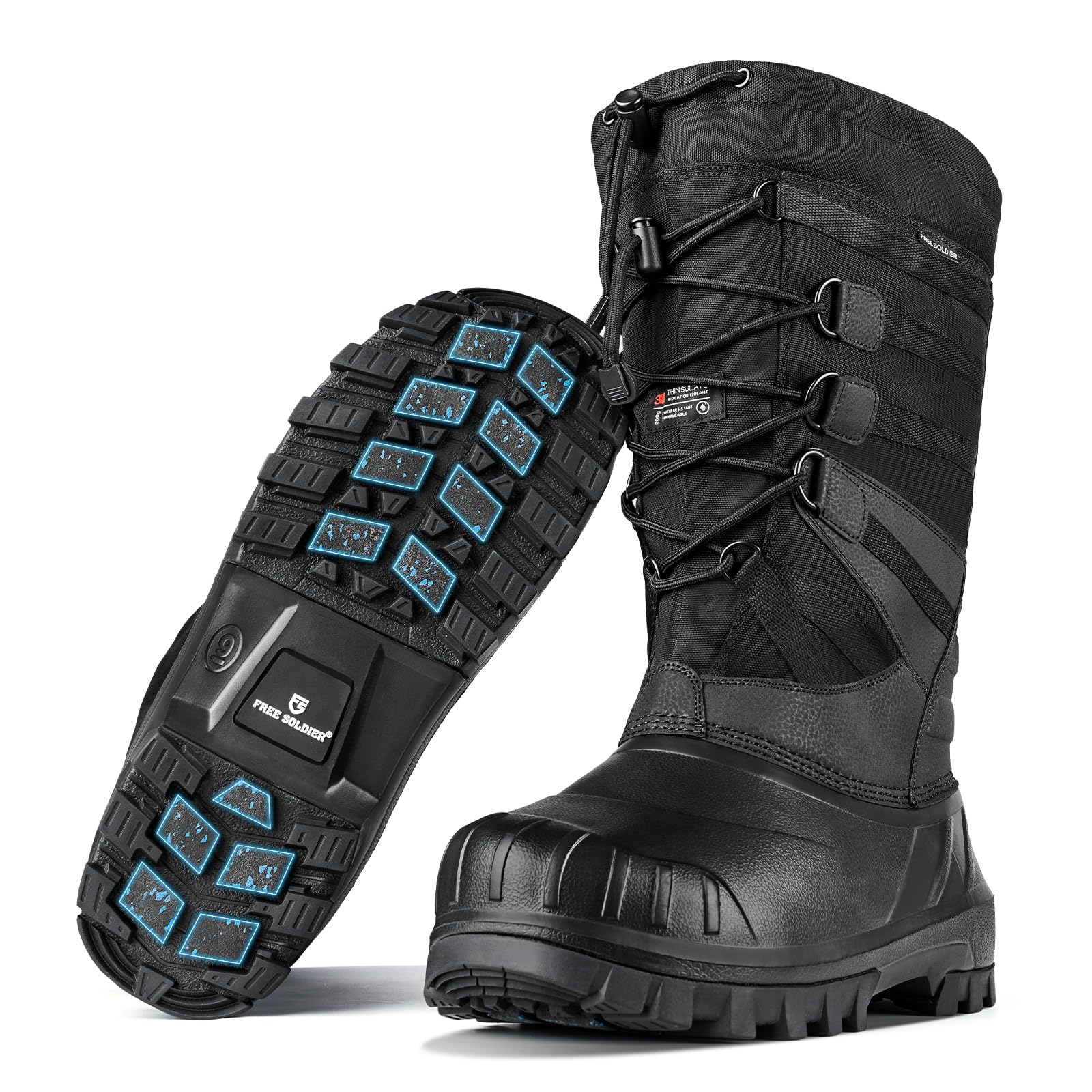
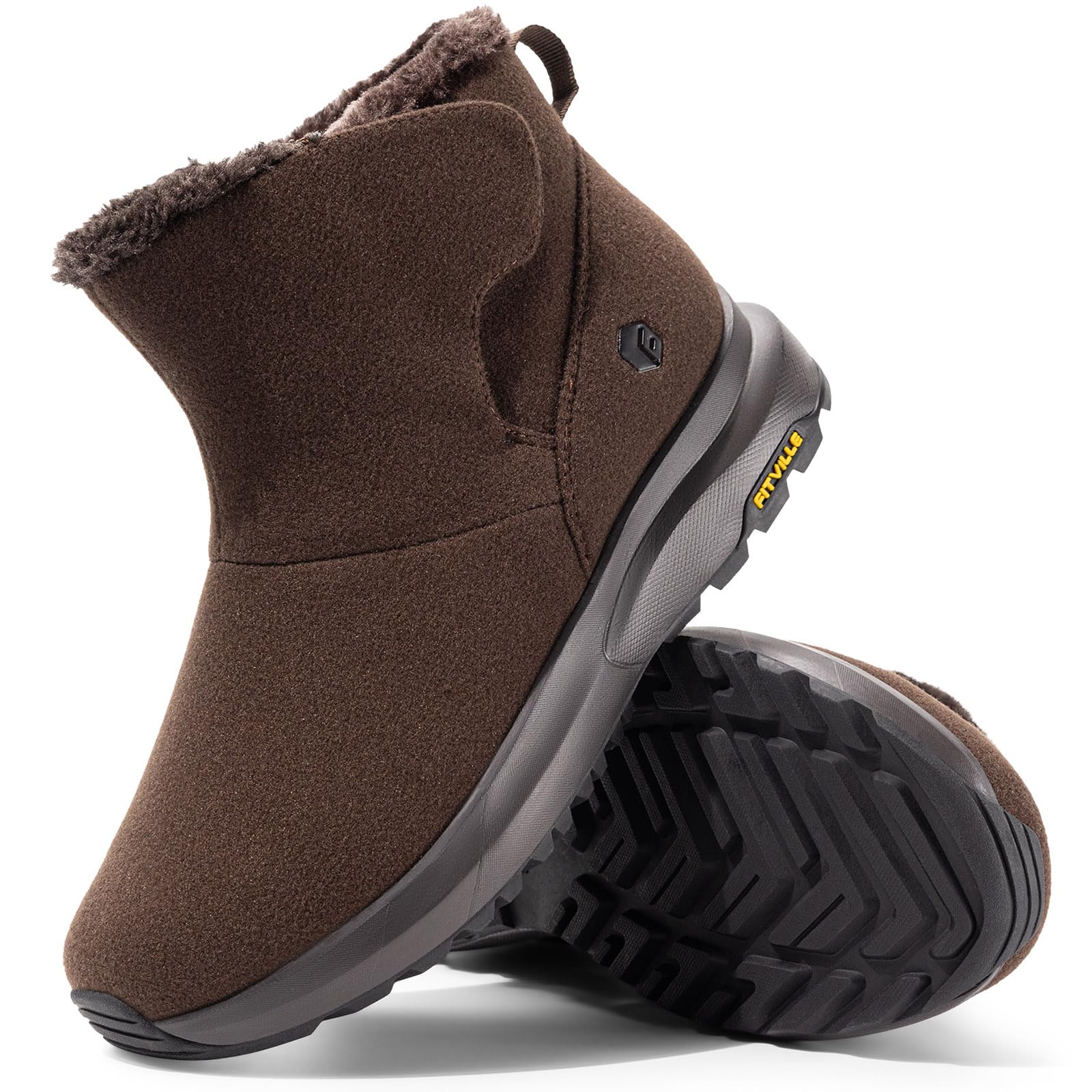
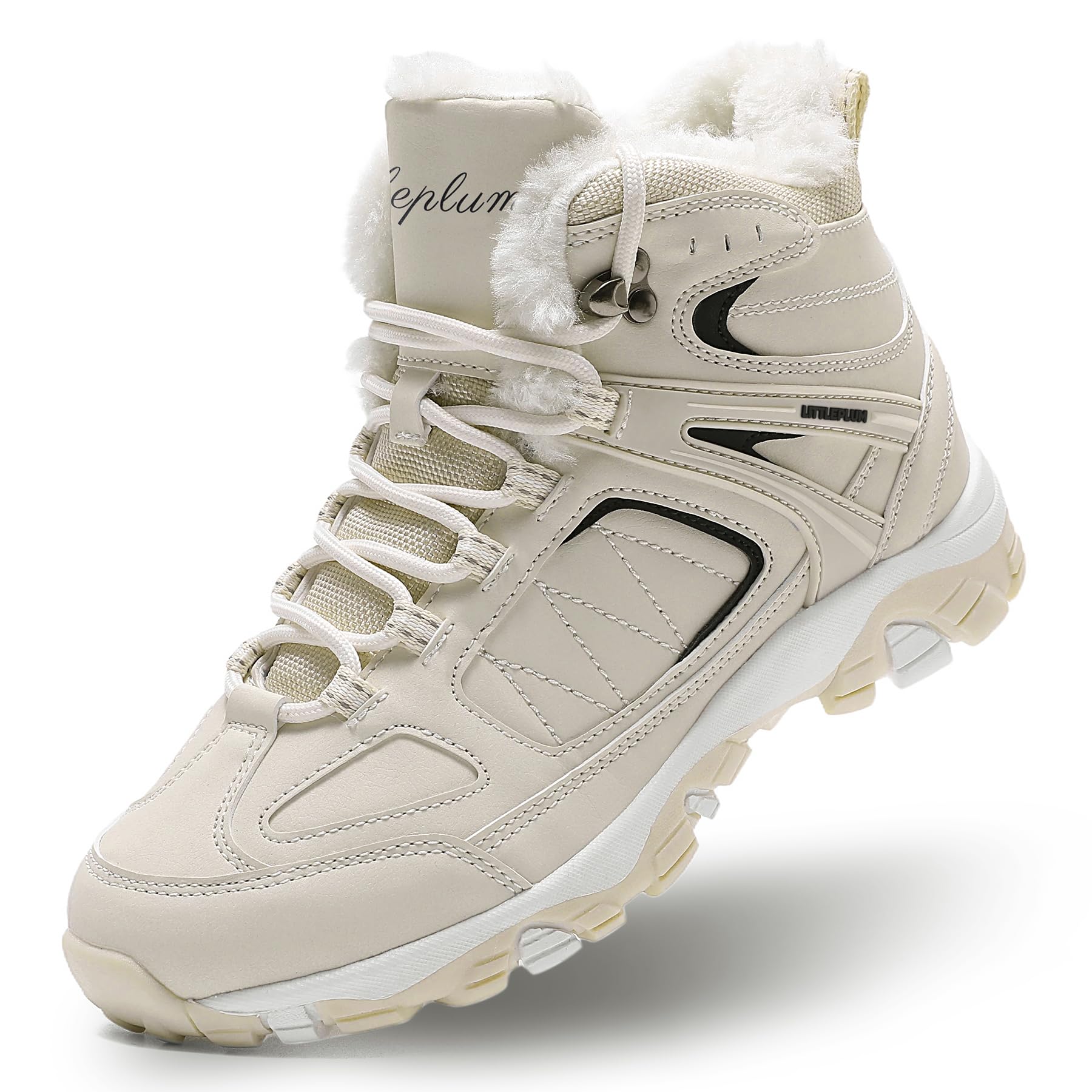
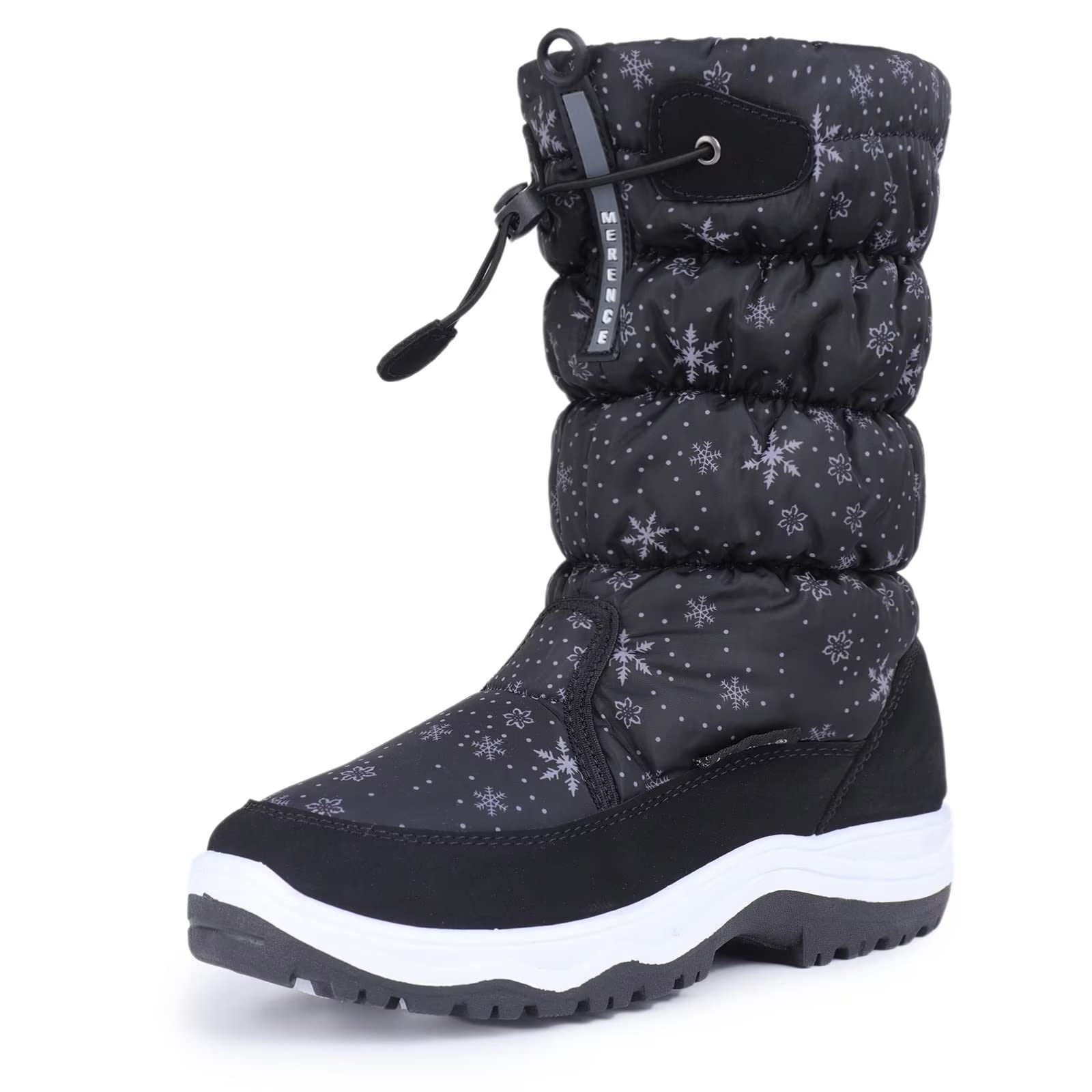


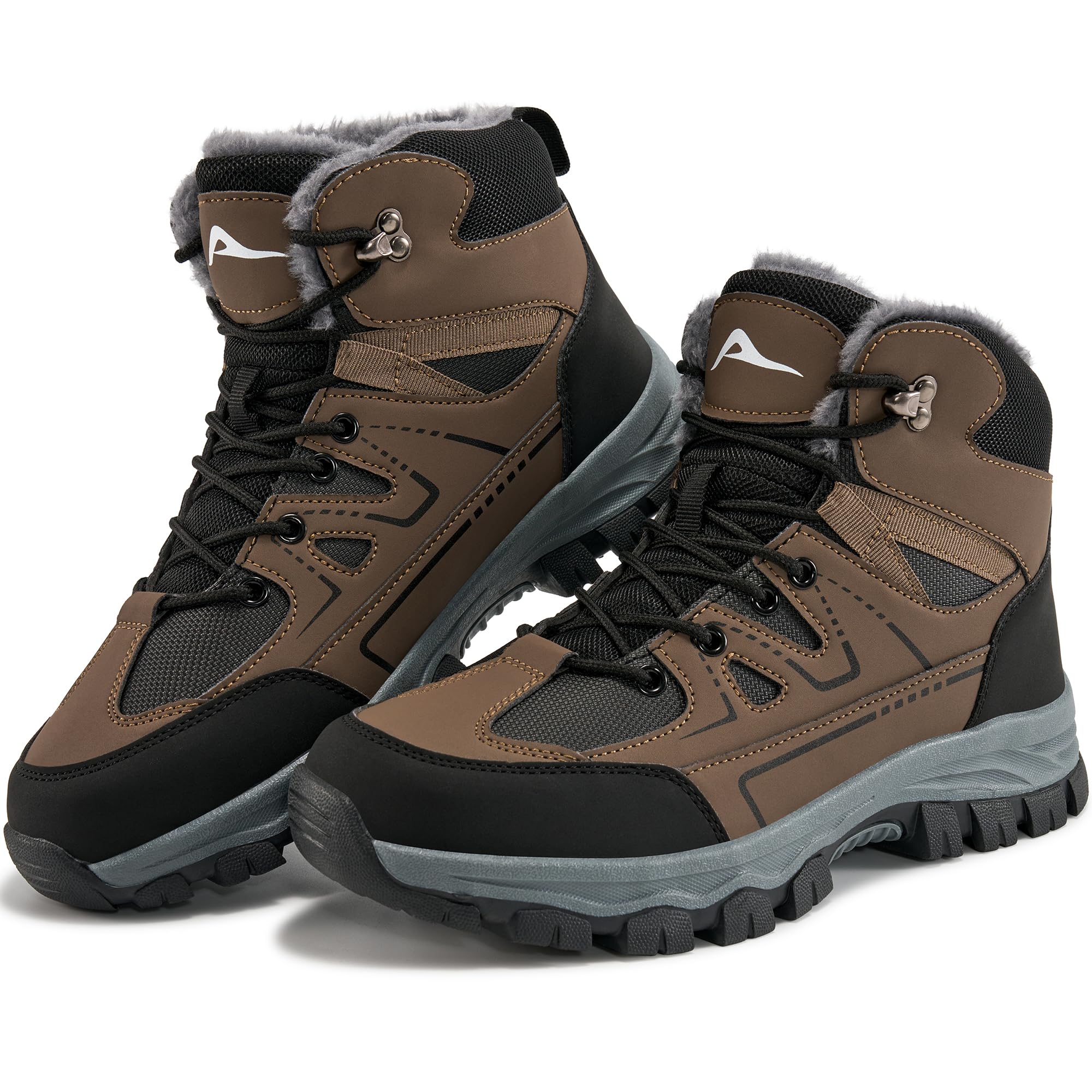


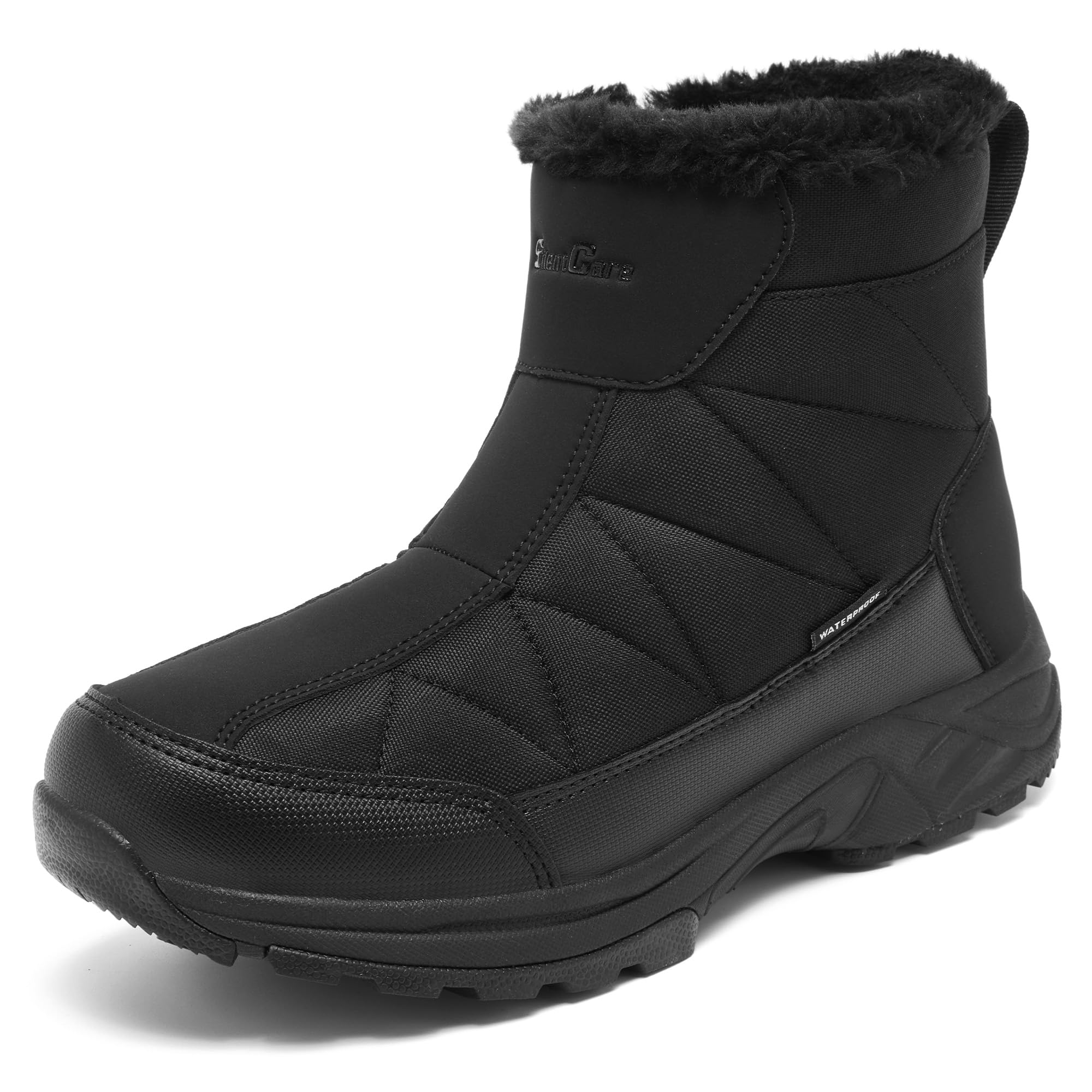
Types of Anti Slip Snow Boots Compared
The four types below cover most snowy routines, from shoveling a drifted driveway to walking a dog on packed side streets. Many of the same styles are also sold as best non slip snow boots, so judge the outsole in front of you rather than the words on the box.
| Type | Best For | Pros | Cons | Typical Price |
|---|---|---|---|---|
| Tall insulated pac boot | Deep snow and long outdoor time | High shaft keeps snow out, heavy insulation | Bulky and warm indoors | About $90 to $160 |
| Lace up boot with deep lugs | Packed snow and uneven ground | Secure fit, strong bite on walked paths | Lacing takes time with gloves on | About $80 to $170 |
| Slip on snow boot | Quick trips and moderate snow | Fast on and off, simple care | Looser heel fit, lower shaft | About $60 to $120 |
| Lightweight insulated boot | Active days and shorter outings | Easy walking, less leg fatigue | Less insulation for standing still | About $70 to $140 |
Tall Insulated Pac Boots
Pac boots pair a rubber lower shell with a fabric or leather upper and a removable felt liner. The tall shaft matters most in this group, because snow deeper than the boot top pours in no matter how good the tread is. Choose this type for plowing, snowshoe trailheads, and any job where you stand in snow rather than walk through it. The trade off is bulk, and your feet may overheat once you come back inside.
Lace Up Boots With Deep Lug Outsoles
On packed snow, the surface left after plows and foot traffic, bite comes from lug depth and spacing. Wide spaced lugs shed snow instead of packing it into a smooth slab under your foot. A lace up fit also locks the heel, which keeps the boot from sliding around your foot on side slopes. This is the most versatile type for mixed routes of packed paths, curbs, and parking lots.
Slip On Snow Boots
Slip on styles trade a snug fit for speed, and for short trips that trade often wins. They suit school runs, mailbox walks, and quick shoveling sessions in moderate snow. Our guide to best slip on snow boots compares closure styles in more depth. Watch the heel fit, because a loose heel lifts with every step and tires your calves on longer walks.
Lightweight Insulated Boots
Light boots use thinner insulation and flexible soles, so they walk more like sturdy shoes. They fit active days, winter hiking on packed trails, and travel where one pair must do everything. Warmth depends on your movement, so standing at a bus stop in bitter wind is their weak spot. If your routine mixes walking with waiting, size up in insulation rather than in weight.
Tall Pac Boots vs Lace Up Boots: Which Should You Choose?
Depth is the first divider when you pick the best anti slip snow boots for your route: snow that regularly passes your ankle belongs to the pac boot, while packed and plowed surfaces belong to the lace up. Fit comes next, since laces adjust around thick socks and pac boots rely on liner volume. Weight favors the lace up on long walks, while warmth while standing still favors the pac. Price overlaps, so let depth and standing time decide.
If your ground is mostly ice rather than snow, the dedicated class in our guide to best anti slip ice boots is the better comparison.
How to Choose the Right Anti Slip Snow Boot
Fit, Sizing, and Toe Box
Try boots late in the day with the socks you will actually wear, because feet swell and winter socks add real volume. You want toes that can wiggle without the heel lifting as you walk. Most buyers land between their shoe size and a half size up. A roomy toe box also traps warm air, which matters more than a tight performance fit in snow.
Reading Lug Depth and Rubber Compound
Soft rubber stays flexible in the cold, while hard compounds turn slick on frozen ground. Look for lugs about 4 to 6 mm deep, angled edges that bite in more than one direction, and siping cuts that flex open on hard surfaces. On cleared dry pavement, where boots feel clumsy, many people switch to best anti slip shoes built for indoor floors and wet tile.
Waterproofing and Membranes
Snow boots shed water two ways: a waterproof membrane inside the upper, or a rubber shell that covers the lower foot. Membranes breathe better on active days, while shells win in slush and puddles. Either way, waterproofing ends at the top of the shaft, so gaiters help in truly deep snow. Dry liners overnight, because damp insulation loses warmth fast.
Durability and Expected Lifespan
Tread wear tells the truth about lifespan: once lugs round off and lose their edges, grip fades even if the upper still looks fine. Seams at the toe and heel take the most flexing and fail first. With regular winter use, expect several seasons from a well built pair. Rotating two pairs extends life, because foam and felt recover between wears.
Weight and Flexibility
Heavy boots protect and insulate, but they tax your legs on long walks and stairs. Flexible soles roll naturally and feel better on packed paths, while stiff soles bridge uneven frozen ruts. Match the stiffness to your ground: soft for flat packed routes, stiff for rough frozen ground. When in doubt, choose the lighter boot you will actually wear daily.
Care and Maintenance Tips
Knock snow off before you come inside and pull removable liners out to dry at room temperature, away from direct heat that cracks rubber and leather. Rinse road salt off uppers with a damp cloth, because salt dries leather and stains fabric. Store boots upright and loosely stuffed so shafts keep their shape. Check lug edges each season, and retire a pair once the tread looks smooth in the heel and ball areas.
Anti Slip Snow Boots: Your Questions Answered
How should anti slip snow boots fit?
Anti slip snow boots should feel snug at the heel and midfoot with clear space in front of your toes. Try them at the end of the day while wearing your winter socks, then walk and flex: the heel should stay down instead of lifting. A thumb width of space at the toes is a good target. If your toes press the front on a downhill step, go up half a size.
Do anti slip snow boots grip on ice?
Anti slip snow boots grip packed snow well, while bare ice stays the hardest surface for any boot. Deep lugs bite snow, yet on ice only the rubber edges touching the surface do the work, so contact area shrinks. Shorten your steps, keep your weight over your feet, and consider add on traction cleats for regular icy routes. Treat every icy patch as slick, whatever the box promised.
Can anti slip snow boots be worn all day?
Yes, most anti slip snow boots can be worn all day if the fit is right and the insulation matches the temperature. The common problem is heat, not cold: heavy insulation indoors makes feet sweat, and damp socks chill quickly once you go back outside. For mixed indoor and outdoor days, pick moderate insulation and change socks at midday. A removable insole with some arch shape also helps on long shifts.
Are expensive anti slip snow boots worth it?
Price buys better rubber compounds, stronger seams, and removable liners more often than it buys magical grip. Budget pairs serve light use well, such as short walks on plowed streets. Pay more if you stand in deep snow for hours, walk daily all winter, or need the boot to last several seasons. Spend first on the outsole and fit, because those decide how the boot performs on your feet.
How long is the break in period for anti slip snow boots?
Most anti slip snow boots need about a week of short wears before they feel like yours. Leather uppers soften around the ankle, felt liners compress to your foot shape, and stiff soles loosen slightly. Wear new boots around the house and on short errands before a long outing. Blisters on the first long walk usually mean the heel fit was loose from the start, not that the boot needs more time.
Final Thoughts
Start with your surface, then your snow depth, then fit, and the choice among the best anti slip snow boots gets much simpler. The product table pulls the main types together for a quick comparison. If your winter leans toward general cold more than deep snow, our guide to the best anti slip winter boots covers that ground in the same side by side style.


