Best Anti Slip Bathroom Slippers in 2026: Which Type Is Right for You?
Disclosure: We may earn a commission when you buy through links on this page, at no extra cost to you. As an Amazon Associate I earn from qualifying purchases. Learn more

Compare the best anti slip bathroom slippers by type, grip, drainage, and fit, with clear guidance on choosing a safer pair for wet floors at home.
Bathroom floors combine water, soap film, and smooth tile, which is the most slippery mix in most homes. Listings for bathroom slippers all promise grip, yet the designs differ a lot: open slides that drain, closed toe pairs that keep feet warm, and contoured recovery styles built for support. This guide compares the main types of best anti slip bathroom slippers so you can pick the right one for your shower, tub, and morning routine. Check the comparison table below for styles and sizes, then read how each type handles wet floors.
Grip in a bathroom comes from three things working together: a rubber outsole with tread that channels water away, a footbed texture that keeps a wet foot from sliding inside the slipper, and a fit that holds the heel. Judge all three, not the sole alone.



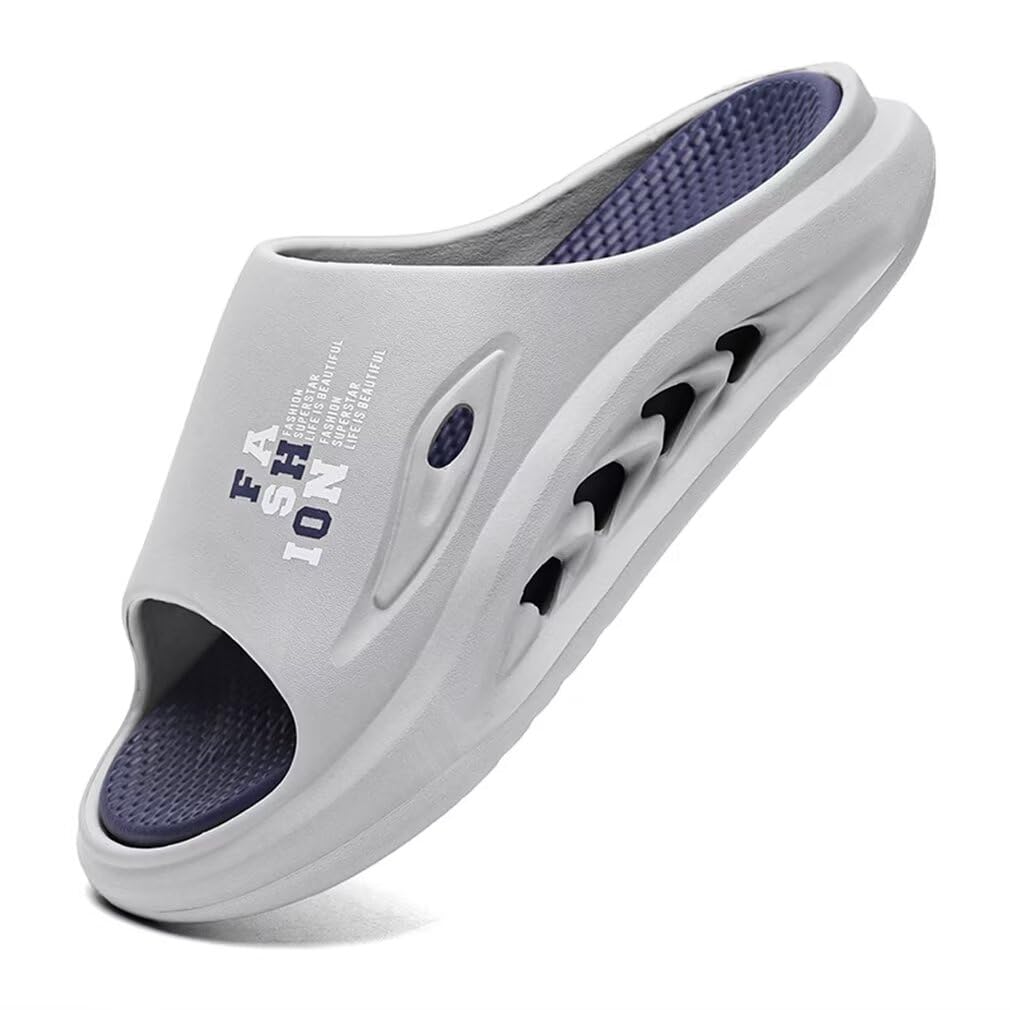
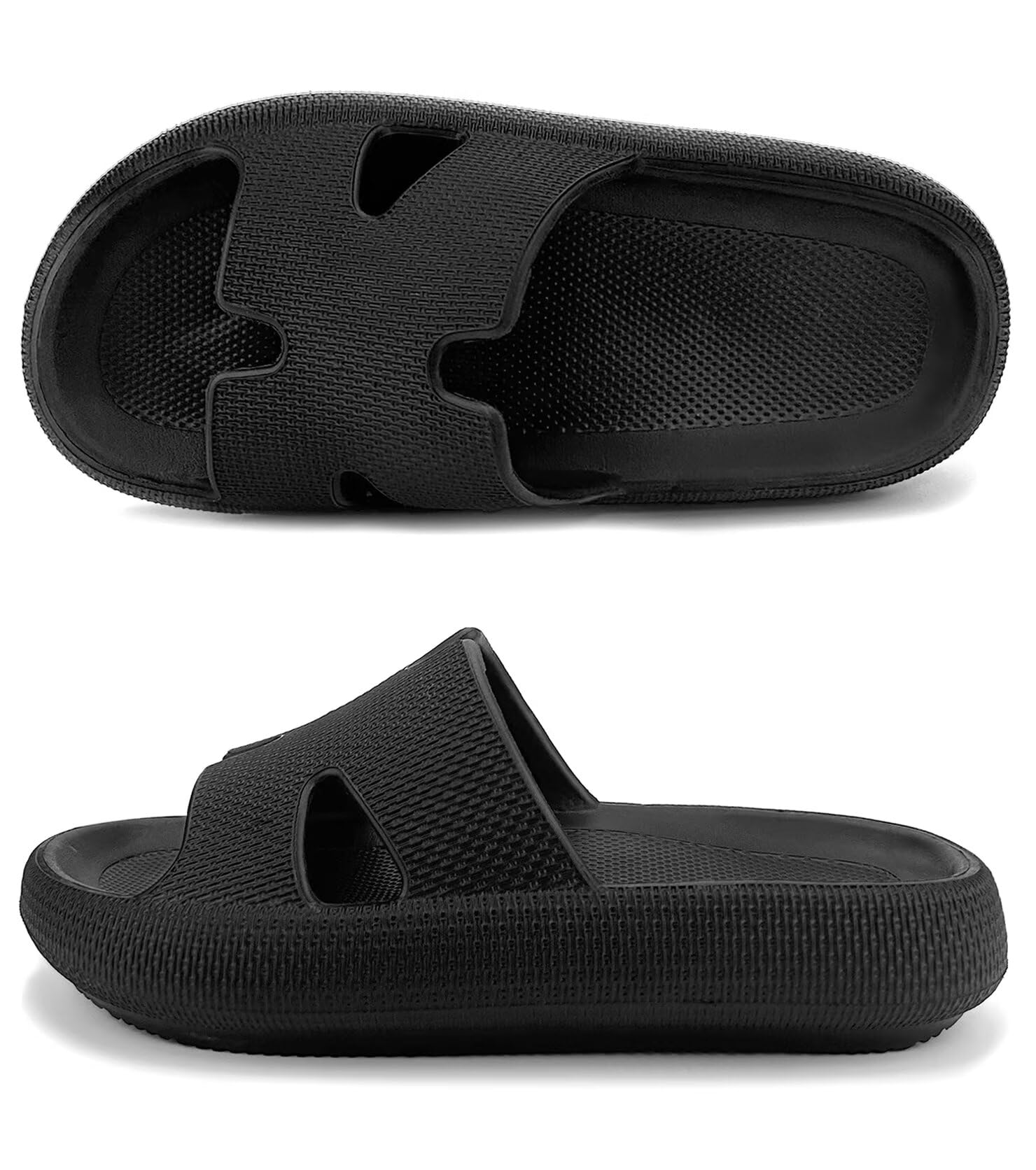
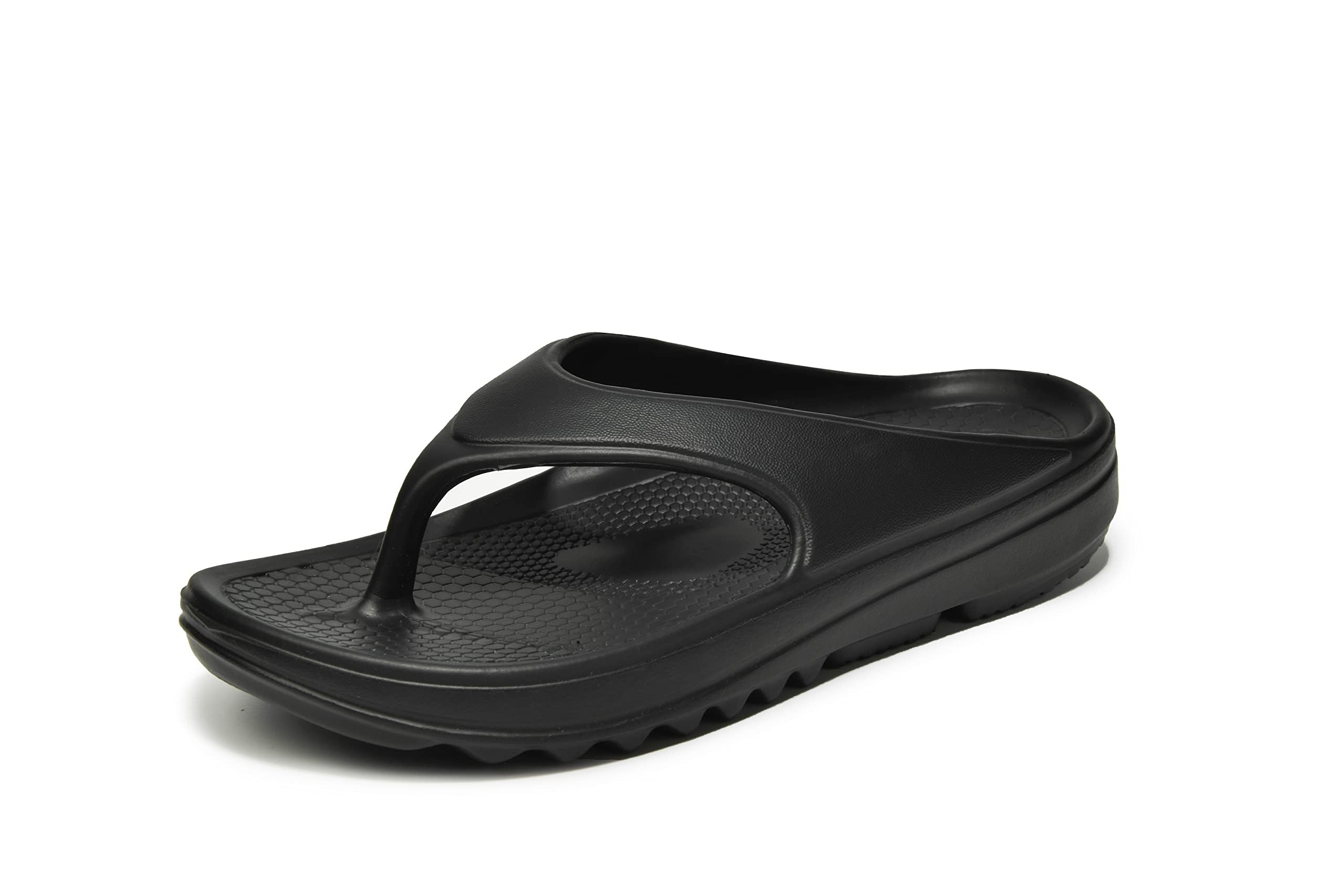
Types of Anti Slip Bathroom Slippers Compared
Prices typically run from around $12 for basic shower slides to around $50 or more for supportive closed toe pairs. The cheapest pairs often use hard plastic that feels slick once soap builds up, so material matters as much as tread depth in this room.
Shower Slides With Drainage
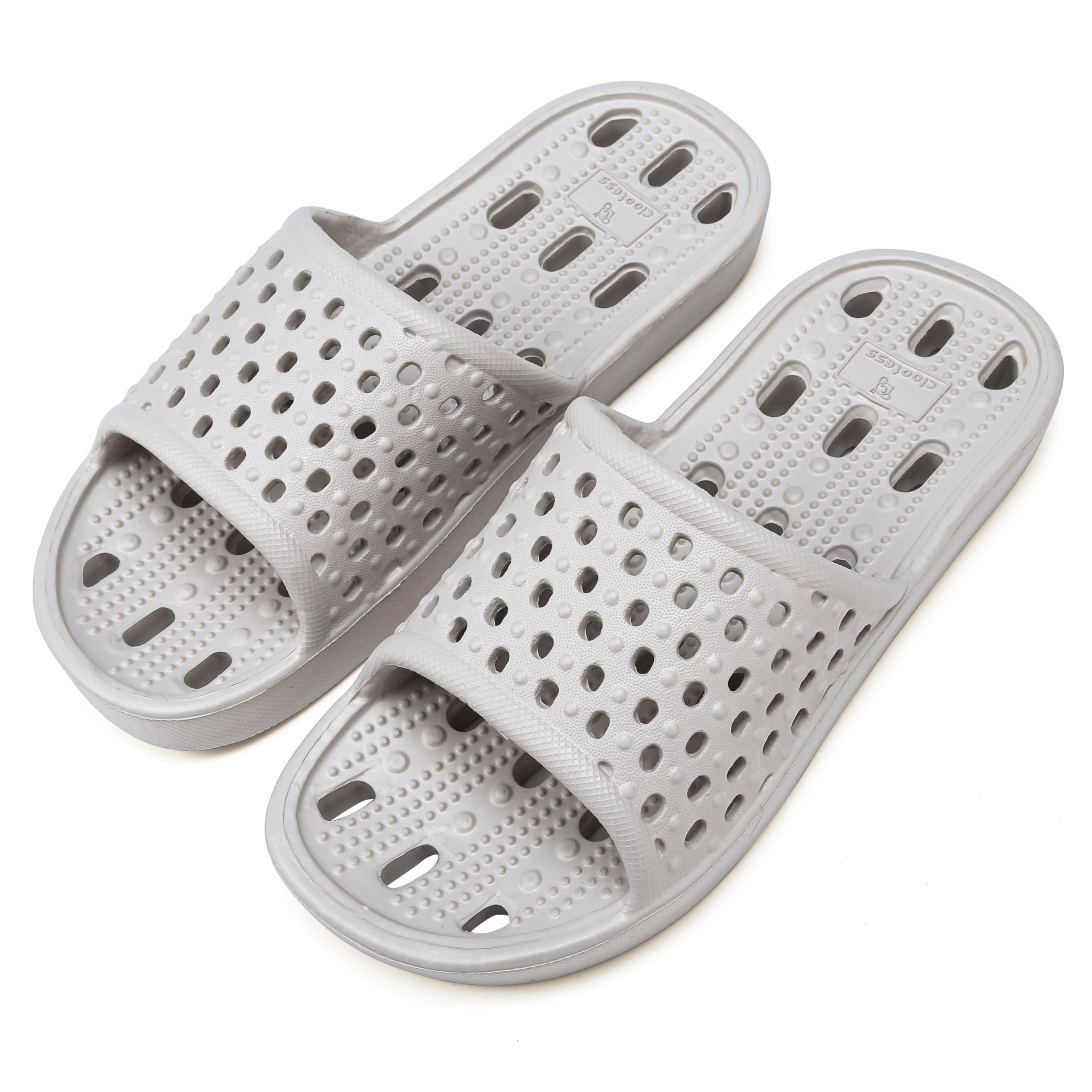
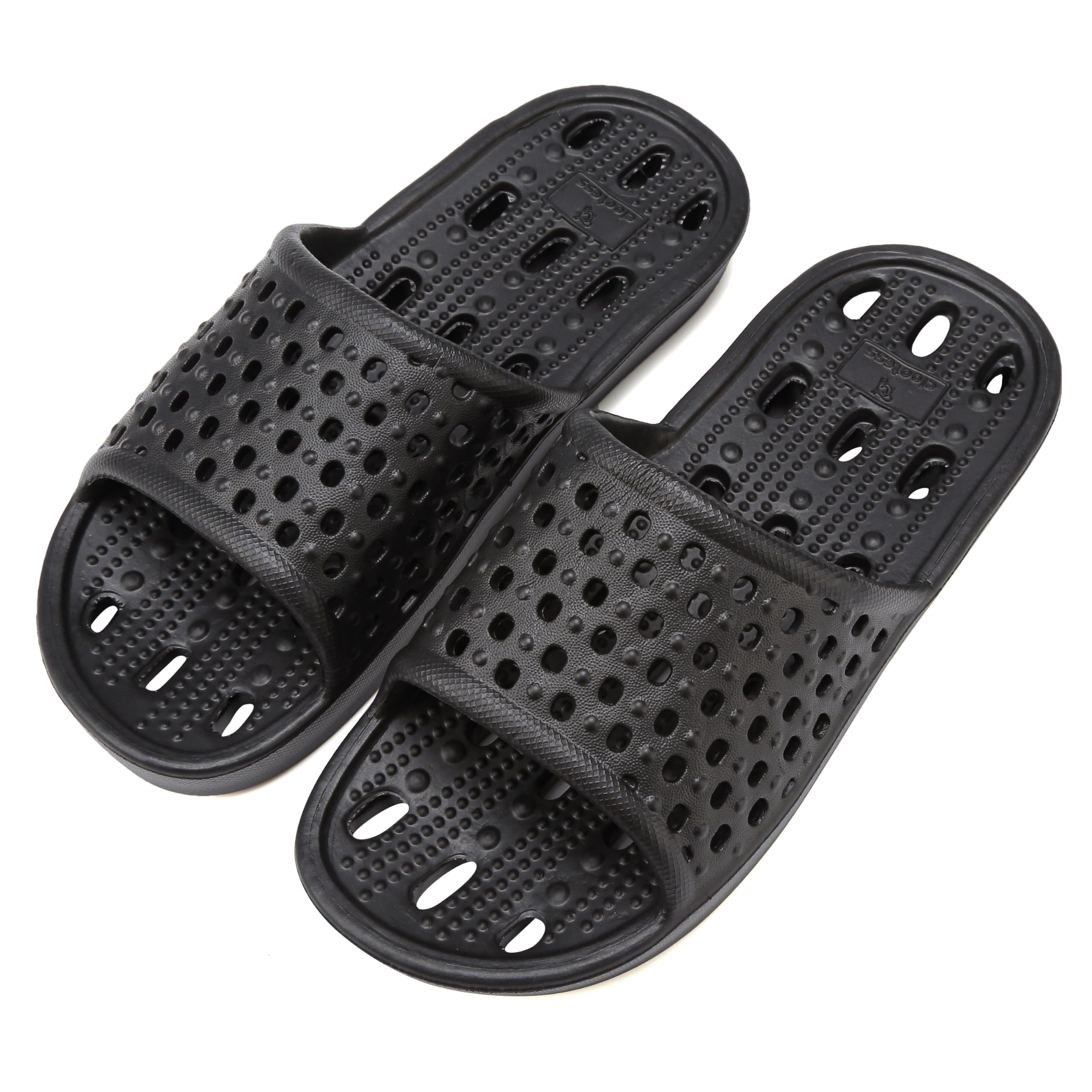
Shower slides use an open design, a single wide strap, and holes or channels in the footbed that let water pass through instead of pooling under your foot. Soft rubber or foam with a textured surface grips both the tile and your wet sole. They dry fast, rinse clean, and suit shared showers, gym bags, and dorm bathrooms. The trade offs are minimal warmth and support, plus a loose feel if the strap is too wide. Choose slides if your main use is stepping into and out of the shower itself.
Closed Toe Water Resistant Slippers
Closed toe bathroom slippers look like normal house slippers but use water resistant uppers and sealed rubber outsoles. They keep toes warm on cold tile and protect feet from stubbing on tub edges and vanity corners. Inside, a quick drying lining matters, because a plush absorbent lining stays damp and can start to smell. Grip comes from the tread pattern, so look for grooves that run across the sole to push water aside. Choose this type for a main bathroom you cross many times a day, especially in winter.
Recovery Style Bathroom Slippers
Recovery style pairs borrow their shape from sandals and recovery footwear, with a thick cushioned footbed, a raised arch, and a modest heel to toe drop that eases strain after exercise or long standing. Bathroom versions add drainage texture and rubber outsoles for wet use. They feel supportive and steady, which many people like on slick floors. They cost more and the tall sole can feel tippy for anyone with ankle instability. Choose them if you want one pair that serves the bathroom and general house wear with real cushioning.
Shower Slides vs Closed Toe Slippers: Which Should You Choose?
Compare them on five everyday points. For drainage, slides win, since water passes through instead of soaking a lining. For warmth, closed toe pairs win on cold mornings. For drying speed, slides rinse and dry in hours, while closed pairs may need a full day near moving air. For support, closed toe and recovery styles usually offer more arch support and a firmer heel cup than flat slides. For shared or public showers, slides win again, because they keep your foot off the floor and clean in seconds. Most homes do well with slides at the shower and a closed toe pair by the sink.
For general house grip beyond the bathroom, see our guide to the best anti slip slippers for other rooms and floor types. If the pair is for a parent or grandparent, our guide to the best anti slip slippers for elderly adds advice on stable heels and easy entry, and our guide to the best bathroom slippers covers comfort focused styles for dry bathroom use.
How to Choose the Right Anti Slip Bathroom Slipper
Upper Materials and Breathability
Bathroom uppers live wet, so judge them by how they handle water rather than by softness alone. Molded rubber and synthetic straps shrug off water and wipe clean. Mesh panels dry quickly but offer little warmth. Cotton and fleece absorb water, stay damp, and need frequent washing. Leather and membranes like Gore Tex belong to waterproof boots and outdoor shoes, and they make little sense here, since they slow drying in a room that is wet every day. Pick materials you can rinse under the tap without worry.
Cushioning and Support
A bathroom pair needs enough cushioning to feel kind on hard tile, but a very soft tall sole can feel unstable on a wet surface. Look for a footbed that is firm at the edges with gentle give in the center, and a slight heel cup that keeps the foot placed. Stability matters more than plushness here. A neutral, flat footbed suits most people for short bathroom trips, while a contoured footbed with mild arch support suits longer grooming routines at the sink and mirror.
Arch Support and Foot Type
Match support to your feet. Flat feet often feel best with a gentle built in arch and a wide, stable base that resists rolling inward. High arches do better with cushioning under the heel and ball of the foot, where pressure concentrates. If you have diabetes, poor circulation, or reduced feeling in your feet, closed toe coverage protects against bumps, and you should talk with your doctor or podiatrist about suitable footwear, since small foot injuries can become serious. Never rely on a slipper to treat an ongoing foot problem.
Fit, Sizing, and Toe Box
Wet feet slide forward, so fit matters more in the bathroom than anywhere else in the house. Measure in the afternoon and leave a thumb width before the toes, with a toe box wide enough that toes are not squeezed. The strap or upper should hold the midfoot without pinching, and the heel should stay on the footbed when you step out of the tub. If you are between sizes in a slide, a slightly snug strap is safer than a loose one, as long as it does not rub the skin raw.
How to Make Your Anti Slip Bathroom Slipper Last Longer
Rinse slippers after use in shared showers and shake off excess water before storing them. Air dry them standing upright in moving air, away from direct heat, so rubber stays flexible and glue lines hold. Wash weekly with mild soap to remove the soap film and skin oils that make footbeds slick, and scrub the tread grooves with an old brush. Rotate two pairs if your bathroom stays humid, giving each a full day to dry. Replace a pair when tread looks smooth or the footbed stays shiny and slippery after washing, since that loss of grip is a safety issue, not a cosmetic one.
Step carefully the first time you wear any new pair on a wet floor, and keep a bath mat at the tub edge as a second layer of safety. If you also need grip for work or errands outside the bathroom, see our guide to the best anti slip shoes for closed footwear options. For quick entry styles you can step into without hands, our guide to the best slip on slippers covers similar shapes made for dry rooms.
FAQs
Are expensive anti slip bathroom slippers worth it?
Sometimes, when the extra cost buys softer rubber that grips wet tile better, drainage that actually works, and a footbed that stays textured after months of washing. Price alone proves nothing, since some costly fashion pairs use hard shiny soles. Judge by outsole material and tread design first. A modest pair with real rubber and deep grooves will outperform a pricey pair with a smooth decorative sole.
How often should I replace my anti slip bathroom slippers?
Replace them when the tread grooves wear shallow, the footbed feels slick after washing, or cracks appear in the sole. In a humid bathroom that can be as soon as six to twelve months of daily use. Mold or a sour smell that survives a thorough wash and full drying is another clear signal. Grip fades gradually, so check the soles monthly rather than waiting for a slip.
How should anti slip bathroom slippers fit?
They should fit a little more snugly than dry room slippers, with the heel seated in the footbed and the strap secure across the midfoot. Leave a small space before the longest toe so a forward slide on wet tile does not jam your toes. Toes should lie flat and spread naturally. If your foot moves side to side inside the pair, size down or choose a closed toe style.
Can I wear them all day?
You can wear supportive bathroom styles around the house, but flat shower slides are built for short wet trips, not all day standing. Hours in a flat slide can tire arches and calves. Recovery style and closed toe pairs with real cushioning handle longer wear better. Change into supportive shoes for housework marathons and outdoor errands, and rest your feet if soreness builds.
How long is the break in period?
Most bathroom slippers need almost no break in period, since molded slides and soft straps adapt within a few wears. A strap that feels stiff at first usually softens after a week of use and warm water exposure. Rubbing on wet skin can blister quickly, though, so wear a new pair dry around the house first. If a strap still digs in after several wears, the size or shape is wrong.
Do I need waterproof shoes?
No, you need water ready slippers, which is a different thing. Bathroom pairs should shed water, drain, and dry fast rather than seal water out with a membrane. A waterproof upper traps sweat and slows drying between showers. Save waterproof footwear for rain and yard work, and choose open drainage and rubber grip for the bathroom instead.
Final Thoughts
Match the type to the job: drainage slides for the shower itself, closed toe pairs for cold floors and daily crossings, recovery styles when support matters most. Whichever you choose from the product table above, keep tread clean and replace on wear, and the best anti slip bathroom slippers for your home will keep every wet step steadier.