
Best Anti Slip Sandals at Every Price: What Your Money Really Gets You in 2026
Disclosure: We may earn a commission when you buy through links on this page, at no extra cost to you. As an Amazon Associate I earn from qualifying purchases. Learn more

Learn how to choose the best anti slip sandals by budget, with guidance on grip, straps, footbeds, and which upgrades are worth paying for at each level.
Sandals range from a few dollars at a beach stand to well over one hundred dollars for leather and molded support, and price alone tells you little about grip. A cheap pair with soft rubber and deep grooves can hold wet tile better than a costly pair with a shiny flat sole. This budget guide to the best anti slip sandals shows what each price level realistically delivers for traction, straps, and footbeds. Start with the comparison table below, then use the tier checks to set a budget that fits how and where you walk.
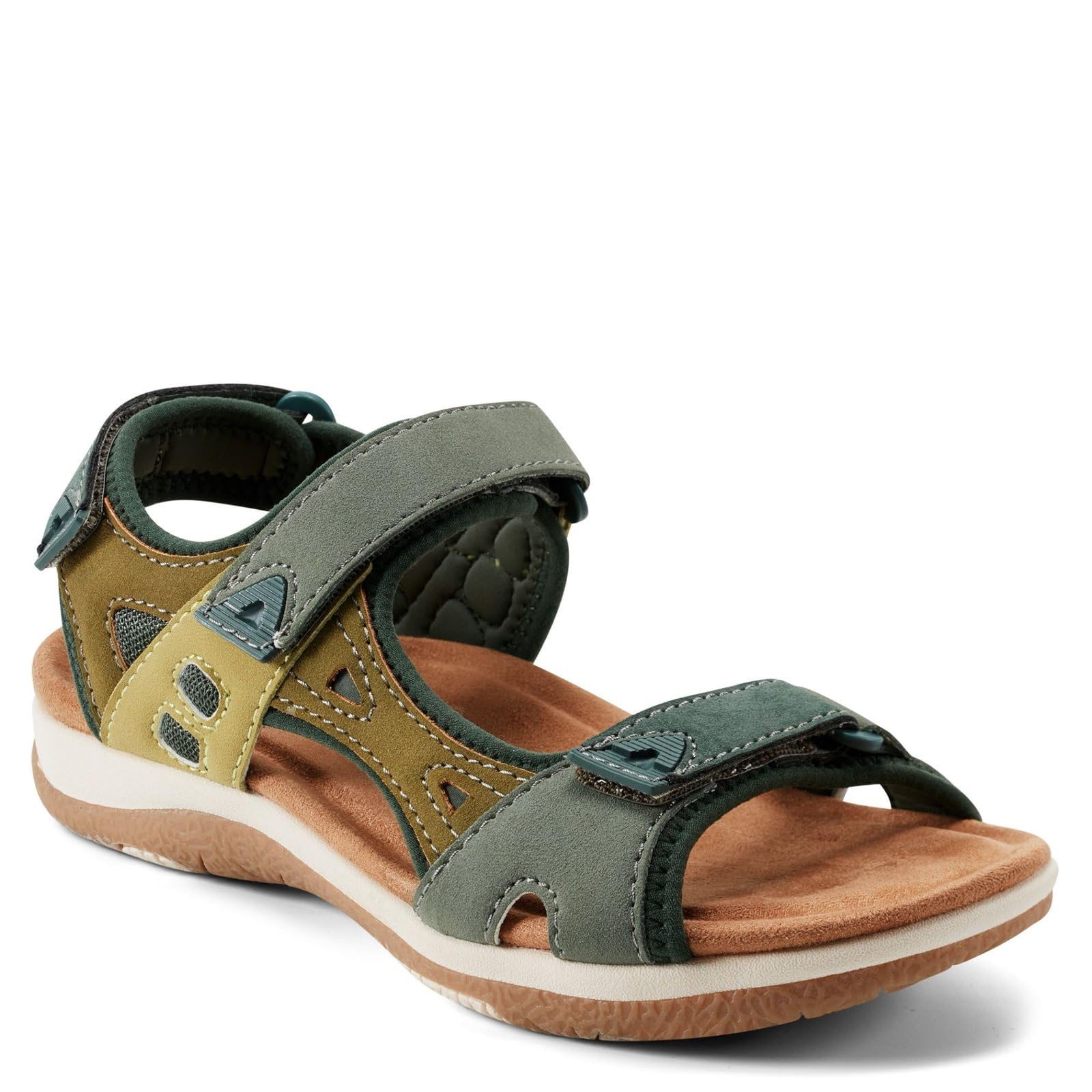

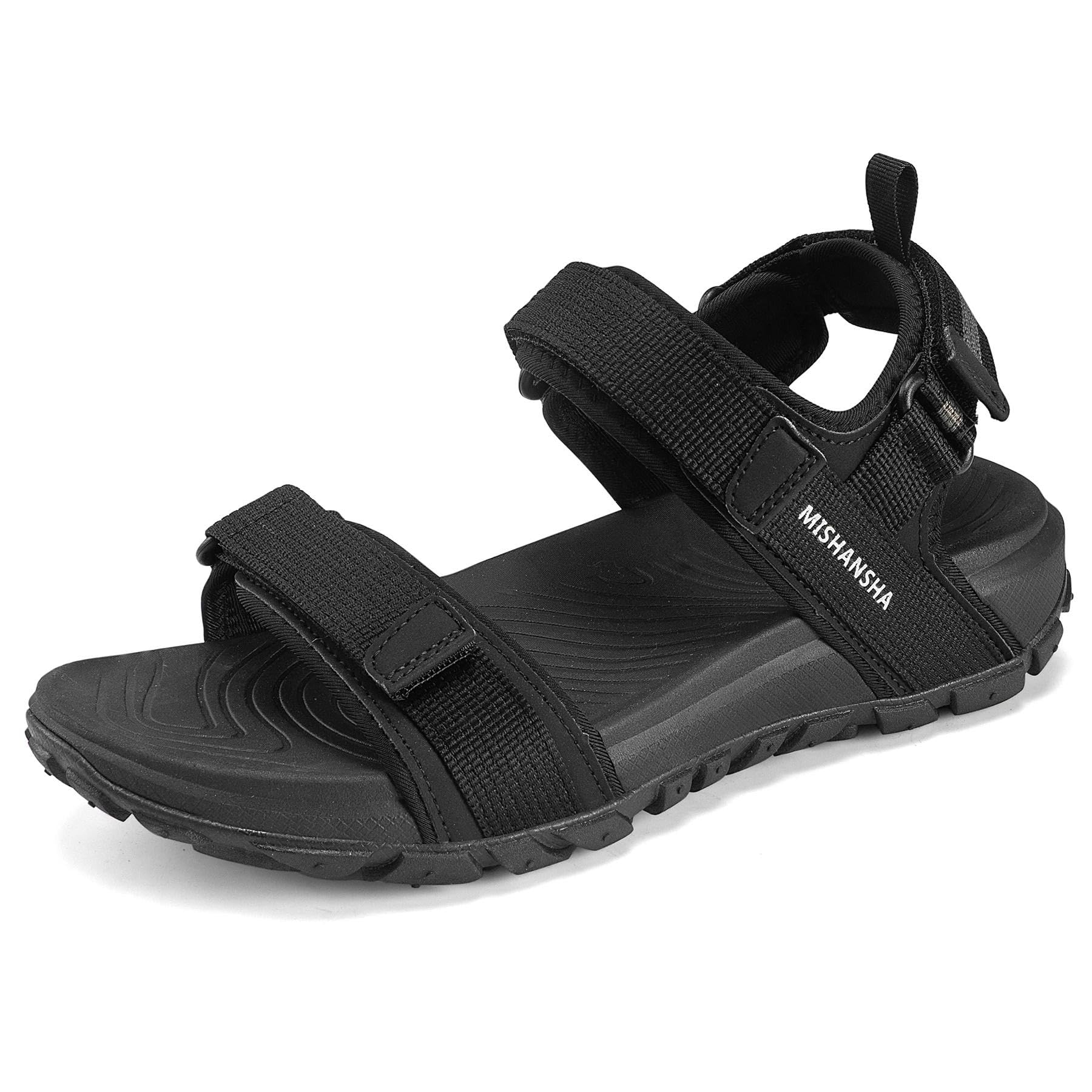
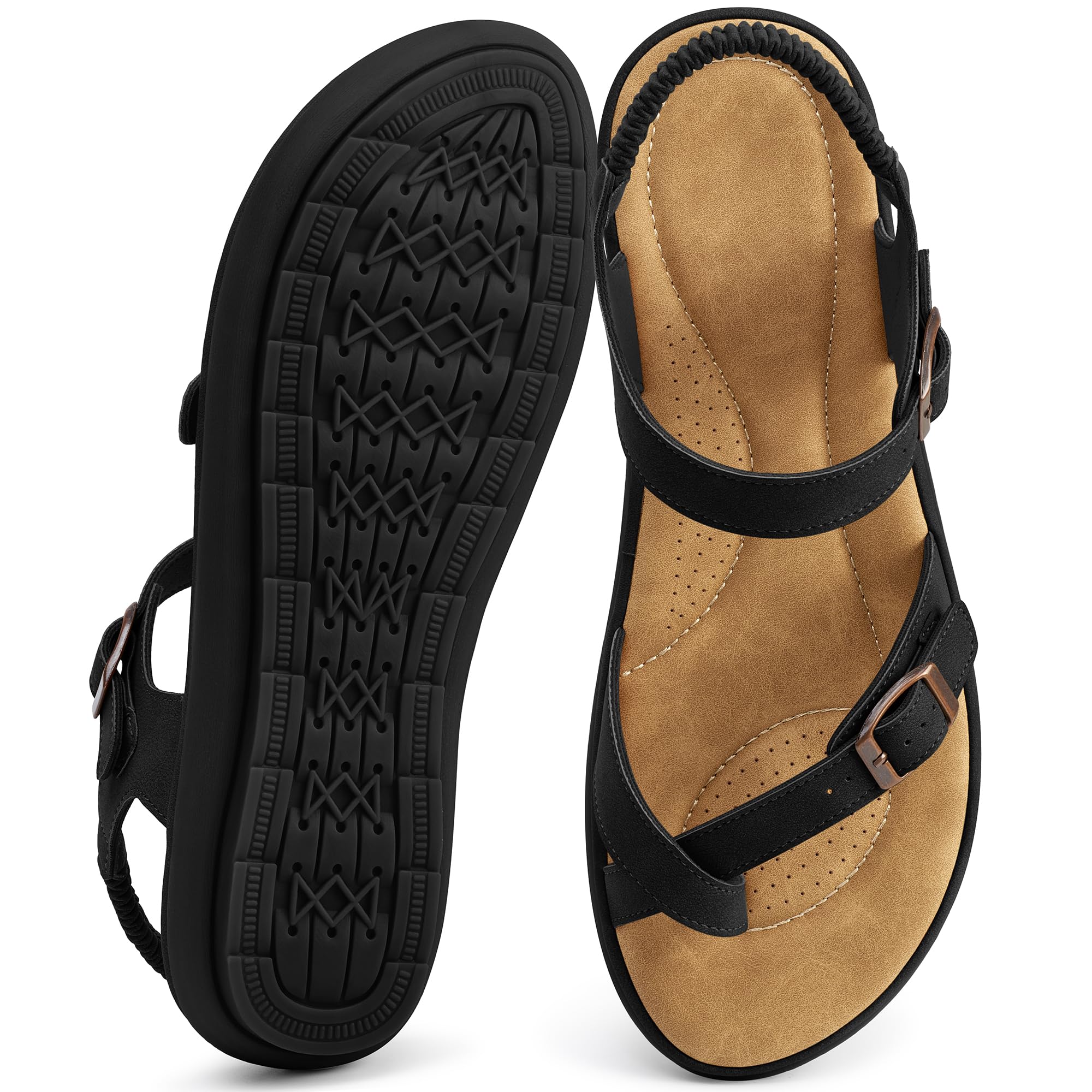

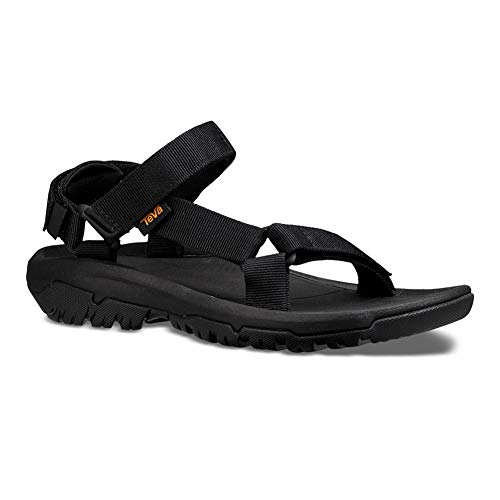


Budget Levels Compared: What to Expect at Each Price
Judge each tier against grip first, then fit, then comfort extras. A sandal earns its price when the outsole stays grippy when wet, the straps hold the foot without rubbing, and the footbed keeps its shape through a full season.
Budget Tier Checklist
Budget sandals, around $15 to $30, usually offer a single strap or simple slide shape, a foam or basic rubber sole, and limited size options. At this level, check that the sole is rubber rather than hard plastic, that tread grooves cross the whole base, and that the footbed has texture so a wet foot does not skate inside. These pairs suit pool decks, showers, and short summer errands. Expect straps to stretch and tread to wear within a season or two of heavy use, so treat them as light duty footwear.
Midrange Tier Checklist
Midrange sandals, around $30 to $65, should add adjustable straps, a contoured footbed with a heel cup, and a thicker rubber outsole with deeper tread. Many add arch support that makes longer walks realistic and materials that dry faster after a soaking. This is the tier where grip becomes dependable on wet pavement, boat decks, and polished stone, because sole compounds get softer and stickier. For most buyers this level delivers the strongest value, balancing real traction and comfort without paying for premium leather or brand styling.
Premium Tier Checklist
Premium sandals, around $65 to $130, earn their price with durable leather or high quality synthetic uppers, molded footbeds that hold their shape for years, and replaceable or resoleable parts in some styles. Tread patterns get more refined, with siping and channels that move water out from under the sole. Fit options widen too, with more half sizes and widths. This tier suits daily summer wear, travel with lots of walking, and anyone whose feet need real support. Skip it when the premium only buys fashion details on a flat, hard sole.
What Your Money Gets You at Each Price Tier
Budget Tier: What to Expect
At budget prices you are buying basic protection and short term grip. Foam footbeds feel soft at first but compress quickly, and thin soles transmit every pebble. The trade off is easy replacement and no worry at the beach or pool, where sandals get lost and soaked. If you walk on wet surfaces daily for work or caregiving, budget pairs will need frequent replacement, and the cost per season can pass a better pair. Use this tier for occasional and single season needs.
Midrange Tier: The Sweet Spot for Most Buyers
Midrange pairs convert money into the traits that prevent slips: softer rubber, real tread depth, and straps that keep the foot planted over the sole. Cushioning gets firmer and more durable, often with a mild heel to toe drop that feels natural for walking. A good midrange sandal handles a full summer of daily wear and often a second one. This is also the tier where water friendly builds become common, so one pair can cover the pool, the boardwalk, and casual meals out without a shoe change.
Premium Tier: When Spending More Pays Off
Spending more pays off when you walk far and often. Leather straps mold to your feet, molded cork or dense foam footbeds keep their arch shape, and premium rubber holds grip on wet stone that defeats cheaper soles. The payoff shows up in year three, not week one, so it suits people who keep sandals for years. It pays off poorly for growing kids, occasional beach trips, or anyone who likes changing styles each summer. In those cases, midrange quality replaced on time is the smarter spend.
Features Worth Paying For (and Ones to Skip)
Waterproofing (Gore Tex and Membranes)
Most sandals do not need membrane waterproofing at all. Open sandals get wet by design, so what matters is how fast straps and footbeds dry and whether the sole grips when soaked. Membranes like Gore Tex belong to closed waterproof boots, and in a sandal they add cost and heat with little benefit. Pay instead for water friendly synthetics or treated leather that tolerate soaking, and skip any sandal that promises to keep feet dry while standing in water.
Upper Materials and Breathability
Synthetic webbing and rubber straps dry fastest and suit pools and boats. Leather looks better, lasts for years, and breathes well, but needs drying time after a soaking and can stiffen if dried near heat. Mesh panels over a closed toe add airflow for hot streets. Breathable designs matter because sweat makes feet slide inside a sandal, which undermines sole grip. Choose the upper for your wettest common use, and remember that sandals breathe by design, so comfort problems usually come from strap rubbing rather than heat.
Cushioning and Support
Good cushioning absorbs shock on pavement without feeling wobbly on wet ground. Look for a footbed that is firm at the edges, gently cushioned in the center, and shaped with a heel cup and mild arch rise. Very thick soft soles can roll on slick surfaces, while board flat soles tire feet on long walks. Neutral styles suit most walkers, while stability focused footbeds with a firmer arch suit people whose feet roll inward. If foot pain persists across footwear, talk with a podiatrist rather than chasing ever thicker soles.
Outsole Traction and Terrain
Traction is the heart of this purchase. Soft rubber with many small grooves, called siping, grips wet tile and boat decks, while deeper lugs suit trails and gravel but can feel clunky on smooth floors. Some premium soles use branded rubber compounds known for wet grip, and the trait to verify is a tread that stays flexible rather than hardening with age. Press a thumbnail into the sole in store or check return terms online. For work on slick commercial floors, compare with our guide to the best anti slip shoes, since closed shoes suit many jobs better.
Fit, Sizing, and Toe Box
Measure feet in the afternoon and check the length against the chart for the exact style. Your heel should sit inside the heel cup and your toes should end before the front edge, with a toe box wide enough for toes to lie flat. Straps should hold the midfoot firmly without biting, and adjustable straps help when feet swell in heat. If you prefer a hands free step in shape, our guide to the best slip on sandals covers those styles, though fixed straps grip better for most walkers.
Long Term Costs to Factor In
Think in cost per season, not sticker price. A budget pair replaced twice a summer can cost more than one midrange pair that lasts two years. Add small costs like replacement strap pads or insoles where offered, and the time cost of breaking in leather. Salt water and pool chemicals shorten strap and glue life, so rinse sandals after beach and pool days and dry them in shade. A clear warranty signals a maker that expects durability. Rotating two pairs across a summer also extends tread life, since rubber and footbeds recover between wears.
Terminology overlaps in this category, so you may also want our guide to the best non slip sandals and our guide to the best slip resistant sandals, which use different wording for similar sole traits. Around the house on hard floors, our guide to the best anti slip slippers covers the indoor equivalent.
Frequently Asked Questions
How should anti slip sandals fit?
They should fit so the heel sits in the cup, the toes end just inside the front edge, and the straps hold the foot without slack. A loose sandal lets the foot slide forward on wet ground, jamming toes and breaking grip. Walk a few steps and stop quickly when trying a pair. If your foot shifts, adjust the straps or change size.
Do I need waterproof shoes?
No, sandals are meant to get wet, so waterproofing is the wrong goal. Choose water friendly materials that dry fast and a sole that grips when soaked. Closed waterproof shoes suit rain and cold, not summer decks and pools. After each soaking, rinse off salt and chemicals and dry the pair in moving air, away from direct heat, so straps and soles last.
How long is the break in period?
Synthetic sandals usually need only a few wears, while leather straps can take one to two weeks of short outings to soften and shape to your feet. Start with dry walks at home so you can spot rubbing early. A strap that blisters your skin after several gentle wears signals a fit or shape problem, not a stage to endure, so exchange the pair.
Can I wear them all day?
Yes, midrange and premium pairs with contoured footbeds and secure straps handle all day summer wear well. Flat budget slides are better for short trips, since hours in them can tire arches and calves. Alternate days between two pairs on trips with heavy walking, and switch to supportive shoes for hiking or long standing on concrete. Stop and rest if soreness keeps building day after day.
Are expensive anti slip sandals worth it?
They are worth it when the price buys durable straps, a footbed that keeps its shape, and rubber that stays grippy for several seasons. Daily walkers and travelers often come out ahead on cost per season. They are not worth it for occasional beach use or fast growing feet. Judge by expected years of wear, and remember a midrange pair replaced on time grips better than a worn premium pair.
How often should I replace my anti slip sandals?
Replace them when tread grooves wear smooth, the sole hardens or cracks, or straps stretch so the foot moves inside. Daily summer wear often wears out budget pairs in one season and midrange pairs in two to three. Check grip by stepping carefully on a wet smooth floor at home. If the pair slides where it once held, its working life is over.
Our Verdict
Set your budget by hours of wear and the wettest surface you cross, then demand soft rubber, real tread, and straps that truly hold. For most people a midrange pair is the sweet spot, and the product table above will help you compare the best anti slip sandals at that level. Buy for grip and fit first, and style will take care of itself.


