
Best Anti Inflammatory Tablets for Back Pain in 2026: Which Type Is Right for You?
Disclosure: We may earn a commission when you buy through links on this page, at no extra cost to you. As an Amazon Associate I earn from qualifying purchases. Learn more

Compare tablet types, safety checks, and clinician questions to find the best anti inflammatory tablets for back pain for your own situation safely.
Back pain sends many people to the pharmacy aisle, where rows of tablets all promise relief and the differences are hard to see. Choosing the best anti inflammatory tablets for back pain is really about matching a type of medicine to your health history, your other medications, and how long you expect to need it. This guide compares the main types side by side and gives you the safety checks that matter more than any label claim.
The comparison table below summarizes the options. One caution before you read on. This article is general information, not medical advice, and anti inflammatory tablets are real drugs with real risks. A pharmacist or clinician who knows your history should confirm your choice, especially for ongoing pain.
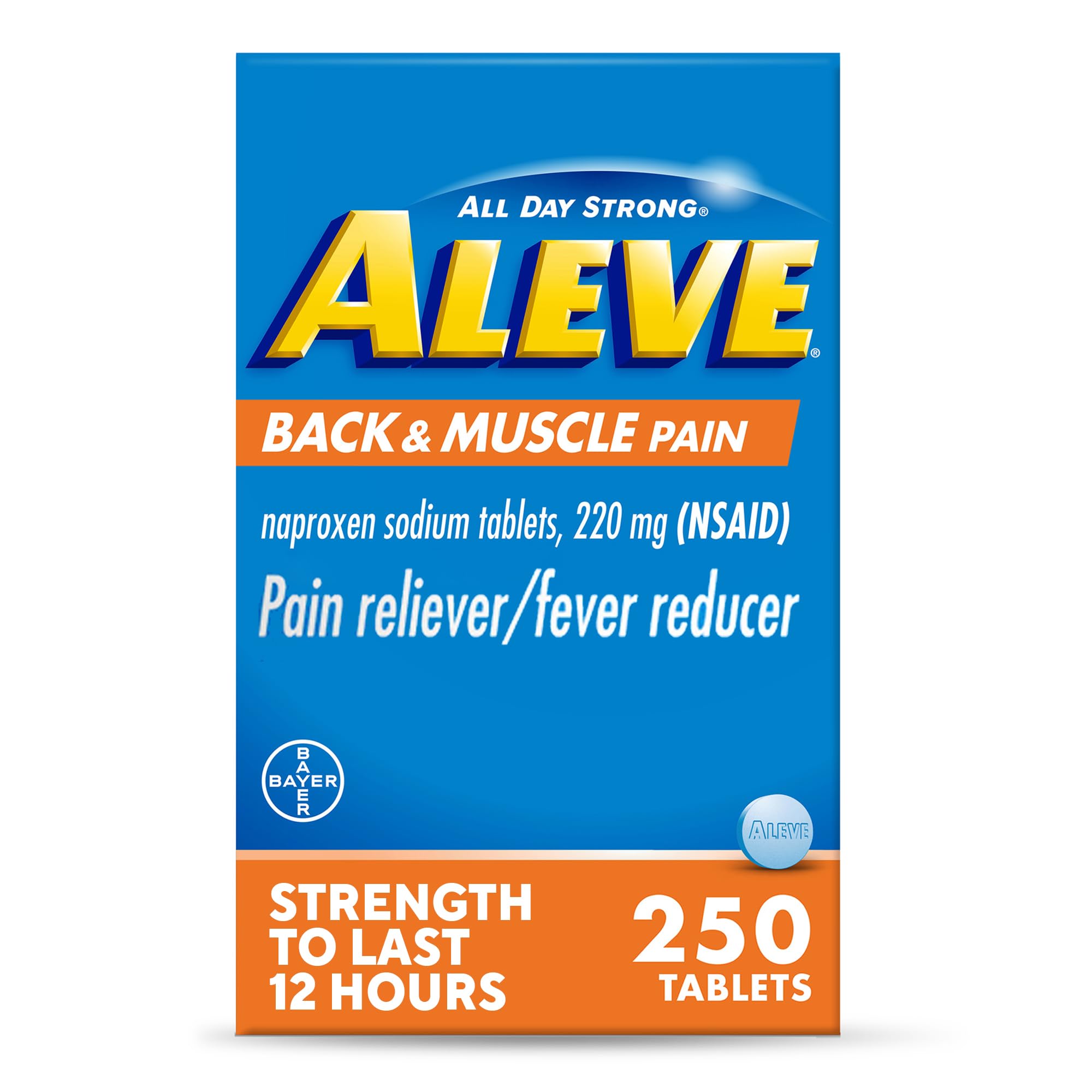


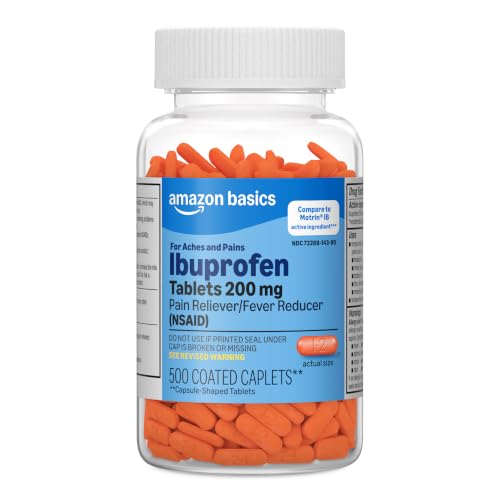

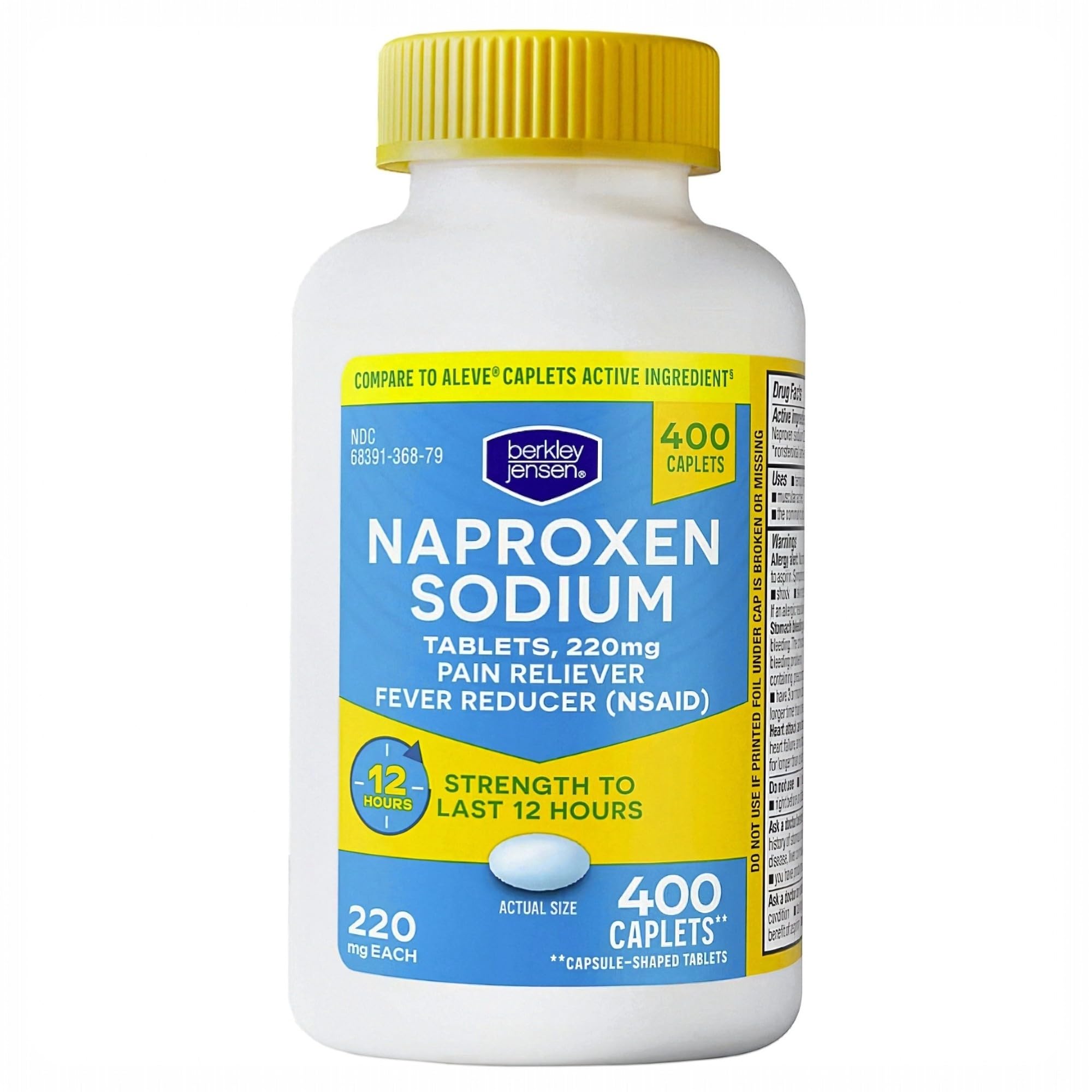
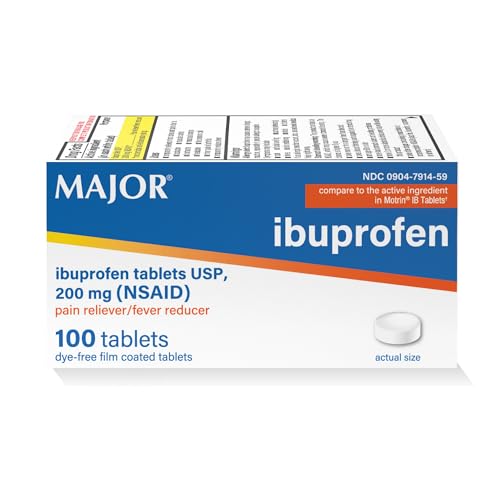
How Anti Inflammatory Tablets Compare to Other Options
Most tablets sold for back pain belong to one family, the nonsteroidal anti inflammatory drugs, often shortened to NSAIDs. They reduce inflammation and pain together. The types below differ in strength, how long each dose lasts, how they treat your stomach and kidneys, and whether you need a prescription.
Standard Over the Counter NSAID Tablets
These are the familiar pharmacy tablets, including generic ibuprofen and naproxen, sold without a prescription. They are the usual first step for a recent strain or flare, because they are widely available, inexpensive at around $5 to $15 a box, and well understood. Naproxen types tend to last longer per dose, while ibuprofen types wear off sooner and may suit shorter, sharper episodes.
The limits are shared across the family. All NSAIDs can irritate the stomach, strain the kidneys, and raise blood pressure, and the risk grows with dose and duration. Lower strength does not mean risk free. If you need these tablets daily for more than a short stretch, that is a signal to get your back and your medication plan reviewed, a point we return to in our broader guide to the best anti inflammatory tablets.
Prescription Strength NSAID Tablets
Clinicians can prescribe stronger NSAIDs, higher doses, or types designed to be somewhat gentler on the stomach. These suit confirmed inflammatory problems, severe flares, or cases where standard tablets helped but not enough. The prescription route adds value beyond strength. Your clinician checks your kidneys, blood pressure, and other medicines before you start.
The trade off is that stronger relief comes with the same family risks, sometimes greater. Some prescription types shift risk from the stomach toward the heart and circulation, which is why personal history decides which is safer for you. Never borrow prescription tablets from family or friends, and never raise an over the counter dose to prescription levels on your own. For a wider look at non drug and drug options, see our guide to the best tablets for back pain.
Tablets vs Topical and Non Anti Inflammatory Options
Not every answer is a swallowed tablet. Anti inflammatory gels and creams rubbed into the back deliver the drug where it hurts with far less reaching the stomach and kidneys, and many clinicians suggest them first for people at higher risk from tablets. Heat, movement, and physical therapy also treat the cause of many strains in ways no tablet can.
Acetaminophen is often shelved beside NSAIDs but works differently, easing pain without reducing inflammation, and it carries its own liver risk at high doses. It sometimes suits people who cannot take NSAIDs at all. Comparing these routes honestly, as our guide to the best pain relief tablets for back pain does, keeps you from assuming a stronger tablet is always the better plan.
Who Should Choose Anti Inflammatory Tablets?
Tablets tend to suit adults with a recent, clearly mechanical back problem, such as a strain after lifting, whose pain has an inflammatory feel and who have no major risk factors. They also help during short flares of a known, previously assessed condition, used at the lowest effective dose for the shortest time.
Other people should pause and get advice first. That includes anyone who is pregnant, over 65, living with kidney, heart, or stomach problems, taking blood thinners or blood pressure medicines, or managing asthma that worsens with painkillers. Children and teens need clinician guidance rather than adult tablets. If back pain follows a fall or accident, or keeps returning, the priority is diagnosis, not a different box of tablets. Some readers also ask about gentler routes, covered in our guide to the best natural anti inflammatory tablets, though natural products can interact with medicines too and deserve the same caution.
How to Choose the Right Anti Inflammatory Tablet
Start With Your Personal Risk Profile
Your history matters more than the brand on the box. Before buying, list your conditions and every medicine and supplement you take, then check the packet warnings against that list or ask the pharmacist to do it with you. Blood thinners, steroids, some antidepressants, diuretics, and blood pressure tablets are common sources of interaction with NSAIDs.
Age and habits shift the balance too. Regular alcohol use raises stomach bleeding risk, and dehydration strains kidneys that NSAIDs already burden. If several risk factors apply to you, a topical option or a clinician visit is the wiser first step, even if tablets worked for you years ago.
Features That Matter for Back Pain Specifically
Back pain has patterns that should shape your choice. Pain that is worse in the morning and eases as you move can have an inflammatory character, while pain shooting down the leg suggests nerve involvement that tablets alone rarely settle. Note where the pain sits, what worsens it, and how long it has lasted, because those details guide both product choice and any later clinician visit.
Duration of action is the practical feature to compare. A longer acting type can cover a work shift or a night of sleep without repeat doses, while a shorter acting type gives flexibility when pain peaks at predictable times. Choose based on your pain pattern, and follow the packet directions for spacing and daily maximums exactly.
Set a Short Review Window
Treat any tablet choice as a short trial with a clear end point. For a new strain, pain should be clearly improving within several days of rest, gentle movement, and correctly used tablets. If it is not, or if you find yourself still needing daily tablets after about a week, book a clinician appointment rather than switching brands repeatedly.
Write down what you took, when, and how much it helped. That simple record turns a vague story into useful information for a pharmacist or clinician, and it stops accidental double dosing when two products in the cabinet quietly contain the same drug.
Know the Warning Signs That Need Urgent Care
Some back pain is an emergency, and no tablet should delay care. Seek urgent help if you develop loss of bladder or bowel control, numbness around the saddle area, weakness in one or both legs, or pain after serious trauma. Fever with back pain, unexplained weight loss, or pain that steadily worsens at night also needs prompt medical review.
Watch for medicine side effects as well. Black stools, vomiting blood, severe stomach pain, swelling, breathlessness, or a big drop in how much you urinate are reasons to stop and seek help the same day. When in doubt, call a clinician, urgent care line, or pharmacist and describe the symptom plainly.
Care and Safe Use Tips
- Take tablets exactly as the packet directs, with food or milk if the label advises it, and never exceed the stated daily maximum.
- Use one anti inflammatory product at a time, and check other cold, flu, and pain products for hidden duplicates of the same drug.
- Keep moving gently during a strain. Short walks and position changes usually help recovery more than strict bed rest.
- Store tablets in their original packaging, note the expiry date, and keep them away from children.
- Stop and seek advice if pain spreads, weakness appears, or you need tablets daily beyond a short trial.
Anti Inflammatory Tablets: Your Questions Answered
What features matter most in anti inflammatory tablets for back pain?
The deciding features are fit with your health history, duration of action, and stomach and kidney risk, not headline strength. A tablet that matches your pain pattern and passes a pharmacist interaction check will serve you better than the strongest box on the shelf. Clear packet dosing and a type you can take exactly as directed complete the picture.
How long should I take anti inflammatory tablets for back pain?
Keep it as short as you reasonably can, using the lowest dose that helps. For a simple strain, that is often a few days while pain settles and movement returns. Needing tablets daily beyond about a week, or repeatedly for returning episodes, is a reason to see a clinician about the underlying cause rather than extending the course on your own.
Can I combine an anti inflammatory tablet with other pain relief?
Never combine two NSAID tablets, since that stacks side effects without adding much relief. Some people use acetaminophen alongside an NSAID, but only within its own daily limit and ideally after a pharmacist confirms the pairing suits their medicines and liver health. Combination products hide ingredients, so read every label or ask before mixing anything.
Are topical gels as good as tablets for back pain?
For pain in a reachable, fairly surface area, gels can help a good deal and expose the rest of your body to far less drug. Deep or widespread pain is harder to reach with a gel, and correct application, enough gel, rubbed in as directed, matters. Many clinicians suggest trying a gel first when stomach or kidney risk makes tablets less attractive.
Should I take anti inflammatory tablets on an empty stomach?
Follow your packet, but taking NSAIDs with food or a glass of milk is a common label direction that lowers stomach irritation for many people. Food may slow the start of relief slightly, which is a fair trade for comfort and safety. If stomach pain, heartburn, or nausea shows up even with food, stop and ask a pharmacist about alternatives.
When should back pain be checked by a doctor instead of self treated?
See a doctor promptly for any red flag symptom listed above, for pain after an injury, or for pain that is not clearly improving within one to two weeks. Numbness, weakness, fever, or bladder changes always jump the queue. A clinician can also review whether long term tablet use is safe for your kidneys, stomach, and blood pressure.
Final Thoughts
The right choice is the type that fits your risk profile, matches your pain pattern, and is used briefly and exactly as directed. Compare the options in the product table above, run your shortlist past a pharmacist, and treat warning signs as a stop signal, not a challenge. Done that way, the search for the best anti inflammatory tablets for back pain ends with a safer plan, and please talk with your clinician about your personal needs before making any tablet a habit.


