
Best Anti Inflammatory Tablets 2026: A General Buying Guide
Disclosure: We may earn a commission when you buy through links on this page, at no extra cost to you. As an Amazon Associate I earn from qualifying purchases. Learn more

A general guide to the best anti inflammatory tablets: types, label checks, interactions, and questions for a pharmacist.
Walk down the pain relief aisle and the boxes all look alike, yet the tablets inside differ in active ingredient, how long they last, and who should avoid them. Choosing the best anti inflammatory tablets is mostly about matching the active ingredient and the label directions to your health history, not about picking the strongest box. This guide explains the common types in general terms, and the comparison table below lists over the counter options to start from.
This article is general information, not medical advice. Anti inflammatory tablets are real medicines with real risks, so a pharmacist or clinician who knows your history should confirm any choice, especially if you take other medicines or have ongoing pain.


Who Should Think Twice Before Buying
Many adults use these tablets safely for short periods, but some people need advice first. That includes anyone who is pregnant or breastfeeding, is over 65, has stomach ulcers, kidney, liver or heart problems, has asthma that worsens with painkillers, or takes blood thinners, blood pressure medicines or steroids. Children and teens need a clinician or pharmacist, not an adult product. If you are unsure which group you fall into, ask a pharmacist before you buy.
If you are buying for ongoing back pain specifically, our guide to the best anti inflammatory tablets for back pain covers that case in more detail.
Types of Anti Inflammatory Tablets
Ibuprofen Tablets
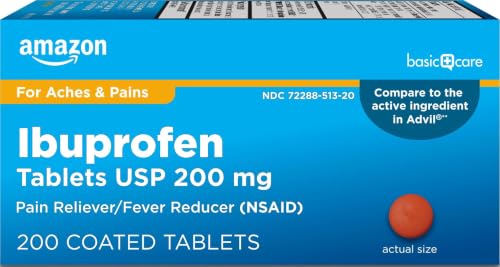
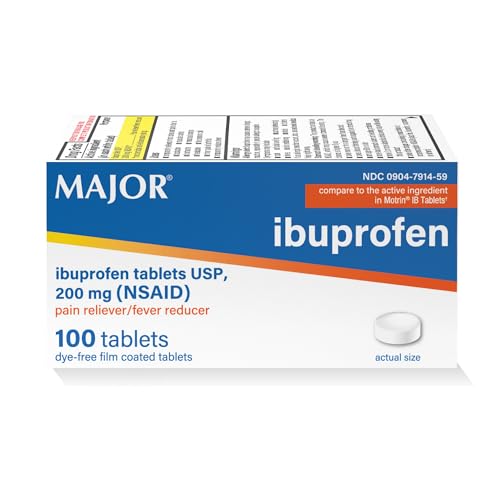
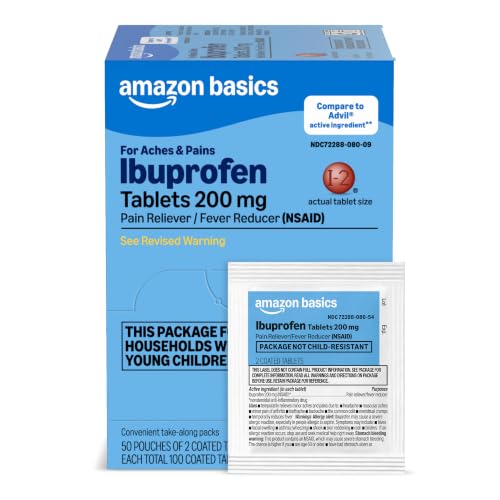
Ibuprofen is one of the most common over the counter options. Labels describe it as a pain reliever and fever reducer, and it starts working fairly quickly and wears off sooner than some alternatives. It is sold as plain tablets, coated tablets and capsules, in small packs and large bulk bottles. It suits short episodes of aches, but like all in this family it can irritate the stomach and strain the kidneys, so the label directions on dose and time are the rule, not a suggestion.
Naproxen Sodium Tablets
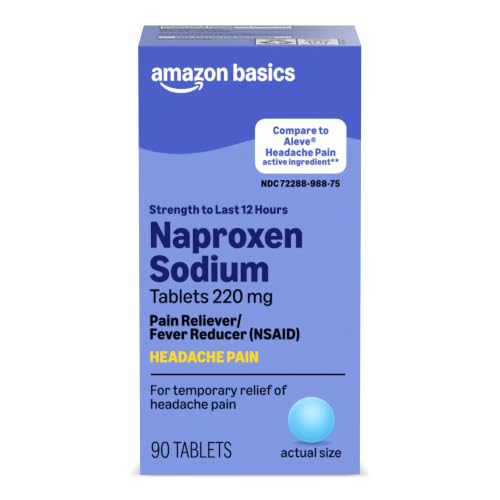
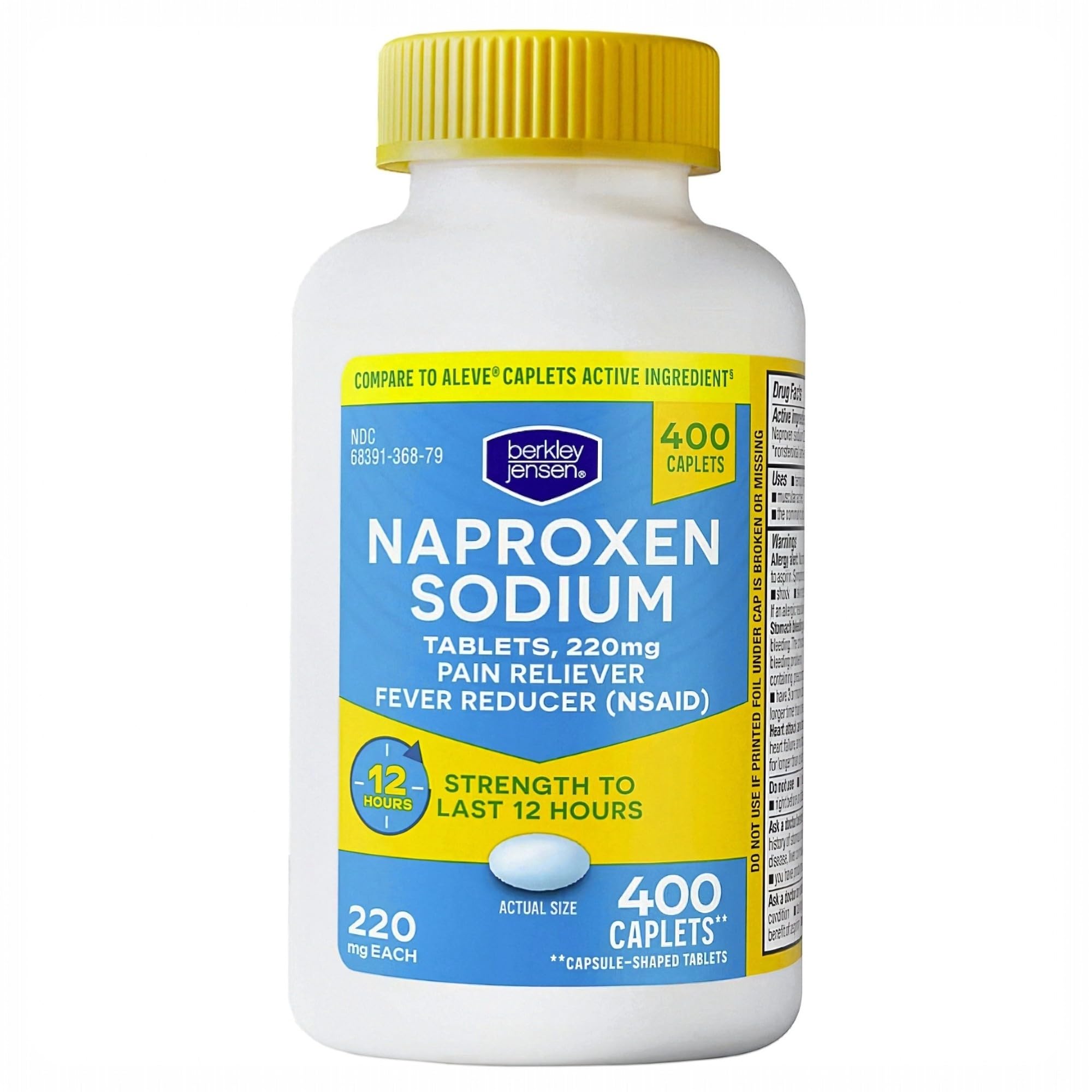
Naproxen sodium is another over the counter option, and its effect tends to last longer per dose than ibuprofen, so labels call for fewer tablets over a day. That can suit people who want longer cover, but the same stomach, kidney and blood pressure cautions apply. Never take it together with another anti inflammatory product, because the active ingredients add up.
Aspirin and Other Options
Aspirin also reduces inflammation, but it affects bleeding more than the others and is not suitable for children and teens with fevers. Acetaminophen eases pain and fever but does not reduce inflammation, so it belongs to a different group, and it has its own liver cautions. Prescription strength tablets exist too, but they are chosen by a clinician after checking your kidneys, blood pressure and other medicines.
Natural and Supplement Products
Products sold as natural anti inflammatories vary widely in purity and evidence, and they can still interact with medicines. If you are comparing them, our guide to the best natural anti inflammatory tablets explains how they differ, and the same rule applies: ask a pharmacist before combining them with other medicines.
Key Features to Compare
Active Ingredient and Strength
Read the active ingredient and the amount per tablet on every box, because similar brand names can hide different ingredients. Store brand and national brand products with the same ingredient and strength usually do the same job, so compare the facts panel rather than the logo.
Pack Size and Price per Tablet
Divide the price by the number of tablets to compare value. Large bottles cost less per tablet, but only make sense if you will use them before the expiry date and can store them safely away from children.
Form and Stomach Comfort
Coated tablets, capsules and liquid filled forms sit differently in the stomach. The label usually advises taking the tablet with food or milk. If heartburn, nausea or stomach pain appears even with food, stop and ask a pharmacist about alternatives.
Interactions and Duration
These tablets can interact with blood thinners, blood pressure medicines, some diabetes medicines and others. Use them for the shortest time that helps, and do not stretch a short course into a daily habit without advice. If pain lasts longer than the label allows, or keeps returning, speak to a clinician about the cause rather than taking more.
What Your Money Gets You
Most over the counter anti inflammatory tablets cost only a few dollars for a small pack and a bit more for a large bottle. A lower price does not mean a weaker medicine when the active ingredient and strength match, and a higher price often pays for brand name or packaging. The tier that fits most people is a plain tablet with a clear label in a pack size they will finish, bought from a seller they trust.
Care and Safe Use
Store tablets in a cool, dry place in their original packaging, away from children, and check the expiry date before use. Dispose of expired medicines through a pharmacy take back program where available. Seek prompt medical care for severe stomach pain, black or bloody stools, vomiting blood, swelling, trouble breathing, chest pain, or signs of an allergic reaction. Also seek advice if pain worsens, a fever develops, or a new symptom appears after starting a tablet.
How to Read the Label Before You Buy
The facts panel tells you more than the front of the box. Look for the active ingredient, the amount in each tablet, the maximum number of tablets in a day, and the warnings about stomach bleeding, heart risk and kidney problems. Check the list of other uses so you do not take two products that contain the same ingredient, such as a cold remedy and a pain tablet. If the print is hard to read or the directions seem unclear, ask a pharmacist to explain them in plain language.
Keep a short note of what you took and when, especially if you share a home with others who use similar products. That simple record prevents double doses and gives a clinician useful facts if symptoms change.
Frequently Asked Questions
What is the difference between anti inflammatory tablets and other painkillers?
Anti inflammatory tablets aim to reduce inflammation as well as pain, while some painkillers relieve pain without reducing inflammation. The right choice depends on the cause of pain, your health history and your other medicines, and a pharmacist can explain the differences for your situation.
Can I take anti inflammatory tablets with other medicines?
Some combinations raise risk, especially with blood thinners, blood pressure medicines and certain diabetes medicines. Tell a pharmacist or clinician about every medicine and supplement you use, and never assume an over the counter product is safe to combine.
How long can I take an anti inflammatory tablet?
Follow the label and your clinician rather than a general rule. If pain continues beyond the period on the label, gets worse, or returns quickly, seek advice instead of continuing on your own.
Are natural anti inflammatory tablets safer?
Not necessarily. Natural products can interact with medicines, affect bleeding risk, and vary in purity and strength. Discuss any supplement with a pharmacist before use.
What should I check before choosing any tablet?
Check the active ingredient, the warnings, interactions with your medicines, your health conditions and the intended length of use. Ask a pharmacist if anything is unclear, and talk with your clinician about persistent, severe or unexplained pain.
Final Thoughts
The right choice is the one with a clear active ingredient, a label you can follow exactly, and no conflict with your health history or other medicines. Compare the options in the product table above on those points, and use the best anti inflammatory tablets briefly and as directed. Before you decide, write down your medicines, supplements, allergies and conditions, and talk with a pharmacist or clinician about your personal needs.


