Best Anti Glare TVs: A Clear Buying Guide for 2026
Disclosure: We may earn a commission when you buy through links on this page, at no extra cost to you. As an Amazon Associate I earn from qualifying purchases. Learn more

How anti glare TVs handle bright rooms, which screen finishes cut reflections, and what to check before you buy.
A bright window or a sunny afternoon can turn a TV into a mirror, and the picture you paid for disappears behind your own reflection. The best anti glare tvs fight that with a low reflection screen finish, strong peak brightness, and a panel type that holds contrast in a lit room. This guide explains each of those pieces, so you can read the comparison table below with clear priorities.
Start with where the TV will sit and when you watch. A living room with large windows and daytime viewing needs very different features from a bedroom used after dark, so the sections below match screen finish, brightness, panel and size to the light in your room.



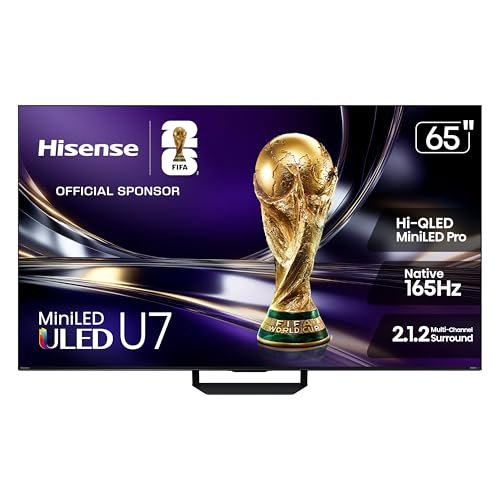

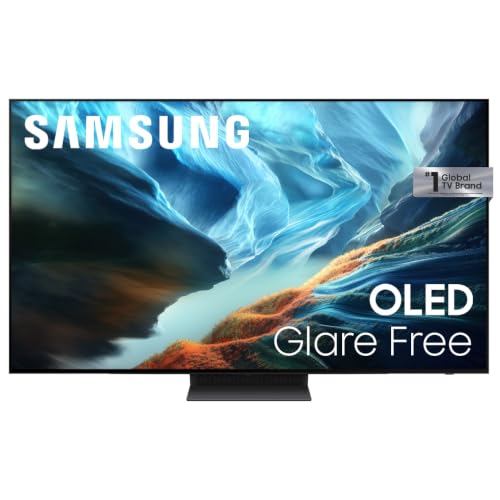

Who Should Buy Which Anti Glare TV?
Your room matters more than any single spec. Find the group closest to your home and use its priorities as a starting point.
Sunlit Living Rooms
If direct sun reaches the screen for part of the day, brightness and a true low reflection finish are your first filters. A bright panel with an anti reflective layer keeps the picture readable while window light is strong. Dark scenes in movies will still lose some detail at noon, so pair the TV with curtains or blinds you can close for evening films.
Open Plan Homes and Kitchens
Open spaces mix light from several directions: ceiling lights, windows and glossy counters. Look for wide viewing angles and a matte or low reflection surface, because you will watch from the sofa, the dining table and the stove, and reflections shift as you move.
Dim Rooms and Evening Viewers
If you watch mostly after dark with the lights low, glare is a smaller problem. Here contrast and black levels matter more, and you can spend less on peak brightness. A glossy screen can look excellent in a controlled room, so do not pay extra for glare features you will rarely use.
Rooms Where the TV Doubles as Decor
Some TVs are built to look like framed art when switched off, and many use a matte, low reflection screen so the picture does not look like a mirror on the wall. These suit living rooms where the screen is always visible, though they cost more per inch than a plain TV.
How Anti Glare TVs Reduce Reflections
Three things work together. First, the screen surface: a matte finish scatters incoming light so lamps and windows blur into a soft haze, while an anti reflective coating cuts the amount of light that bounces back at all. Second, brightness: a brighter panel keeps the image strong against the room light. Third, panel type, which sets how well black areas stay dark when the room is bright. A TV that is strong in only one of these areas still struggles in a sunny room.
For a closer look at models chosen for this problem, see our guides to the best tvs for glare and the best tvs for sun glare.
Key Features to Compare
Screen Finish and Coating
The finish decides how reflections look. A true matte surface spreads light widely and removes sharp mirror images, but it can soften fine detail slightly and lift black levels a little. A glossy surface keeps the sharpest picture and the deepest blacks, but shows every lamp and window. Many premium TVs use an anti reflective layer that sits between the two, keeping contrast while cutting reflections. Read the listing for the words matte, anti reflection or low reflection, because plain marketing words like vivid say nothing about glare.
Peak Brightness
Brightness is measured in nits, and higher numbers help in sunlit rooms. For a room with strong daylight, aim for a panel rated well above 600 nits, and treat figures above 1000 nits as a bonus for high dynamic range content. For an evening only room, a lower rated panel is fine. Compare peak brightness across models, but remember that a bright panel with a glossy finish can still show strong reflections.
Panel Type and Local Dimming
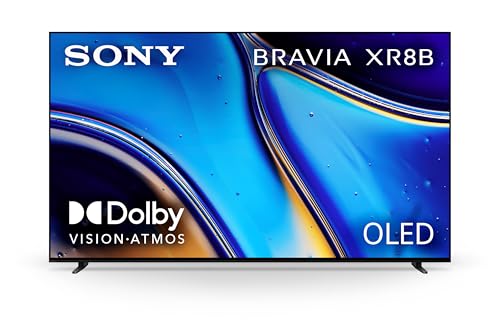
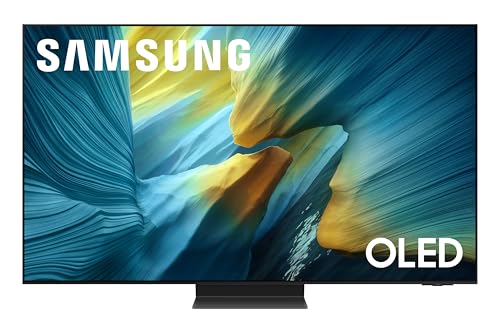
QLED and Mini LED panels reach high brightness, which suits bright rooms. OLED panels give perfect blacks and wide viewing angles, though their peak brightness is lower, so a good anti reflective finish matters more with OLED. Local dimming, which dims zones of the backlight separately, helps LED TVs keep dark scenes dark even when the room is lit.
Viewing Angles
If your seating is spread across a wide room, check the viewing angle. VA panels give strong contrast straight on but lose color off to the side, IPS style panels hold color better at an angle, and OLED panels stay consistent from almost anywhere. Wide angles also help glare, because a reflection that blocks one seat may not reach another.
Size and Viewing Distance
Choose a size that suits your room, not only your budget. As a rough guide, a 55 inch screen suits a seat about 7 to 8 feet away, and a 65 inch screen suits about 8 to 10 feet. A larger screen catches more room light, so a bigger TV in a bright room makes a good finish even more valuable.
Mounting and Placement
Placement removes glare that no screen finish can. Face the TV away from windows when possible, keep lamps beside or behind the seating instead of facing the screen, and tilt a wall mounted TV slightly downward if a ceiling light reflects in it. If you also work in the room, our guide to the best anti glare monitors covers the same ideas for a desk.
What Your Money Gets You
Prices change often, so use these bands as a rough guide rather than a promise. Compare the models in the product table above against them.
Budget Tier
Around $300 to $600, expect a bright enough LED panel for a moderately lit room, a plain finish with limited glare control, and basic smart features. These sets suit bedrooms and rooms with curtains you can close. Avoid judging only by screen size here, because a bigger screen with a weak finish reflects more.
Midrange Tier
Around $600 to $1,200, you find QLED and Mini LED panels with high brightness, local dimming, and better coatings. This is the sweet spot for most sunlit living rooms, because the brightness gain is large while the price is still reasonable.
Premium Tier
Above about $1,200, you pay for the strongest anti reflective layers, very high peak brightness, OLED panels with excellent contrast, and art style designs with matte screens. This tier makes sense for large screens in bright rooms where the TV is the centerpiece, and for viewers who care about picture quality in both day and night use.
Setup and Care Tips
- Use the picture mode made for bright rooms during the day, then switch to a movie mode in the evening, because the best settings change with the light.
- Turn off any automatic brightness setting that lowers the picture when the room is dark, if it makes daytime viewing look dim.
- Clean the screen with a dry microfiber cloth only, because sprays and rough fabric can damage anti reflective layers and matte finishes.
- Add blackout or sheer curtains on windows that face the screen, which helps more than any extra nits.
- Keep lamps off the wall behind and beside the screen if they cast sharp reflections, and use warm, shaded bulbs instead.
Frequently Asked Questions
Is matte or glossy better for a bright room?
Matte or low reflection screens are better in bright rooms, because they remove sharp reflections. Glossy screens look richer in a dark room, but a window or lamp can ruin the view in daylight.
Do anti glare TVs lower picture quality?
A strong matte surface can soften fine detail and lift blacks slightly, but modern anti reflective layers keep most of the contrast. For a sunny room, the gain from fewer reflections usually outweighs the small loss.
Is OLED a good choice for a bright living room?
It can be, if the screen has a good anti reflective finish and the room is not flooded with direct sun. OLED has lower peak brightness than QLED or Mini LED, so very bright rooms favor those panel types.
How many nits do I need?
For daytime viewing in a bright room, choose a panel rated well above 600 nits. For evening viewing only, a lower rating is enough, and you can put the money toward contrast and size instead.
Can a screen protector fix glare on any TV?
A matte screen film can reduce reflections on some TVs, but it can also add haze and may not fit every panel. For long term use, choose a TV with a low reflection finish built in, and keep a film as a low cost option only for a smaller screen.
Final Thoughts
Match the finish and brightness to your room first, then choose the panel type and size that suit how you watch. Compare your finalists in the product table above, and the best anti glare tvs for your home will keep the picture clear in daylight and in the evening. For more models built around the same problem, see our guide to the best tvs for glare reduction.