
Best Anti Gas Tablets 2026 Guide to Bloating Relief
Disclosure: We may earn a commission when you buy through links on this page, at no extra cost to you. As an Amazon Associate I earn from qualifying purchases. Learn more

Compare anti gas tablets for bloating and trapped wind, with guidance on how they work, price tiers, label safety, and when bloating needs medical attention.
Bloating and trapped wind make even simple days uncomfortable, and anti gas tablets offer a convenient option when diet changes alone do not settle symptoms. The best anti gas tablets for you depend on what drives your symptoms, what medicines you take, and whether warning signs need medical attention first. The comparison table below shows the options, and this guide explains how to choose safely.
Anti gas products help some people and disappoint others, largely because bloating has many causes, from swallowed air and diet to digestive conditions. A short, careful trial with attention to triggers usually tells you more than any product claim. Persistent, severe, or changing symptoms deserve medical review, not a stronger supplement.



Who Should Consider Anti Gas Tablets
For Occasional Bloating
Occasional bloating after large meals, carbonated drinks, or eating quickly often responds to simple measures plus an anti gas tablet. Eat slowly, avoid gulping air through straws and gum, and notice which foods precede symptoms. If bloating stays occasional and mild, a tablet for those episodes is reasonable.
For Diet Related Wind
Diet related wind often follows beans, brassicas, onions, and sugar alcohols, which ferment in the gut and produce gas. An anti gas tablet may ease discomfort, but reducing portion sizes of trigger foods and introducing them gradually often helps more. Keep a food and symptom diary for a few weeks to spot patterns reliably.
For Travelers and Social Occasions
Travelers and people facing important social occasions value portable tablets that work discreetly without water or preparation. A small pack in a bag covers unexpected meals and schedule changes. Remember that tablets manage symptoms, not causes, so they complement rather than replace attention to diet and eating habits.
What Your Money Gets You at Each Price Tier
Budget Tier: What to Expect
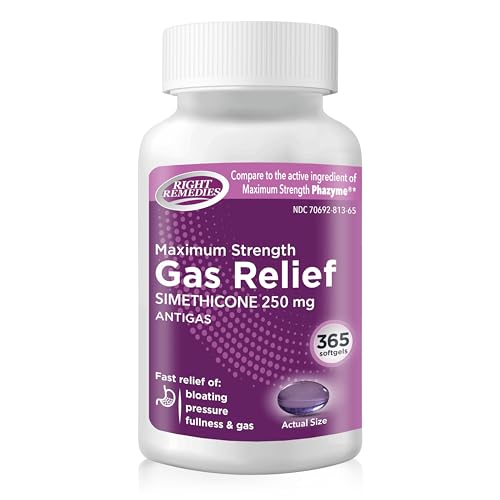
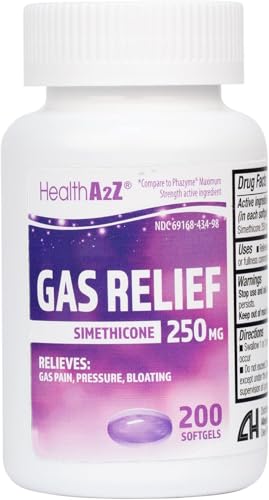
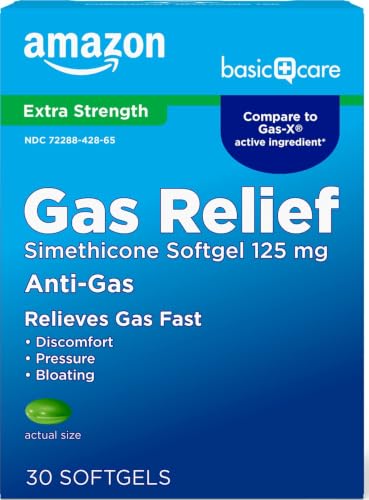
Budget anti gas tablets usually offer a single active ingredient, such as simethicone, in a plain tablet at a low price per dose. For occasional use, this is often all you need, since the core ingredient is similar across price points. Check the amount per tablet and the number of tablets, since price per dose matters more than price per pack.
Midrange Tier: The Sweet Spot for Most Buyers
Midrange products may add chewable flavors, smaller tablets, or combination ingredients aimed at digestion alongside gas relief. These conveniences suit regular users who value taste and ease, though they do not guarantee better relief. Compare active ingredients and doses with budget options before paying more for packaging or flavor.
Premium Tier: When Spending More Pays Off
Premium products may offer third party testing, clearer labeling, or specialized formulations for sensitive stomachs. Spending more pays off mainly when you value verified quality, a specific formulation your clinician suggested, or a form you tolerate better. For most occasional users, premium prices buy convenience and reassurance rather than stronger relief.
Features Worth Paying For
Active Ingredient and Dose Clarity
Simethicone works by breaking up gas bubbles, which may ease pressure and bloating for some people, though evidence is modest. Digestive enzyme products target specific food components, such as lactose or complex carbohydrates, and suit people with identified intolerances. A clear label stating the active ingredient and dose per tablet lets you compare products fairly and avoid duplicate ingredients across supplements.
Safety, Interactions, and Warning Signs
Simethicone is generally well tolerated with few interactions, but tell your clinician about all supplements and medicines you take. Seek medical care for persistent bloating, severe abdominal pain, vomiting, blood in stool, black stools, unexplained weight loss, or a sudden change in bowel habits. These signs can indicate conditions beyond simple gas and deserve prompt evaluation.
Mistakes to Avoid
Treating Every Bloating as Simple Gas
Persistent or worsening bloating can signal food intolerance, constipation, gut conditions, or other medical issues that tablets cannot fix. If bloating becomes frequent, severe, or accompanied by other symptoms, seek medical review rather than increasing tablet use. A correct diagnosis helps far more than a stronger anti gas product.
Stacking Similar Products
Taking several gas, digestive, and antacid products together can duplicate ingredients and confuse which product helps or harms. Use one product at a time during a trial, note the response, and discuss combinations with your pharmacist. Simplicity makes it easier to spot what actually works for you.
A Final Check Before You Order
Trial Carefully and Review Triggers
Choose a product with a clear active ingredient and dose, trial it for occasional episodes, and keep a brief diary of foods, symptoms, and relief. If relief is poor or symptoms change, talk with your clinician or pharmacist. The product table above helps you compare price tiers, but your symptom pattern should guide the choice.
Making the Most of Your Choice
Eating Habits That Help
Slow, mindful eating reduces swallowed air and gives digestion a calmer start, which often eases bloating more than tablets. Chew food thoroughly, put cutlery down between bites, and avoid talking with a full mouth. These small habits cost nothing and help many people within days, especially when combined with attention to trigger foods.
Movement and Bloating
Gentle movement after meals, such as a short walk, helps gas move through the gut and eases pressure. Prolonged sitting, especially hunched over a desk, can worsen bloating, so stand and move regularly during long sedentary days. Light stretching and abdominal breathing also help some people, though severe or persistent symptoms still need medical review.
Reviewing Your Medicines
Some medicines contribute to bloating and constipation, including certain painkillers, iron supplements, and gut slowing medicines. Review your medicine list with your pharmacist if bloating began after starting a new medicine, and never stop prescribed medicines without professional advice. A pharmacist can often suggest timing or formulation changes that ease symptoms.
More Habits That Support Digestion
Stress and Digestion
Stress affects digestion strongly, slowing or speeding gut movement and increasing sensitivity to normal gas. Relaxation, regular sleep, and unhurried meals help many people with bloating, sometimes more than dietary changes alone. If stress and digestive symptoms feed each other persistently, talk with your clinician about support options.
Fiber Changes Done Gradually
Increasing fiber suddenly often worsens bloating, while gradual increases with adequate fluids help the gut adapt. Add fiber rich foods slowly over weeks, and notice which types suit you, since soluble fiber from oats and beans behaves differently from insoluble fiber in bran. Patience with fiber changes prevents a well intentioned diet shift from backfiring.
For a related option, our guide to best gas tablets looks at how that choice compares for everyday use and value.
You may also find our guide to best anti inflammatory tablets helpful, since it covers a closely related option with different strengths.
Frequently Asked Questions
How do anti gas tablets work?
Simethicone based tablets work by breaking larger gas bubbles into smaller ones, which may ease pressure and help gas pass more easily. Evidence for benefit is modest, and results vary because bloating has many causes. Enzyme based products work differently, helping break down specific food components that produce gas during digestion.
Are anti gas tablets safe?
Simethicone is generally well tolerated with a low risk of side effects or interactions, which is one reason it is widely used. Other formulations, especially enzyme blends and herbal products, carry different considerations, so read labels carefully. Tell your clinician about all supplements you take, and seek care for severe or persistent symptoms.
How can I reduce bloating without tablets?
Eat slowly, chew thoroughly, and avoid gulping air from straws, gum, and rushed meals. Notice trigger foods such as beans, brassicas, onions, and sugar alcohols, and adjust portions gradually. Regular movement, adequate fluids, and managing constipation also reduce bloating for many people, often more than tablets alone.
When should bloating be checked by a doctor?
Seek care for persistent bloating lasting weeks, severe pain, vomiting, blood in stool, black stools, unexplained weight loss, or a sudden change in bowel habits. Bloating with fever, swelling of the abdomen, or difficulty eating also deserves prompt evaluation. These signs can indicate conditions that need diagnosis and treatment beyond symptom relief.
Can I take anti gas tablets with other medicines?
Simethicone has few known interactions, but combination products and enzyme blends may interact differently, so check labels and ask your pharmacist. Separate new supplements from regular medicines when advised, and always tell clinicians about everything you take. This protects your prescribed medicines and helps spot duplicate ingredients.
Final Thoughts
The best anti gas tablets are the ones with a clear active ingredient and dose that ease your occasional bloating without masking symptoms that need care. Use the product table above to compare price tiers, then trial carefully and track your triggers. Relief that comes with understanding your own patterns lasts far longer than relief from a tablet alone.


