
Best Anti Fatigue Work Boots in 2026: Which Type Is Right for You?
Disclosure: We may earn a commission when you buy through links on this page, at no extra cost to you. As an Amazon Associate I earn from qualifying purchases. Learn more
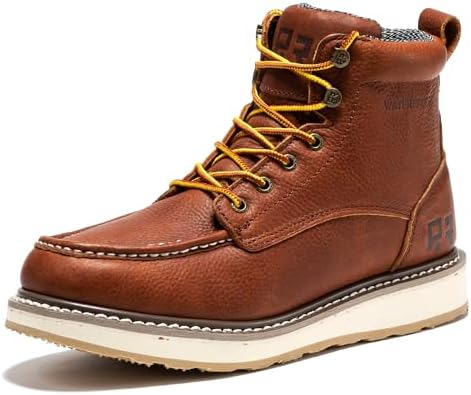
Compare the best anti fatigue work boots by type, cushioning, boot weight, and price, and learn which comfort features matter most on long shifts.
Standing all shift on concrete or tile makes small comfort differences feel huge by the final hour. Makers sell many boot styles under the anti fatigue label, which leaves buyers guessing which type fits their job. This guide compares the main types of the best anti fatigue work boots side by side, then shows how to match cushioning, weight, and support to your floor and your duties. The comparison table below gives the quick view before the detailed breakdown.
One honest note before the types: a boot is a comfort tool, not a medical treatment. The right pair can make a shift feel easier on your feet and legs, but it cannot fix an injury or a health condition. Keep that framing in mind as you weigh the options below.
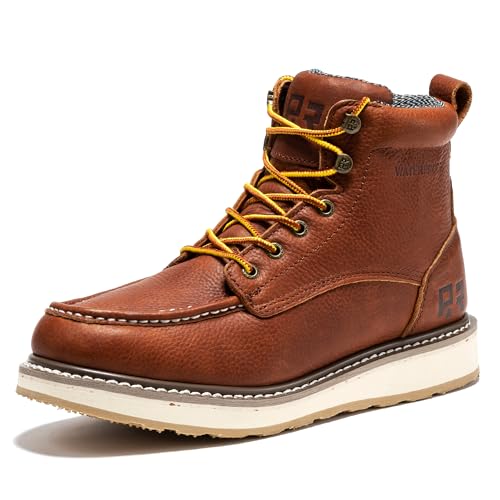


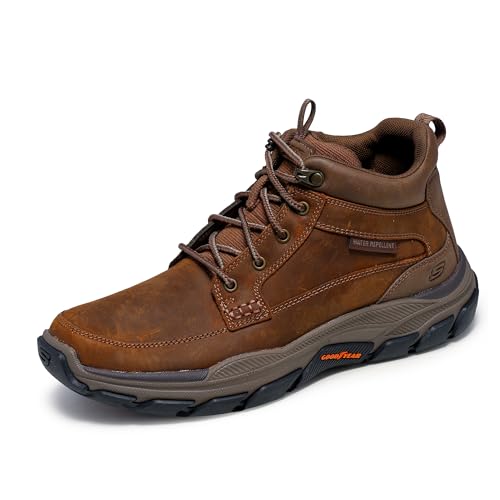
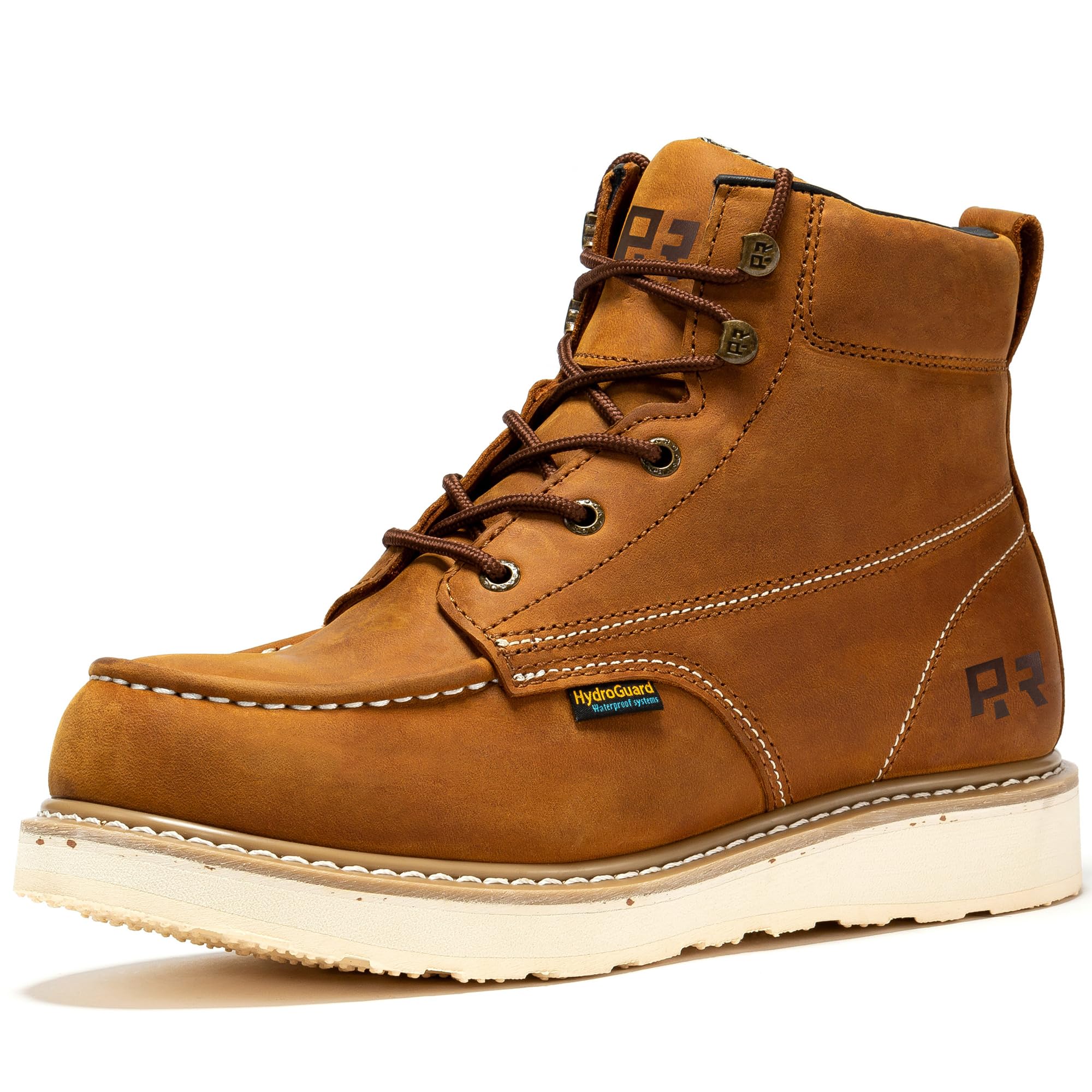


Types of Anti Fatigue Work Boots Compared
Every type below earns the anti fatigue label the same way, through cushioning, and it helps to read that cushioning as a midsole class. A thick foam midsole compresses under each step and rebounds as you lift your foot, which spreads pressure across the sole instead of concentrating it on one sore spot. Density matters as much as thickness, since very soft foam packs flat within months while firmer foam keeps its spring longer.
That is why the best anti fatigue work boots are grouped here by how they cushion and support rather than by looks. If you want the broader category first, our guide to best work boots covers the standard safety and fit basics these comfort types build on.
| Type | Best For | Pros | Cons | Typical Price |
| Cushioned soft toe boots | Warehouse and retail floors | Thickest foam, light weight | No toe protection | about $80 to $130 |
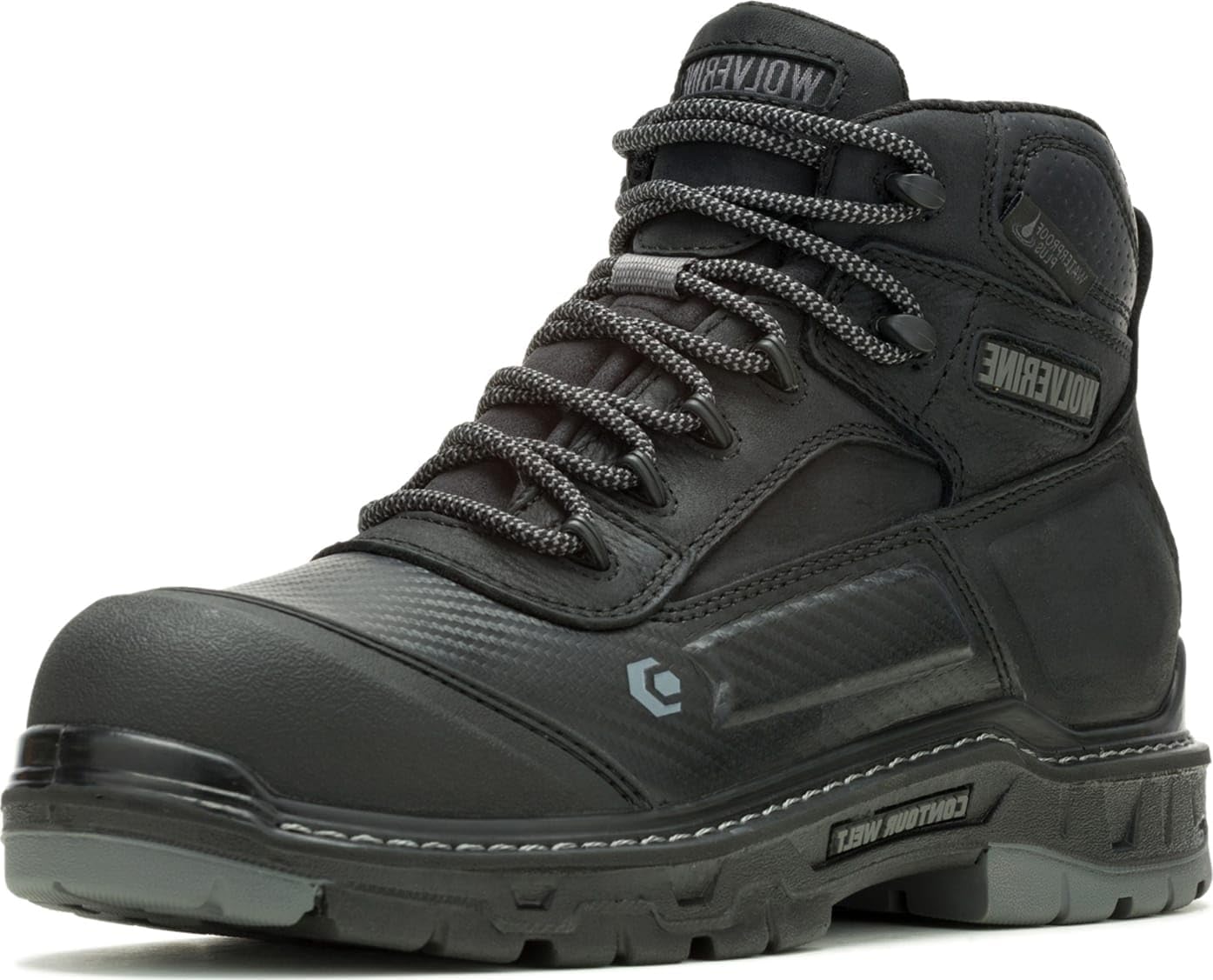
| Waterproof membrane boots | Wet plants and outdoor crews | Dry feet, same foam comfort | Warmer, less breathable | about $110 to $170 |
| Stability and support boots | Long standing at benches | Firm arch support, steady feel | Less plush underfoot | about $100 to $160 |
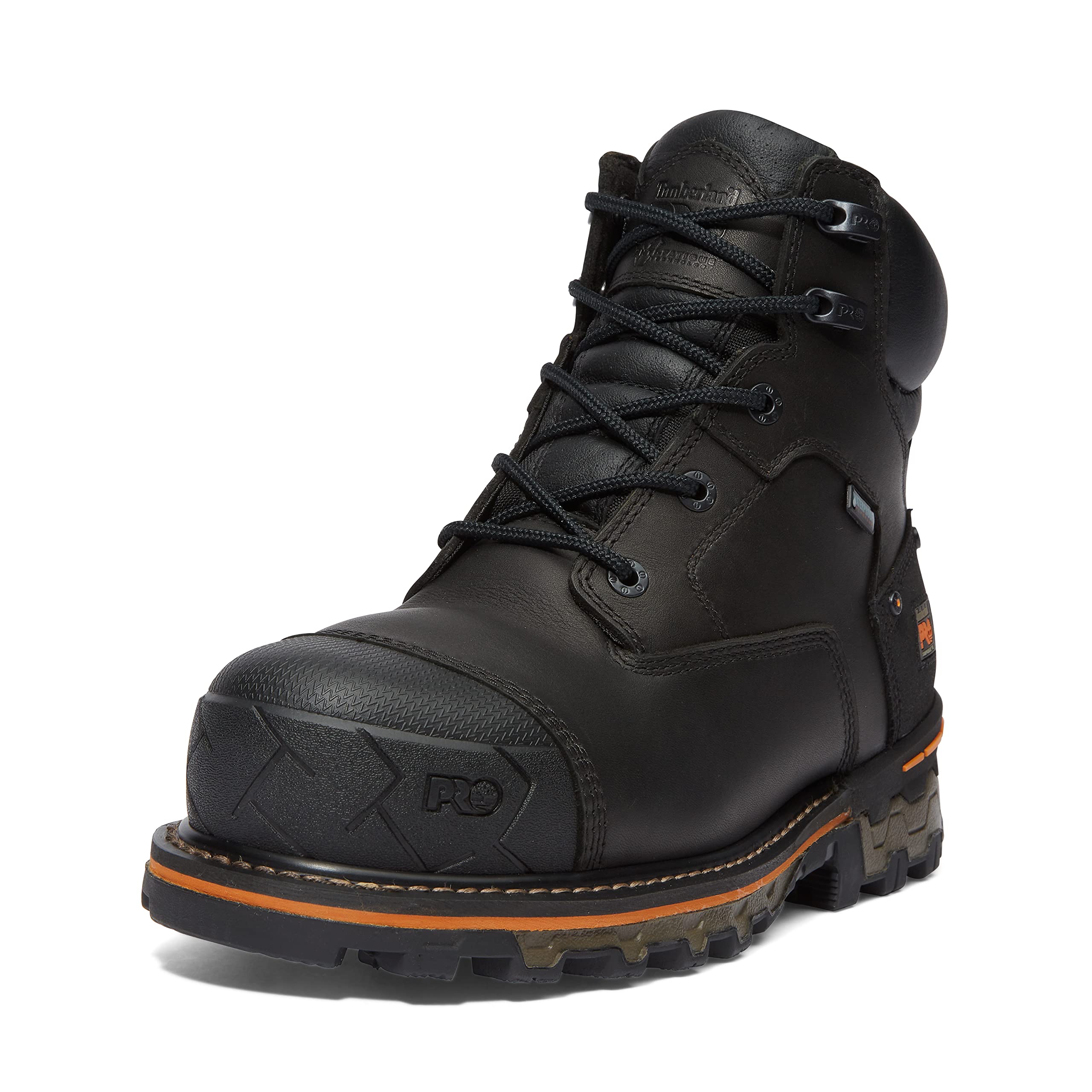
| Safety toe comfort boots | Sites that require toe caps | Protection plus cushioning | Heaviest type | about $120 to $190 |
Cushioned Soft Toe Boots
This type pairs the thickest foam midsole with a light soft toe upper, which makes it the easiest starting point for indoor floors. Read the weight as a shift class rather than a number on a spec sheet, because a pair around one to two pounds feels very different at hour ten than it did at hour one. Each extra ounce is lifted thousands of times per shift, so lighter boots usually win for staff who walk miles of aisle every day.
Waterproof Membrane Boots
A sealed membrane lines the upper and keeps water out while the same foam midsole handles comfort. This type suits food plants, wash down areas, and outdoor crews who stand in rain or puddles through a shift. The trade off is heat, since the membrane slows airflow and feet run warmer than in an unlined boot.
Stability and Support Boots
A firmer midsole, a shaped arch, and a wider base define this type, which trades plush softness for a steadier platform. It suits workers who stand in one area for long stretches and prefer support they can feel under the arch. Expect a break in week while your feet adjust to the firmer feel.
Safety Toe Comfort Boots
Steel or composite toe caps add protection, and makers pair them with the same cushioned midsoles as the lighter types. This is the required choice on sites with falling object rules, and composite caps keep the weight lower than steel. Check that the cap shape leaves room for your toes, because a cramped toe box cancels much of the comfort gain.
Cushioned Soft Toe Boots vs Stability Boots: Which Should You Choose?
These two types split on one question: do you walk your shift or stand it? Soft toe cushioned boots feel plush step after step, so they suit pickers, stockers, and retail staff who cover ground all day. Stability boots feel firmer and flatter, so they suit bench, line, and counter workers who stand in a small area and want the arch held up.
If you stand at one fixed station all shift, footwear is only half of the surface equation, since best anti fatigue floor mats are a floor class product that cushions the station itself rather than anything you wear. For everyone else, let your walking distance decide: miles of aisle point to the cushioned type, while a fixed post points to stability.
How to Choose the Right Anti Fatigue Work Boot
Start with your floor, your toe protection rules, and how much you walk versus stand. Shoppers who do not need a boot at all can note that best anti fatigue shoes are a low cut footwear class that shares the same foam idea for jobs where boots are not required. And if foot, knee, or back pain persists, keeps returning, or includes numbness or swelling, treat that as a health question and talk with a clinician rather than shopping for a stronger boot.
Waterproofing and Membranes
Choose a membrane boot only when your work is genuinely wet, such as wash down areas, outdoor sites, or kitchens with constant splashes. On dry indoor floors the membrane adds cost and heat without buying you anything. Sealed seams matter as much as the membrane itself, since a stitched upper can leak at the joins. When in doubt, a water resistant treated leather upper handles occasional splashes for most indoor jobs.
Arch Support and Foot Type
Cushioning and support are different jobs, and your foot type decides which one you need more of. Flat feet usually feel better with a shaped arch that stops the midfoot collapsing inward, while high arches often prefer pure cushioning under the heel and forefoot. Most comfort boots ship with removable insoles, so you can swap in an aftermarket insole matched to your arch.
Outsole Traction and Terrain
The outsole has to match your floor just as the midsole matches your feet. Deep lugs of about 4 to 6 millimetres suit outdoor yards and muddy sites, while shallow lugs of about 2 to 3 millimetres grip smooth indoor floors without trapping dirt. Kitchens and workshops with oil or water on the floor call for a slip resistant compound with a fine, dense pattern. A worn smooth outsole is a fall risk long before the upper looks tired, so check the tread monthly.
Fit, Sizing, and Toe Box
Fit work boots at the end of a shift, when your feet are at their most swollen, and wear your usual work socks. Your longest toe needs clear space in front, and the heel should sit without sliding as you walk. Width matters as much as length for comfort, since a squeezed forefoot aches hours before a loose one does. If you use thick aftermarket insoles, bring them to the fitting, because they raise your foot inside the boot.
Care and Maintenance Tips
Rotation is the care habit that protects cushioning best, so read rotation as a two pair class strategy if you work daily shifts. Foam needs about a day to rebound after a long shift, and alternating two pairs lets each midsole recover its thickness instead of packing flat. Air dry wet boots away from direct heat, brush mud from the lugs, and replace insoles when they thin out. At home, best anti fatigue slippers are a soft home footwear class made for after shift floors around the house, a recovery comfort item rather than anything worn on site.
Anti Fatigue Work Boots: Your Questions Answered
How often should I replace anti fatigue work boots?
Replace them when the midsole stops rebounding, which for daily wear is often somewhere around a year of shifts. A simple check is to press a thumb hard into the heel foam: foam that stays dented has packed flat and no longer cushions. Marking the start month on the inside of the tongue helps you judge age honestly later. Waiting for the upper to fail means months of shifts on dead foam first.
Can I wear anti fatigue work boots all day?
Yes, they are built for full shifts, and most wearers settle in within the first week. Comfort still improves with small habits, such as sitting during breaks and shifting your weight instead of locking your knees. If one spot rubs from the first day to the fifth, the fit is wrong and more time will not fix it.
Do anti fatigue work boots need to be waterproof?
No, waterproofing only matters when your floor or site is actually wet. On dry indoor floors an unlined boot breathes better and feels cooler across a long shift. Unlined pairs also dry out fully overnight, which keeps odors down and the lining in better shape. Save the membrane versions for wash down areas, outdoor crews, and jobs with constant splashes underfoot.
Are expensive anti fatigue work boots worth it?
Higher prices usually buy denser foam that keeps its spring longer, plus better uppers and outsoles. A budget pair can feel just as soft in the store and still pack flat within a few months of daily shifts. Replaceable insoles add real value at any price, since a fresh insole restores much of the cushion for a fraction of a new pair. Judge value by months of comfortable shifts, not by softness on day one.
How should anti fatigue work boots fit?
They should fit with about a thumb width of space in front of your longest toe while you stand. The midfoot should feel held rather than squeezed, and the heel should not lift out with each step. Feet swell across a shift, so a fit that feels perfect at eight in the morning can feel tight by evening. Trying boots on after work, in your work socks, is the closest match to real conditions.
Final Thoughts
Match the type to your floor first, then judge the midsole foam and the weight you will lift all shift. The product table above lines the four types up by price and best use, so compare your short list there and choose the best anti fatigue work boots your duties actually demand. If discomfort persists even in a well fitted pair, talk with a clinician about your feet rather than buying a third pair.


