Best Anti Clog Toilets: What Actually Matters Before You Buy in 2026
Disclosure: We may earn a commission when you buy through links on this page, at no extra cost to you. As an Amazon Associate I earn from qualifying purchases. Learn more

Best anti clog toilets: flush power, trapway width, rough in fit and water use compared, with honest limits.
Frequent clogs usually trace back to flush design, not to bad luck or to the people using the bathroom. This guide explains what actually matters when you compare best anti clog toilets, using a short checklist of flush power, passage size, fit and water use. The product table gives a quick overview, and the sections after it turn each factor into a simple check.
No toilet can promise a clog free life, and this guide will not pretend otherwise. What a stronger flush design can do is clear typical waste and paper loads in one flush far more often. Read the factors in order, note your measurements, then use the checklist near the end before you spend.
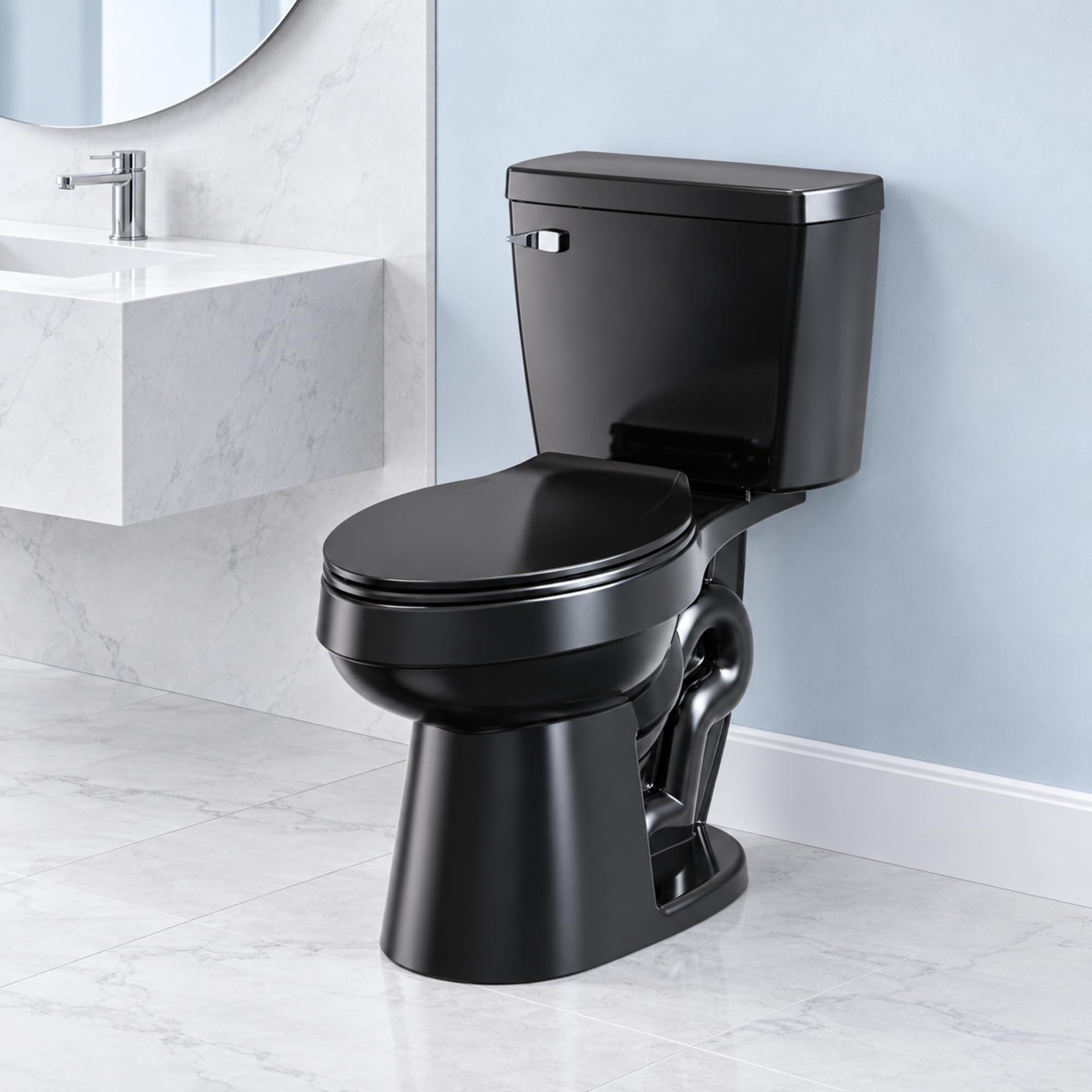


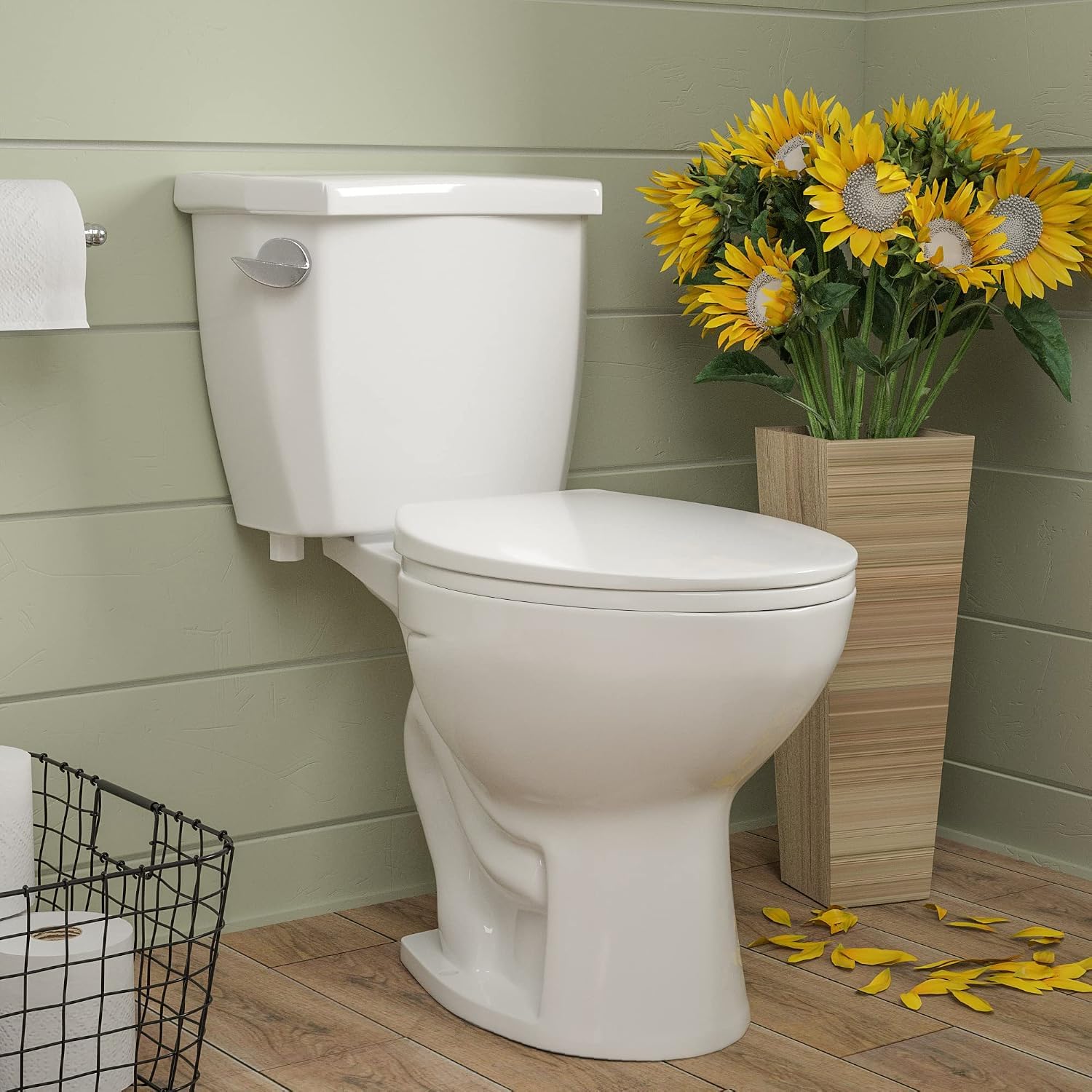


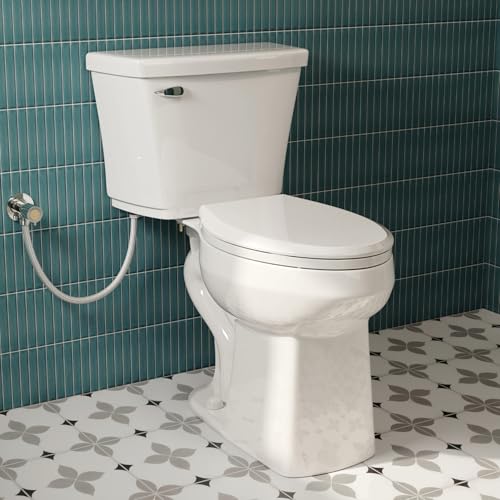

Key Features to Compare
In plain terms, flush power and the trapway decide clog risk: flush power is the speed and volume of water that enters the bowl, and the trapway is the curved passage that carries waste out. A stronger flush moving through a wider, smoother trapway leaves less behind. When you compare the best anti clog toilets, judge those two parts before style or price.
Honesty matters here: no toilet is clog proof. A strong flush lowers the odds of a clog and clears most loads at once, but wipes, excess paper and objects that never belonged in a bowl can still block any passage. Treat clog resistance as a probability you can improve, not as a promise you can buy. Our guide to the best toilets to prevent clogs covers the daily habits that support a strong flush.
Flush Power and Trapway Design
Gravity flush designs rely on tank water dropping fast through large flush valves, while pressure assisted designs use sealed vessel pressure to push water harder. Both classes can clear well, and the trapway decides how much of that power reaches the drain. Wider trapways, often around 2 inches or more across, pass bulky loads that stall in narrow passages. Our guide to the best non clog toilets follows the same rule: passage size and water speed matter more than bowl shape claims.
Size and Rough In Fit
The rough in is the distance from the finished wall to the center of the floor drain, and it governs whether a toilet installs without moving plumbing. A rough in standard of about 12 inches fits most bathrooms, while older or compact rooms may measure about 10 inches or about 14 inches and need a matching model. Round bowls save space in small rooms, while elongated bowls give more seating room where the layout allows.
Water Use and Efficiency Ratings
A flush volume of about 1.28 gallons is the rated WaterSense class, the benchmark for efficient models that still clear well. Strong designs move that smaller volume fast, so water savings do not have to mean weak clearing. Dual flush models use about 1.1 gallons for liquid waste and a fuller flush for solid waste. Check the rated volume on the spec sheet rather than trusting tank size, since a large tank can release water slowly.
Comfort Height and Bowl Shape
Seat height runs from about 15 inches in standard models to about 17 to 19 inches in comfort height models, measured to the top of the seat. Taller bowls help many adults sit and stand with less knee strain, while shorter bowls suit children better. Elongated bowls add front room and comfort for long sits. None of these choices changes clog risk directly, but a comfortable bowl gets used correctly, with sensible paper amounts.
Build Quality and Internal Parts
Most bowls are vitreous china, a glazed ceramic that resists staining when the glaze is even. The glaze should continue through the trapway, since a smooth glazed passage sheds waste far better than a rough unglazed one. Inside the tank, look for a large flush valve, a durable flapper or seal, and fill parts that local stores stock widely. Common part sizes mean a worn seal is a cheap fix instead of a full replacement.
Durability and Ease of Care
Two piece models join tank and bowl with bolts and a gasket, which keeps prices lower. One piece models cast the body as a single unit, which removes the joint and makes the outside easier to wipe clean. Skirted sides hide the trapway outline and cut cleaning time, though they can add cost and weight. In hard water areas, mineral buildup narrows passages slowly, so easy cleaning access protects flush power over time.
Price Bands and What Each Band Buys
Price buys flush hardware, glaze quality and comfort options more than it buys promises. Shoppers who start with our guide to the best no clog toilets often ask where the sensible spending line sits, and the three bands below give a practical answer.
Lower Price Band: about $150 to $250
Lower priced models usually pair a basic gravity flush with a standard size trapway, and many clear ordinary loads well in homes with good drain lines and modest paper use. What you give up is margin: the trapway glaze may be thinner, comfort height choices are fewer, and fill valves tend to be noisier. For a guest bathroom, this band can be a sound buy.
Middle Price Band: about $250 to $400
The middle band is where clog resistance improves most clearly. Models here more often offer wider and fully glazed trapways, larger flush valves and comfort height bowls as standard. For a main family bathroom, this band balances clearing power, comfort and parts support best.
Upper Price Band: about $400 to $700
Upper priced models add pressure assisted flush classes, one piece bodies, skirted sides and more refined glaze finishes. The clearing gain over a good middle band model is real but smaller than the price jump suggests, and these units can be louder. Choose this band for heavy use homes or where a past weak toilet has made reliability the top priority.
Quick Buyer Checklist
Run through these questions before you order, and treat any No answer as a reason to look at another model.
- Is the trapway fully glazed, with its width stated on the spec sheet?
- Does the stated flush volume sit at about 1.28 gallons or below?
- Does the rough in of the toilet match your measured rough in?
- Is the flush valve a large size class rather than the smallest class?
- Are replacement flappers, seals and fill valves easy to find locally?
- Does the seat height suit the main users of this bathroom?
- Is the bowl shape a fit for the room space you measured?
Red Flags to Watch For
Our guide to the best toilets to avoid clogs shares this caution: strong wording on a box is not evidence of strong clearing. Watch for these warning signs while you compare models.
- Flush claims with no stated flush volume and no stated trapway width.
- A trapway described as smooth but never described as glazed.
- No rough in figure listed, which can hide a fit problem until install day.
- Internal parts in rare sizes that only one source can supply.
- A very low price paired with promises that clogs are impossible.
Care and Maintenance Tips
Only waste and toilet paper should go into any toilet, since wipes and cotton products tangle in the passage and cause most household clogs. Clean the rim jets and bowl with a brush and a mild cleaner so water enters the bowl at full speed. Check the flapper and fill valve once a year, because a slow tank refill weakens every flush. For the rare blockage that still happens, keep a clearing aid from our guide to the best clog remover for toilets on hand, and always follow its label directions.
Your Questions Answered
Can any anti clog toilet be fully clog proof?
No anti clog toilet can be fully clog proof, because the toilet is only one part of a longer drain path. Even a wide trapway and a strong flush cannot move wipes, toys or large paper loads, and an older drain line with rough walls can stall waste after it leaves the bowl. Judge models by how much they lower the odds, and keep sensible flushing habits as the second half of the system.
What flush volume should I look for in an anti clog toilet?
Look for a rated flush volume of about 1.28 gallons, which balances clearing power with water savings in modern designs. Older toilets often used about 1.6 gallons or even about 3.5 gallons, yet many cleared worse than current models because their valves released water slowly and their trapways were narrow. Volume alone does not clear a bowl: release speed and passage width decide how well that water works.
Does a pressure assisted toilet clear better than a gravity toilet?
A pressure assisted toilet often clears bulky loads better, because sealed pressure pushes water through the trapway with more force. The trade offs are noise and parts specific to that flush class, which can cost more to service. A well designed gravity model with a wide glazed trapway closes most of the gap for typical homes, so reserve pressure assistance for problem drains or heavy use.
How do I measure the rough in of my bathroom?
Measure the rough in from the finished wall behind the toilet to the center of the floor bolts on either side of the base. Measure to the wall surface itself, not to the baseboard, since baseboard thickness can shift the figure and lead to a wrong order. Most rooms measure about 12 inches. If yours measures about 10 inches or about 14 inches, limit your shortlist to models built for that size.
What should I do first when an anti clog toilet still clogs?
Stop flushing first, because extra flushes raise the bowl water and risk an overflow onto the floor. Let the water level fall, then use a flange plunger with a firm seal over the bowl outlet and steady pushes to move the blockage. If two careful attempts fail, the blockage may sit deeper in the drain line, and an auger or a plumber is the safer next step than chemical strength or force.
Final Thoughts
To sum up, the best anti clog toilets earn the name through flush power, a wide glazed trapway and an honest fit for your rough in, not through bold claims on a box. Use the product table to compare the bands, run the checklist against your own measurements, and remember that good flushing habits protect any model. Match those three things and clogs become rare events rather than a weekly routine.