Best Area Rugs for Bathrooms in 2026: Everything to Know Before Your First Purchase
Disclosure: We may earn a commission when you buy through links on this page, at no extra cost to you. As an Amazon Associate I earn from qualifying purchases. Learn more

Shopping for the best area rugs for bathrooms for the first time? Learn the terms, compare options, and avoid rookie mistakes with this easy guide.
Buying a rug for a bathroom is different from buying one for a living room, because water, steam, and daily bare feet change what works. If this is your first time shopping for the best area rugs for bathrooms, this guide starts with the plain basics, explains each term in simple language, and ends with a calm way to choose. You do not need to know anything about rugs before you start.
Think of the job in three parts: keep your feet warm and dry, stay safe on a wet floor, and survive frequent washing. The comparison table below gives you a quick view of sizes and materials, and the sections after it explain how to read those details like a confident buyer.



Area Rugs 101: The Basics
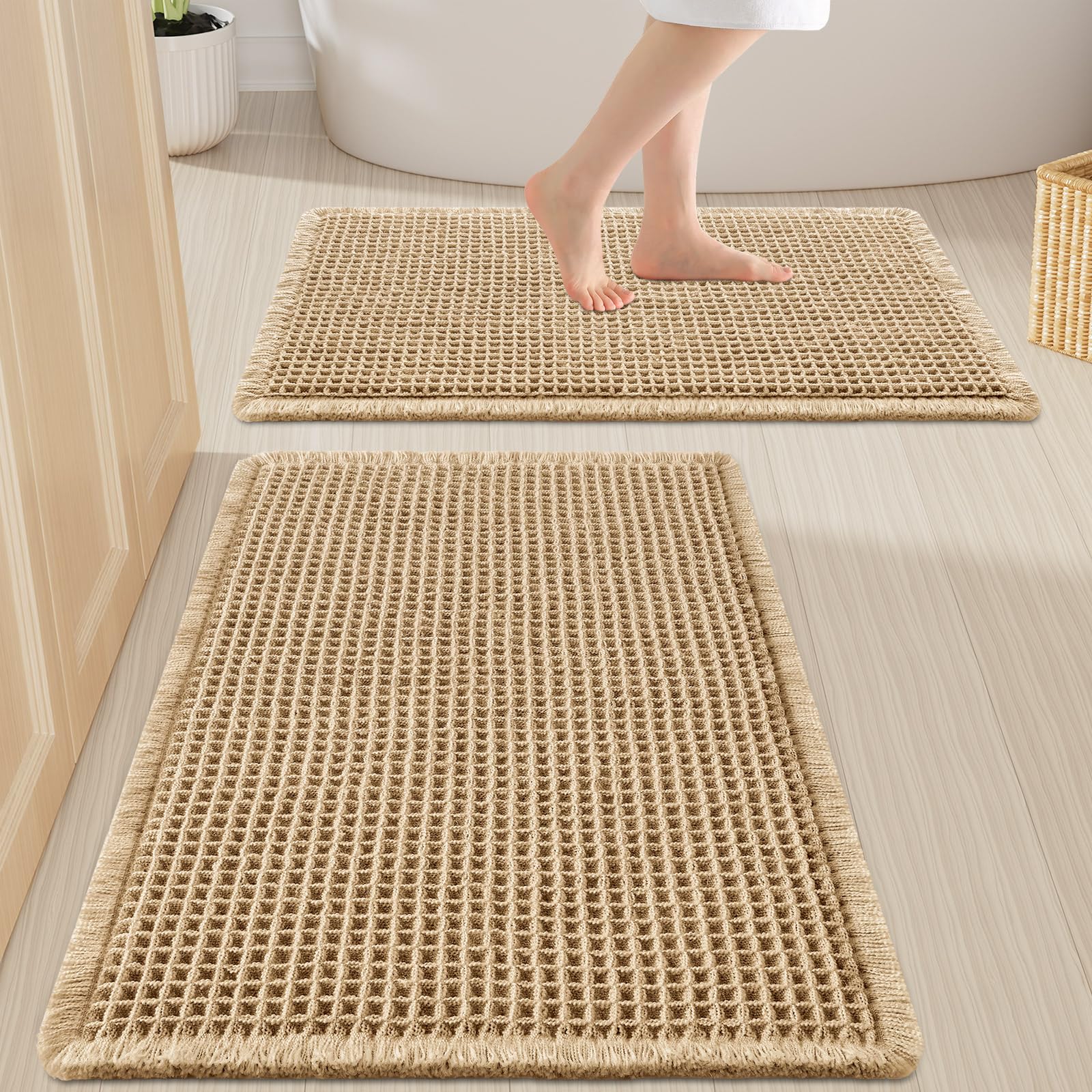
An area rug is a floor covering that sits on top of your hard floor rather than being fixed to it, so you can lift it, wash it, and move it. In a bathroom, people usually place a rug in front of the tub or shower, in front of the sink, or in both spots. Terms you will see often include pile, which is the height of the fibers, backing, which is the underside that touches the floor, and absorbency, which is how much water the fibers can hold.
Bathroom rugs earn their keep in small daily moments: stepping out of the shower onto something warm, catching drips at the sink, and softening a cold tile floor on winter mornings. Because the room stays humid, a bathroom rug also has to dry between uses. A rug that stays damp will smell, wear out early, and can grow mildew, so drying speed matters as much as softness.
Key Specs Explained in Plain English
Features That Matter for Bathrooms
Bathrooms demand water handling above all else. Look for fibers that absorb drips but release water during washing, a backing or pad that grips wet tile, and a size that leaves a dry border so the rug is not sitting in a puddle. A rug that covers the splash zone in front of the tub, roughly the length of the tub, protects the floor best. If your bathroom has a heated floor, check that the rug and pad are rated for use over gentle heat.
Material and Fiber
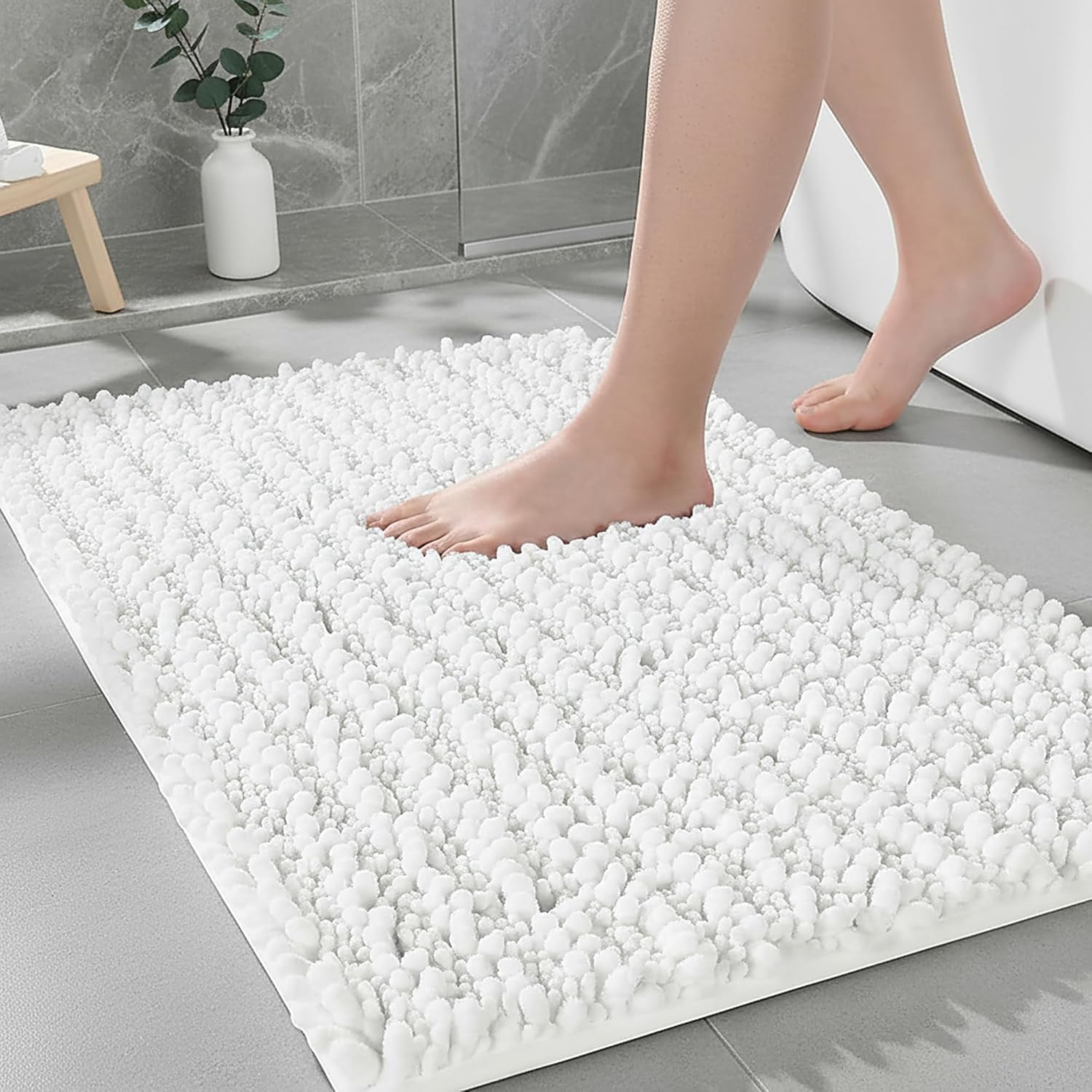
Cotton absorbs water well, feels soft, and washes easily, but it dries slowly and can feel heavy when soaked. Microfiber and other synthetic fibers absorb a surprising amount of water, dry faster than cotton, and usually cost less. Memory foam bath mats feel plush underfoot and soak up drips, yet they can be slow to dry fully and some cannot go in a washing machine. Nylon is durable and dries quickly. For most first time buyers, cotton or a synthetic blend that is fully machine washable is the simplest place to start.
Size and Fit
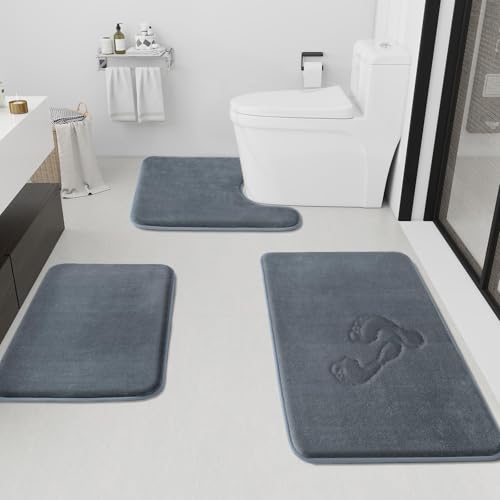
Measure before you shop, because bathroom space is tight. A common single rug size is about 20 by 32 inches in front of a tub or sink, while a runner of about 20 by 60 inches suits a double vanity or a long tub. Leave a few inches of visible floor on each side so the rug sits flat and the door can swing without dragging. Check toilet clearance too: a contoured shape can fit around the base, but a simple rectangle is easier to wash and rotate between two spots.
Certifications
Certifications tell you what was checked about the materials. OEKO TEX Standard 100 means the textile was screened for harmful substances, which matters for a product your bare feet touch daily and that sits in warm, humid air. Some rugs also list low emission or formaldehyde free claims; prefer claims that name the program doing the checking. A certification does not tell you how absorbent a rug is, so treat it as a safety screen you apply after the practical points, not as a substitute for them.
Pile Height and Dry Time
Taller pile feels plusher and holds more water, but it takes longer to dry and can stay damp in a small bathroom with weak airflow. Low to medium pile, around half an inch or less, balances comfort and dry time for most homes. If you love a plush feel, choose the plush rug but hang it over the tub edge or a rail after showers so air reaches both sides. Thick foam mats need the same habit, stood on edge to dry rather than left flat on wet tile.
Rookie Mistakes to Avoid
- Buying for looks alone. A pretty rug that slips on wet tile or never dries is a daily annoyance and a safety risk, so check grip and washability before color.
- Choosing a rug that is too big. Oversized rugs bunch against walls and doors, trap water at the edges, and are hard to lift and wash often.
- Ignoring the care label. If it cannot go in your machine and you know you will not hand wash weekly, it will not stay fresh in a bathroom.
- Using a latex backed rug and forgetting it. Heat and moisture can break down some backings over time, leaving residue on tile, so inspect the underside every few months.
- Keeping only one rug. A single rug is always either damp, in the wash, or missing from the floor, so a rotating pair solves the problem cheaply.
Getting Started: Setup and First Use
Wash a new bathroom rug before first use, following its label, to remove loose lint and factory finishes that reduce absorbency. Place it on a clean, dry floor, and add a nonslip pad cut slightly smaller than the rug if the rug has no gripping backing of its own. After each shower, shake the rug, and hang it to dry whenever it feels soaked through. Wash bathroom rugs about once a week in warm water with similar items, since body oils and humidity build up fast in this room. Tumble dry on low or line dry as the label directs, and make sure the rug is fully dry before it goes back on the floor. If you are comparing build quality across price points, our guide to the best quality bathroom rugs shows what better stitching and backing look like.
Area Rugs: Your Questions Answered
What features matter most in area rugs for bathrooms?
Absorbency, grip on wet tile, and full washability matter most, in that order. A rug that soaks up drips protects your floor, a rug that stays put protects you, and a rug you can wash weekly stays fresh in humid air. One detail many listings hide is dry weight versus soaked weight, so if a cotton rug sounds very thick, expect it to get heavy and plan a drying spot.
How often should I replace my area rug?
Replace a bathroom rug when it stays musty after washing, the backing cracks or sheds flakes, or the pile mats down and stops absorbing. With weekly washing, many bathroom rugs last about one to two years, which is shorter than rugs in dry rooms. Keeping two rugs in rotation roughly doubles the life of each, because each one rests and dries fully between uses.
Is a higher pile always better for bathroom rugs?
No, higher pile is not always better in a bathroom. Tall pile feels soft and holds more water, but it dries slowly and can stay damp between showers, which invites odor. A medium pile rug that dries by evening is usually the healthier daily choice. Save the tallest, plushest styles for a powder room where splashes are rare and traffic is light.
Are quick drying area rugs worth it for steamy bathrooms?
Yes, quick drying rugs are worth it in small or windowless bathrooms where humidity lingers. Synthetic fibers release water faster than cotton, so the rug feels dry for the next person and resists mildew smells. The trade off is feel: some quick drying mats feel less soft than cotton at first, though a medium pile surface softens that difference while still drying well.
How do I wash area rugs safely?
Shake the rug outdoors first, then wash it in warm water with a mild detergent and no fabric softener, since softener coats fibers and cuts absorbency. Wash foam mats only if the label allows machine washing, and never wring a backed rug hard. Dry it fully, flat or hanging, before reuse. If you want rugs built around easy laundering, see our guide to the best washable bathroom rugs for care features to look for.
What thickness is best if my feet get sore standing at the sink?
A medium pile rug over a thin cushioned pad, or a foam mat of about half an inch, gives sore feet relief without the slow drying of a very thick rug. Stand on the setup in socks before you commit to a second one for the tub side. If soreness is new, sharp, or one sided, get it checked by a clinician rather than treating flooring as the fix.
Our Verdict
For a first purchase, keep it simple: a machine washable cotton or synthetic rug, low to medium pile, sized to the tub or sink with a dry border, and a gripping underside or pad. Buy two so one can dry while the other works. Use the product table above to compare sizes and care labels, and shortlist the best area rugs for bathrooms that fit your space and laundry habits. For wider quality cues before you spend more, our overview of the best quality area rugs and our notes on the best bath rugs for bathroom setups can help you plan the whole room.