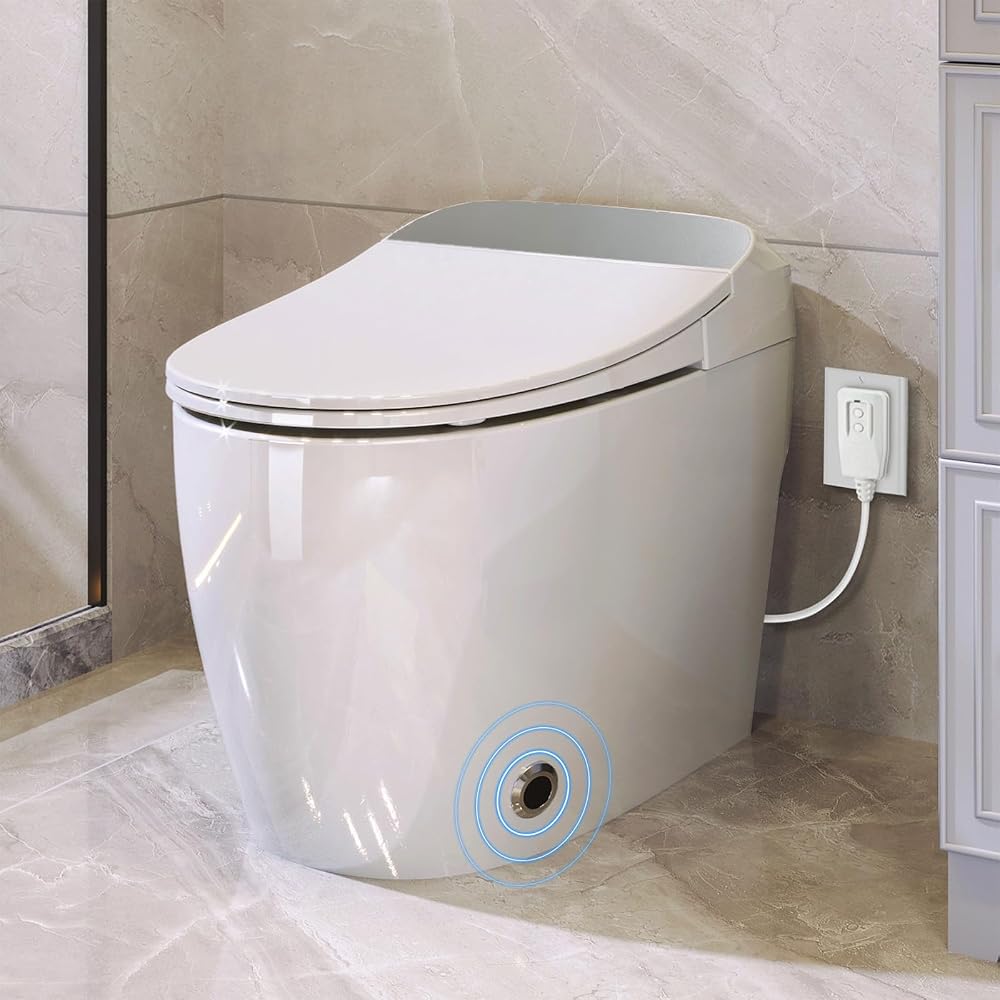
Best Automatic Toilets 2026: A Buyer Checklist
Disclosure: We may earn a commission when you buy through links on this page, at no extra cost to you. As an Amazon Associate I earn from qualifying purchases. Learn more

Use this buyer checklist to compare the best automatic toilets by flush sensor, power source, seat height, rough in fit, flush volume, and price band.
An automatic toilet flushes on its own, warms the seat, or adds bidet washing, and the gap between a smooth daily experience and an annoying one comes down to a short list of specs. This guide walks through the best automatic toilets with one simple checklist, so you can judge sensor quality, power, fit, and water use before you spend anything.
The checklist below is the same one used in every section of this guide. The comparison table below puts the main options side by side, and each feature after it explains what a good number looks like, what a weak one costs you, and who should care most.
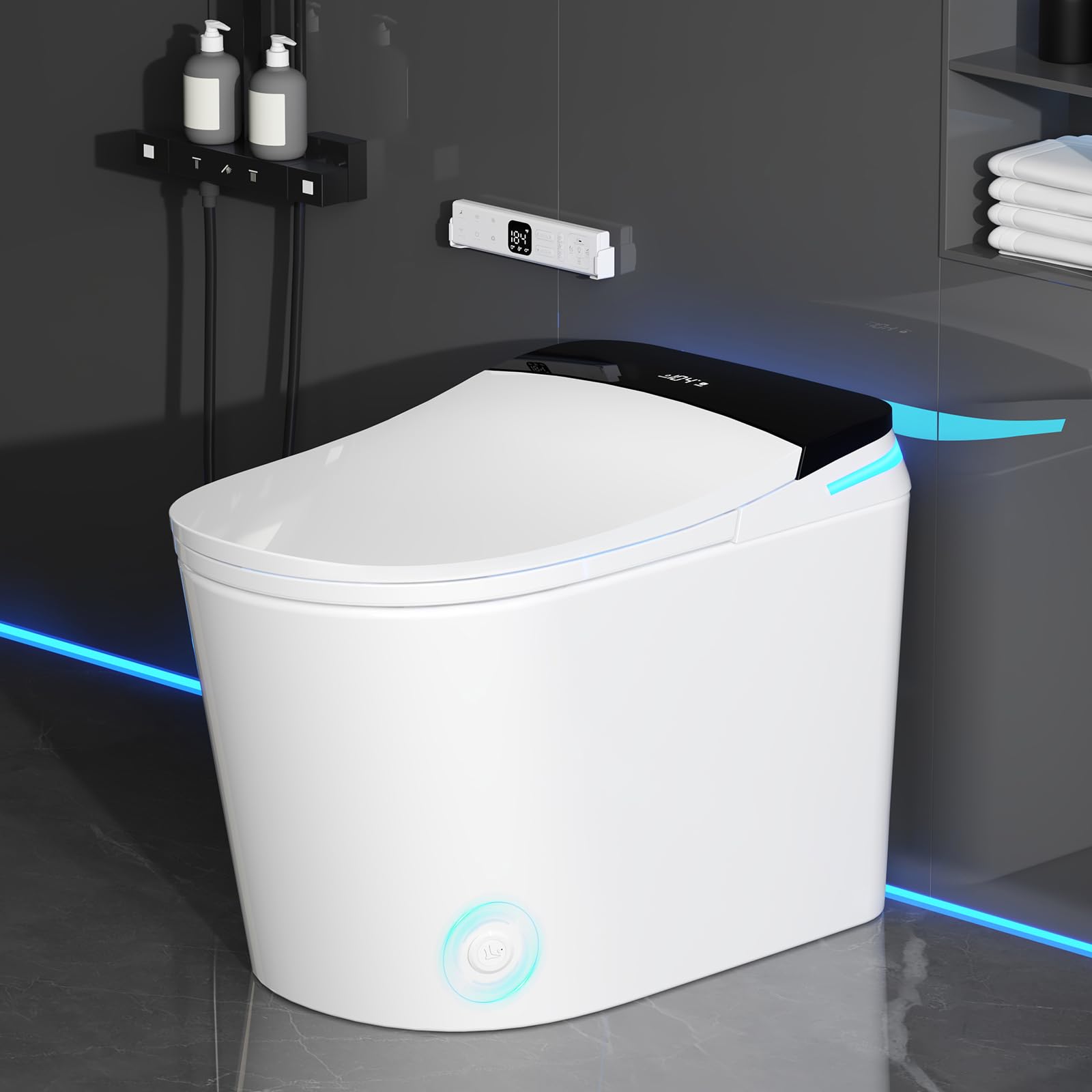
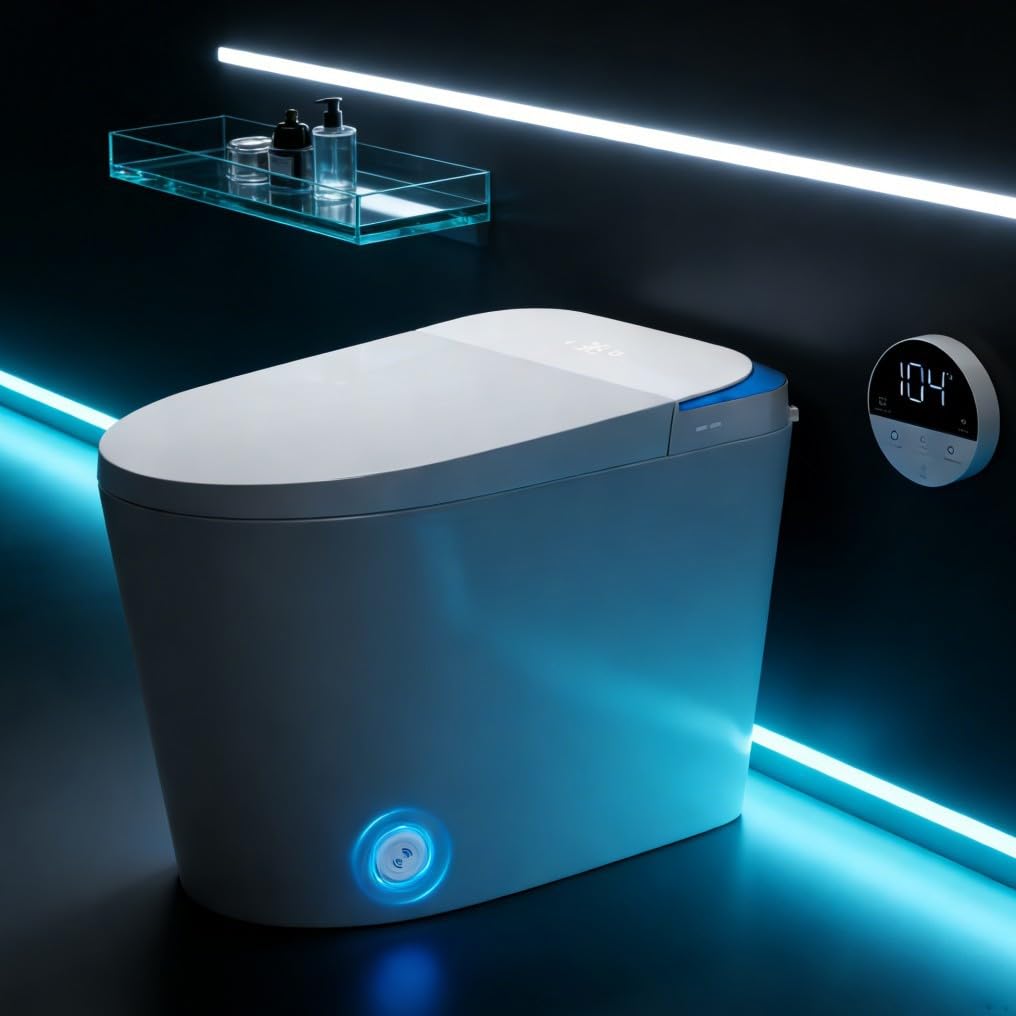


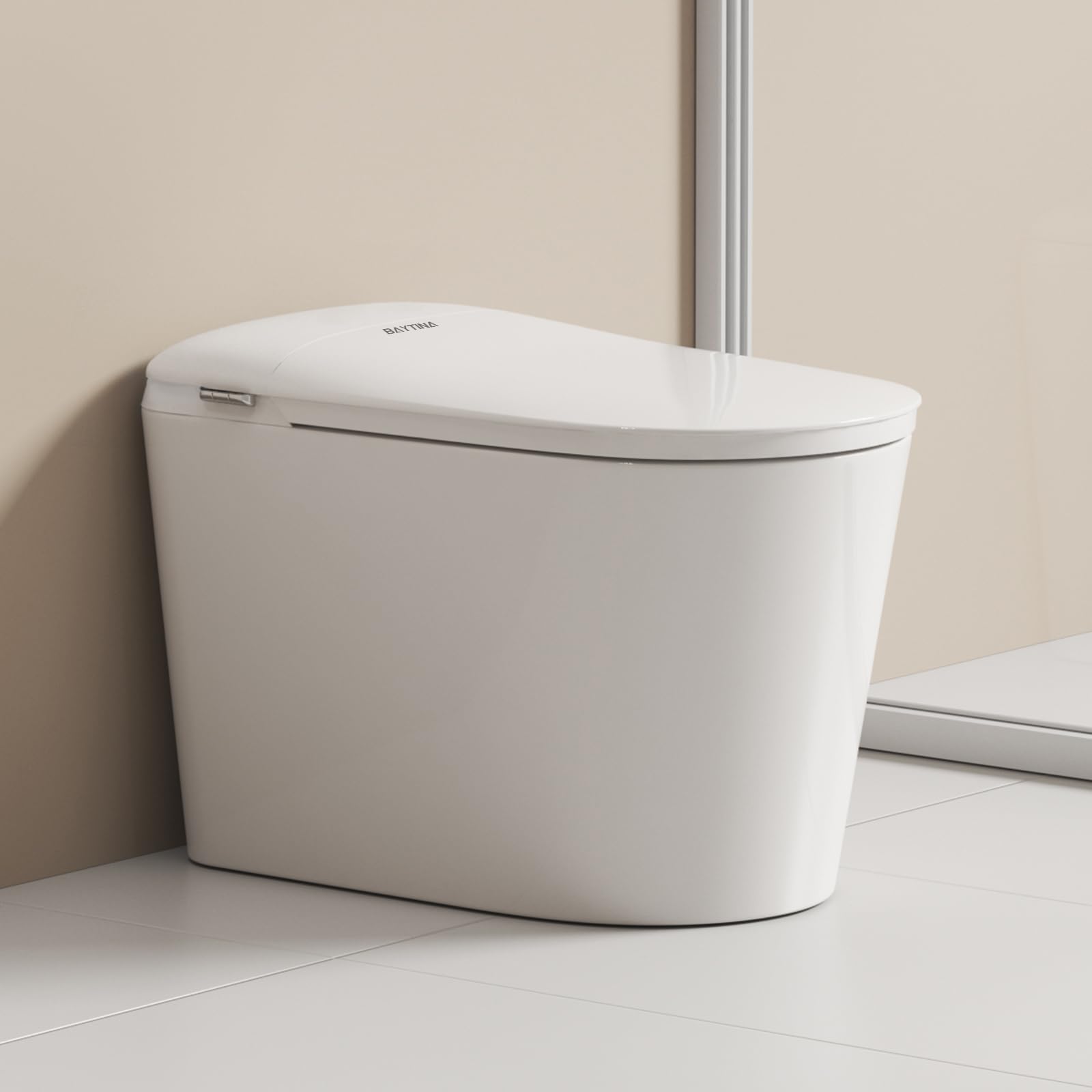


A Buyer Checklist of Key Features
Work through these six checks in order. The first three decide how the toilet behaves every single day, and the last three decide whether it fits your bathroom and your water bill.
Start With the Flush Sensor
The sensor governs the whole automatic experience, because it alone decides when the flush fires, so judge it as a flush feature first and a convenience second. Look for an adjustable sensing range, since a fixed sensor set too wide flushes when you only reach for paper, and one set too narrow misses entirely. A manual override button matters just as much, because it keeps the toilet usable when batteries die or power cuts out. If hands free flushing is the only upgrade you want, the narrower class in our guide to best automatic flush toilets pairs a standard bowl with a sensor valve and skips the seat electronics entirely.
Power Source: Battery or Outlet
Power is the second check, because it limits every other feature. A battery powered sensor valve runs on replaceable cells and asks nothing of your walls, which suits older bathrooms with no outlet near the bowl. A plug in model needs a grounded outlet within cord reach, and heated seats plus bidet functions almost always demand one.
Seat Height and Seat Features
Seat height decides comfort before any electronic feature does. Comfort height bowls sit about 17 to 19 inches from floor to seat rim, close to a standard chair, while standard height bowls sit about 15 to 17 inches and suit shorter users and children better. Taller households and anyone with stiff knees usually prefer the comfort range. Any heated seat needs a nearby outlet to run, so confirm the outlet position before choosing a seat with warmth, night lights, or a powered lid.
Bowl Fit and Rough In
Fit is measured at the floor flange, and the standard rough in is 12 inches from the finished wall to the center of the drain. Measure your own rough in before ordering, because a toilet built for 12 inches will not seat correctly on a 10 inch rough in. Then choose a bowl shape: elongated bowls give more sitting room, while round front bowls save a few inches in small bathrooms. Skirted sides hide the trapway and wipe clean faster, while exposed trapways cost less.
Flush Volume and Water Saving
Current efficient models flush with 1.28 gallons per flush, the WaterSense class, while older toilets use 1.6 gallons or more and waste the difference on every flush. Dual flush designs split the rating into a smaller liquid flush and a full solid flush, which lowers the daily average further. Paper choice matters more than most buyers expect, because fast dissolving best toilet paper clears a low volume flush more reliably than thick quilted rolls do.
Build Quality and Everyday Care
Vitreous china remains the standard bowl material because its glazed surface resists stains and scrubs clean without special products. Check that the trapway is fully glazed, since a rough trapway catches waste and weakens the flush over time. Seat hinges should feel solid rather than springy, and replacement seats should be easy to source. Electronics aside, the bowl and tank parts still follow ordinary plumbing logic, so any plumber can service the water side.
Price Bands: What Each Tier Buys
Prices for the best automatic toilets spread widely because the category covers simple sensor valves and full bidet units in the same shelf space. These three bands describe product classes, not specific models.
Basic Band: About $100 to $600
This band covers retrofit sensor kits and entry level one piece toilets with sensor flushing only. You get hands free flushing and a standard seat, and you give up heated seats, bidet washing, and remote controls. It suits landlords, guest bathrooms, and anyone upgrading a working bathroom on a budget.
Midrange Band: About $600 to $1,500
Midrange models add comfort height bowls, quieter flush systems, and powered seats with warmth and a night light. Most households land here, because the daily comfort features arrive without the full smart toilet price. Expect to add the cost of an outlet if your bathroom lacks one near the bowl.
Premium Band: About $1,500 to $4,000
Premium units combine sensor flushing with bidet washing, air drying, automatic lids, and self cleaning nozzles. The jump buys convenience and hygiene features rather than a better basic flush. Buyers who already plan a bathroom remodel absorb the install cost most easily at this level.
Quick Buyer Checklist
Run through these questions before you order. Any no answer points at the section above that explains the fix.
- Is your rough in 12 inches, measured from the finished wall to the floor bolts?
- Is there a grounded outlet within reach of the bowl, or will you choose a battery model?
- Does the sensor offer an adjustable range and a manual override button?
- Does the seat height fall in the comfort range your household wants?
- Does the flush rating read 1.28 gallons per flush or lower?
- Can you change the batteries without tools or removing the tank lid?
- Does the bowl shape match the space, elongated or round front?
Red Flags to Watch For
Weak listings hide behind vague language, so read the spec sheet rather than the headline.
- No flush volume stated anywhere, which usually means an older 1.6 gallon design.
- No manual override, so a dead battery leaves the toilet unable to flush.
- A heated seat or bidet listed without any mention of the outlet it requires.
- No rough in measurement given, which risks a toilet that cannot seat on your flange.
- A very short warranty on the electronic parts compared with the china parts.
Setup and Care Tips
Keep the sensor window clean with a soft damp cloth, because soap film and hard water spots shorten its range and cause missed flushes. Set a calendar reminder to swap batteries before they die, and keep a spare set in the bathroom cabinet. The step by step cleaners collected in our guide to the best for cleaning toilets cover bowl care that will not scratch glazed china. Avoid abrasive pads on the sensor lens, and clean the supply line filter screen once a year so fill speed stays steady.
Automatic Toilets: Questions Answered
Do automatic toilets still flush during a power outage?
Battery powered models keep flushing through an outage because they never depended on the wall outlet. Plug in models vary, so check for a battery backup compartment or a manual flush button before you buy. That backup detail rarely appears in headline features, yet it decides whether the toilet stays usable on the one night the power fails.
How long do the batteries in a sensor flush last?
A battery set commonly lasts about one to two years in a home bathroom and far less in a busy public restroom, because flush count, not time, drains the cells. Write the install date on the battery pack with a marker when you fit it. That small habit turns a surprise dead sensor into a planned five minute swap.
Will an automatic toilet fit my existing plumbing?
Most will, as long as your rough in matches the toilet, and you can confirm it by measuring from the finished wall to the center of the floor bolts. Rough ins of 10 inches and 14 inches exist in older homes, and each narrows your model choices sharply. The water supply angle stop position also matters for skirted designs, which hide the connection behind the bowl.
Do automatic toilets really save water?
They can, because a 1.28 gallon flush with a short sensor delay uses less than an older 1.6 gallon toilet on every visit. Savings disappear when the sensor is set so wide that it fires extra flushes as people walk past. Set the range to trigger only for a seated user, and check the first week of water use against your old pattern.
Can I add automatic flushing to my current toilet?
Yes, retrofit sensor kits replace the flush handle or the internal flush valve and add hands free flushing to many standard tanks. Tank shape decides compatibility, so confirm your tank style and valve size before ordering a kit. A retrofit gives you the sensor without the heated seat or bidet features of a full unit, at a fraction of the price.
Final Thoughts
Judge every candidate against the same short list: a sensor with an override, a power source your bathroom can actually supply, and a seat height and rough in that fit your room. The product table above gathers the best automatic toilets that meet those checks, so start there and let the checklist, not the headline features, make the final call.