Best Automatic Flush Toilets: Buying Guide for 2026
Disclosure: We may earn a commission when you buy through links on this page, at no extra cost to you. As an Amazon Associate I earn from qualifying purchases. Learn more
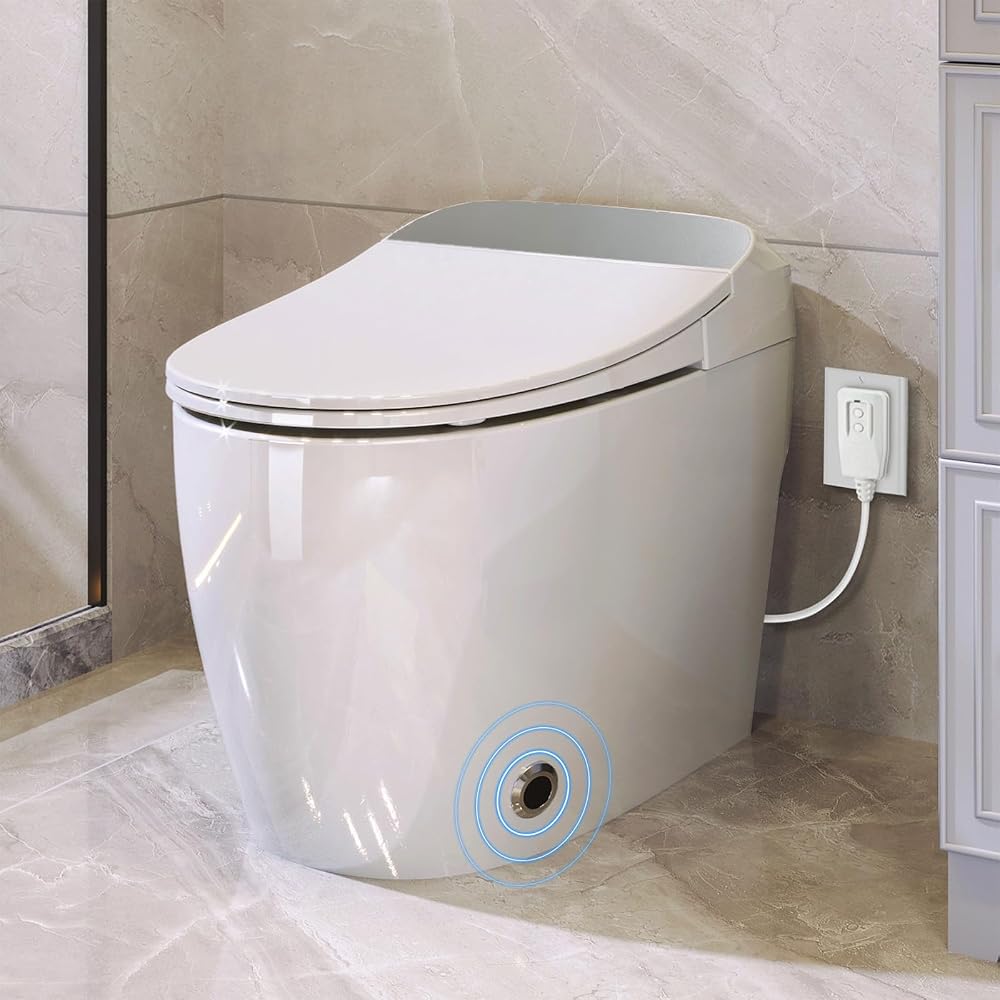
Compare the best automatic flush toilets by sensor type, flush power, water use and fit, then choose a hands free model for your bathroom and budget.
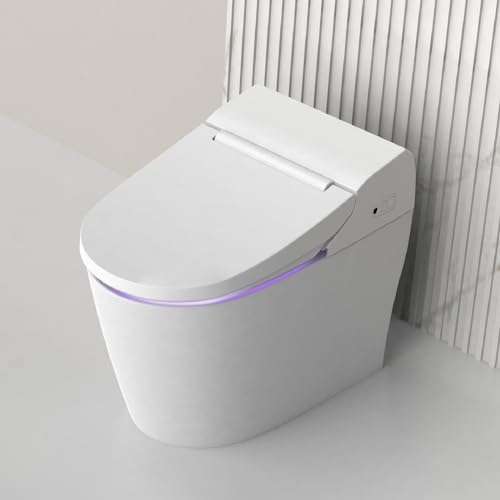
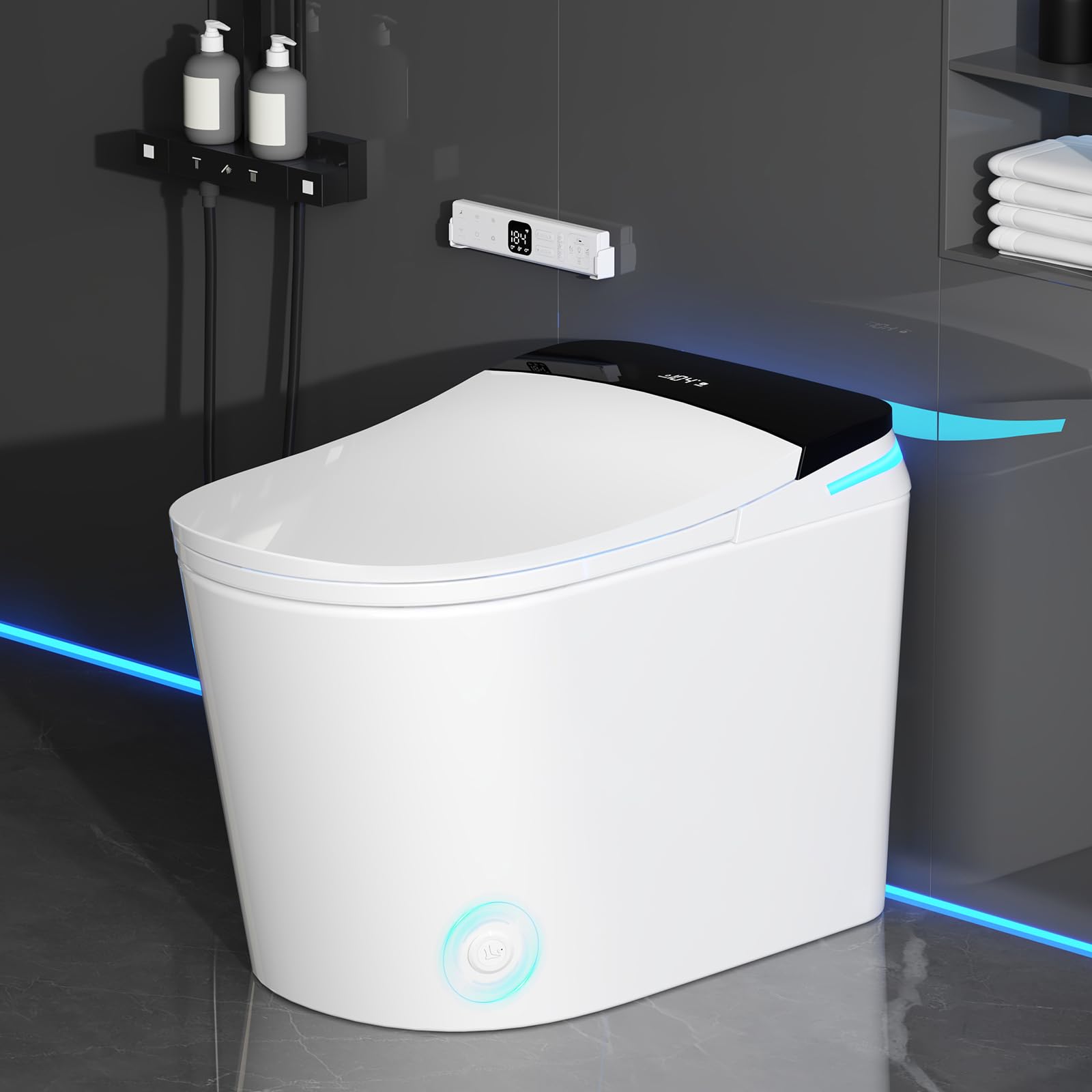
An automatic flush toilet removes the handle from your routine and helps keep the bowl cleaner, since every visit ends with a full flush. The best automatic flush toilets sense reliably, clear the bowl in one cycle, and fit the plumbing you already have. Use the comparison table below to match sensor style, water use, and bowl size to your bathroom.
Start with who uses the room most and how much change your plumbing allows. A busy family bathroom and a quiet guest bath place different demands on sensor range, noise, and power.
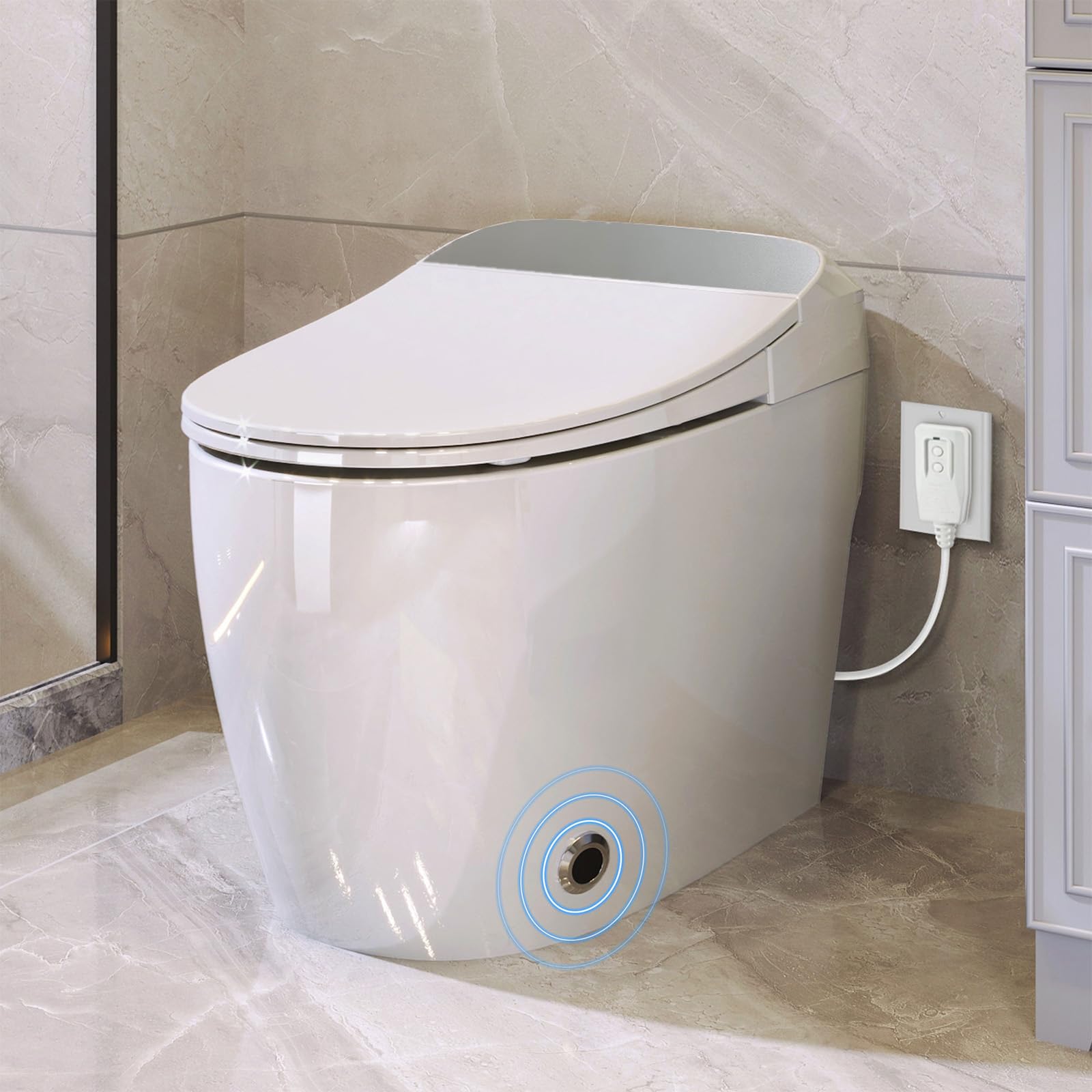

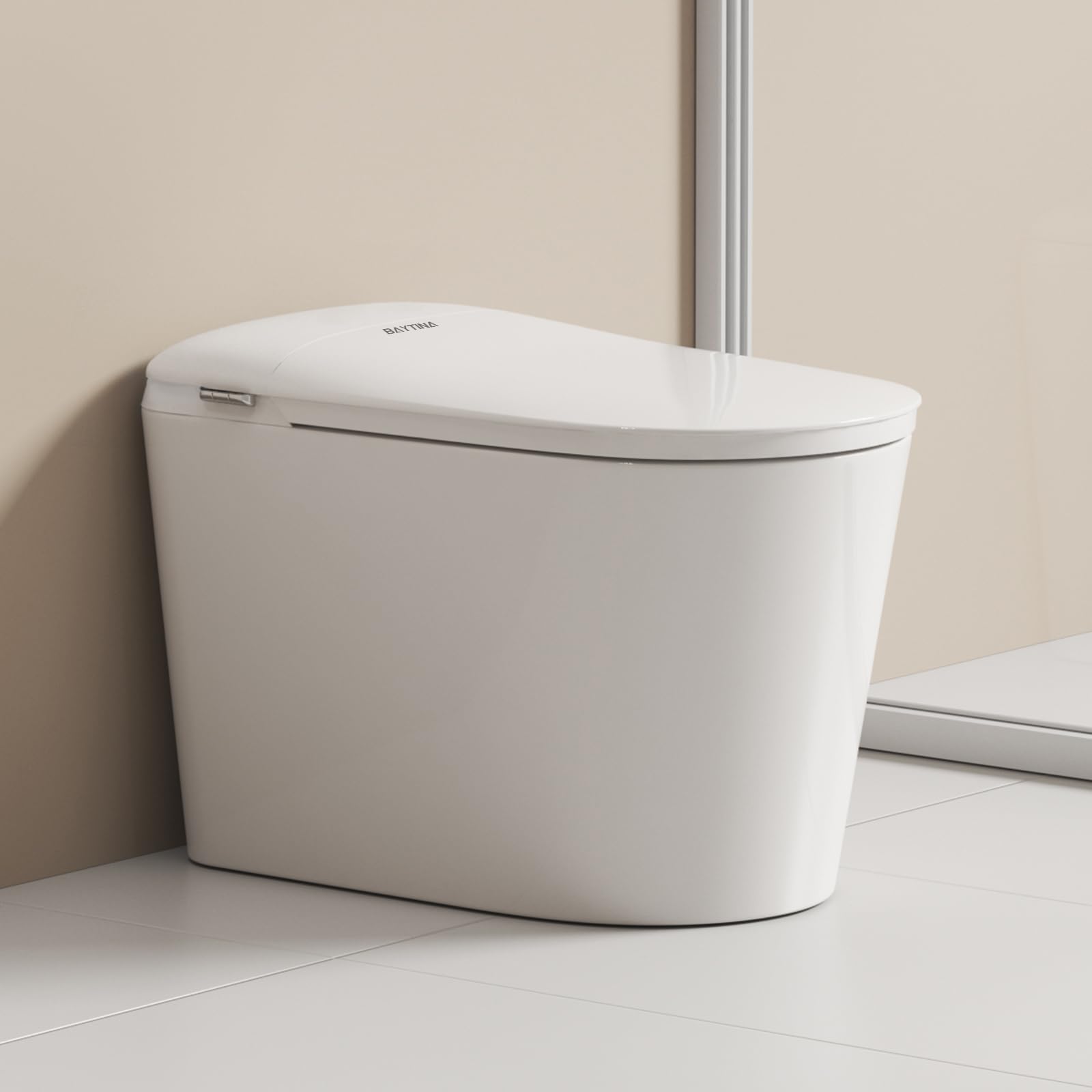

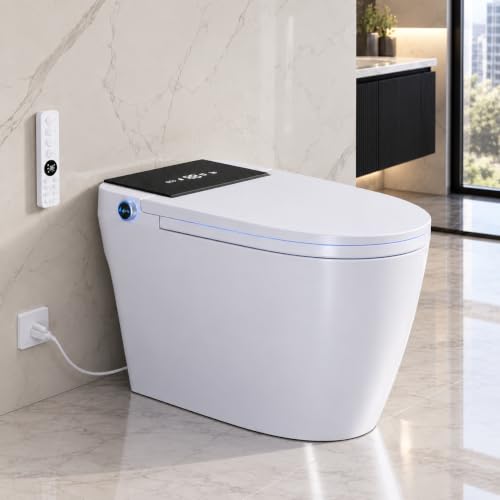


Who Should Buy an Automatic Flush Toilet?
Choose by the problem you want solved first.
Busy Families Who Want a Bowl That Always Gets Flushed
You share the bathroom with children who forget the handle or guests who cannot find it. Choose an integrated model with a wide sensing field and a strong gravity flush. A manual override on top of the tank matters for you, since a dead battery should never leave visitors guessing. A smooth skirted base also wipes clean fast after busy mornings.
Older Adults and Anyone Who Finds Handles Hard to Use
You want to sit and stand without twisting to reach a lever behind you. A taller bowl at about 17 to 19 inches to the seat top reduces how far you bend, and automatic flushing removes the reach entirely. Choose a sensor that does not trigger while you are still seated. If balance or reach limits relate to a medical condition, talk with your clinician about seat height for your personal needs.
Hosts and Landlords Who Want Fewer Complaints
You host guests often, and a toilet that flushes itself feels clean and clear to a first time user. Choose a simple integrated model with common parts, a visible override, and batteries a caretaker can swap in minutes. Avoid wash features that need a nearby outlet. A quiet flush also protects sleep nearby.
Key Features to Compare
Work through these factors in order, since fit and power matter more than extras. That order helps you compare the best automatic flush toilets on what changes daily use.
Sensor Type, Placement and Manual Override
Most home models use an infrared sensor that detects you leaving the seat area, then flushes after a short delay. Tank mounted sensors sit where a handle would be, while seat based sensors read closer movement and can feel more precise. Check the sensing distance, usually about 20 to 32 inches, and confirm it will not read a door across a narrow room. Every model needs a manual button, since power loss should never block a flush.
Flush Power, Trapway and Bowl Clearing
Flush power comes from tank height, valve size, and the trapway that carries waste out. A fully glazed trapway of about 2 inches or wider resists buildup and helps one flush clear the bowl, while a siphonic jet starts the swirl. Pressure assist models push harder but flush louder. See our guide to the best flush system for toilets and our guide to the best toilets with strong flush if clearing power comes first.
Water Use and Dual Flush Control
Federal rules cap new toilets at 1.6 gallons per flush, and WaterSense labeled models use 1.28 gallons or less while still clearing well. Some models add dual flush control, where the sensor reads how long you sat and chooses about 1.0 to 1.1 gallons for liquid waste or a full flush for solid waste. If low water use is your top goal, see our guide to the best low flush toilets.
Power Source and Backup During an Outage
Most sensors run on replaceable batteries in the tank lid or sensor housing, often rated for about one to two years of family use. Hardwired models need an outlet near the tank and suit new construction or a full remodel. Ask what happens when power fails, since good designs still flush with a manual button and a gravity tank. A model that cannot flush at all without power is a poor fit for a sole bathroom.
Bowl Shape, Seat Height and Rough In Fit
An elongated bowl gives more seat room, while a round bowl saves about 2 inches of depth for a small bath. Standard seat height is about 15 inches, and taller bowls run about 17 to 19 inches. Measure your rough in, the distance from the wall to the floor bolts, before you shop, since most homes use 12 inches and older homes may use 10 or 14 inches.
Types of Automatic Flush Toilets Compared
Automatic models fall into three broad forms, and the form decides your install work and parts list.
Integrated Tank Models for Everyday Family Use
An integrated toilet arrives with the sensor, valve, and tank built as one unit, so install matches a normal toilet swap plus a battery check. It is the simplest route for most homes and the easiest to service. Prices often run about $300 to $700. See our guide to the best automatic toilets for a wider view of sensor models.
Retrofit Sensor Kits for a Toilet You Already Own
A retrofit kit replaces the handle inside a standard tank with a sensor unit and a small motor or valve. It costs less, often about $80 to $200, and keeps a bowl that already fits your room. Fit is the catch, since lever position and tank depth vary between brands. Confirm your tank type before you buy.
Premium Models With Wash and Seat Features
Premium models add a heated seat, a warm water wash, an air dryer, and a night light to the sensor flush. They need a ground fault outlet near the tank, and prices often run about $900 to $2,500. The flush itself is rarely stronger than a mid range model, so pay extra only for comfort you will use daily. See our guide to the best quality flush toilets.
Common Mistakes to Avoid
Most returns and service calls trace back to a short list of avoidable errors.
- Skipping the rough in measure leaves you with a toilet that cannot bolt down in the right place.
- Placing the sensor where it reads a passing hallway causes flushes nobody asked for and wastes water.
- Choosing a hardwired model with no outlet nearby adds electrician cost that wipes out the deal.
- Ignoring home water pressure leads to weak refills and poor clearing on models that need stronger supply.
- Buying a kit without checking tank fit leaves you with parts that cannot move the flapper correctly.
- Forgetting to locate the manual override leaves guests stuck when batteries fade without warning.
Care and Maintenance for Automatic Flush Toilets
Wipe the sensor window with a soft damp cloth each time you clean the tank lid, since dust and spray can shorten its range. Keep the window dry afterward and never scrub it with abrasive pads, which cloud the cover and cause missed flushes. A slow blink or a change in delay often signals low batteries.
Inside the tank, check the fill valve and flush seal about twice a year for mineral crust or a warped edge that lets water seep into the bowl. Use only cleaners the maker allows inside the tank, since strong drop in tablets can damage seals and wiring. Shut off the supply before any part swap, then watch the first refill for leaks.
FAQ
Why does an automatic flush toilet flush when no one is near it?
An automatic flush toilet flushes on its own when its sensor reads movement or a reflective surface inside its range. A swinging door, a shiny trash can, or a person passing an open doorway can trigger it. Angle the sensor as the manual directs and move reflective objects out of its field. Note when it happens for a day, since a pattern makes the fix obvious.
Can you add an automatic flush sensor to a toilet in a rental home?
Yes, you can add an automatic flush sensor to most standard tank toilets in a rental home, if your lease allows small fixture changes. A retrofit kit leaves the bowl, tank, and plumbing untouched and can be removed at move out. Keep every original part in a labeled bag and take photos before you start. That record protects your deposit and speeds up the restore.
How long do batteries last in an automatic flush toilet?
Batteries in an automatic flush toilet often last about one to two years in a family bathroom. Life drops in a busy guest bath where the sensor wakes often, and it stretches in a powder room used a few times a day. Write the install date on a label inside the lid so you can plan the swap. Keep a spare set in the same room for a fast change.
Does an automatic flush toilet need special plumbing?
No, an automatic flush toilet does not need special plumbing beyond a standard supply line and floor flange. It connects to the same cold water shutoff and drain as a manual toilet of the same rough in size. What can differ is the electrical side, since premium wash models need a protected outlet nearby. Confirm your shutoff valve turns fully before install day, because a frozen valve often causes delays.
How much does an automatic flush toilet cost to run each year?
An automatic flush toilet costs very little to run each year, mainly batteries and water. A WaterSense model in a family of four can use notably less water than an older 3.5 gallon toilet, which lowers a metered bill. The bigger cost risk is a worn seal leaking silently into the bowl. A dye tablet in the tank reveals that leak, since color in the bowl without a flush means water is passing the seal.
Our Verdict
Match the rough in and bowl size first, then choose sensor placement and power that suit the room, and only then compare wash extras. A toilet that fits, clears in one flush, and still works by hand during an outage will serve you well. Use the product table above to confirm size, water use, and price.
When you choose best automatic flush toilets with that order in mind, you get hands free hygiene without giving up reliability. Pick the simplest model that meets your needs and keep spare batteries where you can find them fast.