
Best Anti Anxiety Tablets: What Actually Matters Before You Buy for 2026
Disclosure: We may earn a commission when you buy through links on this page, at no extra cost to you. As an Amazon Associate I earn from qualifying purchases. Learn more

Best anti anxiety tablets: a safety first buying guide on ingredients, label reading, interactions and questions for your clinician.
Anxiety products make big promises, and the labels rarely tell the whole story. This guide is educational only and is not medical advice. It shows you how to judge the best anti anxiety tablets by label honesty, safety checks, and quality signals, and when to stop shopping and speak with a clinician instead. Read the safety criteria first, then use the product table to compare forms and prices.
Treat any tablet as one small part of a wider plan that can include sleep, movement, therapy, and medical care where needed. If anxiety disrupts your work, studies, or relationships, that pattern itself is a reason to seek professional support.



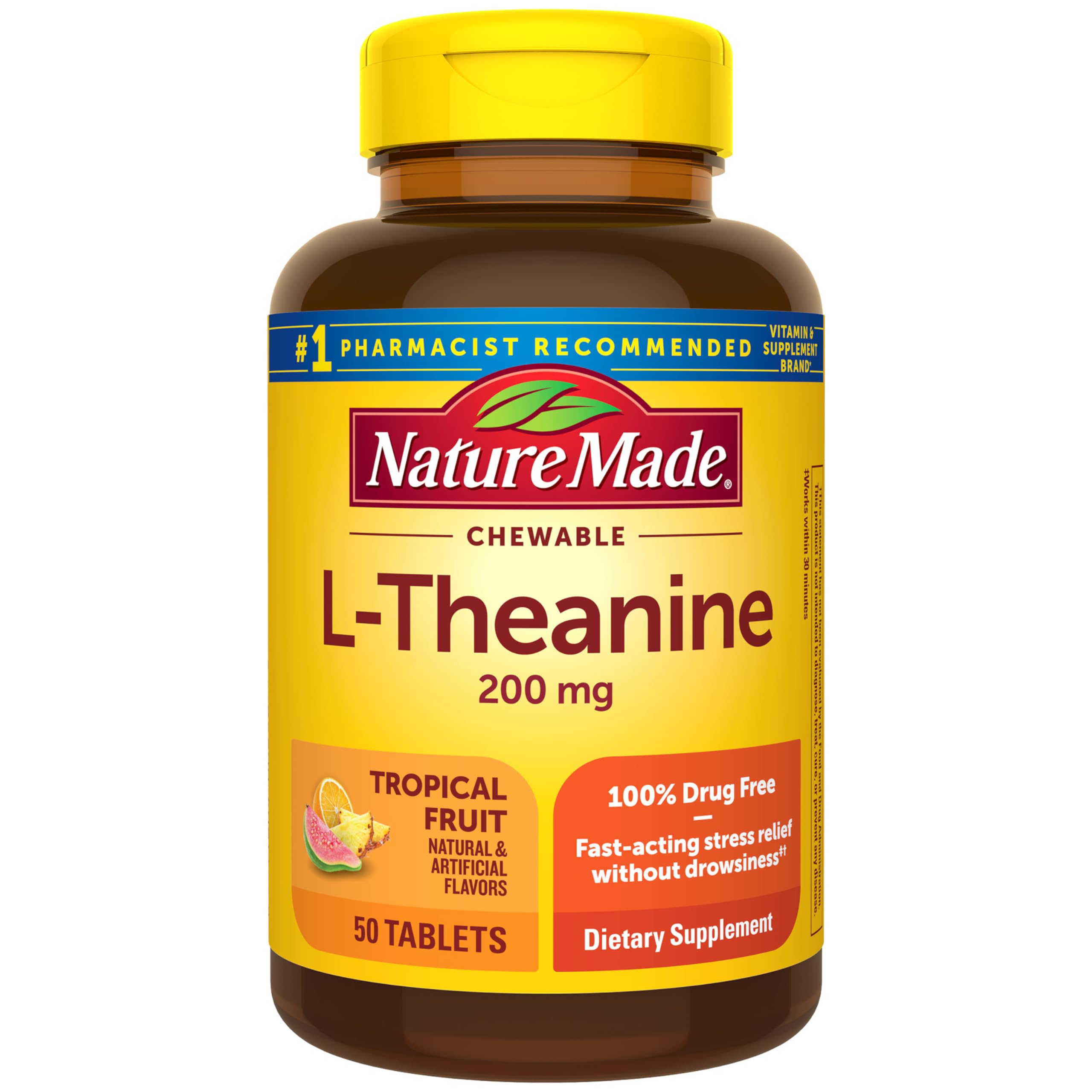





How to Evaluate Anti Anxiety Tablets
Ingredient Transparency and Amounts
A trustworthy label names every active ingredient and the amount per serving, rather than hiding amounts inside a blend total. Blends make it impossible to know whether an ingredient is present in a meaningful amount or only as label decoration. Check serving size too, because some prices assume two or three tablets per day. Write down the full ingredient list and show it to your pharmacist or clinician before you buy, especially if a name is unfamiliar or a claim sounds strong.
Safety, Interactions, and Warnings
Safety comes before every other criterion. Tablets sold for calm or sleep can interact with prescription medicines for anxiety, depression, sleep, pain, and many other conditions, and some can add sedation when combined with alcohol. People who are pregnant, breastfeeding, under 18, or managing liver, kidney, heart, or thyroid conditions should not self select these products. Ask a pharmacist to check your full medicine list, including supplements, before combining anything new with your current routine.
Evidence and Label Claims
Judge claims with care. A supplement tablet is not approved to treat an anxiety disorder, and phrases about clinical strength or fast relief are marketing, not proof. Look for modest, specific language and a clear statement that the product is a supplement. Be skeptical of before and after stories, dramatic timelines, and claims that a tablet replaces therapy or prescribed care. If a seller will not explain what a claim is based on, treat that silence as part of your decision.
Form, Dose Schedule, and Ease of Use
Tablets differ in size, coating, taste, and how many times a day the label suggests taking them. A schedule you cannot follow at work or school is a poor fit, no matter how good the label looks. Some products are chewable or melt in the mouth, which helps people who struggle to swallow pills. Timing can matter as well. Readers who also use the best fiber tablets should ask a pharmacist about spacing, because fiber can affect how the body absorbs other products taken at the same time.
Quality Testing and Manufacturing
Look for evidence of independent quality checks, such as a named third party testing program, batch numbers, and a maker address you can verify. Good manufacturing practice certification and clear expiry dates are basic quality signals. Avoid products sold only through social media ads with no company details. Store brands from established retailers at least offer a clear returns route. Quality marks do not prove a product will help you, but their absence tells you a lot about the maker.
Cost, Supply Length, and Value
Compare cost per month of use, not the sticker price. A low priced bottle that lasts ten days at the label serving size can cost more than a larger bottle that lasts a full month. Factor in shipping, subscription traps, and return terms for opened products. Value also means not paying for long lists of trace ingredients you did not choose. The cheapest safe choice is often a simpler label from a maker you can reach, bought in a small first supply.
Three Buyer Situations and What to Check
For Occasional Stressful Days
If your worry clusters around events such as flights, exams, or presentations, start by asking whether a tablet is needed at all, or whether sleep, preparation, and breathing practice would serve you better. If you and your clinician decide a supplement fits, favor a short supply, a simple label, and clear warnings about sedation, since driving and work safety matter on those same days. Never try a new product for the first time on the morning of the event itself.
For Sleep Related Worry
Night time worry has its own pattern, and many calm products are really sleep products in disguise. Check whether the label aims at sleep, because a sedating product is a poor match for daytime use and can leave morning grogginess. Review your caffeine timing, screen habits, and sleep schedule first, since those drive many rough nights. If loud snoring, gasping, or severe insomnia is part of the picture, raise that with a doctor, because a tablet will not address those causes.
For Ongoing Anxiety Under Clinician Care
If you already receive care for anxiety, treat any new tablet as a change to your plan that your clinician should know about. Bring the label to your appointment and ask directly whether it fits with your prescribed treatment. Some readers in this group also compare the best anti inflammatory tablets for pain issues, and combining several products at once makes interaction checks even more important. Change one thing at a time so you and your clinician can judge what helps and what causes problems.
Quick Buyer Checklist
Use this screen before any purchase, and let a single no on safety end the decision.
- Does the label list every active ingredient with its amount per serving?
- Have you checked the product against every medicine and supplement you take?
- Are you outside the groups the warnings exclude, such as pregnancy or under 18 use?
- Does the maker give a real address, batch details, and an expiry date?
- Is the cost per month clear at the full label serving size?
- Does the return policy cover a bad reaction or a poor fit?
- Have you set a date to review whether it helps, and to stop if it does not?
Red Flags to Watch For
Walk away from products that promise to cure anxiety, guarantee results, or claim to match prescription strength with no prescription. Hidden blend amounts, missing warnings, and no verifiable maker address are further warnings. Sellers who push large subscriptions before you have tried a small supply put their revenue ahead of your safety. Sudden floods of similar glowing reviews with few critical ones deserve skepticism. Finally, any product that tells you to stop prescribed medicine, or to delay care, is unsafe to follow, whatever its label claims.
Storage and Daily Use Tips
Store tablets in a cool, dry place away from children and pets, and keep them in the original container so warnings and expiry dates stay with the product. Do not use tablets past their expiry date, and do not share them with family or friends, whose medicines and risks differ from yours. Keep a simple note of when you take a product and how you feel, because that record helps your clinician far more than memory. Dispose of leftovers through a local take back program where one exists.
Anti Anxiety Tablets: Your Questions Answered
Can anti anxiety tablets replace therapy or prescribed care?
No, supplement tablets are not a replacement for therapy, medical care, or prescribed treatment for an anxiety disorder. They sit in a different category, with different evidence and oversight. Therapy and medical care address causes and patterns that a tablet cannot. If cost or access makes care hard to reach, tell your doctor or a local clinic, because lower cost options and support programs often exist and are safer than self treating alone.
How soon do anti anxiety tablets work?
There is no reliable timeline you should count on, and any seller who promises relief in a set number of minutes is overstating the case. Products differ widely, and personal responses differ even more. Judge any change over a fair period agreed with your clinician, using notes on sleep, worry, and daily function. If you feel worse, more sedated, or notice new symptoms, stop and seek medical advice rather than raising the amount on your own.
Can I combine anti anxiety tablets with other medicines?
Only combine them after a pharmacist or clinician has checked the full list, because interactions are the most common hidden risk in this category. That check includes prescribed medicines, pain relievers, sleep aids, allergy products, alcohol, and other supplements. Bring the actual bottles or clear photos of the labels, since names alone can miss strength and form. One extra point is timing, because spacing products apart sometimes matters as much as the products themselves.
When should I seek help right away for anxiety?
Seek urgent help at once if you have thoughts of harming yourself, feel unable to stay safe, or have panic symptoms with chest pain, fainting, or severe trouble breathing. Those signs need medical care, not a supplement. Also book prompt care if anxiety stops you working, studying, eating, or sleeping for days at a time. In the United States you can call or text 988 at any hour to reach the Suicide and Crisis Lifeline.
Our Verdict
Put safety, label honesty, and interaction checks ahead of claims and price, and keep your expectations modest and testable. Use the product table to compare serving sizes and monthly cost, and review related options in our guide to the best tablets for anxiety with the same caution. Above all, talk with your clinician about your personal needs before you rely on the best anti anxiety tablets for support.


