Best Anova Vacuum Sealer (2026): Standard vs Pro Models
Disclosure: We may earn a commission when you buy through links on this page, at no extra cost to you. As an Amazon Associate I earn from qualifying purchases. Learn more

Best Anova Vacuum Sealer guide: compare the standard and pro sealers by suction, bag costs, counter space and how often you seal food.
Your freezer holds a bulk pack of chicken, half a tray of berries, and leftovers you meant to use days ago. Sealing food in tidy portions can help you store it neatly and waste less, but only if the machine fits your counter, your cupboards, and the size of your household. This guide to the best anova vacuum sealer for your home sorts the lineup by space, batch size, and budget, and the product table below lists the current models.
Anova built its name on home cooking tools, and its sealers follow the same simple idea. They are external sealers, which means the bag sits outside the machine while air is drawn out and the open end is sealed shut. Your choice is mostly about how much sealing you do in one session and how much room you can give the unit.



Quick Answer: How the Anova Lineup Splits
For a small household sealing a few bags a week, the standard tier is usually enough. It covers meal prep, coffee beans, cheese, and modest freezer portions without taking much storage room. Step up to the pro tier if you seal large cuts, marinated foods, or long runs of bags in one sitting, because stronger suction and a wider seal matter more at that pace. If space is your main limit, judge every model by where it will live between uses, not just by price.
Before You Buy: A Quick Checklist for Choosing a Vacuum Sealer
Which Type Fits Your Routine
External sealers handle most home jobs and are the type Anova makes. You place the open end of a textured bag in the machine, close the lid, and let the pump and the heated seal bar do the work. A different design may suit you better if your routine is unusual. Liquids in large amounts point toward the best chamber vacuum sealer options, while tiny jobs like resealing a snack bag point toward the best handheld vacuum sealer designs. For a wider view of the market, see our guide to the best vacuum sealer choices for home kitchens.
Features Worth Paying For, and Ones to Skip
A built in cutter and storage for a bag roll save real time, because you can cut each bag to length without hunting for scissors. A moist food setting and a gentle pulse control help with berries, marinated meat, and soft bread that a full cycle would crush. A double seal adds confidence on bags headed for the freezer or a water bath. You can skip extra marinate cycles and accessory ports if you rarely seal jars or containers, since those extras add cost and bulk you will notice in a small kitchen far more than the benefit.
Wattage, Power and Energy Use
A vacuum sealer draws power in short bursts. A full cycle lasts seconds, so the electricity cost per bag is tiny compared with running an oven or a freezer. Wattage on the rating label tells you more about pump and heating strength than about your power bill. What matters more is how the machine behaves across a long session. A model that keeps a steady vacuum and a consistent seal on bag ten seals food better than one that slows or needs long rests between bags.
Safety Features and Certifications
Look for a UL or ETL listing mark on the box and on the label under the unit, which shows the appliance was checked against a recognized safety standard. Check that the cord is sound, the lid closes evenly, and the seal area stays dry, because liquid drawn into the pump can damage the machine and spoil the seal. Keep fingers away from the heated seal bar after a cycle, and let the unit cool before you wipe it down. Vacuum sealing does not make perishable food safe at room temperature, so sealed meat and leftovers still belong in the fridge or freezer.
Counter Space and Dimensions
Measure before you order. Note the width of the shelf or drawer where the sealer will live, the height under your cabinets, and the clear counter depth in front of it. An external sealer needs extra room during use, because the bag has to lie flat in front of it while it seals. A unit that fits a drawer but is heavy to lift out will get used less, so be honest about your habits. Homes that seal daily do better with a slim unit left on the counter, while occasional users can trade setup time for a smaller stored size.
Realistic Budget Ranges
Basic sealers at under $50 are usually compact models with simple controls and modest suction, fine for cheese and dry goods. The middle ground of about $100 to $200 is where most home buyers land, and it buys stronger suction, better seals, and roll storage. At about $200 to $500 you are mostly paying for chamber machines and heavy duty builds. Anova models sit mainly in that middle band, so match the tier to your batch size instead of simply buying the highest price.
Types Compared: Standard, Pro Tier, and Compact Setups
Standard External Models for Everyday Sealing
The standard tier suits one or two person homes and families who seal once or twice a week. Portions tend to be small, sessions are short, and simple controls beat long feature lists. These units store easily and handle dry and lightly moist foods well. If your freezer fills from weekly shops rather than bulk buys, this tier covers your routine without crowding the counter or the budget.
Pro Tier External Models for Bigger Batches
The pro tier is built for longer sessions and larger food. Stronger suction pulls air from big bags more fully, a double seal gives wide cuts extra protection, and storage for a roll inside the unit speeds up repetitive work. Consider it if you break down club store packs or hunt and fish in season, and our guide to the best vacuum sealer for meat explains the meat specific points in more depth. The trade off is size, so confirm your storage spot first.
Compact Options and Accessory Led Setups
Some homes seal rarely but still want tidy freezer storage. A compact setup pairs a smaller unit with pre cut bags in two or three sizes, which removes the measuring and cutting steps and keeps supplies in one drawer. This route also works for renters and small apartments where a full size unit has nowhere permanent to live. You give up roll storage and some speed, but you gain a system you will actually use instead of leaving it boxed in a cupboard.
How We Compare Anova Vacuum Sealers
We compare models on the points that shape home use: how much food they handle in one session, how simple the controls are, how easy the drip area is to clean, pump noise, safety listings, and warranty cover. Our sources are manufacturer specifications and patterns in verified buyer reviews, with weight given to comments about storage, daily handling, and long term costs.
The Anova Vacuum Sealer Lineup Explained
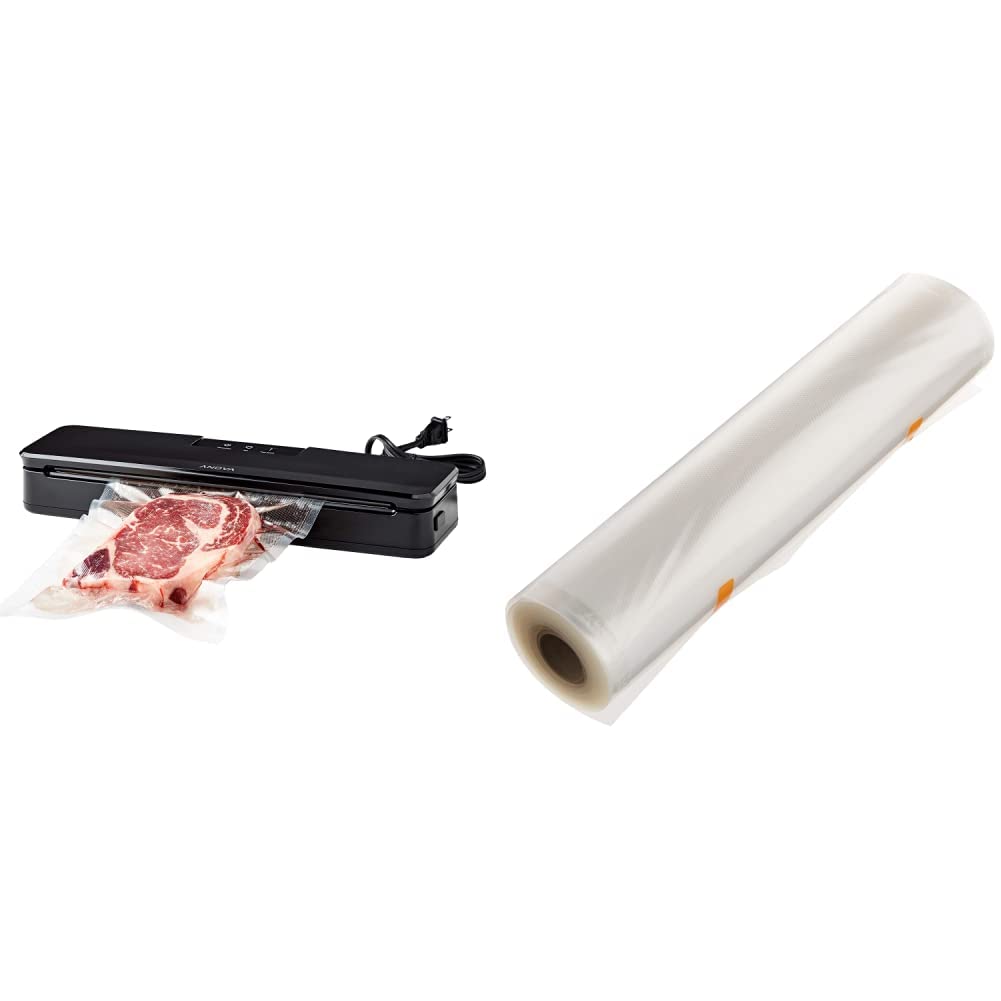
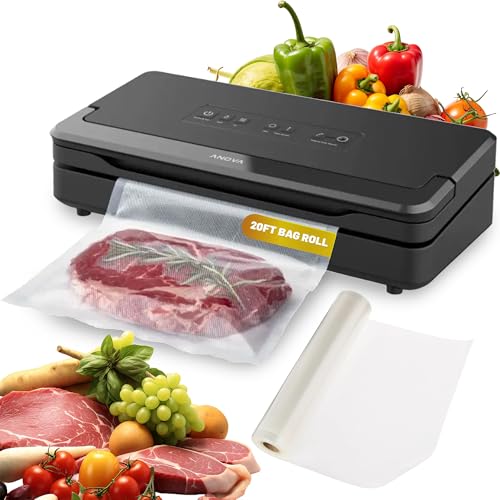
The lineup is simpler than it first looks. The standard model is the everyday machine, aimed at routine portions and shorter sessions. The pro model adds suction strength, a double seal, an accessory port, and storage for a bag roll, all aimed at people who seal often and in larger amounts. Both use the same method and the same style of textured bags and rolls, so switching tiers later does not force you to relearn the process or replace your supplies.
Think about duty in plain terms. If you seal five bags on a Sunday, either tier handles it. If you seal thirty bags after a bulk shop, the pro tier earns its keep, because features that save seconds per bag also reduce failed seals. Before your first session, a short read of how to use a vacuum sealer will help you place bags correctly and leave enough space at the open end for a clean seal.
Common Mistakes to Avoid
- Buying for your biggest day, not your normal week: an oversized unit used twice a year will mostly gather dust and take up storage room.
- Ignoring bag costs: rolls and pre cut bags are a steady expense, so a cheap machine with costly supplies can end up the pricier choice.
- Sealing liquids on the normal setting: marinade drawn toward the pump can break the seal and leave a mess inside the machine.
- Overfilling each bag: food packed to the very edge leaves no clean area for the seal, and the bag can open in the freezer.
- Storing the unit with the lid latched shut: constant pressure can flatten the gasket over time and weaken the vacuum on later sessions.
Cost of Ownership and Care
Bags and rolls are your main running cost, and rolls you cut yourself usually cost less per bag than pre cut bags. Electricity use is minor, since each cycle runs for seconds. If you are still weighing up the purchase, our article on is a vacuum sealer worth it walks through the savings from reduced food waste in more detail. Keep the drip tray and seal bar area clean, and store the machine with the lid unlatched, in a dry cupboard.
Wipe the sealing area after every session with a soft, slightly damp cloth once the unit has cooled, and wash any removable tray that catches liquid. Check the foam gasket now and then for cracks or flat spots, because a tired gasket is a common cause of weak vacuum that owners blame on the pump. Label each bag with the contents and the date, since flat frozen bags stack closely and look alike after a few weeks.
Your Questions, Answered
How long does a vacuum sealer last?
A home vacuum sealer often lasts several years when it is used weekly and kept clean and dry. The parts that age first are usually the gasket and the seal bar covering, not the motor, so slower air removal or seals that need a second cycle point to those parts first. Replacing a worn gasket where the maker allows it can restore performance without replacing the whole machine.
Is Anova a good vacuum sealer brand?
Anova is a reasonable choice if you want an external sealer from a brand known for home cooking tools and simple controls. Its range is narrow compared with brands that sell dozens of models, which makes choosing simpler but gives you fewer budget options. Judge it like any brand: check the warranty, confirm that bags and rolls are easy to buy, and make sure support is reachable in your country.
What is the best anova vacuum sealer?
For most homes it is the standard tier model, because it covers weekly portions, stores easily, and costs less to run than the larger tier. The pro tier only earns the title in homes that seal in long sessions or work with large, moist cuts often. Your answer depends on batch size and storage space far more than on any single specification.
How do you clean a vacuum sealer after sealing raw meat?
Unplug the unit and let the seal bar cool fully. Wipe every surface the bag touched with a cloth dampened with warm soapy water, then wipe again with a clean damp cloth and dry the area well. Pay attention to the vacuum channel and any tray, since raw meat juices collect there. Never immerse the machine or spray cleaner into the pump opening, and wash your hands afterwards.
Can a vacuum sealer crush delicate foods like berries and bread?
Yes, a full vacuum cycle can crush soft foods, because the bag tightens as air leaves it. You can limit the damage by using a pulse or gentle setting where your model offers one, and stopping the vacuum early before sealing. Another trick is to freeze berries or soft rolls briefly on a tray first, since firm food holds its shape better once the bag draws tight.
Final Thoughts
Start with your space and your normal week, not with the longest feature list. A standard tier Anova sealer suits most homes, while the pro tier makes sense for large batches and frequent moist foods. Whichever tier you choose as your best anova vacuum sealer, check its size against your storage spot and bag budget first, then look again at the product table above.