
Best Ankle Work Boots 2026: Every Type Explained Side by Side
Disclosure: We may earn a commission when you buy through links on this page, at no extra cost to you. As an Amazon Associate I earn from qualifying purchases. Learn more

Best ankle work boots compared by type, with safety toe, fit, grip and break in advice for warehouse, trade and delivery work.
Ankle height boots look similar in photos, yet they feel very different once you climb, kneel, and walk hard floors through a full shift. The best ankle work boots support your ankle without the weight and heat of a tall shaft. Use the product table to match height, toe type, and grip to your job.
This guide compares boot types side by side, then explains fit, materials, and care in plain terms. You will learn who benefits from a shorter shaft, which features protect you on site, and what to check before a first full shift.
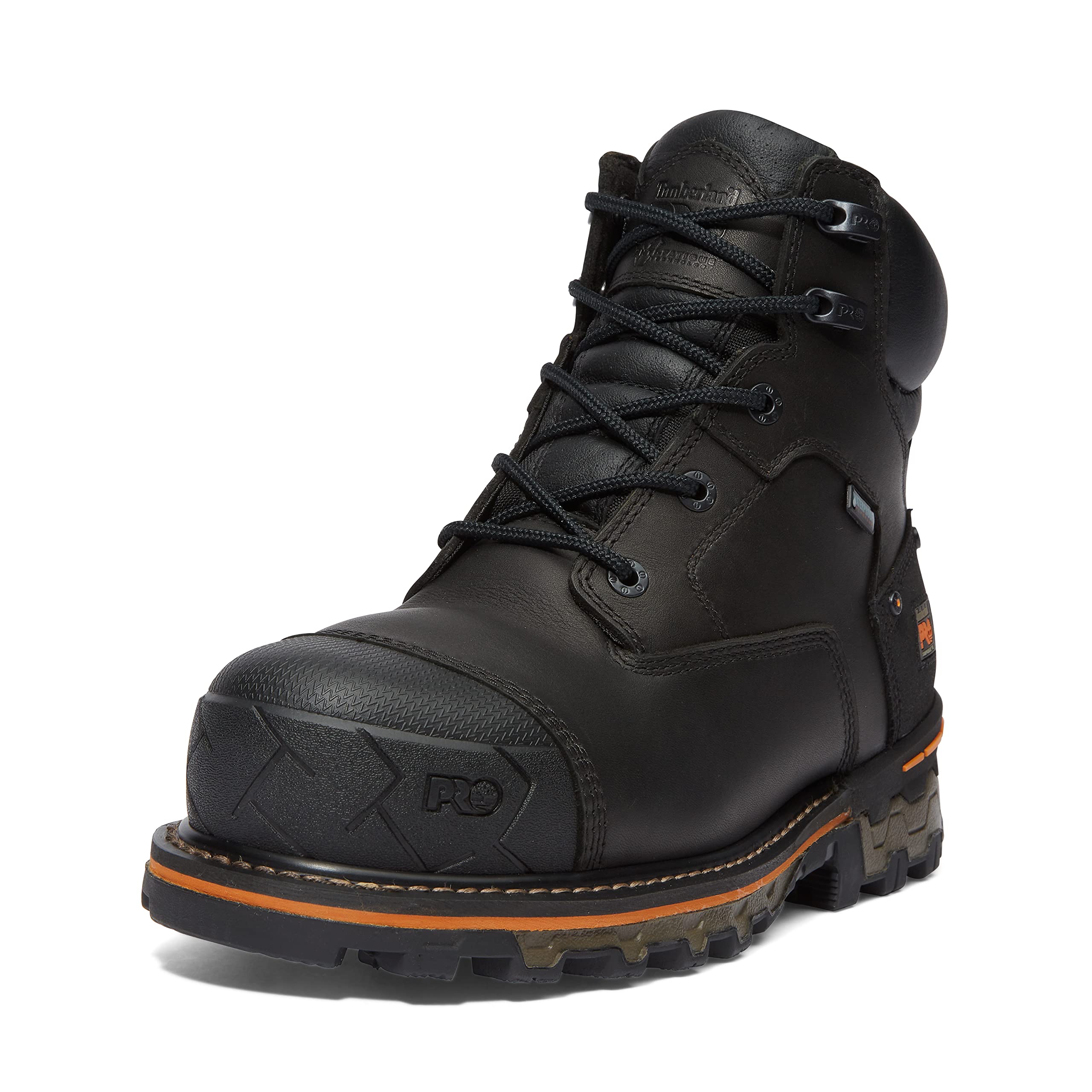

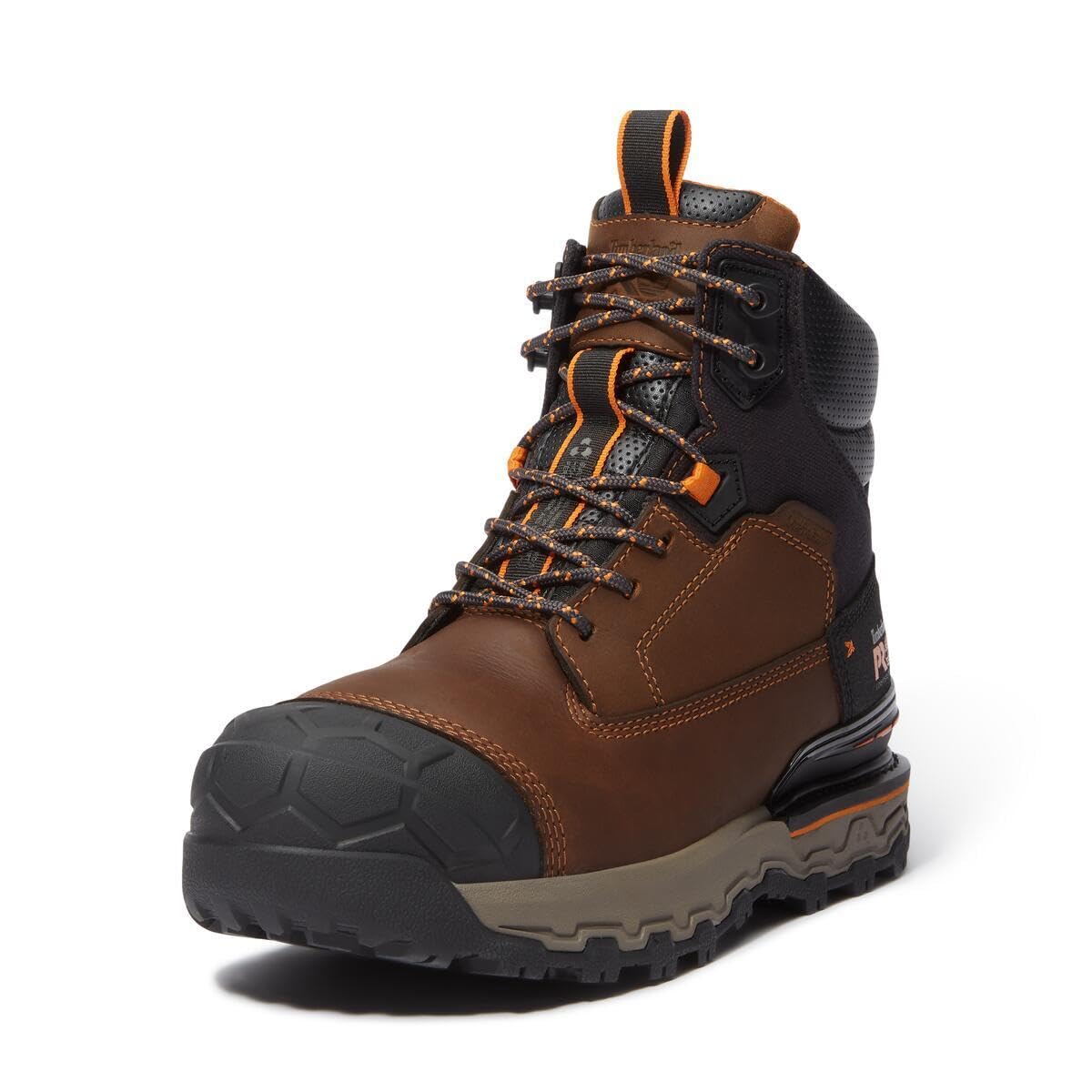
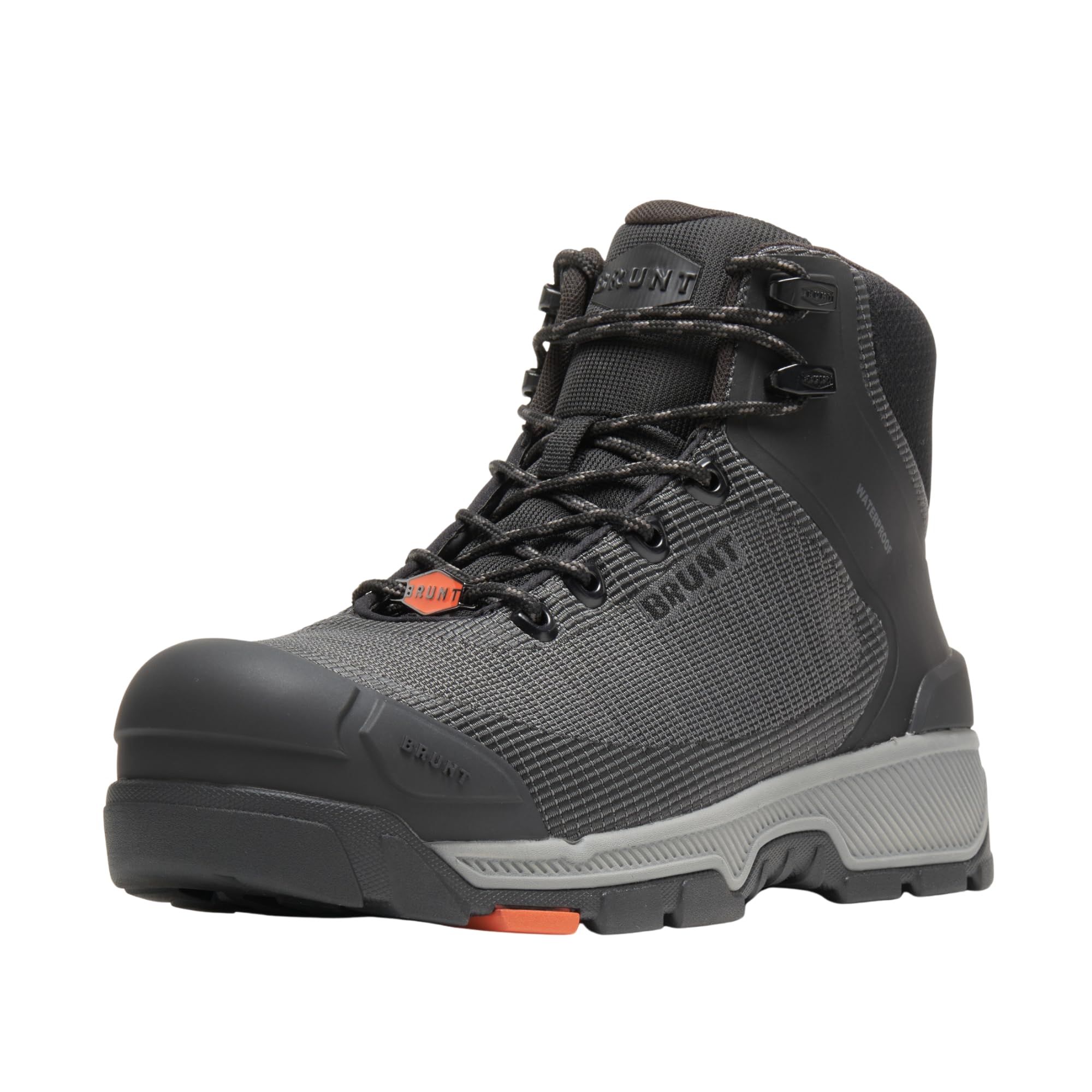
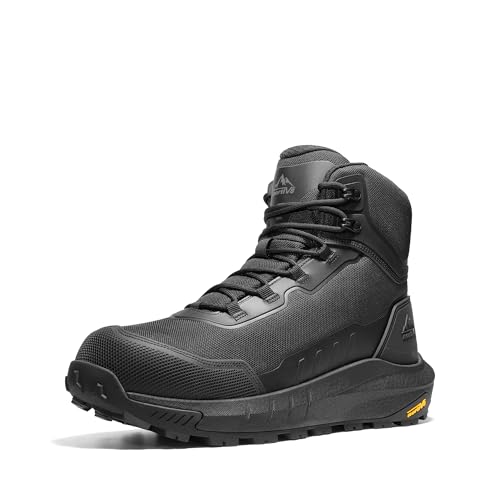

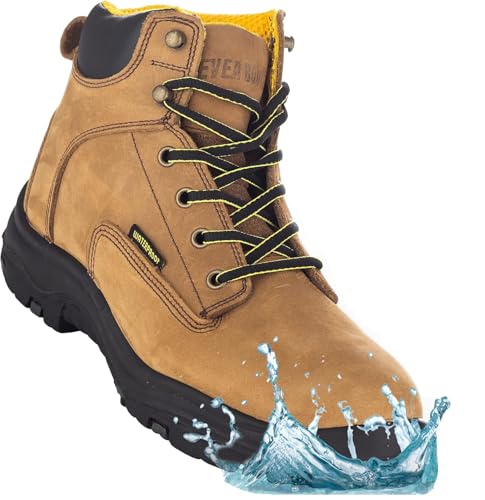
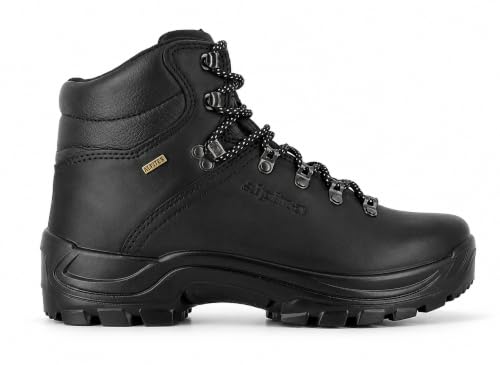

Who Should Buy Ankle Work Boots
Choose this height when you want ankle support but still need to move, drive, and climb with ease.
Warehouse and Delivery Workers Who Walk All Day
You cover long distances on concrete, step in and out of vehicles, and turn often in tight aisles. A lighter boot with cushioning and a flexible outsole reduces fatigue, while the collar still limits side movement. Look for a roomy toe box so toes can spread during long walks.
Trades Workers on Ladders and Uneven Ground
You need grip, a defined heel for ladder rungs, and a collar that steadies the joint when you land or pivot. A firm lace up style suits you better than a loose slip on style. Choose deep lugs for outdoor ground or a flatter tread for indoor floors.
Workers With Tired Ankles Who Want Support Without a Tall Shaft
Tall boots can feel hot and stiff, yet low shoes leave your ankle exposed. A padded collar and stable heel counter can feel more secure. For focused options, see our guide to the best work boots for ankle support and our guide to the best work boots for bad ankles. If you have ongoing pain, swelling that does not settle, numbness, or a recent injury or surgery, talk with your clinician about personal needs before choosing footwear for work.
Types of Ankle Work Boots Compared
All three types share a shaft that ends at or just above the ankle. They differ in entry and support, and the best ankle work boots for one job may feel wrong for another.
Hiker Style Ankle Work Boots for Walking Heavy Days
These boots have padded collars, lighter materials, and flexible soles built for steps rather than standing still. They usually cost about $90 to $170 and feel comfortable early. The trade off is softer support and faster wear on rough sites. Choose this type if walking is the main part of your job.
Classic Lace Up Ankle Work Boots for Firm Support
These boots use leather uppers, strong eyelets, and a firmer heel and midsole, and they usually cost about $110 to $200. Laces let you tighten the ankle closely for stability on ladders and slopes. They weigh more and need more break in time. Choose this type if a locked in heel matters more than low weight.
Slip On Ankle Work Boots for Quick Entry and Exit
These boots use elastic side panels or a wide opening so you can pull them on without tying laces, and they usually cost about $80 to $160. They suit drivers and workers who change footwear often. Fit is less adjustable, so heel lift is more common if the size is wrong. Choose this type only if you still get a snug heel hold.
Key Features to Compare
Compare these features in order, because safety toe and fit matter more than color or extra padding.
Ankle Height, Collar Padding, and Stability
Most ankle work boots have a shaft of about 5 to 6 inches, from the sole to the top of the collar. Padding softens contact with the ankle bone, but stability comes from the heel counter, the lacing, and a sole that does not twist easily. A collar that sits too low can rub and adds little support. Walk on a step in both boots and reject a pair that lets your heel roll inward.
Safety Toe Choices and Toe Box Room
Steel toe caps offer strong protection in a slim shape, while composite toe caps weigh less and conduct less cold. Alloy toe caps sit between the two for weight and room. Soft toe boots suit only sites that allow them. The toe box should let toes lie flat without pressing the cap edge, and your longest toe should not touch the front on a decline.
Upper Materials, Breathability, and Water Protection
Full grain leather resists scuffs and molds to your foot, but it feels warm and needs regular cleaning. Mesh and knit panels breathe better and weigh less, yet they wear faster near scuff zones. Waterproof membranes such as Gore Tex block outside water while letting some moisture escape, though they feel warmer in summer. For dry and hot sites, breathability helps more than full waterproofing.
Outsole Grip, Cushioning, and Arch Support
The outsole pattern should match your floor. Flat lugs grip smooth concrete well, while deeper lugs bite soil and gravel and can feel less steady indoors. Cushioning softens impact on hard floors, and arch support helps spread load when you stand for hours. Heel to toe drop is usually low, so your foot sits fairly flat, while a raised heel helps on ladders where the heel catches a rung.
Weight, Flexibility, Durability, and Break In
A single ankle boot often weighs about 1.5 to 2.5 pounds, and that gap feels large after thousands of steps. Flexible boots bend easily at the toes, while stiffer boots protect better on rough ground but tire the foot on long walks. With daily use, many pairs last about 12 to 24 months before cushioning packs down. Leather styles often need about one to two weeks of short wear before the upper softens.
How to Fit and Check Ankle Work Boots Before a Full Shift
Shop late in the day, when your feet are largest, and wear your work socks. Walk briskly, climb a step, and squat. Your heel should stay in place with only slight movement, and the collar should not dig into the front of your ankle when you bend. Fit the larger foot first if your feet differ in size.
Lace from the bottom upward with even tension, snug at the ankle and slightly looser over the toes. Shoppers who need broad size ranges can also see our guide to the best men's work boots. If you want to compare this height with taller options, see our guide to the best work boots before you decide.
Common Mistakes to Avoid
- Buying ankle work boots in your casual shoe size without a walk test leaves toes bruised on declines.
- Choosing a tread that does not match your floor leaves you sliding on wet tile or smooth concrete.
- Wearing a soft toe boot on a site that requires a safety toe leaves your toes unprotected.
- Tightening only the top laces lets the heel lift, which causes blisters and reduces stability.
- Paying for full waterproofing for hot indoor work traps heat and makes socks damp from sweat.
Care and Maintenance for Ankle Work Boots
Brush dirt from the upper and outsole after each shift, and loosen the laces so air can reach inside. Stuff damp boots with plain paper and dry them at room temperature away from direct heat, which can crack leather and weaken glue. Rotate two pairs if you can, because a rest day lets cushioning recover.
Clean leather with a damp cloth and apply a conditioner suited to that leather when it looks dry. Check laces, eyelets, and the outsole each month. Retire a pair when the tread is smooth in the heel or forefoot, because grip lost there cannot be restored by cleaning.
Ankle Work Boots: Your Questions Answered
How long is the break in period for ankle work boots?
The break in period for ankle work boots is usually about one to two weeks of regular wear. Start with half shifts, then add hours as the upper softens. A useful check is the drive test. If you can press pedals without the collar digging in, the boot is likely ready for longer days.
How often should you replace ankle work boots?
You should replace ankle work boots when protection or grip declines, not only when the upper looks worn. Watch for a crushed heel counter that no longer holds its shape, because that change reduces stability even if the leather looks sound. A sudden change in how a boot tracks on stairs is another early sign.
How should ankle work boots fit at the ankle and toes?
Ankle work boots should fit snugly at the heel and ankle, with clear space at the toes. You should be able to wiggle toes, yet the foot should not slide forward when you walk downhill. Bring an insole from a pair you trust to the store. Standing on it shows whether your toes spread past its edges.
Do you need waterproof ankle work boots for outdoor work?
You need waterproof ankle work boots only if you work in rain, wet grass, wash down areas, or shallow puddles for long periods. For brief splashes, a water resistant leather upper may be enough and will breathe better. Consider seam height as well. Water that flows over the collar will enter even a waterproof boot from the top.
Can you wear ankle work boots all day on concrete?
Yes, you can wear ankle work boots all day on concrete if cushioning, arch support, and fit suit your feet. Stand on a hard floor in the store for several minutes, not only on carpet, to judge pressure under the heel. Rotating insoles between pairs can also help you notice when one set has gone flat.
Our Verdict
Start with the safety toe your site requires, then choose type by how much you walk, climb, and stand. Use the product table to compare shaft height, toe type, weight, and price, rather than choosing by looks alone.
When you choose best ankle work boots with those points in mind, a good pair should hold your heel, leave your toes room, and grip your actual floor. Fit it carefully and break it in on short days.


