
Best Allen Key Sets 2026: Buying Guide
Disclosure: We may earn a commission when you buy through links on this page, at no extra cost to you. As an Amazon Associate I earn from qualifying purchases. Learn more

The best allen key sets cover the right sizes, fit snugly and use hardened steel for furniture, bikes and repairs.
A good allen key set is one of the most used tools in a home toolbox. Flat pack furniture, bicycles, shelving, fitness gear and many appliances rely on hex bolts, and the wrong key rounds the head or slips at the worst moment. The best allen key sets cover the sizes you actually meet, fit snugly and use steel that resists twisting.
The product table below lists current sets. The sections that follow explain size coverage, key styles, steel and storage so you can match a set to your jobs.



Who Should Buy the Best Allen Key Sets
Anyone who assembles furniture, maintains a bike or repairs equipment benefits from a full set rather than the single key that comes in a box. Renters and new homeowners find a compact folding set handy, while hobbyists and mechanics prefer a long arm set with ball ends and a sturdy holder.
If you only tighten one bolt a year, the key in the box is enough. If you regularly work on mixed items, a metric and imperial set avoids the frustration of a key that almost fits.
Key Features to Compare
Metric, Imperial or Both
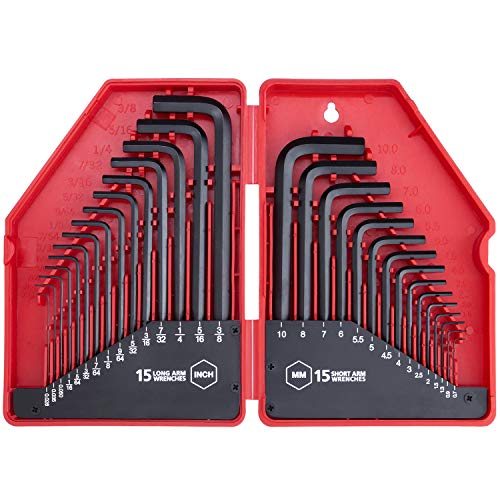
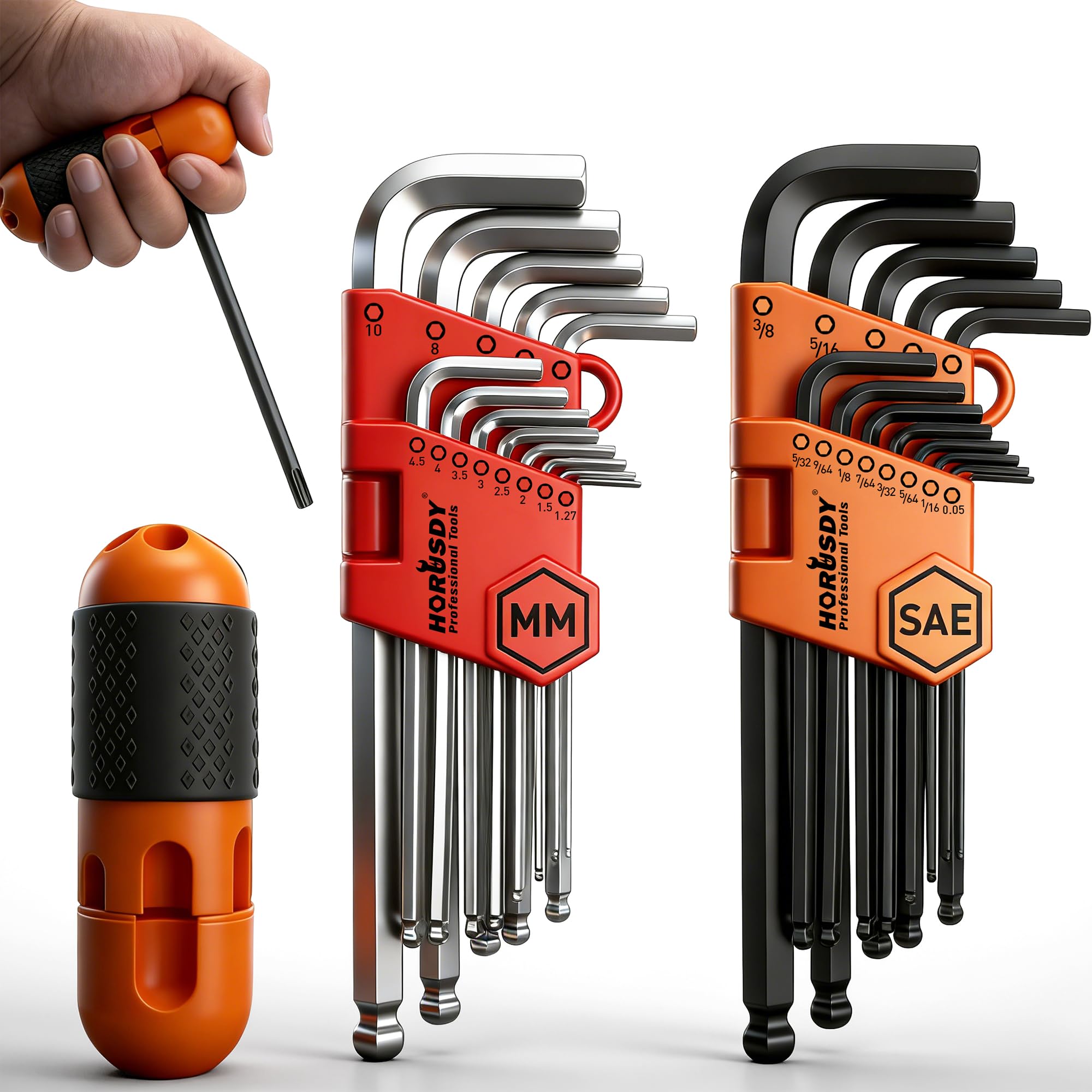
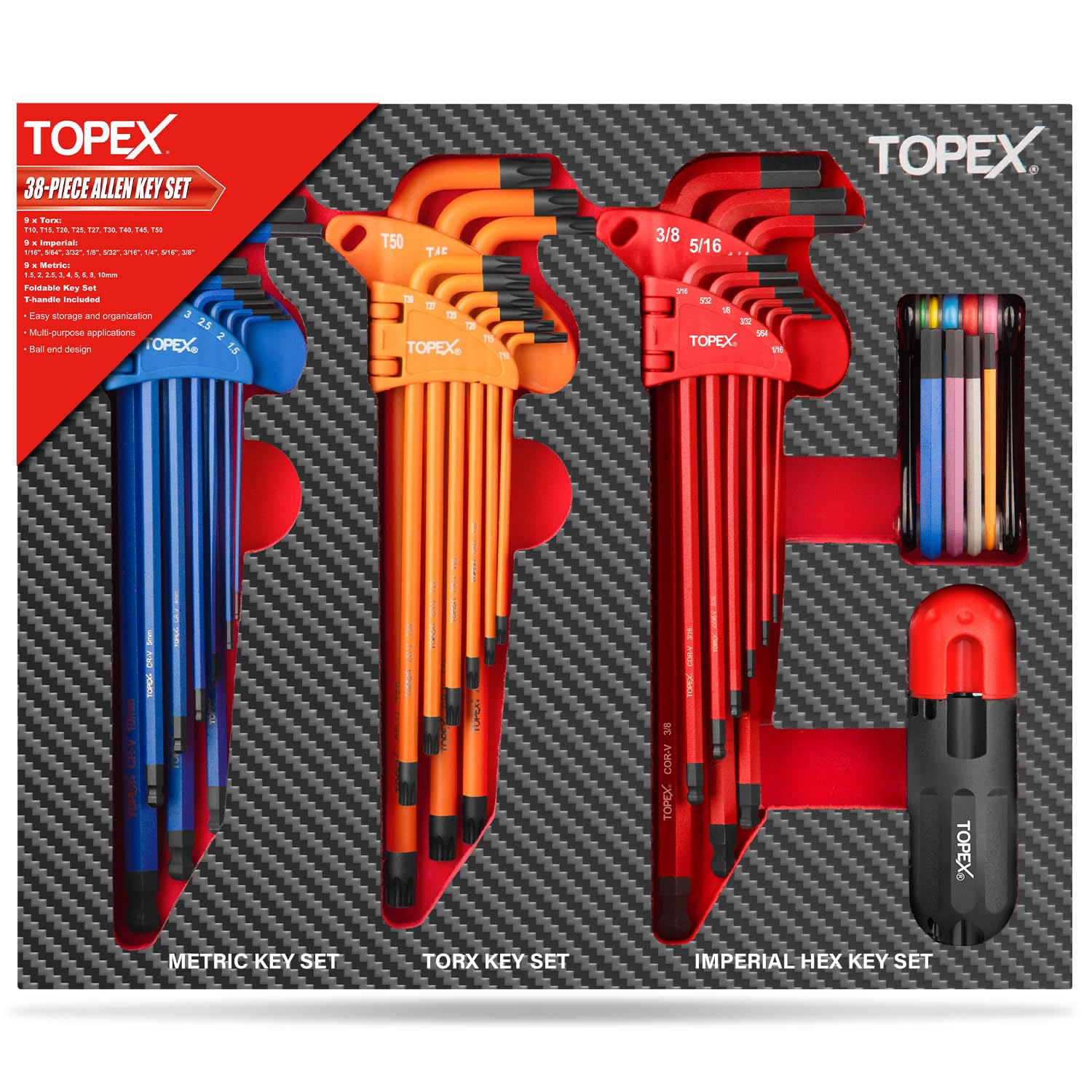
Most modern furniture and bikes use metric sizes, typically from 1.5 mm to 10 mm. Older or imported equipment, and some American brands, use imperial sizes from about 1/16 inch to 3/8 inch. A combined set covers both and saves trips to the store. Check that the size list has no gaps in the range you use most.
Fit and Steel Quality
A snug fit prevents rounded bolt heads. Look for chrome vanadium or similar alloy steel with a hardened finish, since soft steel twists and wears quickly. Precisely sized hex ends matter more than a long list of pieces, because a loose key slips under load.
Key Styles
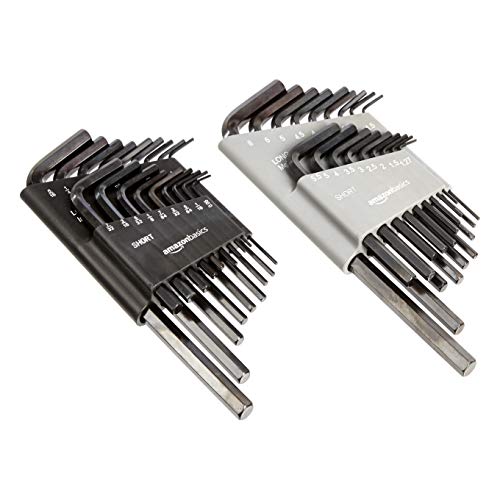
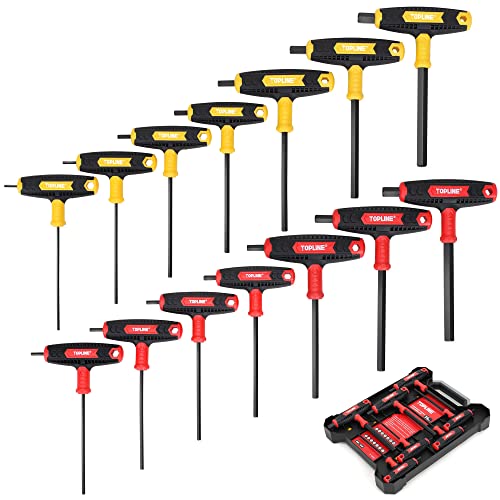
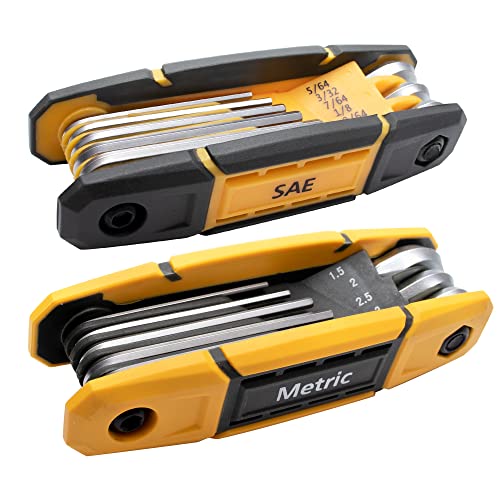
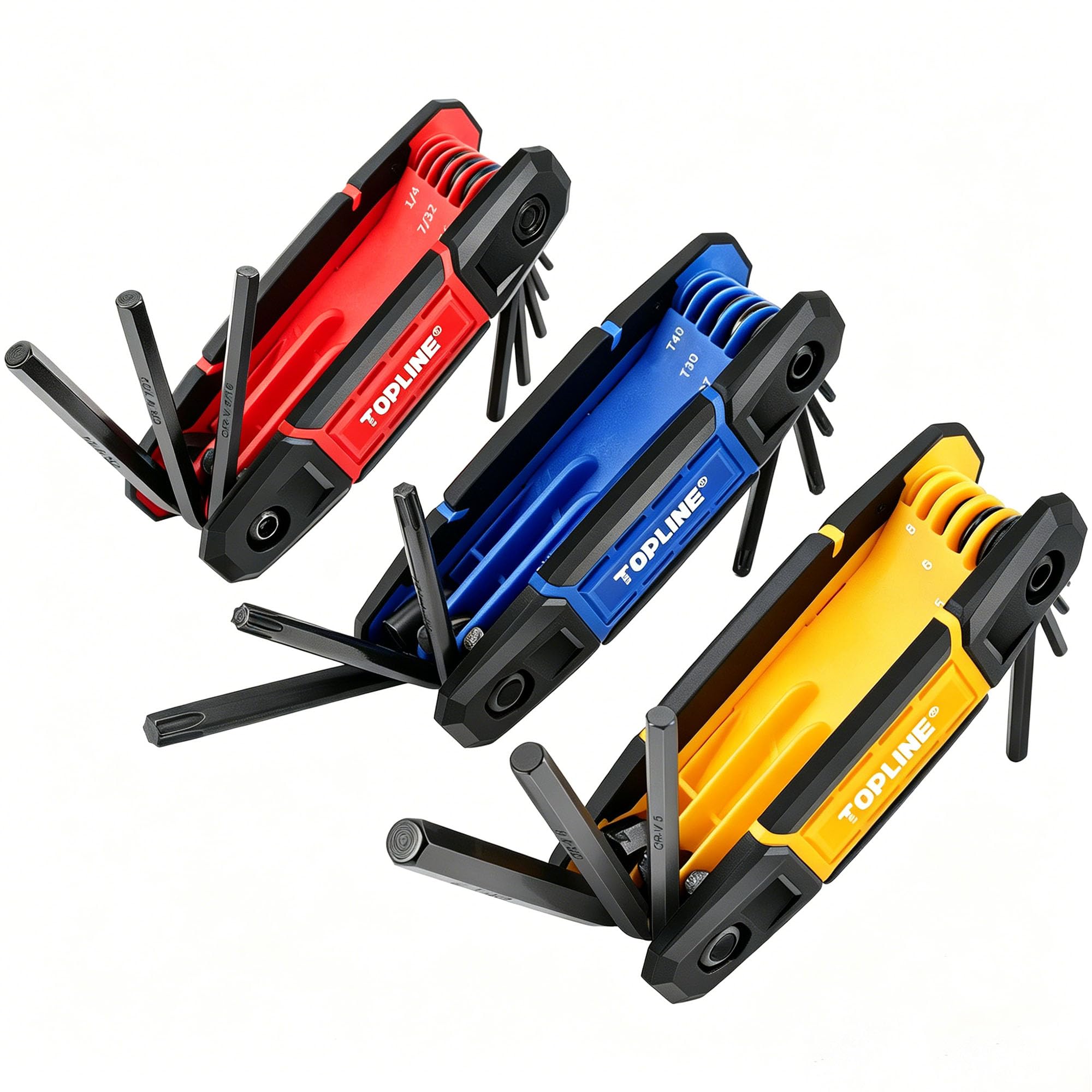
L shaped keys are the standard: the short arm gives torque and the long arm gives reach. Ball end keys let you turn a bolt at an angle in tight spaces, but the ball end is weaker, so use the straight end for final tightening. T handle keys are comfortable for repeated use, and folding sets keep sizes together like a pocketknife.
Holder and Organization
A holder that labels each size keeps the set complete and makes the right key easy to find. Folding sets suit bike bags and toolboxes, while rack style holders suit a garage wall. Avoid loose bundles that scatter in a drawer.
Torx and Extra Bits
Some sets add Torx star keys, which are used on bikes, electronics and many car parts. They are a useful extra if you do varied repairs, but they are not needed for plain hex bolts.
Choosing a Set for Your Jobs
For flat pack furniture, a small metric set with sizes 2 mm to 8 mm is usually enough. For bikes, add a good 2 mm to 10 mm range, and consider a T handle or torque style key for precise tightening. For equipment and machinery, choose long arm keys with ball ends and a sturdy holder. If you need to loosen stuck bolts, choose thicker keys made of hardened steel, and avoid cheap keys that deform.
Using Allen Keys Well
Push the key fully into the bolt head before turning, and use the short arm for breaking a tight bolt loose and the long arm for fast spinning. Do not add a pipe to extend the handle, since that can bend or snap the key. Keep keys clean and lightly oiled to prevent rust, and replace any key with rounded corners, because a worn key damages bolts that are harder to remove than a new key is to buy.
Common Jobs and the Sizes They Need
Bed frames, wardrobes and desks usually need 4 mm, 5 mm and 6 mm keys. Bike stems, seat clamps and brake levers commonly use 4 mm, 5 mm, 6 mm and 8 mm, and smaller 2 mm to 3 mm keys appear on derailleurs and accessories. Fitness equipment and outdoor furniture often use 6 mm to 10 mm, while small appliances and electronics may need 1.5 mm to 2.5 mm. Before you buy, check a few bolts on the items you own and compare them with the size list on the set.
Handle length matters too. Long arm keys give leverage and reach into recessed bolts, while short keys suit tight spaces. A set that offers both lengths, or a folding set with a handle, gives the widest coverage for mixed work around the house.
Budget and Value
Good sets cost roughly $10 to $50. Cheap sets can work for occasional jobs, but for frequent use a set with better steel and a labeled holder lasts longer and protects your bolts. Check that the listing states the steel type and the size range, and read the return terms.
Common Mistakes to Avoid
- Buying only metric when you also work on imperial items leaves gaps.
- Using a ball end key for final tightening risks snapping the ball.
- Extending the key with a pipe bends or breaks it.
- Keeping rounded keys damages bolt heads.
- Storing loose keys in a drawer means missing sizes mid project.
Care and Maintenance
Wipe keys with a dry cloth after use and add a drop of light oil to the holder or case if you store tools in a damp garage. Rust roughens the hex faces and makes keys grip poorly. Check each key for bends or rounded corners before a big project, and keep a spare of the sizes you use most, usually 4 mm, 5 mm and 6 mm, so a lost or damaged key never stalls a job. Magnetic holders and labeled racks help keep the set in one place and make it easy to see at a glance if a size is missing.
Related Guides
For related choices, see best allen wrench sets and best hex key sets.
Frequently Asked Questions
What sizes should an allen key set cover?
Common metric sizes from about 1.5 mm to 10 mm handle most furniture and bike work, while imperial sizes help with older equipment. A combined set covers both.
What makes one allen key set better than another?
Fit and steel quality matter most. A snug key will not round the bolt head, and hardened alloy steel resists twisting. Look for a chamfered tip and a rust resistant finish.
Are ball end keys worth it?
They help in tight spots where a straight key cannot reach. They are weaker at the ball, so use the straight end for final tightening.
How should I store allen keys?
A holder or folding set keeps sizes together and stops small keys disappearing. Labeled holders help you find the right size quickly.
When should I replace an allen key?
Replace a key when its corners look rounded or it slips in the bolt head. A worn key damages bolts.
Final Thoughts
Match the sizes to your jobs, choose hardened steel with a snug fit and keep the set in a labeled holder. Use the product table above to compare current sets. The best allen key sets are the ones that cover your sizes, fit well and stay complete in one place.


