
Best Ankle Snow Boots by Budget: Smart Picks for 2026
Disclosure: We may earn a commission when you buy through links on this page, at no extra cost to you. As an Amazon Associate I earn from qualifying purchases. Learn more

Best ankle snow boots by budget: what each price tier buys in insulation, waterproofing, traction and fit.
Prices for ankle snow boots run from under $100 to above $200, and price alone says little about warmth or grip. The best ankle snow boots for you depend on how cold your winters get, how wet the snow is, and how far you walk. This guide shows what each budget tier buys.
Use the product table to line up options by price, then read on for what separates a one winter boot from one that lasts for years.

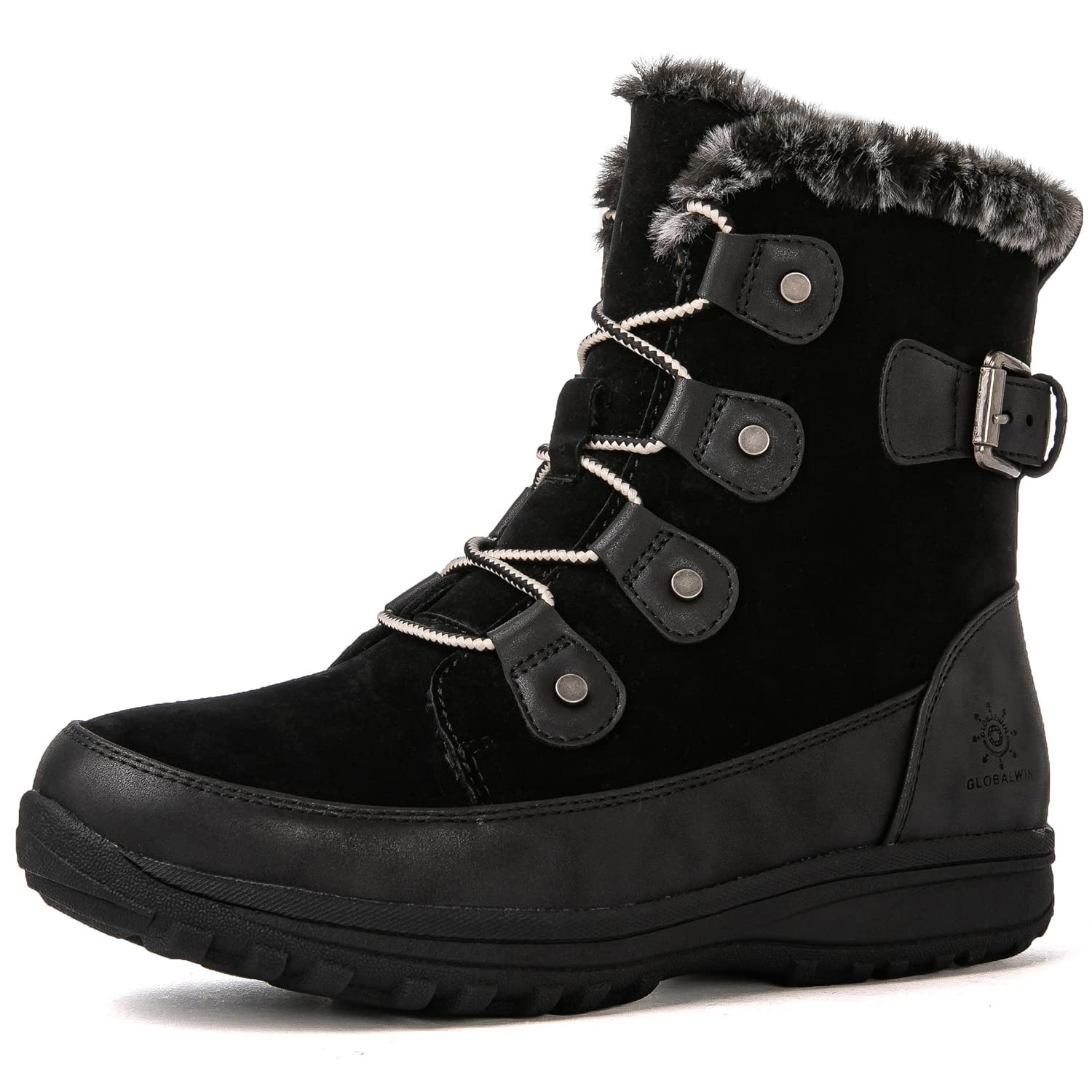
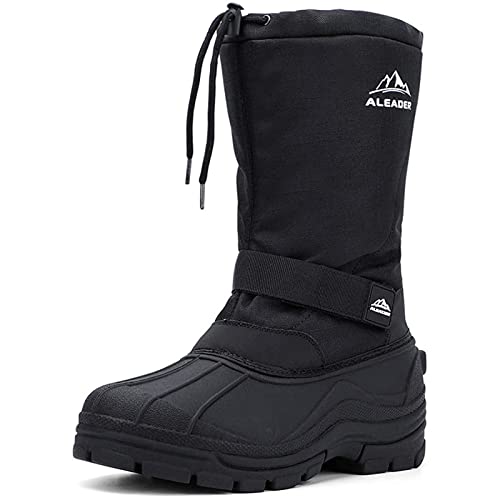
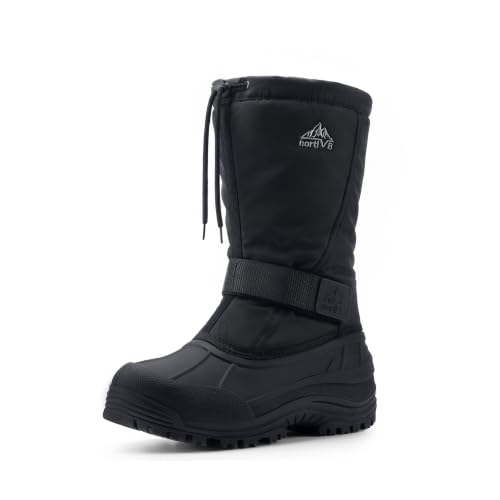


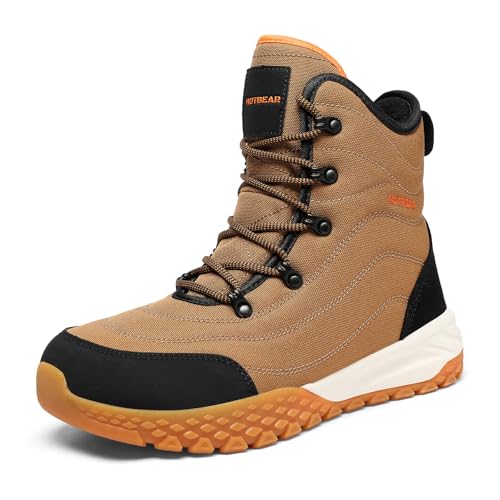

Who Should Buy Ankle Snow Boots by Budget
Ankle height suits people who want winter protection without a stiff, tall shaft.
Daily Commuters Who Walk Short Icy Routes
If your day is a walk to a bus stop, a train platform, and a cleared office entrance, a midrange pair usually covers you. You need grip on packed snow, insulation for standing in wind, and a padded collar that keeps slush out. Cheap pairs often skimp on outsole rubber, exactly where commuters cannot afford a shortcut.
Women Who Want Warmth Without Tall Shaft Bulk
Many women choose ankle height because it pairs with everyday trousers and feels less restrictive on stairs and while driving. Prioritize a close heel fit, since a loose heel lifts and rubs with every step. For deeper snow days, see our guide to the best ladies snow boots for taller options.
Drivers and Travelers Who Move Between Car and Snow
If you mostly drive and step out onto plowed lots and short snowy paths, you can spend less than a long distance walker. A budget boot with a waterproof shell handles brief exposure well. Flexibility matters more than maximum warmth, because a stiff sole makes pedal feel vague.
Snow Boot Price Tiers From Mild Days to Deep Cold
As prices rise, the best ankle snow boots at each level add better membranes, warmer insulation, and grippier rubber.
Budget Tier About $50 to $80: Basic Warmth for Mild Snow
At this level you typically get a synthetic upper, a waterproof coating rather than a full membrane, and light insulation for short trips near freezing. Seams may lack full sealing, so slush can creep in on long outings. These boots fit occasional snow and brief storms, with heavier materials and faster outsole wear than midrange pairs.
Midrange Tier About $80 to $150: Sealed Seams and Stronger Grip
This is where most buyers get the best value. Boots here usually add a proper waterproof membrane, sealed seams, insulation of about 200 grams, and deeper lugs that bite on packed snow. Fit improves too, with shaped ankle padding and better arch support for longer walks.
Premium Tier About $150 to $220: Lighter Materials and Longer Wear
Above about $150, you pay for lighter insulation, full grain leather or advanced synthetic uppers, and rubber that stays flexible in deep cold. Brand name membranes such as Gore Tex appear more often, and replaceable insoles extend useful life. This tier suits daily walkers in harsh winters, and mild climates gain little from it.
Key Features to Compare
Warmth and traction decide whether an ankle boot works at all.
Waterproofing and Sealed Seams
A snow boot faces melting slush, puddles at curbs, and snow packed against the upper, so waterproofing must cover the whole boot. A membrane blocks outside water while letting some sweat vapor escape, and sealed seams close the stitch holes where leaks start. Coatings wear off over a season, so treat a coated budget boot as water resistant only.
Insulation Weight and Lining Warmth
Insulation is usually described in grams. About 200 grams suits most walkers in typical winter cold, while about 400 grams fits very cold regions or people who stand still outdoors. More insulation adds bulk that can squeeze the toes and reduce blood flow, so warmth does not rise in a straight line with thickness.
Outsole Traction on Ice and Packed Snow
Look for lugs about 4 to 6 mm deep with edges pointing in several directions, since straight tread lines can slide sideways on a slope. Softer rubber grips better in cold weather, though it wears faster on dry pavement. Premium outsoles such as Vibram often add siping, meaning thin cuts that open under your weight.
Ankle Support, Stability and Cushioning
An ankle boot offers less support than a tall boot, so the collar does much of the stability work. A padded, snug collar limits side to side roll on uneven snow, and a firm heel counter keeps your foot centered. Cushioning softens pavement impact, while steady arch support reduces fatigue on hard floors. If you often twist an ankle, lace a higher collar firmly.
Fit, Toe Box and Room for Thick Socks
Measure your feet in the afternoon, when they are at their largest, and shop wearing your winter socks. Toes should clear the front when you press your foot forward, because toes that touch the front go cold on downhill walks. A roomy toe box lets toes spread for balance, but extra length beyond about half an inch invites tripping.
Upper Materials, Breathability and Weight
Leather resists abrasion and molds to your foot, but it needs conditioning and weighs more when wet. Suede absorbs water quickly unless treated, so it fits dry, cold snow better than slush. Synthetic textile uppers stay lighter and dry faster, which suits active walkers whose feet sweat. Breathability always trades against waterproofing to some degree.
Choosing Ankle Snow Boots for Your Situation
Two situations deserve a closer look: growing feet, and the limit ankle height sets in deep snow.
Ankle Snow Boots for Girls
For girls, priorities shift toward light weight, easy closures, and warmth that lasts through recess and the walk home. Straps or wide zips let younger children dress themselves, while older girls often prefer laces for a closer fit. Leave a little growing room, but avoid a full size of extra length, since a sloppy fit causes trips. If a child says her toes stay numb after coming indoors, or the skin looks pale or blotchy, warm her feet gently and seek medical care promptly, and talk with her clinician about personal needs if it happens again.
When Ankle Height Is Not Enough for Deep Snow
Ankle boots end just above the ankle bone, so snow deeper than about 6 to 8 inches can pour over the collar and fill a boot in seconds. Gaiters close that gap for occasional deep days and cost far less than a second pair. If deep snow is your normal condition, see our guide to the best snow boots for taller shafts. A guide to the best ankle boots shows fashion styles lacking insulation entirely.
Ownership Costs Beyond the First Winter
The purchase price is only part of what a pair costs over its life. Budget for warm winter socks, since thin socks can make a good boot feel cold, and for a waterproofing treatment each season on leather uppers. Replacement insoles cost around $15 to $30. Men shopping too can see our guide to the best snow boots for man.
Common Mistakes to Avoid
- Buying your usual shoe size without winter socks, so toes press the front and go cold within an hour.
- Choosing ankle height for regular deep snow, so outings end with snow packed inside the collar.
- Judging warmth by lining thickness in the store, so you miss thin insulation that performs better outdoors.
- Picking smooth fashion soles for icy sidewalks, so a short walk becomes a fall risk.
- Leaving wet boots beside a hot radiator, so leather cracks and soles loosen early.
- Skipping the afternoon fit check, so a boot that felt fine in the morning pinches by evening.
Care and Maintenance for Ankle Snow Boots
Knock snow off before you come inside, and loosen the laces so air can reach the lining. Let the boots dry at room temperature with newspaper inside, away from direct heat. Brush dried salt lines off with a damp cloth, since road salt pulls moisture from leather. Condition leather once or twice a season.
Ankle Snow Boots: Your Questions Answered
How long is the break in period for ankle snow boots?
Most ankle snow boots feel comfortable within about three to five outings. Stiff leather pairs take the longest, while soft synthetic pairs often feel fine on the first walk. Wear new boots indoors before a long day, and try them on stairs, where a lifting heel shows itself quickly. A spot that still rubs after several outings signals a fit problem.
How often should you replace ankle snow boots?
Replace ankle snow boots when the lugs wear smooth, the midsole stays compressed, or the lining leaks at the seams. For daily winter use, that point often arrives after about three to five seasons, sooner for budget pairs worn on dry pavement. Press a thumbnail into the midsole: if it feels hard and does not spring back, the cushioning is spent.
Are expensive ankle snow boots worth the extra money?
Expensive ankle snow boots are worth it when you walk in snow most days, because the cost buys colder rated insulation and better rubber. Do the cost per season math: a pair at around $180 worn for four winters costs less each year than a pair at around $70 replaced after one.
Can you wear ankle snow boots all day?
Yes, you can wear ankle snow boots all day if the fit is right. Indoors, heavy insulation can overheat your feet, and sweat that builds up will chill them on the trip home, so many people change into indoor shoes at work. If you keep them on, loosen the laces when sitting for long periods.
Do ankle snow boots need to be waterproof?
Ankle snow boots need full waterproofing in wet snow and slush, but dry powder in very cold air is less demanding. Snow well below freezing stays loose and brushes off, while snow near freezing melts on a warm upper and soaks stitching fast. Frequent thaw cycles call for sealed seams.
Our Verdict
Start with your coldest regular day and usual walking distance, then pick the lowest price tier that covers both with sealed seams and real rubber lugs. Fit decides more than features do, so leave room for winter socks without letting your heel lift. When you compare the best ankle snow boots for your budget, use the product table to confirm insulation and price first.


