
Best Ankle Deck Boots: Every Type Explained Side by Side for 2026
Disclosure: We may earn a commission when you buy through links on this page, at no extra cost to you. As an Amazon Associate I earn from qualifying purchases. Learn more

Best ankle deck boots compared by type: pull on, lace up, insulated and lightweight, with sole, drainage, fit and care tips.
Short boots made for wet decks can look almost identical on a shelf, yet the sole, shaft height and lining change how each pair feels on a slick surface. This guide compares the main types of best ankle deck boots side by side, so you can match a style to your boat, dock or workday. The comparison table below sums up each type, and the sections after it explain the trade offs.
Deck boots are complete waterproof boots built for standing and moving on wet ground rather than for hiking trails or deep wading. Ankle height keeps them light and easy to pull on, while the sole and drainage decide whether your feet stay steady and dry.

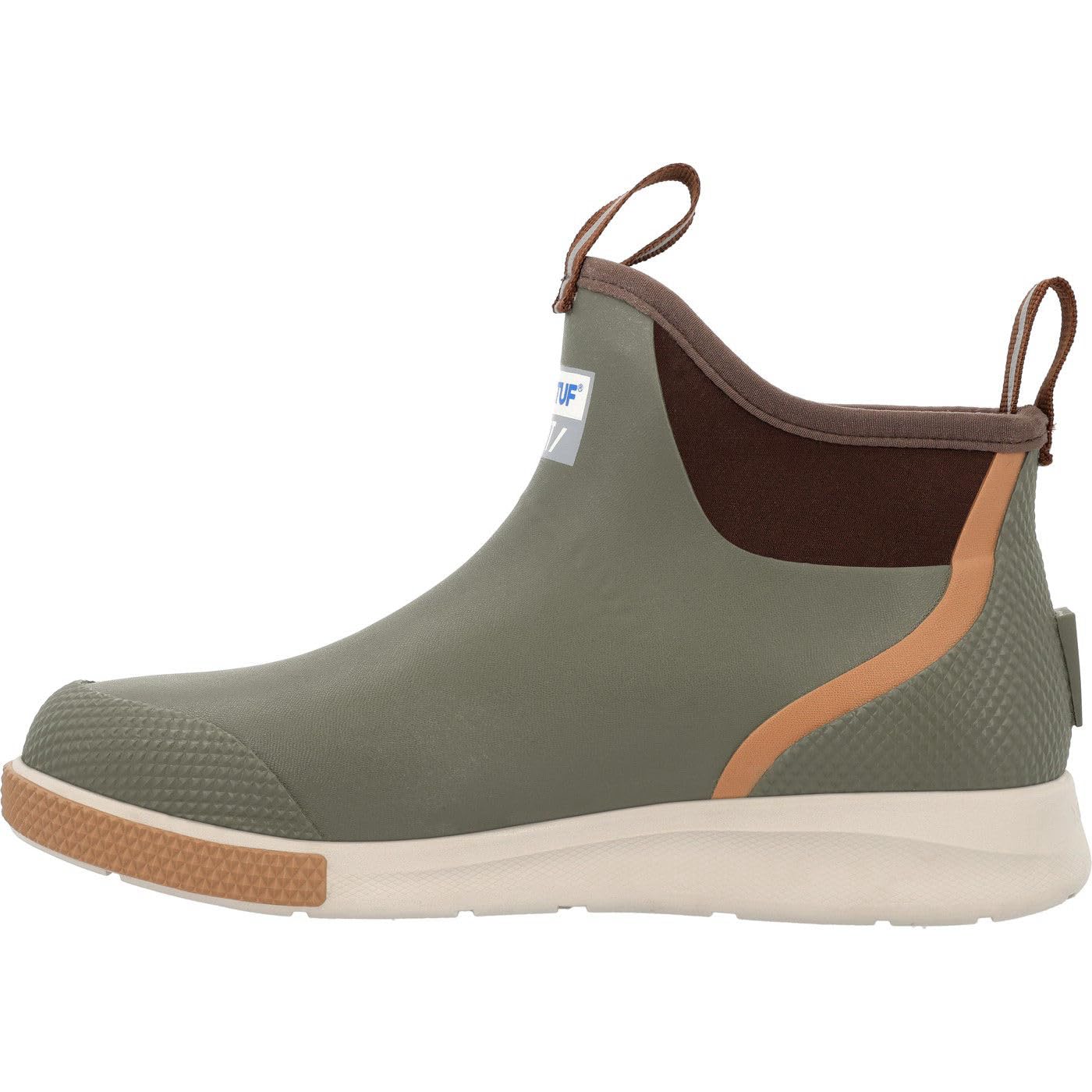

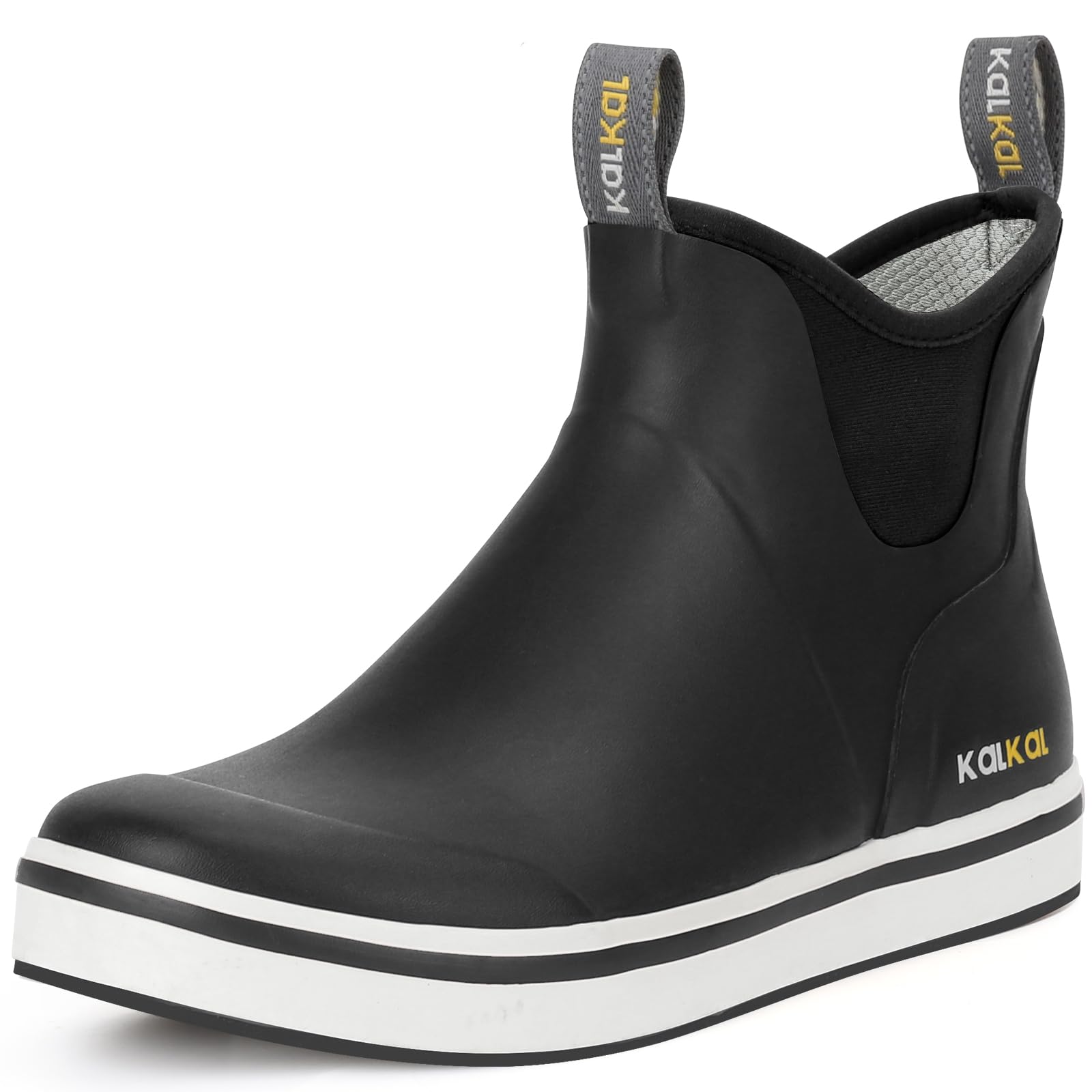

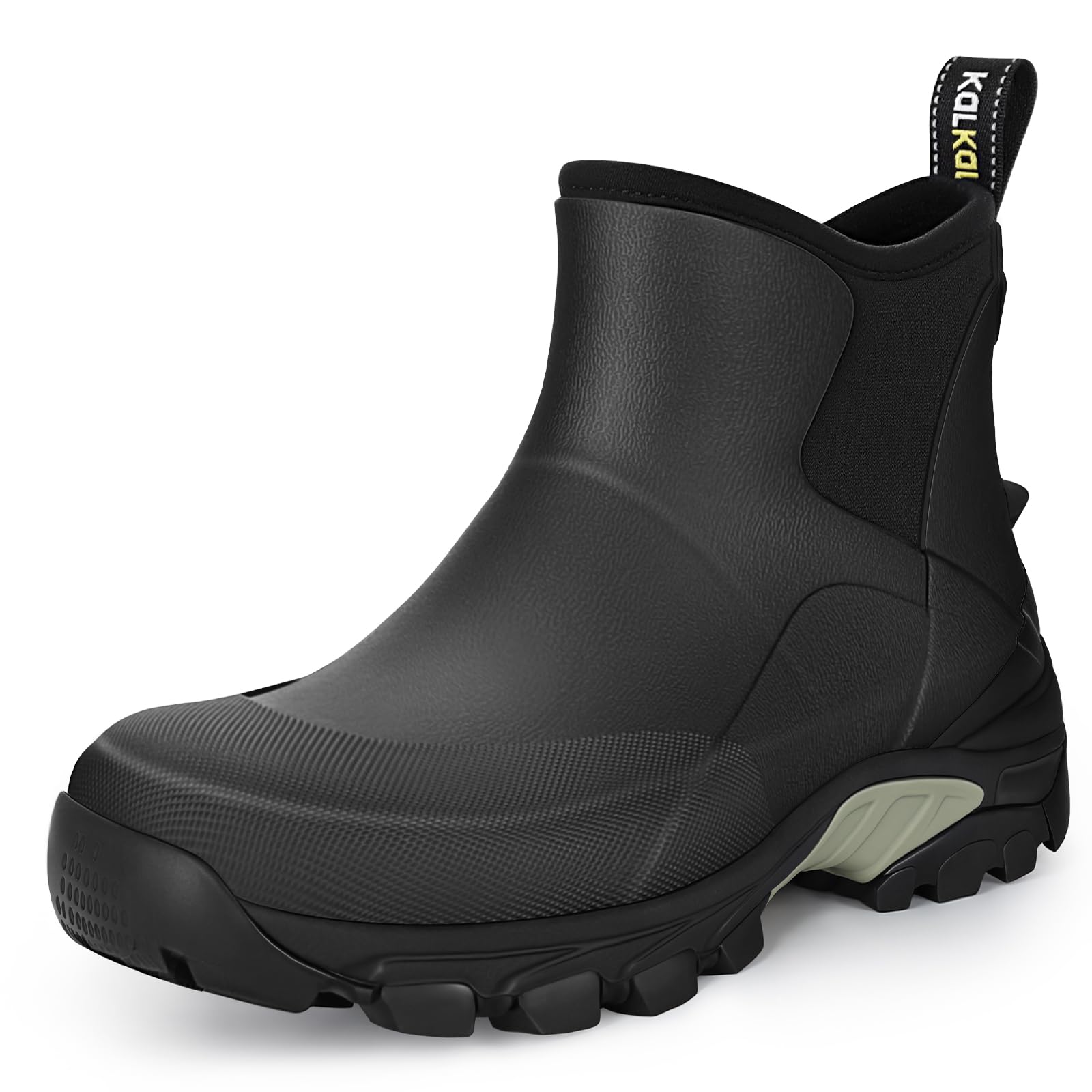
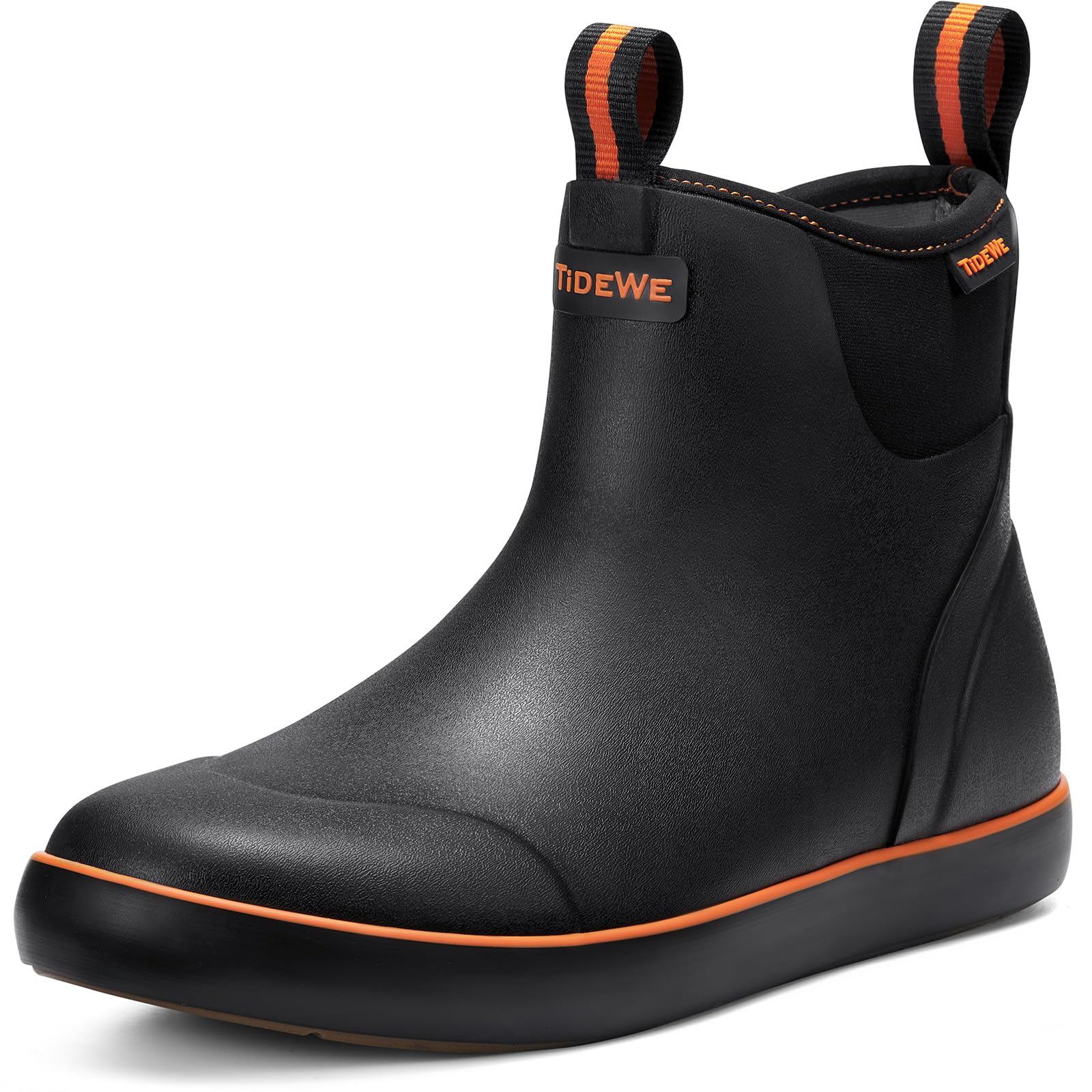
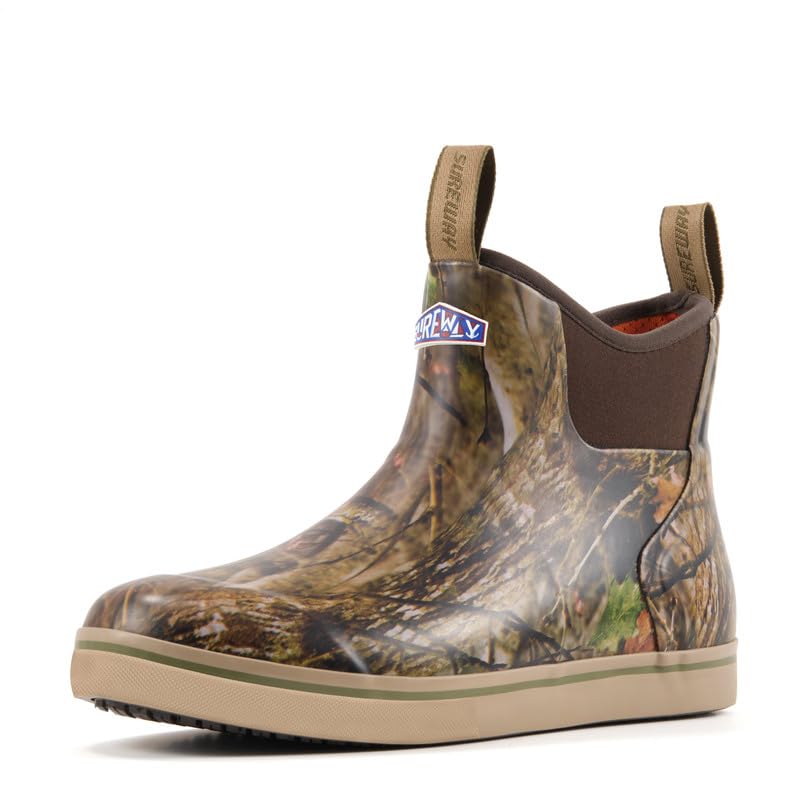
Types of Ankle Deck Boots Compared
Two facts shape every type here. First, a siped sole decides grip on a wet deck, because its many fine cuts open under your weight, push water aside and let the rubber meet the surface. Second, an ankle height of about six inches decides how much splash, spray and wash water stays out.
When shoppers compare the best ankle deck boots, the real choice is rarely about looks. It is about how much water you meet, how cold that water is, and how long you stand each day.
| Type | Best For | Pros | Cons | Typical Price |
|---|---|---|---|---|
| Classic pull on | Fishing and boat decks | Fast entry and a full waterproof seal | Little ankle adjustment | about $70 to $120 |
| Lace up work style | Docks and wet yards | Adjustable snug fit | Laces need drying care | about $60 to $110 |
| Insulated cold water style | Cold rain and winter decks | Warmth in cold spray | Too warm in summer | about $90 to $160 |
| Lightweight warm weather style | Summer boats and travel | Light and quick to dry | Less cushion on long days | about $50 to $90 |
Classic Pull On Boots for Fishing and Boat Decks
The classic pull on style is the original deck boot shape: a seamless waterproof lower, a soft ankle shaft and pull loops at the top. With no laces and no tongue, water has fewer paths in. Most anglers and boat crews reach for this type when decks are washed down often.
The trade off is fit control. A pull on boot holds by shaft shape and footbed alone, so a loose pair can slip at the heel on a rolling deck. Try this style with the socks you actually wear and walk a slope before you commit.
Lace Up Boots for Dock and Yard Work
Lace up deck boots trade a little entry speed for a fit you can tune. Laces let you snug the ankle opening on narrow feet and loosen it over thick socks, which helps one pair serve on the boat and in a wet yard. Look for eyelets that resist corrosion and a tongue joined to the upper so spray cannot slip inside.
The weakness is water entry at the lace line in heavy wash water, plus laces that stay damp if you store the boots wet. This type suits dock staff, marina workers and gardeners who value a secure fit over fast entry. Dry the laces open after wet days and the style lasts well.
Insulated Boots for Cold and Wet Days
Insulated deck boots add a warm lining inside the same ankle height waterproof shell. The lining traps still air, which keeps feet comfortable when deck water is near freezing. Northern anglers, winter ferry crews and cold weather dock workers feel the benefit most.
Warmth costs breathability and weight. In mild weather an insulated lining makes feet sweat, and damp socks then feel cold anyway. Buy this type for a clear cold season role rather than as your only pair, and size it with room for a midweight sock.
Lightweight Boots for Warm Weather Use
Lightweight deck boots use thinner uppers and lighter footbeds to cut fatigue on hot days. They drain and dry faster than the other types, pack flat in a boat bag, and feel closer to a sturdy shoe than to a work boot. Summer sailors, kayak anglers and travellers who meet brief rain rather than constant spray get the most from them.
The compromise is support and sole life. A thin upper gives less protection against dropped gear, and a soft sole wears sooner on rough concrete.
Pull On Boots vs Lace Up Boots: Which Should You Choose?
Entry speed favours the pull on style, since you can move in seconds with wet hands. Fit adjustment favours the lace up style, which can grip a narrow heel and still open wide for thick socks. Water sealing favours the pull on style in wash water, while the lace up style wins on mixed ground where a loose boot would rub.
Height is the shared limit of both styles. Readers who need coverage above the ankle can see how taller styles compare in our guide to the best deck boots. If your water stays below ankle height, choose by fit: pull on for speed and sealing, lace up for adjustment.
How to Choose the Right Ankle Deck Boot
Outsole Traction and Terrain
Match the tread pattern to the surface under your feet. Fine siped soles suit flat boat decks and wet fibreglass, where water film is the enemy and deep lugs would only reduce contact. Shallow grooves with wider channels suit ramps, docks and light mud, since they shed grit instead of packing with it. Clean the grooves after trips, since trapped shell and stones kill grip.
Waterproofing and Drainage
A waterproof membrane or a fully moulded lower keeps spray and puddle water out, but water still enters over the top in wash downs. That is where drainage decides the day. Ports, quick dry linings and shaped footbeds that move water out decide how fast a soaked boot recovers. A boot that drains well can feel dry again within the hour, while one with no drainage stays damp all day.
Fit, Sizing and Ankle Opening
Measure your feet late in the day, when they are at their largest, and try boots with your working socks. You want about a thumb width of room in the toe box, a heel that lifts only slightly, and an ankle opening that closes the gap around your leg without pinching. For more on shaft width and opening shapes, see our guide to the best ankle boots.
Cushioning and Support
Most deck boots use a low heel to toe drop, which keeps your stance stable on a moving surface. Cushioning comes from the footbed foam, and firmer foams hold up better under long standing. If you need arch support, choose a boot with a removable footbed so you can swap in your own insert.
Durability and Expected Lifespan
Rubber uppers fail first at the flex point above the toes, where repeated bending opens cracks that finally leak. Soles fail by wear, as the fine cuts smooth out and grip fades on wet surfaces. A hard working pair often lasts about two to four seasons. Store boots upright, out of strong sun, and rinse off salt after use.
Tips to Get the Most From Your Ankle Deck Boot
- Rinse salt, sand and fish residue off the sole after each trip so the cuts stay grippy.
- Air dry wet boots away from direct heat, which can crack rubber and warp footbeds.
- Rotate two pairs if you work on wet decks daily, giving each pair a full day to dry.
- Check the ankle opening seals and pull loops each month and repair small tears early.
Ankle Deck Boots: Your Questions Answered
Can I wear ankle deck boots all day?
Yes, most people can wear ankle deck boots all day if the fit and footbed suit long standing. Choose a firmer footbed for full shifts, since very soft foam compresses by midday and leaves feet sore. A spare pair of dry socks at midday restores comfort more than any single feature. If your work mixes decks with ladders, check that the heel shape still feels secure.
How often should I replace my ankle deck boots?
Replace ankle deck boots when the sole looks smooth, the upper cracks at the flex point, or water enters in normal spray. Time alone is a poor guide, since a daily work pair may wear out in two seasons while a weekend pair lasts far longer. At home, stand on a wet tiled floor and shift your weight: if the boot slides where it once gripped, the sole has done its service.
How long is the break in period for ankle deck boots?
The break in period for ankle deck boots is short, usually two or three outings. Moulded waterproof lowers do not stretch like leather, so a pair that pinches on day one will rarely improve much with wear. Wear new boots around the house first, and watch for heel slip, the fit fault most likely to cause blisters later.
How should ankle deck boots fit?
Ankle deck boots should fit snugly at the heel and midfoot with clear space in front of your toes. Your toes should never press the front when you brace on a slope, and the ankle opening should sit close without cutting into your leg. Judge the fit at the end of the day with your thickest working socks, since feet swell as the day goes on.
Do I need waterproof ankle deck boots?
Yes, waterproofing is the core job of ankle deck boots, since every type is built to keep deck water out. What varies is how much water each type handles: light spray needs far less sealing than wash down work. If you step into water deeper than the shaft, no ankle boot will stay dry, and a taller boot class is the honest answer.
The Bottom Line
In short, the best ankle deck boots for you are the pair whose sole, height and lining match your water and your workday. Let the siped sole and a shaft of about six inches be your first checks, then weigh drainage and fit. Use the product table to compare the options, and pick the style that fits your wettest weekly day.


