Best Animal Toy Sets: Matching the Right Model to Your Routine for 2026
Disclosure: We may earn a commission when you buy through links on this page, at no extra cost to you. As an Amazon Associate I earn from qualifying purchases. Learn more

A use based guide to the best animal toy sets: age and safety, piece count, storage, and play value for toddlers, gifts, and first sets.
There is no single animal toy set that suits every child, every shelf, and every budget. A toddler needs chunky figures that survive drops and mouths, while an older child may want a detailed habitat with dozens of small pieces. This guide to the best animal toy sets starts with how the set will actually be used, then matches features to that use. Scan the comparison table below for a quick sense of sizes and price ranges, then use the sections that follow to narrow your choice with confidence.



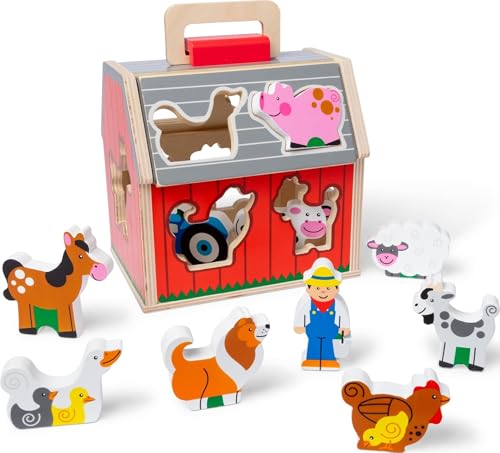
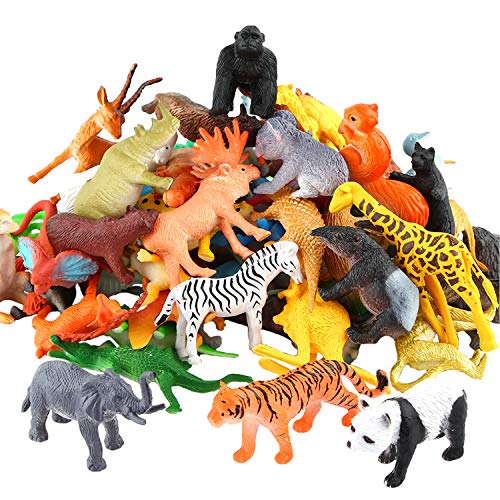


Who Should Buy Which Animal Toy Sets?
For Value Seekers
Value seekers should weigh piece count against durability, not price alone. A set with fewer, thicker figures often outlasts a larger set of thin pieces that crack or get lost in a month. Look for figures molded in one piece, paints that resist chipping, and a storage tub included in the box, since buying a bin later adds cost. Sets in the range of about $20 to $40 usually cover home play well. If two children will share the set, a mid sized collection with duplicate popular animals prevents most arguments.
For Gift Shoppers
Gift shoppers do best with a theme the child already loves, such as farm animals, ocean life, or dinosaurs, in a box that looks complete on its own. Check the age label on the front, and favor sets with a clear piece count photo so the gift feels generous when opened. A sturdy box matters too, since many families store the set in its original packaging. For a broader gift shortlist, browse our guide to the best animal toys for single toys that pair well with a set.
For First Time Buyers
First time buyers should start with one habitat theme and a moderate piece count, roughly 15 to 40 pieces, before adding expansions. A simple set lets you learn what your child actually plays with: the figures, the fences and trees, or the buildings. Choose animals in a common scale so later sets match instead of looking mismatched. Avoid electronic sounds and lights on a first set, since plain figures encourage open ended storytelling and never need batteries. You can always add a themed play mat later.
Choosing Animal Toy Sets for Your Situation
Best Animal Toy Sets for Toddlers
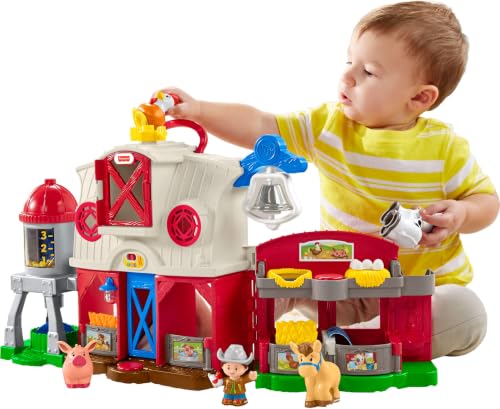
The phrase best animal toy sets for toddlers points to a specific shopping list: large figures with no small parts, smooth edges, and paints safe for mouthing. For ages one to three, figures should be big enough that a child cannot fit the whole piece in the mouth, and the set should pass small part rules for that age group. Washable plastic is a real advantage, because toddler toys end up in sandboxes, bathtubs, and snack time. Keep the count low, around 6 to 12 chunky animals, so clean up stays easy and the child can learn each animal name.
Safety deserves one clear warning here. Small figures, detachable accessories, and magnetic pieces can be choking hazards for children under three. Always follow the age grading on the box, check pieces regularly for cracks or loose parts, and supervise young children during play. If a piece breaks into sharp or small fragments, remove it from the set right away.
Key Features to Compare
Number of Pieces, Players, and Play Time
Piece count shapes both play value and clean up time. Small sets of under 15 pieces suit travel and quick tidy up, while larger collections support group play, classroom corners, and elaborate scenes that stay built for days. Think about players too. One child may be happy sorting a dozen farm animals, but siblings and play dates need enough figures that sharing does not stall the game. Replay value grows when pieces combine in new ways, so animals plus a barn, vehicle, or habitat parts usually hold attention longer than figures alone. Our guide to the best toy sets covers piece count logic across other themes as well.
Durability and Storage
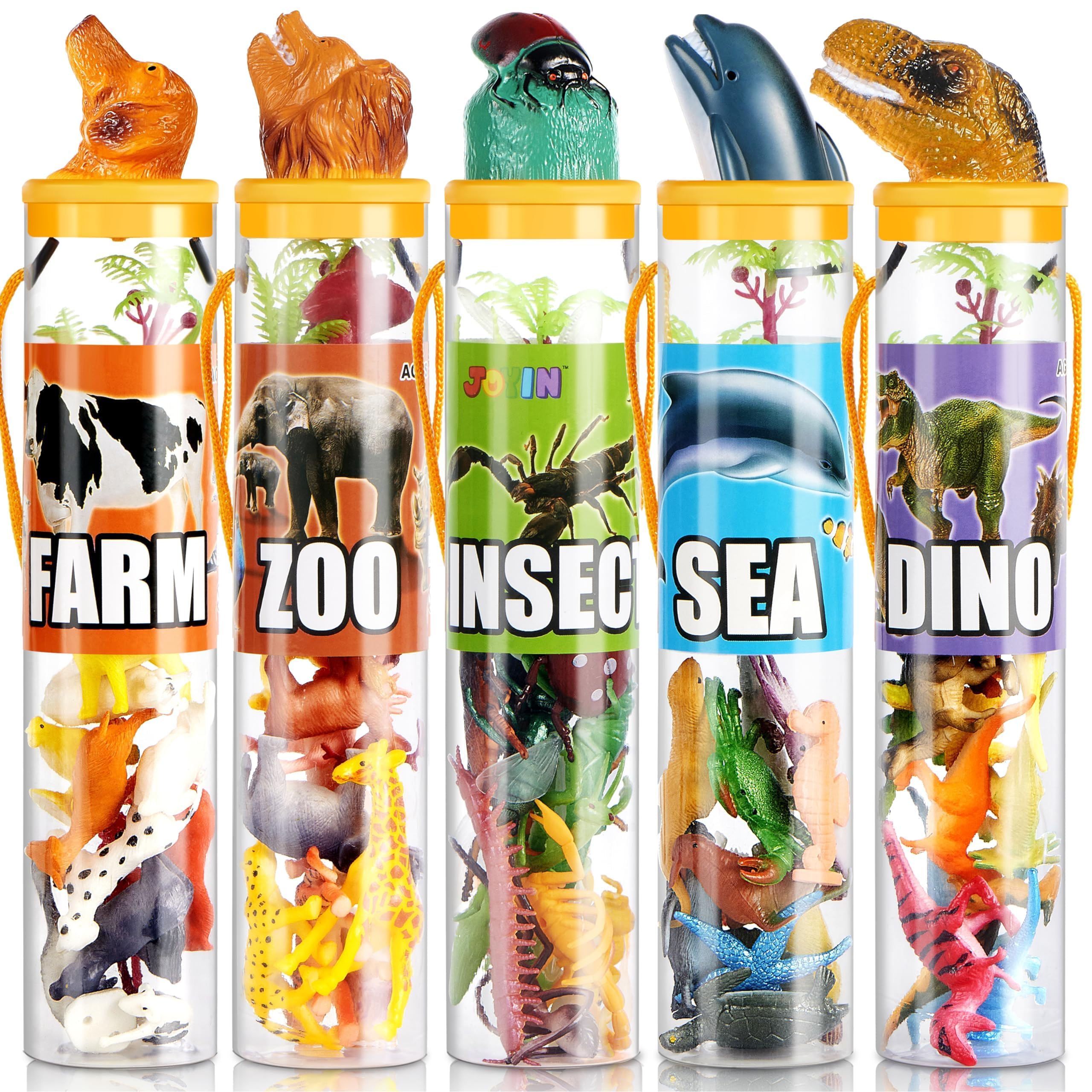
Durability starts with material. Solid plastic figures tolerate drops, chewing, and water play, while hollow thin figures dent and crack sooner. Painted detail looks lovely in photos but can rub off with heavy use, so molded color is the tougher choice for young children. Storage is the second half of durability, because lost pieces shrink a set fast. A lidded tub, a fabric bag, or a box with a photo label helps children put pieces back in the right place. If a set has no storage, budget about $10 for a bin and count it in the true price.
Age Range and Skill Level
Follow the maker age range as a safety floor, not a suggestion. In the United States, look for a statement that the toy meets ASTM F963, the standard toy safety specification, which covers sharp edges, small parts, and certain materials. Beyond safety, match skill level to the child. Simple chunky animals build recognition and first words. Detailed sets with facts cards, habitat building, or sorting games add STEM style learning about species, food chains, and environments for school age children. A set a child grows into over a year offers better value than one mastered in a week.
Gift Worthiness and Price
Price in this category falls into rough tiers. Small starter sets often cost under $25, mid sized themed collections run about $25 to $60, and large or collectible display sets can pass $60 to $120. Gift worthiness depends on presentation and completeness. A mid tier set with a storage tub and a theme card usually delights more than a sprawling set in a flimsy box. Consider the receiving family too. A compact set suits an apartment, while a big habitat set needs shelf or floor space the family may not have.
Common Mistakes to Avoid When Buying Animal Toy Sets
- Judging by price or photo size alone. Listing photos rarely show scale. Check figure height in the description so the animals match toys you already own.
- Ignoring piece count and play time. A cheap set with eight pieces may hold attention for one afternoon, while a mid sized set supports weeks of new scenes.
- Buying above or below the age range. Too advanced means small parts and frustration. Too simple means the set is ignored within days.
- Skipping the storage plan. Without a tub or bag, small animals migrate under furniture and the set quietly falls apart.
- Forgetting to check return terms. Sealed collectible sets and gift purchases need a clear return window in case the theme misses the mark.
How to Make Your Animal Toy Set Last Longer
- Check age labels and small part warnings. Re check the set whenever a younger sibling joins play, and move small pieces out of reach.
- Store pieces in labeled bins. A photo of the animals taped to the bin helps young children sort and count pieces back in.
- Clean toys regularly. Wash solid plastic figures in warm soapy water, rinse well, and air dry fully before storage to prevent odor.
- Do a weekly piece count. Counting figures together turns clean up into a game and catches losses while they are still findable.
- Keep display sets out of direct sun. Sunlight fades paint on collectible figures kept on shelves.
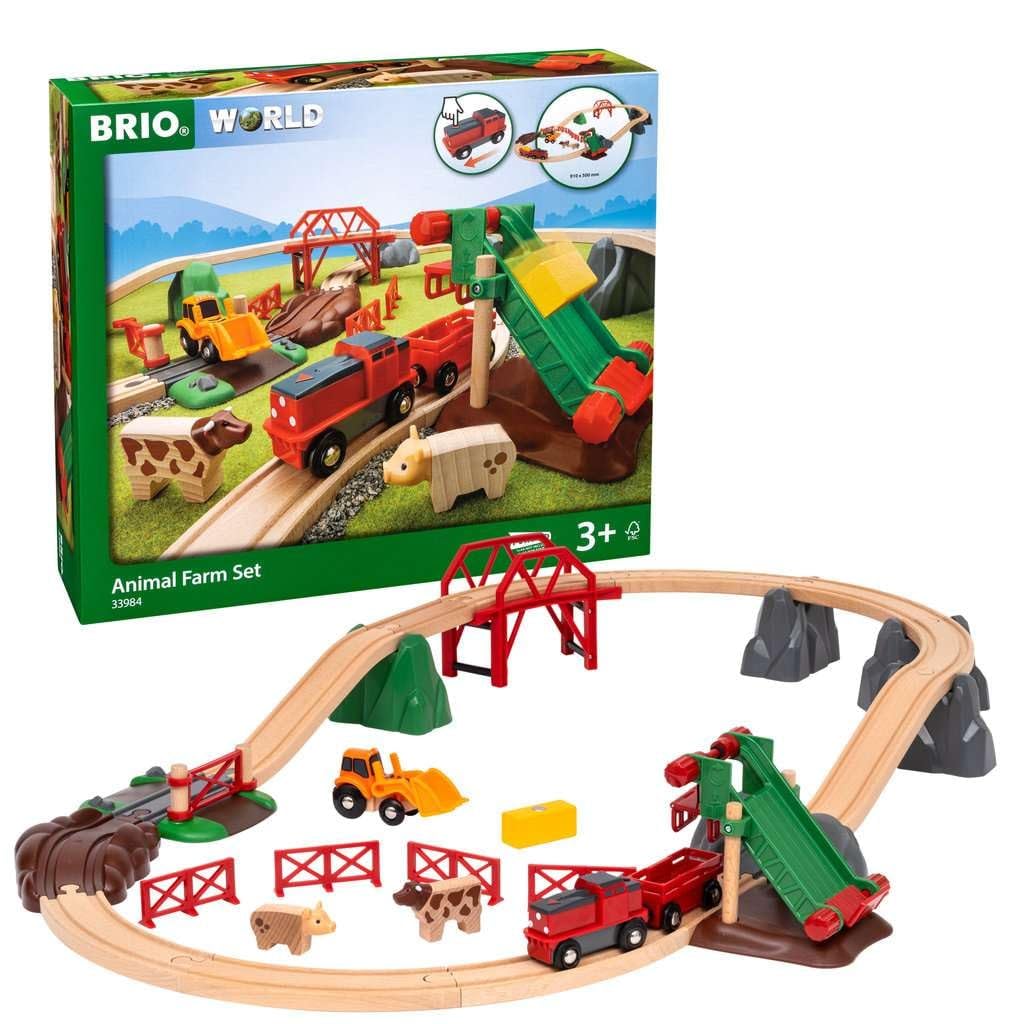
Families who enjoy themed play beyond animals can combine a set with our guide to the best toy train sets for a shared play table layout, or set up a pretend café scene using ideas from our guide to the best toy kitchen sets.
FAQs
Are animal toy sets worth the price?
Yes, when the piece count, material, and theme match the child who will use them. Cost per play session drops fast for a set used weekly over a year or more. One useful extra test is hand me down potential. Thick, molded figures in classic themes pass to younger siblings and cousins easily, which stretches the value of a mid priced set well beyond its first owner.
What age are animal toy sets best for?
Animal toy sets suit a wide span, from chunky toddler figures at age one to detailed collectible scenes for tweens and teens. The box age range is the safest guide, since it reflects small part testing for that group. As a rough pattern, simple sorting and naming play peaks at ages two to four, while habitat building, facts, and display collecting grow from about age six onward.
Is an animal toy set a good gift?
Yes, animal sets are reliable gifts because animals interest most children and the theme rarely clashes with toys they own. To raise your odds, ask the parent about a favorite animal or a current classroom topic, and include the gift receipt. Presentation helps too. A set that arrives in a sturdy tub needs no extra wrapping effort and gives the family instant storage, which parents quietly appreciate.
How long does an animal toy set take to play with?
A single session usually runs 15 to 45 minutes, depending on age and how much scene building the set invites. Sets with habitats, vehicles, or sorting games stretch sessions because setup itself becomes part of the play. Total life matters more than session length. A good set stays in rotation for years, moving from first animal names to school projects and dioramas as the child grows.
Our Verdict
Match the set to the child first: age and safety, then piece count and storage, then theme. Those three checks will filter the product table above faster than any price sort. Whether you shop for a toddler, a gift, or a young collector, the best animal toy sets are the ones that fit small hands safely, store neatly, and invite a new story every time the tub opens.