Best Animal Skin Rugs for 2026: Budget, Midrange, and Premium
Disclosure: We may earn a commission when you buy through links on this page, at no extra cost to you. As an Amazon Associate I earn from qualifying purchases. Learn more

A clear guide to the best animal skin rugs by budget, explaining what each price tier delivers for hide quality, size, backing, and long term care.
Prices for hide style rugs stretch from the cost of a nice dinner to the cost of a sofa, and the listings all use similar photos and glowing words. Knowing what your money actually buys is the whole game. This guide explains the best animal skin rugs by price tier, covering genuine hides and quality faux alternatives, so you can spend where it shows and save where it does not.
Decide first whether you want a genuine hide, with natural variation and leather care needs, or a faux hide, which costs less and cleans more easily. That single choice shapes every tier below. Then use the comparison table below to match size and shape to your room before comparing prices across sellers.


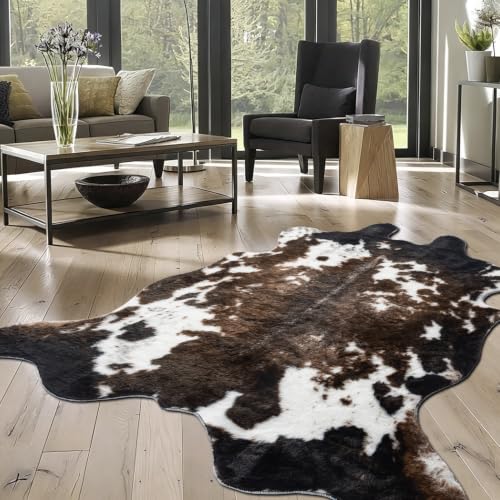


Profiles by Budget
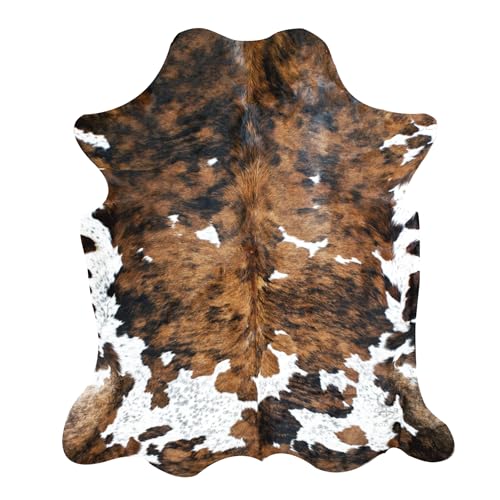
Rather than naming products, this section describes the strongest profile at each budget, so you can recognize a good listing when you see one in the product table above.
Budget Profile
At the budget level, the smart buy is a faux hide with a printed pattern that follows a natural, irregular outline rather than a perfect rectangle. Expect prices around $40 to $90 for a mid size rug. The pile will be short and the backing thin, so budget for a pad as well. This profile suits a bedroom corner, a nursery reading spot, or a first experiment with the look. Accept simpler color variation, and check return terms, because print tone is the most common disappointment at this price.
Midrange Profile
Midrange money, around $100 to $300, buys either a better faux hide with layered tones and a suede like backing, or a smaller genuine hide with minor natural marks. This is where most buyers should shop. Genuine hides at this tier show real character, including brand marks or scars that add authenticity, while better faux versions gain softer hand feel and stronger edge finishing. For a living room focal point that must survive daily foot traffic, this tier offers the most quality per dollar.
Premium Profile
Premium rugs, often $300 to $800 and above for large sizes, deliver large, well matched genuine hides with thick, supple leather and rich, even hair, or top tier faux hides with remarkable realism. You are paying for size, hide selection, and tanning quality. A premium hide feels substantial, lies flat without curling, and carries little odor once aired. Choose this tier for a main room where the rug anchors expensive furniture, and buy from sellers who photograph the actual hide or offer easy returns.
What Your Money Gets You at Each Price Tier
Budget Tier: What to Expect
Budget rugs are usually faux, machine made, and light in weight. Shapes are stylized rather than natural, sizes run smaller, and colors come from a printed surface that can wear at heavy traffic points. None of that makes them a poor buy for the right job. In low traffic spots, under a desk chair mat area or beside a bed, a budget rug delivers the look for very little money. Just set expectations honestly, plan on a pad for grip, and expect a service life of a few years rather than a decade.
Midrange Tier: The Sweet Spot for Most Buyers
Midrange is where construction improves in ways you can feel. Faux hides gain denser pile and more believable color blending, while genuine hides become available in useful sizes with sound leather that resists cracking. Backings grip better, edges lie flatter, and sellers provide clearer care guidance and returns. If you want one rug that looks convincing from across the room and under close inspection, and you do not want to baby it, aim here and spend the savings on a quality pad and proper cleaning supplies.
Premium Tier: When Spending More Pays Off
Spending more pays off when the hide itself is the decor. Large single hides with symmetrical shape, thick hair, and clean tanning are genuinely scarce, and the price reflects selection work done for you. Premium faux hides also improve, with hand finished edges and tones that shift naturally in changing light. The upgrade is worth it for open plan rooms and for buyers who keep furniture for many years. It is not worth it for a trend driven refresh or a high mess household with toddlers and untrained pets.
Features Worth Paying For (and Ones to Skip)
Material: Genuine Hide vs Faux Hide
Genuine cowhide is durable, naturally stain resistant to a degree, and develops character with age, but it needs leather aware care and costs more per square foot. Faux hides, usually polyester or acrylic pile on a fabric backing, shrug off spills, suit households avoiding animal products, and cost far less. Neither is automatically better. Pay for genuine hide when you value longevity and natural variation. Choose faux when washability, budget, or ethics lead your decision, and invest in the better faux grades rather than the thinnest.
Size, Shape, and Lying Flat
An undersized hide looks lost under furniture, so measure the seating zone and buy the largest size your budget allows within the right tier. Natural hide shapes vary, and listings should state the longest and widest points rather than a tidy rectangle measure. A good hide or faux hide lies flat soon after unrolling, with edges that settle after a day or two. Persistent curling signals thin leather or a stiff backing, and it creates a trip hazard that no amount of styling will excuse in a walkway.
Sourcing and Safety Information
Clear sellers state the hide origin, tanning method, and care limits plainly. For genuine hides, vegetable tanned or carefully chrome tanned leather from regulated sources is the norm in reputable trade, and a mild natural leather smell is normal while a harsh chemical odor is not. Certifications familiar from other textiles, such as OEKO TEX, apply mainly to faux textile versions. Treat vague origin claims and missing care information as quality warnings, whatever the price, and air any new rug in a ventilated room before regular use.
Backing, Grip, and Floor Protection
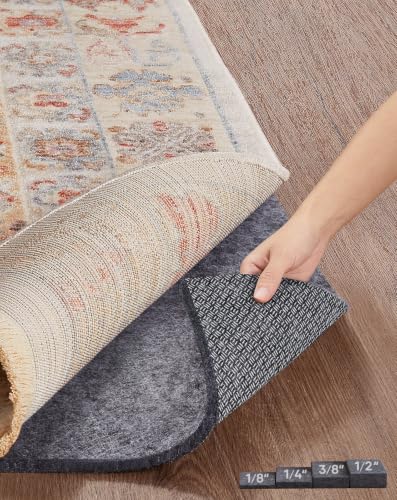
Genuine hides have a natural leather underside that grips wood reasonably well but can slide on tile or polished stone. Faux hides vary widely, from grippy suede style backings to slick fabric that skates. A rug pad solves most problems, protects both the rug and the floor finish, and adds a little cushion. Skip paying extra for built in nonslip coatings of unknown composition when a separate pad does the job better and can be replaced when it wears out.
Long Term Costs to Factor In
The purchase price is only part of ownership. Genuine hides may need professional cleaning every few years, around $50 to $150 depending on size and region, plus a leather conditioner used sparingly. Faux hides cost less to maintain but may be replaced sooner under heavy use. Add a pad at around $20 to $60, and consider rotation and sun management free habits that prevent the most expensive damage of all, uneven fading. A midrange rug cared for well usually costs less over ten years than a budget rug replaced three times.
Shoppers comparing looks should see our guide to the best animal print rugs for printed pattern options, and households with pets should read the best rugs for animals guide before committing to a genuine hide in a pet zone.
Frequently Asked Questions
How often should I replace my animal skin rug?
A genuine hide in good condition can last well over a decade, so replacement usually follows damage rather than age, such as cracked leather from dry heat or repeated soaking. Faux hides typically serve about three to six years before print wear and pile flattening show. Replace any rug whose edges curl stubbornly and create a trip risk, or whose backing crumbles. Regular rotation and keeping hides away from direct heat sources prevent most early failures.
How do I clean animal skin rugs safely?
Shake genuine hides outdoors and vacuum with a suction only setting, moving with the direction of the hair. Blot spills at once and never soak a hide or use steam, because water and heat can stiffen leather. Faux hides tolerate more, and some wash cold on gentle cycles if the label allows. A useful habit is to lift the rug monthly and vacuum beneath it, since trapped grit abrades the backing and the floor finish at the same time.
Are genuine hides worth it for homes with pets?
They can be, because short natural hair sheds less visibly and hides resist many stains, but claws, accidents, and chewing change the equation. Many pet owners place a genuine hide in a calmer room and choose washable faux for the pet main zone. If a pet has repeated accidents in one spot, no hide, real or faux, will thrive there. Our look at the best quality rugs explains construction signs that predict pet durability across rug types.
What size animal skin rug works best under a coffee table?
The hide should extend beyond the coffee table on all sides, ideally reaching at least to the front edges of the surrounding seating. In practice that means a large hide, often around 5 by 7 feet or bigger at its widest points, for a standard sofa setup. A small hide stranded under only the table reads as a mat, not a rug. Layering a hide over a larger flat woven rug is a classic fix when the hide you love is slightly small.
Do animal skin rugs suit warm climates?
Yes, surprisingly well. Genuine hide is a thin natural material that feels cool and smooth underfoot rather than insulating like deep wool pile, so it suits warm rooms where a plush rug would feel heavy. Faux versions with short pile behave similarly. In humid climates, lift the rug occasionally to check that no moisture is trapped beneath it, and let both the rug and floor dry fully. That single habit prevents musty odors and protects wood floors year round.
Final Thoughts
Choose your material first, then your tier, then the largest honest size that fits. Budget faux hides are fine for light duty, midrange buys the best balance for most living rooms, and premium hides reward buyers who will keep them for years. Whichever route you take, the best animal skin rugs in the product table above will serve you well if they match your traffic, your floor, and your care habits. For cleaning gear that suits rugs, see the best vacuums for rugs guide before your new rug arrives.