Best Apartment Rugs for 2026: How to Pick the Right One for Every Need
Disclosure: We may earn a commission when you buy through links on this page, at no extra cost to you. As an Amazon Associate I earn from qualifying purchases. Learn more
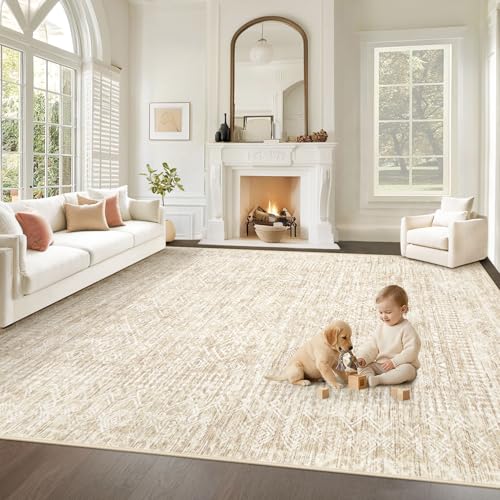
Which best apartment rugs match your routine: noise dampening, washable low pile, pads and lease rules, plus what to skip.
There is no single rug that suits every apartment, because renters use their floors very differently. A rug that must muffle footsteps for the neighbor below has a different job from one anchoring a first living room on a tight budget, and both differ from a washable rug under a dining table. This guide to the best apartment rugs starts from how you actually live, then matches features to that routine.
You will find buyer profiles first, then the features that matter for each, then the mistakes that lead to returns. Start with the comparison table below, note the sizes and materials that fit your room, and use the sections here to check them against your floors, your lease, and your cleaning habits.

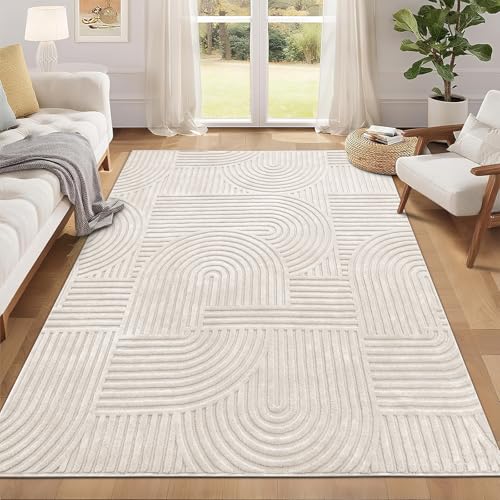
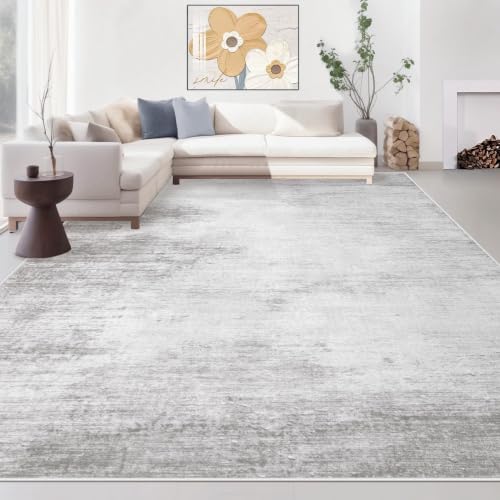


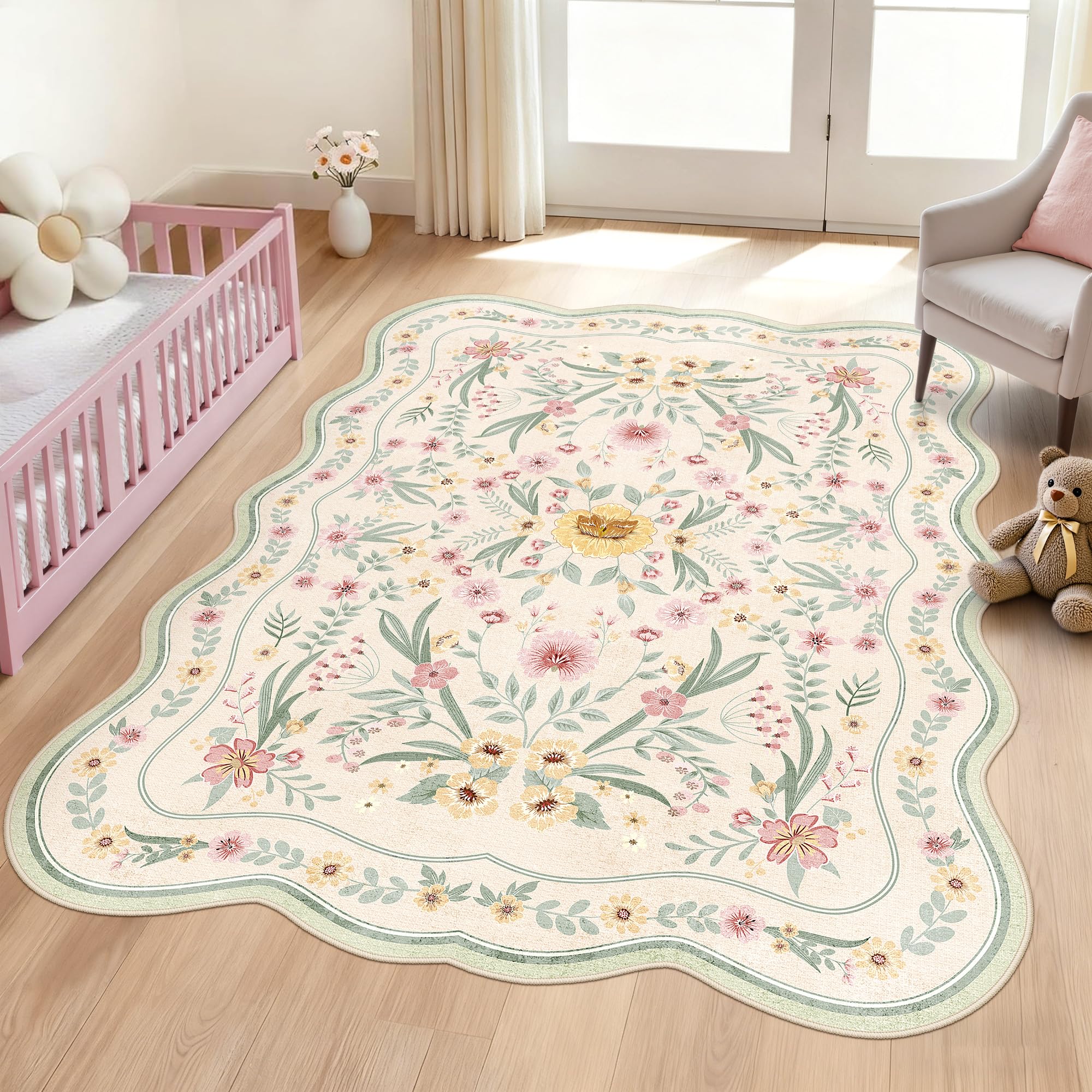
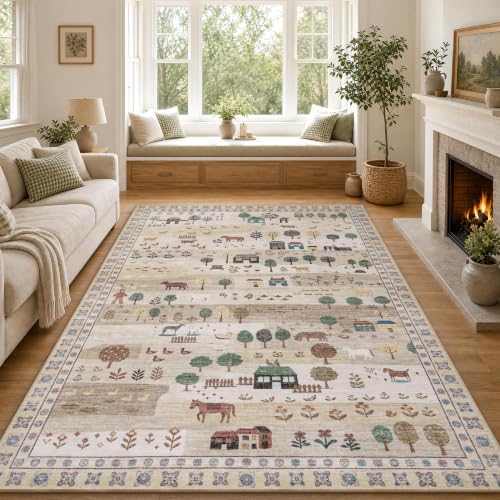
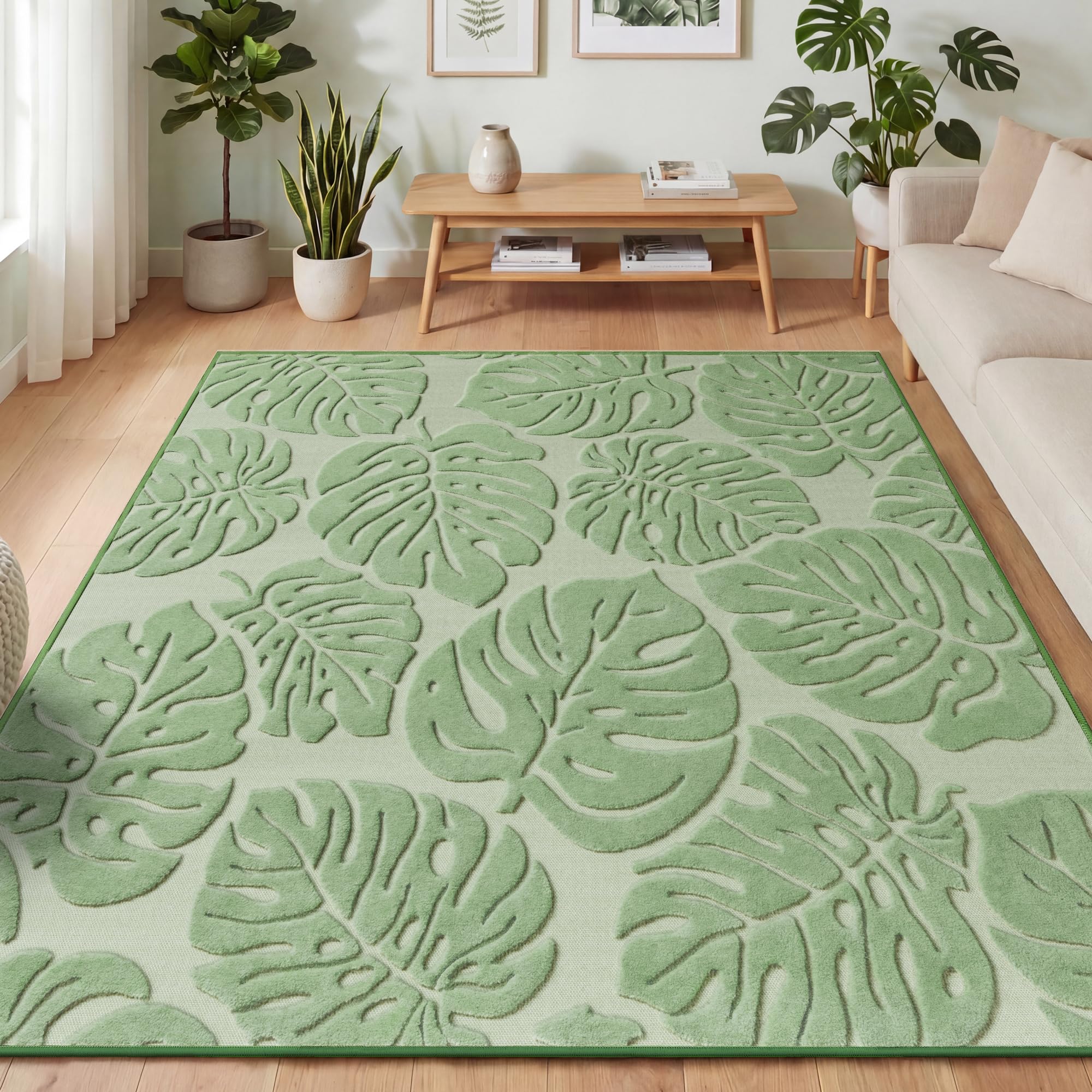
Who Should Buy Which Apartment Rugs?
For Value Seekers
Value seekers need the best balance of price and durability, and that usually means a machine woven synthetic rug in a low pile. Polypropylene and polyester rugs resist stains, shrug off fading near windows, and cost far less than wool, often under $100 for a living room size. Choose a busy pattern in a mid tone, which hides crumbs and lint between cleanings better than a flat pale color. Spend the money you save on a decent rug pad, because the pad extends the rug life and adds the sound dampening apartment living demands.
For People Who Want the Best Performance
Performance in an apartment rug means three things: real noise reduction, a surface that survives heavy foot traffic, and fibers that clean up well after spills. Wool is the premium answer, with natural resilience that springs back after furniture is moved and a dense feel that absorbs sound beautifully. Expect about $300 to $800 for a good wool living room rug. It earns its price in a long lease or an owned flat. If wool is out of reach, a dense, low pile synthetic with a quality felt pad delivers most of the same day to day performance for far less.
For First Time Buyers
First time buyers should keep it simple: a standard size, a forgiving pattern, and a material that needs no special care. A 5 by 7 foot or 8 by 10 foot low pile rug in polypropylene suits most first living rooms and leaves a border of floor visible, which makes a small room feel larger. Avoid delicate vintage pieces, silk blends, and white shag until you know your habits. Practical know how: tape the rug outline on the floor with painter tape for two days before ordering, and you will catch size mistakes while returns are still free and easy.
For Gift Shoppers
Rugs are risky gifts at full room size, because taste and dimensions are so personal, so think smaller. A washable runner for a hallway or kitchen, around $40 to $90, is useful in almost any apartment and easy to exchange. Neutral colors with subtle texture offend nobody, and a gift receipt plus free returns matter more than a bold design. If you know the person just moved, a quality rug pad in a common size is a surprisingly welcome gift, since almost everyone forgets to buy one and every rug needs it.
Key Features to Compare
Durability and Care
Durability in a rental friendly rug means the surface still looks decent after vacuum passes, chair legs, and the odd spilled drink. Low pile synthetic rugs win on care, because many are machine washable or at least easy to spot clean, and they dry quickly in small laundry spaces. Check the return window and any trial period, since a rug looks different under your light than on a screen. Vacuum weekly with suction only on delicate weaves, and rotate the rug every few months so traffic and sunlight wear it evenly rather than carving one faded path.
Material and Fiber
Fiber decides feel, price, and cleaning in one stroke. Wool is resilient, naturally stain resistant, and long lived, but it sheds at first and costs the most. Polypropylene is the budget workhorse, nearly stain proof and fine in sunny rooms, though it can feel flat underfoot. Polyester gives soft color and decent stain resistance at mid prices, while jute and sisal add texture but hate moisture and suit low traffic corners. Cotton flatweaves are light, washable, and casual, ideal for kitchens and kids rooms. Match fiber to the room mess level first, then to looks.
Pile Height and Underfoot Comfort
Pile height is the rug version of loft, and it shapes comfort and practicality together. Low pile, under about a quarter inch, lets doors swing, chairs roll, and robot vacuums climb aboard, which is why it suits dining areas and desks. Medium pile feels warmer and softer for living rooms where you sit on the floor. High pile and shag feel luxurious beside a bed but trap crumbs, fight the vacuum, and can annoy landlords if grit grinds into the floor beneath. In a small apartment, one honest rule works: the more a space is used for tasks, the lower the pile should be.
Noise Dampening and the Pad
Sound control is the feature apartment shoppers underrate most. A rug alone softens footsteps a little, but a rug over a dense felt pad, about a quarter to half an inch thick, cuts impact noise for the unit below in a serious way. Many leases even require floor coverage, often around 80 percent of a room, precisely for this reason, so check your lease before choosing a tiny decorative rug. The pad also stops sliding on wood and tile, protects the floor finish from the rug backing, and makes even a thin rug feel cushioned. Our care notes pair well with our guide to the best vacuums for rugs once your rug is down.
Certifications and Indoor Air
Labels help you avoid rugs that bring chemical smells into a small, closed space. OEKO TEX Standard 100 means the textile was screened for harmful substances, a useful baseline for bedrooms. Low VOC claims and a Green Label style certification on synthetic rugs speak to indoor air quality, which matters when a new rug off gasses in a studio for the first days. Whatever you buy, unroll it in a ventilated room for a day or two before heavy use, and be extra careful with strong smelling backings around babies, pets, and anyone with asthma. If you are furnishing a compact layout, our guide to the best rugs for studio apartments covers zoning tricks with rugs.
Common Mistakes When Choosing the Best Apartment Rugs
- Buying too small, the classic error, so the rug floats in the middle of the room and makes the space look smaller instead of anchored.
- Skipping the pad, then fighting sliding corners, thin comfort, and complaints about noise from downstairs.
- Choosing by color on a phone screen without checking the rug under home lighting, where warm bulbs shift every tone.
- Putting a moisture shy natural fiber rug under a dining table or by the sink, where spills are guaranteed.
- Ignoring the lease rules on floor coverage and the door clearance, both of which can turn a lovely rug into a daily annoyance.
Shoppers who want a quality first shortlist can also browse our guide to the best quality rugs for construction signs that predict a long life.
Tips to Get the Most From Your Apartment Rug
- Rotate the rug 180 degrees every 3 to 6 months so sunlight and foot traffic wear both ends evenly.
- Blot spills at once with a clean cloth and cool water, working from the edge inward, and never scrub, which spreads the stain and frays fibers.
- Vacuum once a week in quiet rooms and twice in entry zones, and empty the vacuum often so suction stays strong on grit.
- Lift the pad and sweep beneath the rug monthly, because trapped grit acts like sandpaper on wood floors.
- Use furniture coasters under heavy legs to stop permanent dents in the pile.
Frequently Asked Questions
Do apartment rugs really help with warmth and cold floors?
Yes, a rug plus pad adds a real layer of insulation over tile or thin wood, and rooms feel noticeably warmer at ankle level in winter. The effect is strongest with wool or a medium pile over a felt pad. It will not fix a badly heated flat, but it removes the shock of cold floors in the morning and can let you keep the thermostat a touch lower in the room you use most.
What rug thickness is best if I stand a lot or have sore feet?
A medium pile rug over a thick felt or memory foam style pad gives the most relief for standing at a desk or in a kitchen. Very thick shag feels soft at first but offers poor support and tires legs over an hour. If you stand daily for long stretches, spend on the pad rather than the pile, because the pad does most of the cushioning work and outlasts the rug itself.
How do I wash apartment rugs safely?
Check the label first, because washable rugs and wool rugs need opposite treatment. Machine washable synthetics go in cold water on a gentle cycle and air dry flat to avoid backing damage. Wool and vintage rugs should be spot cleaned or professionally washed, since home machines can shrink and felt them. For all rugs, test any cleaner on a hidden corner and wait ten minutes before treating a visible area.
How often should I replace my apartment rug?
A good synthetic rug in a living room usually lasts about 3 to 5 years before traffic lanes look worn, while quality wool can serve 10 years or more with rotation and cleaning. Replace a rug when the backing crumbles, edges curl despite a pad, or odors survive a deep clean. Runners in entry zones wear fastest and may need replacing every 2 to 3 years in busy homes.
Is a higher thread count or denser weave always better in a rug?
Density helps up to a point, because more fiber per inch resists crushing and hides dirt, but it is not the only measure. Fiber type, pile height, and backing quality matter just as much for apartment life. A moderately dense polypropylene rug with a good pad will out serve a very dense delicate weave in a busy rental. Judge density alongside care needs and your traffic level, not as a single score.
Wrapping Up
Match the rug to the job: low pile synthetics for busy, messy rooms, wool or a good pad where quiet and comfort lead, and always size up rather than down. The best apartment rugs respect your lease, your neighbors, and your cleaning routine at the same time. Compare your finalists with the product table, order the pad in the same breath, and enjoy a room that finally feels finished. For other floor zones, our guides to the best rugs for stairs and the best rugs for basement spaces cover the tricky spots.