Best Animal Print Rugs: A 2026 Checklist and Buying Guide
Disclosure: We may earn a commission when you buy through links on this page, at no extra cost to you. As an Amazon Associate I earn from qualifying purchases. Learn more

A checklist for the best animal print rugs: pile, material, sizing, backing, and care for a rug that suits your room.
An animal print can warm up a plain room in minutes, or overwhelm it just as fast. The difference comes down to scale, color, pile, and how the rug handles daily traffic. This checklist shows you how to judge the best animal print rugs on the qualities that still matter a year after delivery, not just on the first photo. Work through each criterion below before you fall for a pattern.
Keep your room measurements, your flooring type, and your household habits beside you as you read. A rug for a quiet bedroom faces different demands than one under a dining table or in a hallway with muddy shoes. The comparison table below is easier to use once you know which criteria matter most for your space.


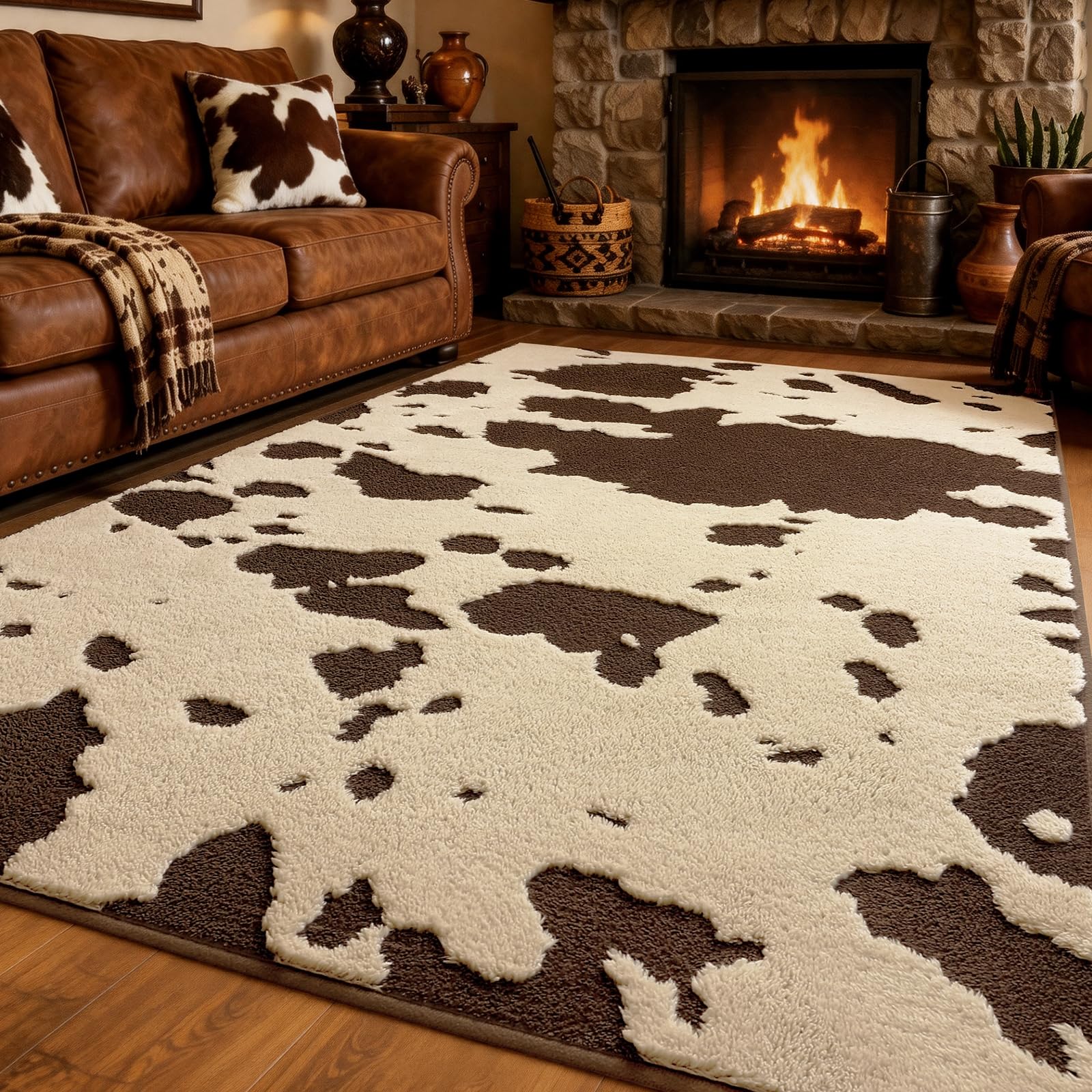
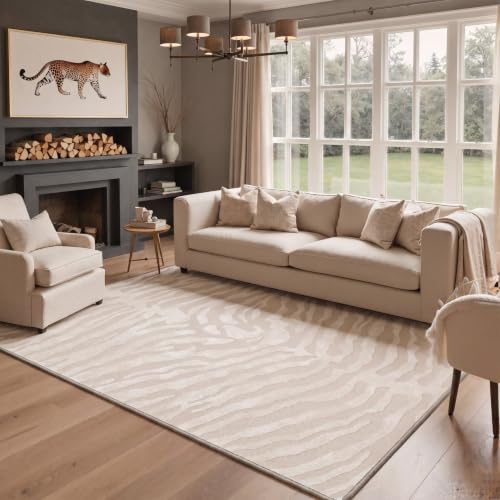


How to Evaluate Animal Print Rugs
Score each rug against the seven checks below. A rug that passes most of them will look better, feel better underfoot, and cost you less effort to maintain.
Material and Fiber
Wool offers natural resilience, rich color, and a pile that bounces back after furniture sits on it, at the highest price. Synthetic fibers such as polypropylene and polyester cost less, resist stains, and hold bold print patterns well, which suits busy homes. Cotton flatweaves feel light and casual but wrinkle and shift more easily. Judge fiber by your traffic level first. A stain resistant synthetic in a family room will outlast a delicate natural fiber that needs specialist cleaning after every spill.
Print Scale and Color Accuracy
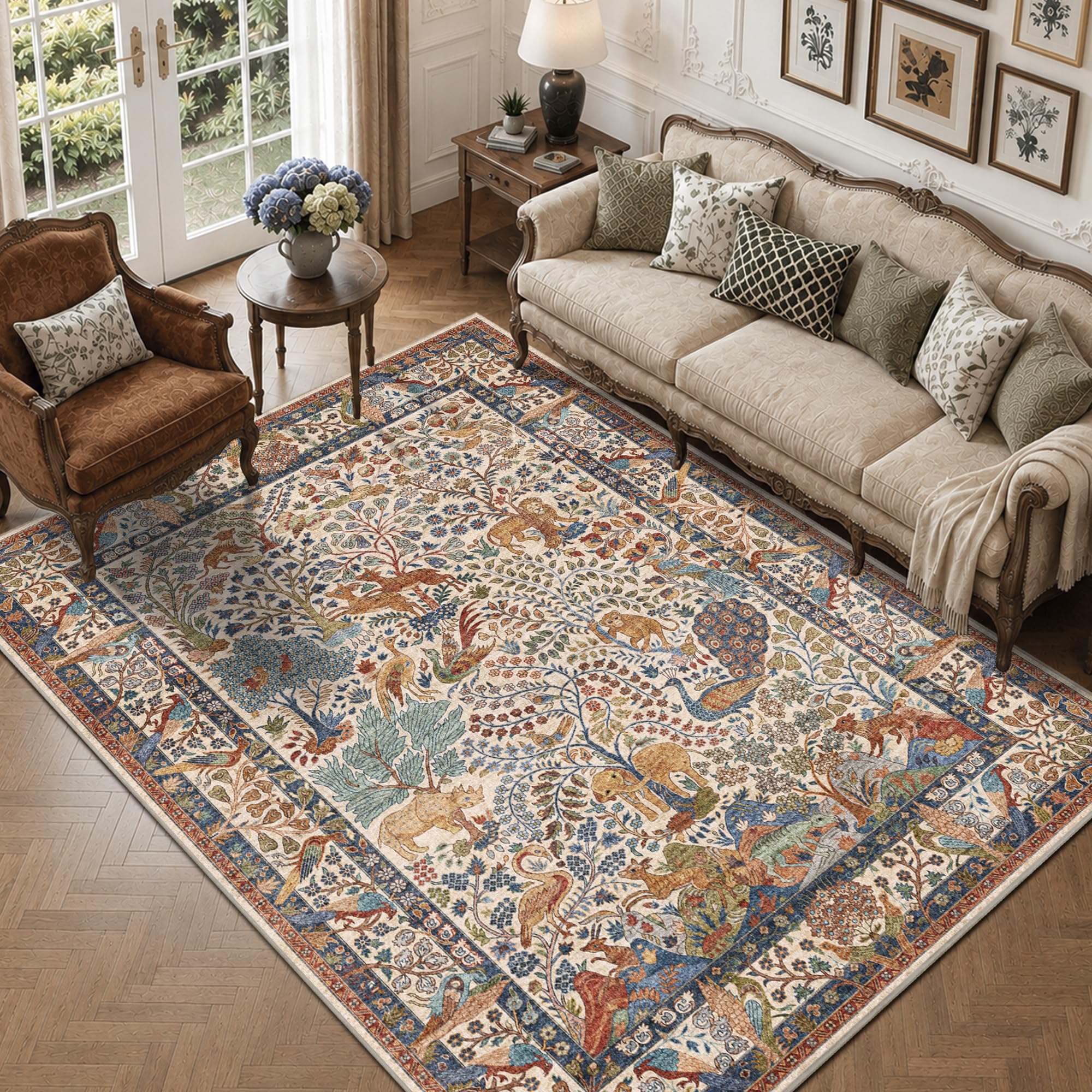
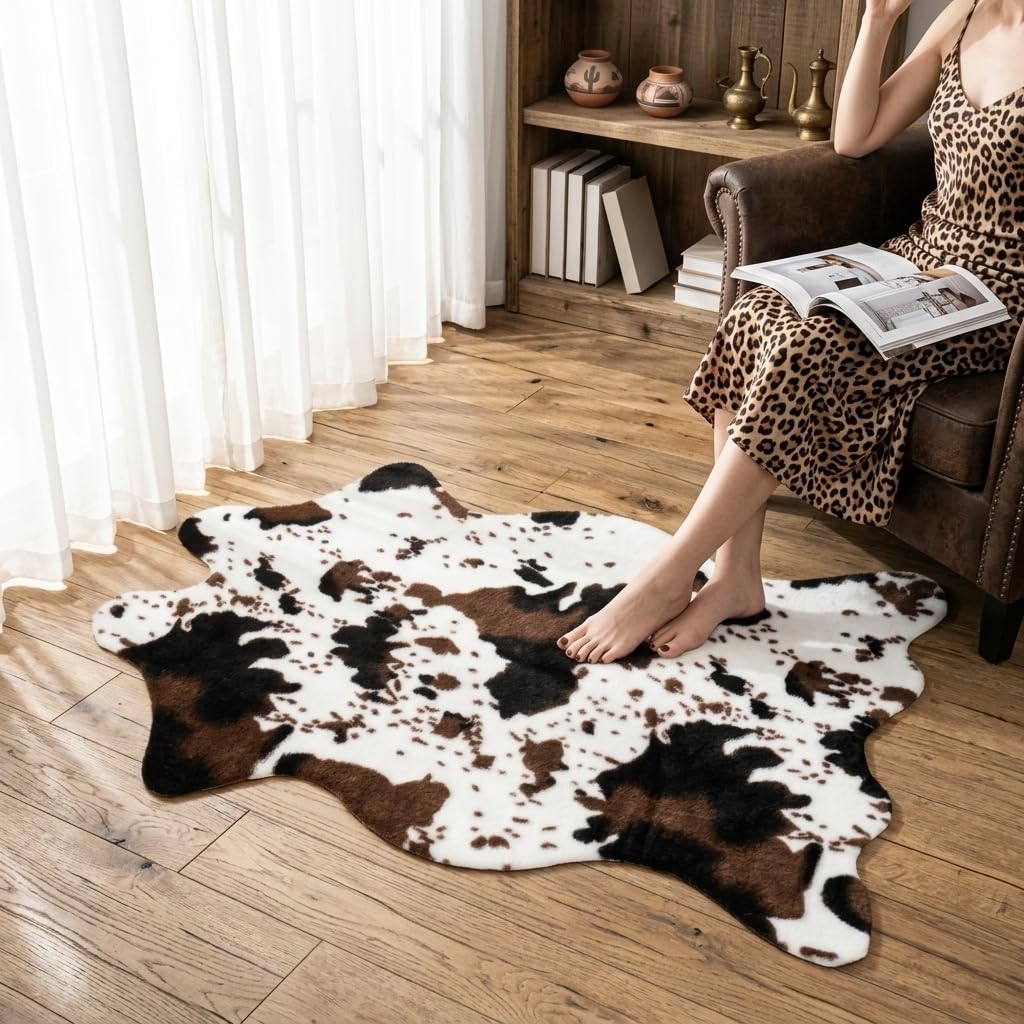
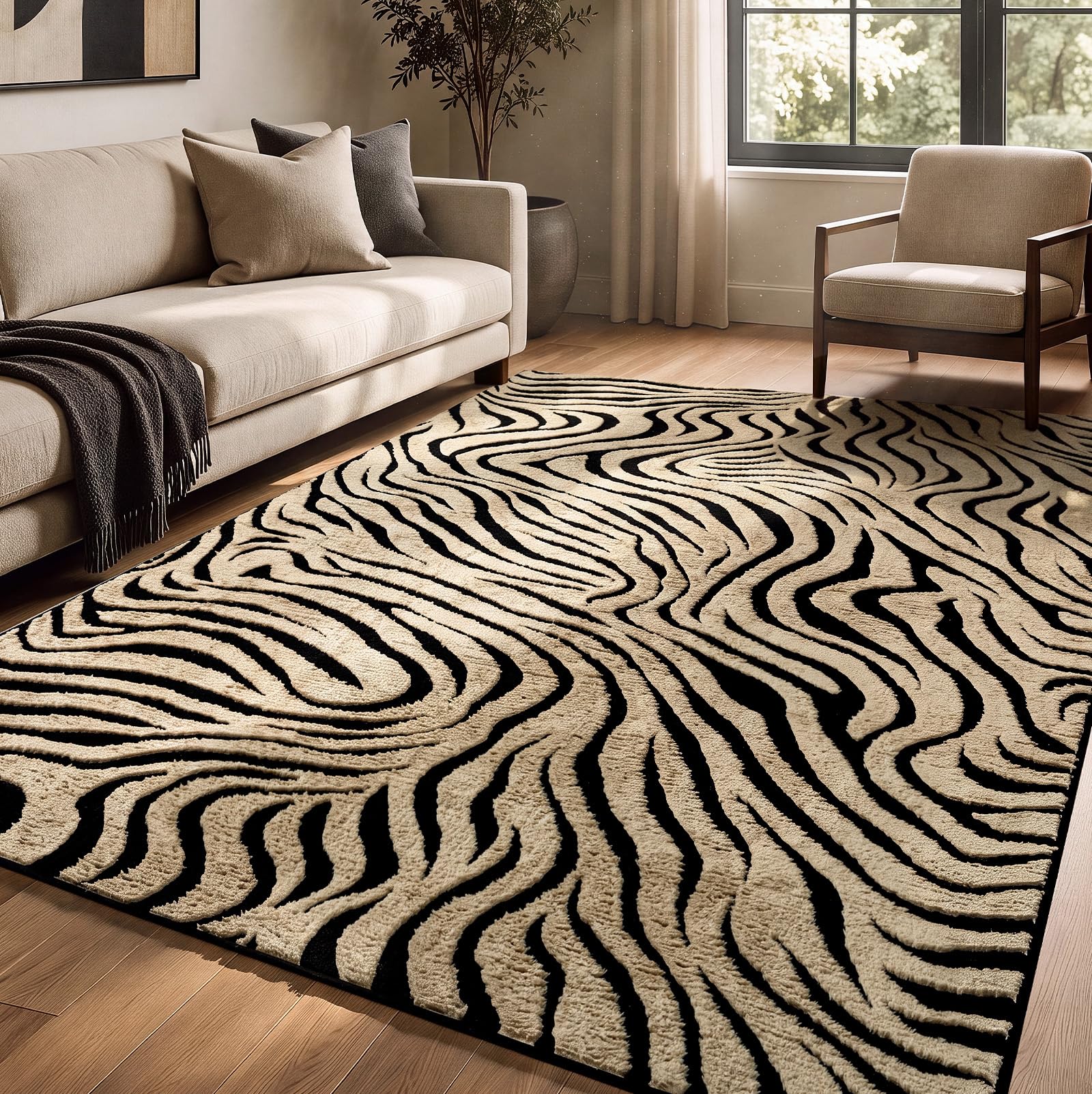
Print scale changes how a room feels. Large scale spots or stripes suit open rooms and simple furniture, while small scale prints read as texture in compact spaces and hide wear better. Screen colors vary, so compare the pattern against your sofa and floor tones in daylight terms, warm or cool, rather than trusting one photo. Muted, natural toned prints age more gracefully than very high contrast novelty patterns, and they pair with more decor styles if you redecorate later.
Comfort, Pile Height, and Cushion
Pile height decides both comfort and practicality. Low pile, under about half an inch, lets doors swing and chairs slide, and it vacuums cleanly, which suits dining areas and hallways. Medium and high pile feel plush in bedrooms and living rooms but trap more debris and can show footprints. Press your hand into the pile where you can, or judge by density described in the listing. A dense low pile often feels more supportive than a sparse tall pile that flattens within months.
Size and Fit
Measure before you shop, then tape the outline on your floor to live with for a day. In a living room, the front legs of sofas and chairs should sit on the rug, which usually means at least an 8 by 10 foot rug in an average room. Bedroom rugs should extend beyond the sides of the bed so your feet land on the rug each morning. Leave a border of visible floor around the edges, roughly 8 to 18 inches, so the room reads as framed rather than wall to wall covered.
Certifications and Indoor Air Considerations
Labels such as OEKO TEX Standard 100 signal testing for certain harmful substances in textiles, a useful check for a large item that covers much of your floor. Some rugs also carry low emission certifications relevant to indoor air. Certification never replaces common sense steps, so air out a new rug in a ventilated space for a day or two, especially before using it in a nursery or a bedroom for someone with sensitivities. If a strong chemical smell lingers beyond a few days, contact the seller.
Backing, Grip, and Floor Safety
Backing decides whether a rug stays put and whether it is kind to your floor. Latex and rubber style backings grip hard floors but can react with some finishes over time, so a quality rug pad underneath is still wise. Woven cotton backing feels gentler and pairs well with a separate nonslip pad. On stairs or in hallways, grip is a safety issue, not a comfort extra. A rug that slides on a busy route should be padded, taped with suitable rug tape, or moved to a calmer spot.
Durability and Care
Durability shows in pile density, edge finishing, and how the print is applied. Printed patterns sit on the surface and can fade in heavy traffic, while woven patterns run through the pile and age more evenly. Check whether the rug can be vacuumed without a beater bar, spot cleaned, or professionally cleaned, and factor that effort into the price. Serged or bound edges resist fraying far better than raw cut edges, especially in doorways where shoes catch the border with every pass.
Three Styles That Pass This Checklist
Instead of naming specific products, use these three proven style profiles to match the product table above to your room and budget.
Balanced Profile
The strongest all round profile is a dense low to medium pile rug in a natural toned print, sized generously for the room, with bound edges and a backing that works with a pad. Expect to pay around $150 to $400 for a large living room size in synthetic fiber, and more in wool. This profile balances pattern impact, cleaning ease, and service life, and it suits the main living space where the rug will be seen and used every single day.
Value Profile
Value picks are usually machine made synthetic rugs with a clear, well scaled print and a low pile that hides wear. Prices around $60 to $150 for a mid size rug are common. You give up some softness and color depth compared with wool, but you gain stain resistance and easy replacement if tastes change. This profile suits renters, first apartments, and kids rooms, where a bold pattern should be fun rather than a long term financial commitment.
Heavy Use Profile
For entryways, family rooms, and homes with dogs, look for a very low pile, a busy mid scale print that camouflages dirt, and fibers known for stain resistance. A washable construction is a major plus if the size fits your machine or a laundromat drum. Expect around $100 to $300 depending on size. If your household traffic is truly heavy, our guide to the best rugs for animals covers pet specific durability in more depth.
Quick Buyer Checklist
- Have you measured the space and taped the rug outline on the floor?
- Does the print scale suit the room size, bold for open rooms and finer for small ones?
- Is the pile height low enough for your doors, chairs, and vacuum?
- Does the fiber match your traffic and spill risk?
- Have you budgeted for a rug pad suited to your floor type?
- Do the care instructions fit the time and equipment you actually have?
- Does the return policy let you test the color in your own light?
Red Flags to Watch For
- Listings with no fiber content, no pile height, and no backing description.
- Photos that show the print only in extreme close up, hiding the true scale.
- No mention of a rug pad on a rug shown sliding prone on hard floors.
- Care labels that promise easy cleaning but forbid water or vacuuming.
- Prices far below similar rugs with no explanation of fiber or construction.
Compare print styles against the best animal skin rugs if you are deciding between a printed pattern and a hide style look, and check the best quality rugs guide for construction details that apply across all rug types.
Tips to Get the Most From Your Animal Print Rug
Rotate the rug 180 degrees every few months so sunlight and traffic wear it evenly. Vacuum weekly with suction only or a gentle setting, and blot spills immediately with a clean cloth, working from the edge of the stain inward. Use a pad from day one, because it prevents slipping, adds cushion, and reduces friction wear on the backing. For upkeep equipment, our guide to the best vacuums for rugs explains which settings protect pile best.
FAQs
How often should I replace my animal print rug?
Replace it when the pile stays flat in traffic lanes, the backing cracks, or edges fray beyond simple repair. A quality synthetic rug in a living room often lasts about five to eight years, while a hallway rug under heavy use may tire sooner. Rotating the rug and using a pad extends its life meaningfully. Decorative rugs in low traffic rooms can serve far longer if colors stay even and the backing remains sound.
Is a bolder animal print always better for hiding dirt?
No, pattern contrast matters more than boldness alone. A mid scale print in tones close to your household dirt, pet hair, and shoe dust hides the most. Very dark prints show pale lint, and very pale prints show every dark speck. Busy patterns help between vacuums, but they do not replace cleaning, since grit trapped in pile wears fibers from within. Choose tones that match your real life mess, not a showroom floor.
How do I wash animal print rugs safely?
Most animal print rugs should be spot cleaned or professionally cleaned rather than soaked at home, unless the label clearly says machine washable. Vacuum first, test any cleaner on a hidden corner, and blot rather than scrub so the print and pile stay intact. Washable low pile rugs go in cold water on a gentle cycle and air dry flat. Never use hot water or harsh bleach on synthetic pile, because heat can distort fibers and fade the pattern.
What pile height works best under a dining table?
A low pile under about half an inch works best, because chairs slide without catching and crumbs vacuum up easily. Flatweave styles are the most practical of all for dining spaces. Medium pile under a table tends to trap food, hold chair leg dents, and frustrate daily cleaning. If you love a plush feel, save higher pile for the bedroom or a reading corner where chairs stay still and shoes are usually off.
Are washable animal print rugs worth it for homes with pets?
Often yes, especially for smaller sizes in mud prone spots. The ability to wash out accidents and muddy prints saves repeated professional cleaning costs. The trade off is feel, since washable rugs are usually thinner and need a good pad for comfort and grip. For a large main room rug, a stain resistant low pile synthetic with prompt spot cleaning may serve better than a washable rug that is too big for any machine you can access.
Wrapping Up
Measure carefully, match print scale to the room, and choose fiber and pile for your real traffic, and you will avoid nearly every common rug regret. Add a proper pad and a care plan you can keep, and the pattern will stay an asset rather than a chore. The best animal print rugs for your home are waiting in the comparison table above, so check your finalists against this checklist one last time before you order.