Best Anti Slip for Rugs: Every Type Explained Side by Side for 2026
Disclosure: We may earn a commission when you buy through links on this page, at no extra cost to you. As an Amazon Associate I earn from qualifying purchases. Learn more
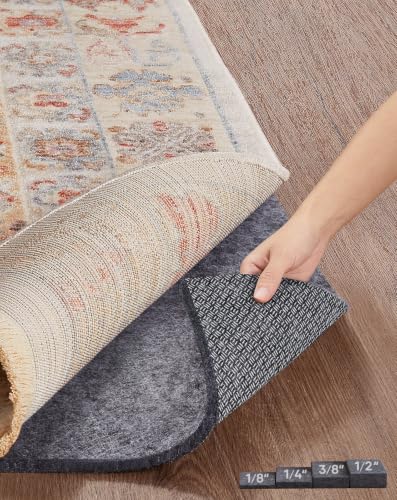
Compare rug pads, gripper tape, and corner grips side by side to find the best anti slip for rugs for your floor, room, and budget with confidence.
A rug that creeps, bunches, or slides underfoot is more than an annoyance. It wrinkles into a trip edge in hallways and can shoot out from under you on smooth wood or tile. Shop listings mix together very different fixes, from full pads under the whole rug to small adhesive grips at the corners, and each suits a different floor and rug weight. This guide explains the main types of best anti slip for rugs side by side so you can match the fix to your room. Use the comparison table below for sizes and prices, then read on for fit and floor safety notes.
Start by naming your problem. A whole rug that travels needs friction across its full area. A rug that stays put except for curling corners needs targeted hold at the edges. A thin runner in a busy hall may need both grip and a little cushion. The right type follows from that diagnosis.


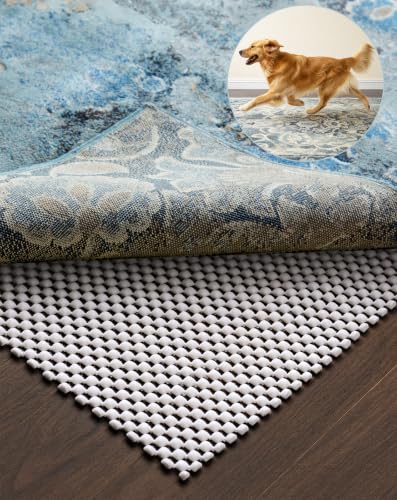
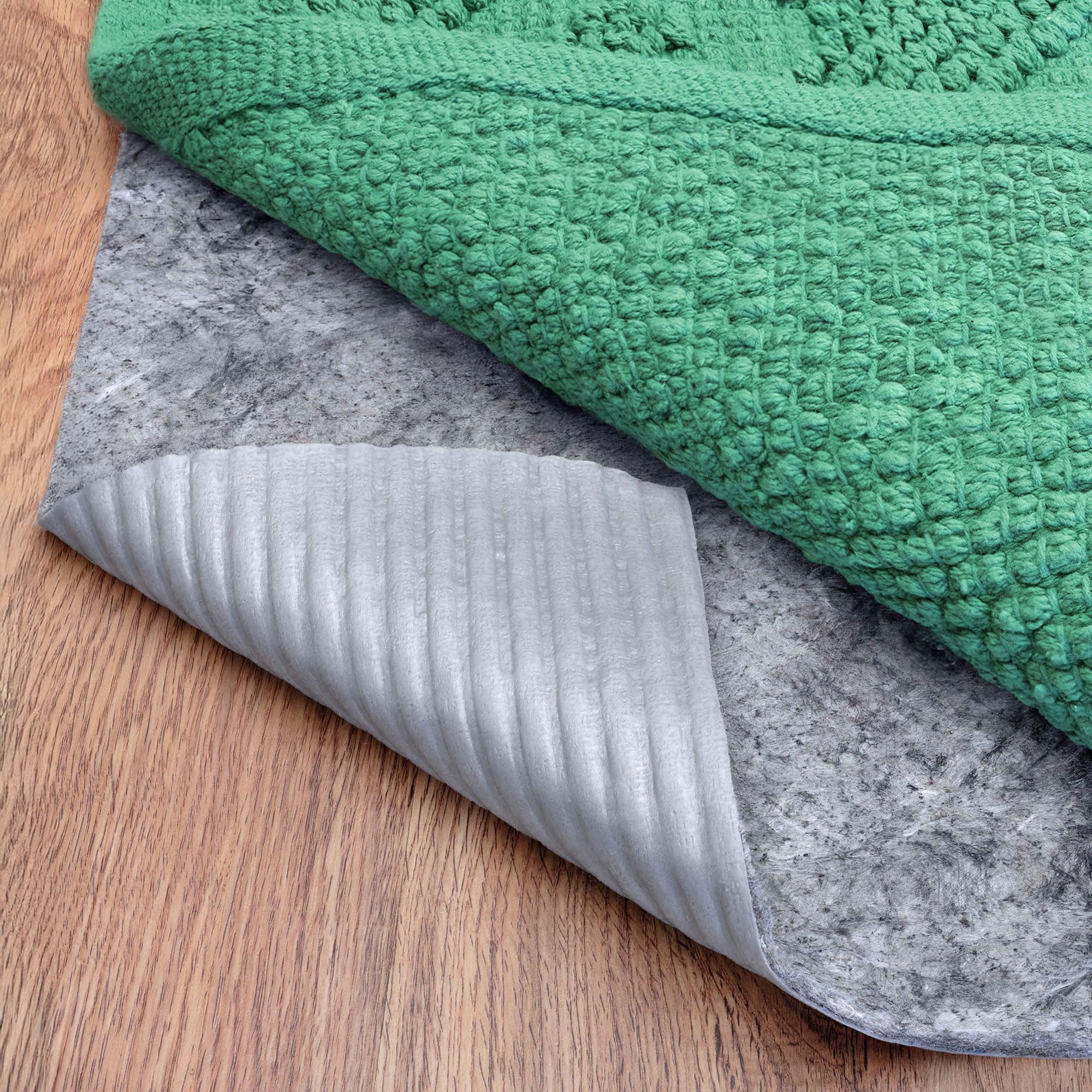
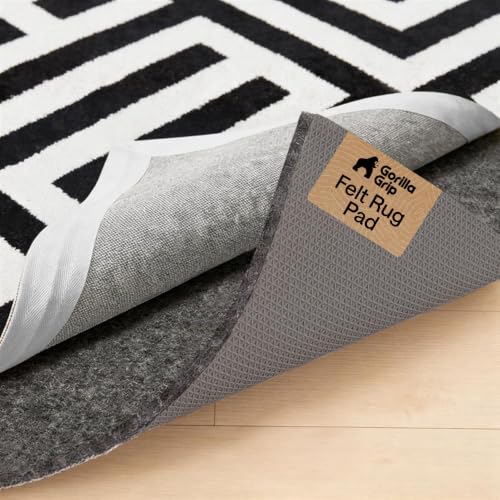
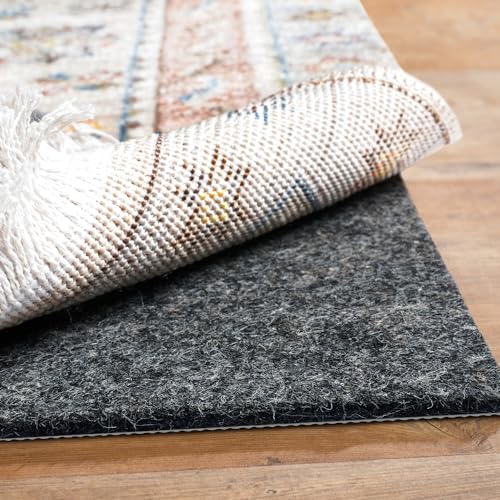
Types of Anti Slip Products for Rugs Compared
Three types cover nearly every home situation. Full pads cost the most, roughly scaling with rug size, while tape and corner grips cost around $10 to $25 for a typical room. Pads also protect the floor and the rug backing, which the smaller fixes do not.
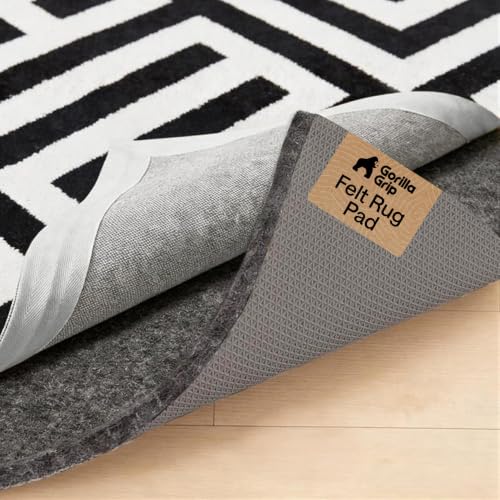
Felt and Rubber Rug Pads
A felt and rubber pad sits under the entire rug. The felt top grips the rug backing and adds cushion, while the natural rubber bottom grips the floor without adhesive. This is the strongest all around fix for rugs that slide as a whole, and it also softens footsteps and muffles sound. It adds thickness, so check door clearance before ordering. It suits living rooms, bedrooms, and dining rooms on wood, tile, and laminate. Choose a dense felt rather than a soft lofty one, since dense felt holds its grip and shape far longer.
Adhesive Gripper Tape and Corner Grippers
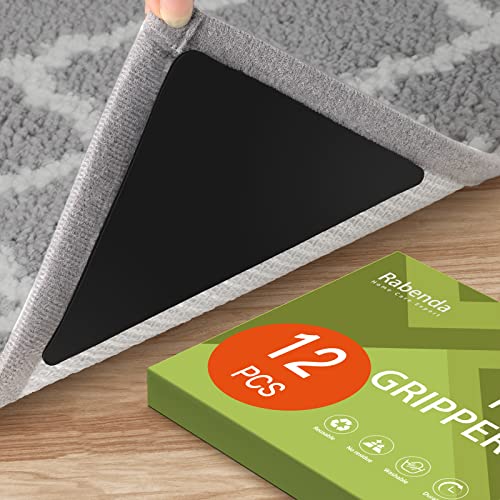
Tape and corner grippers stick to the rug underside, and sometimes to the floor, at key points rather than across the whole area. They are cheap, thin, and quick to apply, which makes them popular for runners and light rugs whose corners curl. Their hold depends on clean, dry surfaces at application, and adhesive strength fades with repeated lifting and washing. Some adhesives can leave residue or lift floor finishes, so test a small hidden spot first and avoid strong tape on delicate or freshly finished wood. Choose this type for targeted fixes and rented spaces where a full pad feels like too much.
Thin Mesh and PVC Grip Pads
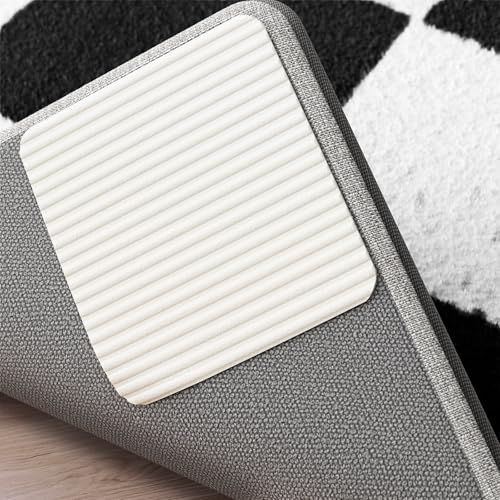
Thin mesh pads, often made of PVC or similar materials with an open weave, sit under the whole rug and rely on surface friction. They add almost no thickness, so doors swing freely and low pile rugs stay low. They work well under heavier rugs that mostly need a nudge of extra friction, and they can be cut to size with scissors. Their grip is the weakest of the three types, and some PVC pads can stick to or discolor certain floor finishes over time. Choose them for low clearance spots, and lift the rug every few months to check the floor beneath.
Felt and Rubber Pads vs Adhesive Grippers: Which Should You Choose?
Compare them on five points. For whole rug hold, pads win, because friction covers every inch. For curling corners, grippers win, because they pull the exact problem spot down. For floor safety, pads win, since they use no adhesive and cushion the floor against rug backing abrasion. For cost, grippers win on small rugs, while pads become reasonable per square foot on large rugs you plan to keep for years. For washing and moving, pads win, because you can lift, clean, and relay them without replacing sticky pieces. Most sliding problems call for a pad, while most curling problems call for grippers, and stubborn rugs sometimes need a pad plus corner grips.
If you would rather replace the rug itself with one that grips on its own, see our guide to the best non slip rugs for backed styles that skip the pad entirely. Kitchens raise special issues with water and grease, and our guide to the best non slip kitchen rugs covers washable options for that room.
How to Choose the Right Anti Slip
Size and Fit
Order a pad slightly smaller than the rug, about one inch in from each edge, so the pad stays hidden and the rug edges lie flat on the floor. A pad that peeks out collects dust and looks untidy, while one that is far too small leaves the edges free to curl. Most pads can be trimmed at home with strong scissors, so buying a size up and cutting down is safer than buying small. For runners, measure the full length, since a short pad leaves the far end free to travel.
Material and Floor Compatibility
Match the material to your floor. Natural rubber bottoms grip wood and tile well and are a common safe choice for many finishes. Avoid placing PVC or vinyl pads on floors where the maker warns against them, because plasticizers can react with some finishes and leave marks. On radiant heated floors, confirm the pad is rated for heat. On carpet over carpet layering, grip products work poorly, so use a rug on carpet pad made for that purpose. When in doubt, check the floor maker guidance and test under a hidden corner for a few weeks.
Safety and Material Standards
Certifications and labels help you judge what a pad brings into your home. OEKO TEX on textile components signals testing for harmful substances, and similar low emission labels matter most in bedrooms and nurseries where a pad sits for years. Strong chemical smells on opening are a warning sign, so air a new pad in a ventilated space before laying it. Keep receipts and product names, and stop using any pad that leaves residue, stains, or a sticky film on the floor. Safety also means flat edges, since a bunched pad under a rug creates the very trip edge you wanted to remove.
Thickness, Cushion, and Door Clearance
Pad thickness shapes both comfort and practicality. A pad around one quarter inch thick adds noticeable softness underfoot and sound control, while a thin pad around one eighth inch keeps a low profile. Measure the gap under doors that swing over the rug before choosing, and remember the rug pile adds height too. In high traffic halls, a thinner dense pad usually outlasts a thick soft one, because heavy footfall compresses soft felt and reduces grip. Memory foam style pads feel plush at first but can let a rug swim around, so favor dense felt for hold.
Features That Matter for Rugs
Rugs impose demands that other floor coverings do not. The grip layer must hold a flexible, often light textile against a smooth floor while people push off it at angles. Look for a pad with grip on both faces, since one sided products let the rug slide across the pad itself. In entryways, choose materials that tolerate damp shoes and can be lifted and shaken out. Under dining chairs, a dense thin pad prevents the creep that chair legs cause. Washable pads suit homes with pets, and a pad that can be cut lets you fit odd sizes and hearth cutouts neatly.
Setup and Care Tips
Clean and dry the floor fully before laying any grip product, because dust destroys friction and weakens adhesive. Lay the pad smooth with no folds, set the rug on top, then walk the edges down with your feet. Vacuum the rug regularly without a beater bar on the edges, and lift the rug every few months to vacuum the pad and check the floor finish beneath. Rotate the rug and pad twice a year in sunny rooms to even out wear and fading. Rinse mesh pads and let them dry flat when they lose grip, and replace adhesive grippers once they stop holding after cleaning.
Anti Slips: Your Questions Answered
What features matter most in anti slips for rugs?
Grip on both faces, correct sizing, and floor safe materials matter most. A pad that grips the floor but not the rug, or the rug but not the floor, only moves the sliding surface. Dense construction matters next, because it keeps the rug flat and the grip even. Thickness and cushion are comfort choices after those basics are met, and adhesive strength matters only for the targeted gripper type.
Is a thicker rug pad always better?
No, thicker is not always better. Extra thickness adds cushion, but it can block doors, create a raised edge that catches feet, and let light rugs shift on a soft surface. Thin dense pads often hold better in halls and under dining sets. Choose thickness by clearance and traffic first, then by the softness you want. The best pad is the thinnest one that still feels good and holds firmly.
How often should I replace my anti slip?
Replace a pad when it crumbles, sticks to the floor, loses its grip after cleaning, or no longer lies flat. Quality felt and rubber pads often last five years or more, while mesh pads and adhesive grippers may need replacement in one to two years. Check during your seasonal rotation. A pad that leaves powder or residue on the floor should be removed at once, before it affects the finish.
How do I wash anti slips safely?
Most pads should not go in a washing machine. Shake them outdoors, vacuum both sides, and spot clean with mild soap and water, then dry them flat and fully before relaying. Mesh pads can often be rinsed in a tub. Adhesive grippers lose strength when washed, so wipe them gently and replace them once grip fades. Always let the floor dry fully as well, since trapped moisture under a pad can damage wood.
Are adhesive grippers safe for hardwood floors?
Some are and some are not, so check both the gripper label and your floor finish guidance before applying them. Gentle, removable adhesives made for rugs are the safer choice, while strong mounting tapes can pull finish or leave residue. Test on a hidden area for at least a week. If you are unsure, a natural rubber pad gives strong hold with no adhesive at all, which removes the risk entirely.
The Bottom Line
Diagnose the movement first, then match the fix: a full felt and rubber pad for rugs that travel, corner grips for curling edges, and a thin mesh pad where clearance is tight. Use the product table above to compare sizes and prices, confirm floor compatibility, and the best anti slip for rugs for your room will keep the rug flat, quiet, and safe underfoot.