Best Animal LEGO Sets in 2026: Which Type Is Right for You?
Disclosure: We may earn a commission when you buy through links on this page, at no extra cost to you. As an Amazon Associate I earn from qualifying purchases. Learn more

Compare the best animal lego sets by type, age, piece count, and play value, with clear guidance for kids, families, and adult collectors alike today.
Animal themed building sets range from chunky first builds for toddlers to detailed display models that take a full weekend. Picking the best animal lego sets starts with knowing who will build, how long they want to spend, and whether the finished animal will be played with or displayed. This guide compares the main types side by side, so you can match a set to the builder instead of guessing from the box art.
The same animal can appear in several lines at very different sizes and prices. A small playful creature and a large realistic sculpture reward different skills. Keep the builder age, patience, and shelf or play space in mind as you read, and use the comparison table below to narrow the field before you compare individual sets.




Types of Animal LEGO Sets Compared
Three broad groups cover most of the market. Each group below explains how the sets work, what they do well, where they fall short, and who should choose them.
For Adults and Collectors
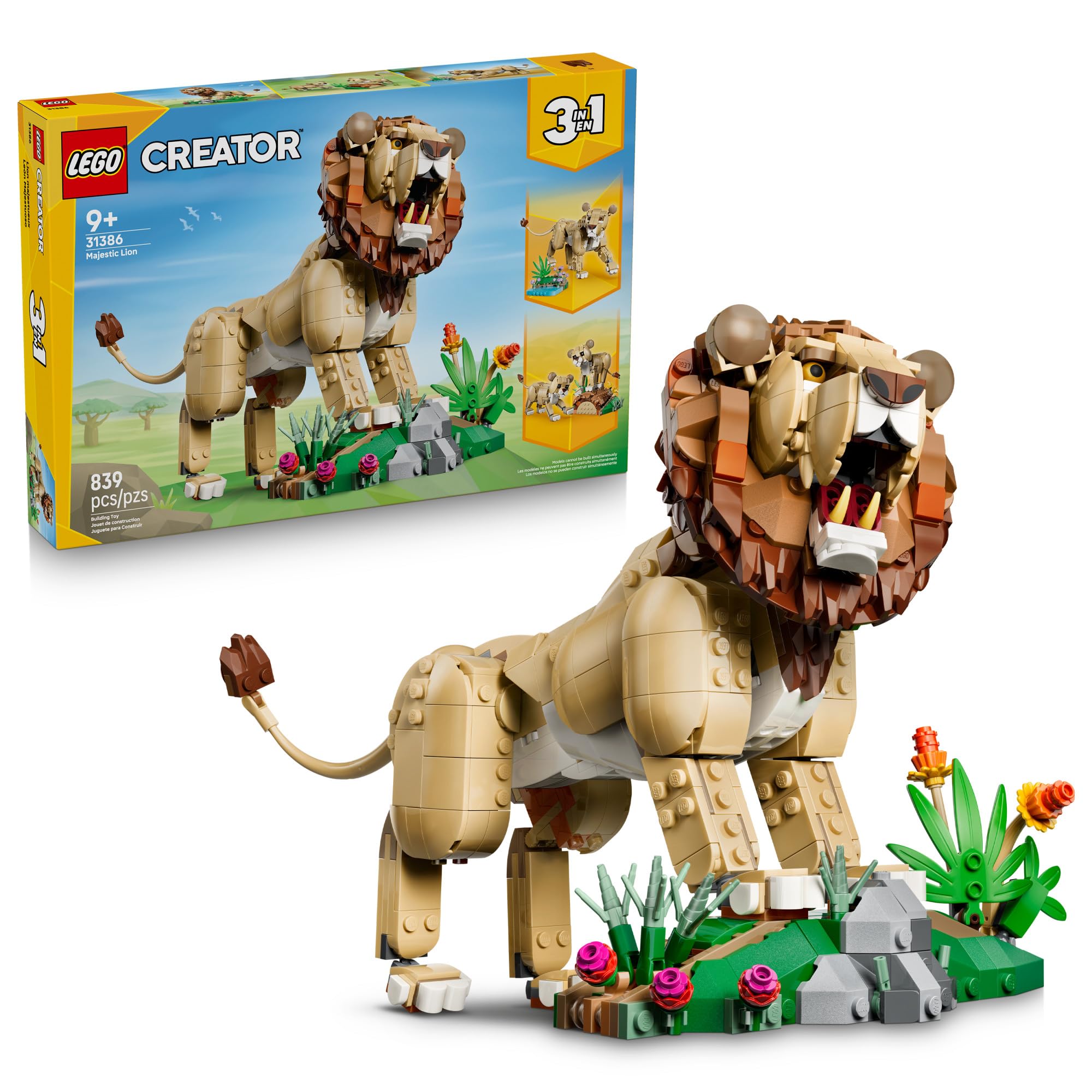
Collector sets focus on realistic shaping, subtle color work, and display presence. Piece counts often run from about 800 to well over 2,000, and builds use advanced techniques such as layered plates and angled elements to suggest feathers, fur, or scales. Build time stretches across several relaxed sessions. The reward is a model that looks at home on a shelf or desk. The trade off is fragility, since display models are not built to survive rough play, and the price per set is the highest of the three groups.
For Young Kids
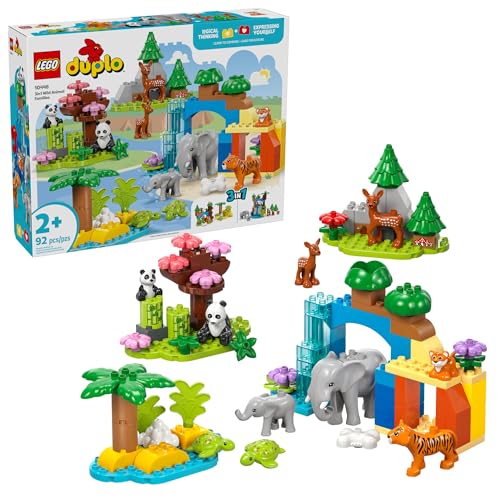
Sets for young kids use larger elements, bright colors, and simple steps that a child can finish with little help. Many include chunky animal figures with moving heads or tails, plus a small habitat scene that invites storytelling right away. Piece counts stay low, often under 100, so a build feels achievable in one sitting. These sets build confidence and fine motor skills, but older children may outgrow them quickly. Choose this group for first builds, and keep small part warnings in mind for children under three.
Family and Group Picks
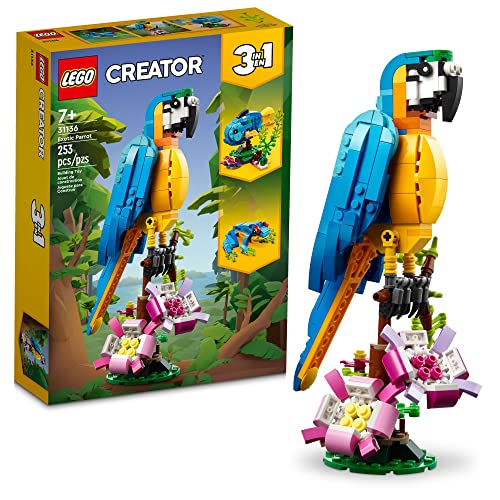
Mid range sets suit shared building, with piece counts around 200 to 800 and instructions that let two people work on separate sections. Animals in this group balance detail with sturdiness, so the finished model can be handled, posed, and rebuilt. Many include more than one animal or a small scene, which gives siblings different roles during play. This group offers the strongest replay value for mixed age households, because the same set works as a weekend project and then as a toy.
For Adults and Collectors vs For Young Kids: Which Should You Choose?
Compare the two ends of the range on five points. First, piece size and count differ sharply, with collector sets using many small elements and kids sets using few large ones. Second, build time runs from minutes to many hours. Third, the result differs in purpose, display versus active play. Fourth, price differs, since collector sets often cost around $80 to $200 while starter sets sit nearer $10 to $40. Fifth, supervision differs, because small parts need care around young children.
Your decision follows from the builder, not the animal. Buy the collector style when the joy is in the build itself and the model will stay on a shelf. Buy the kids style when the joy is in quick success and open ended play on the floor. When the gift recipient sits between those stages, the family group above is usually the safer middle ground, and our guide to the best lego sets ever shows how the most loved sets balance both appeals.
How to Choose the Right Animal LEGO Set
Number of Pieces, Players, and Play Time
Piece count is the most honest guide to build time and difficulty. As a rough guide, a focused builder completes about 100 to 150 standard pieces per hour, and younger builders work more slowly. Sets under 100 pieces suit one short session, while sets above 1,000 pieces reward planning across days. For group builds, look for sets with separate instruction sections or several animals, so each person owns a part. A set that matches the time you actually have will be finished and enjoyed, not shelved half built.
Durability and Storage
Play sets need strong connections and few delicate protruding parts, because animal ears, tails, and legs take the most knocks. Display sets can accept fragile detail since they will sit still. Storage matters more than most buyers expect. Keep the box or use labeled bins sorted by color or animal, and store the instruction book with the pieces. Losing the instructions is the most common reason a set stops being rebuilt, so a photo of the cover and a safe folder for booklets protects your investment.
Play Value and Replayability
Replay value comes from what happens after the first build. Poseable joints, opening jaws, and mix and match habitats extend play for months. Sets that include a second build option or extra elements for custom animals stretch value further. For collectors, replay takes a different form, since many rebuild a display model seasonally or pair it with lighting and a stand. Ask yourself whether the animal will be handled weekly or admired daily, and weight your choice toward sturdiness or detail accordingly.
Age Range and Skill Level
Follow the age guidance on the box, which reflects both part size and build complexity, and note that reputable sets meet safety standards such as ASTM F963 in the United States. A skilled seven year old may handle a set marked for older kids with adult help on tricky steps, while a first time adult builder may prefer a mid range set before attempting a large sculpture. Building slightly below your maximum skill level is often more fun, because steady progress beats repeated frustration with one stubborn section.
Educational Benefits
Building animal sets develops spatial reasoning, sequencing, and patience, and animal themes add a layer of nature learning. Kids who build a habitat often start asking what the real animal eats and where it lives, which turns play into curiosity. Following instructions step by step supports early STEM habits such as testing a fit and correcting mistakes. For the strongest learning value, let the child lead the build and resist fixing errors for them, since finding a misplaced piece is where much of the problem solving happens.
If animal sets spark a wider interest, the broader best lego sets guide covers the main themes beyond animals, while fans of action scenes can explore the best lego ninjago sets for a very different building style.
How to Make Your Animal LEGO Set Last Longer
- Check age labels and small part warnings before giving a set to a young child, and keep tiny elements away from toddlers and pets.
- Store pieces in labeled bins by set or by color, with the instruction book kept in a folder or photographed as a backup.
- Clean pieces in lukewarm water with mild soap when needed, then air dry fully before storage to protect the plastic and any stickers.
- Keep display models out of direct sunlight, which can fade colors over time, and dust them with a soft brush rather than a wet cloth.
- Rebuild or rotate displayed sets once or twice a year, which keeps interest fresh and lets you spot missing pieces early.
Collectors who enjoy hunting older animal models should also read our guide to the best retired lego sets, which explains how condition and completeness affect value.
Frequently Asked Questions
What age are animal LEGO sets best for?
There is no single best age, because the range runs from toddler friendly large bricks to adult display sculptures. Match the box guidance to the builder, then adjust for experience. A patient six year old with building practice may enjoy a set marked eight and up with help nearby, while a casual adult may prefer a mid range set. When buying a gift and you are unsure, choose the family group, since it stretches across the widest age span.
How long does it take to finish an animal LEGO set?
Small kids sets can take under 30 minutes, mid range sets usually take one to three hours, and large collector animals can take six hours or more across several sessions. Your pace depends on sorting habits as much as skill. Sorting pieces by color before you start, and building on a tray that keeps parts from rolling away, can cut total time noticeably and makes stopping and resuming between sessions far less frustrating.
Is an animal LEGO set a good gift?
Yes, when you match the type to the recipient. Animal themes suit nature lovers, zoo fans, and anyone who prefers a calm build over vehicles or battles. Include the recipient age and interests in your choice, and consider adding a storage bin for kids sets. For adults, a display animal pairs well with a small stand. A gift receipt helps when the recipient already owns the same set, which is a real risk with popular animals.
Is an animal LEGO set worth the price?
Value depends on cost per hour of engagement, not just the sticker price. A set around $60 that delivers four hours of building plus months of play or display compares well with other hobbies. Licensed or retiring sets can hold value, but buy first for the build experience. Watch price per piece as a rough guide, while remembering that large specialty elements and printed pieces, rather than stickers, usually signal a set that will age well.
Our Verdict
Decide by builder first, then by piece count and purpose. Young kids need quick wins and sturdy parts, families need shared builds with replay value, and collectors need detail worth displaying. Whichever group fits you, the best animal lego sets are the ones that get finished, handled, and rebuilt with pleasure, so compare your finalists in the product table above and choose the animal you will still enjoy seeing every day.