Best Angle Grinders: Everything to Know Before Your First Purchase in 2026
Disclosure: We may earn a commission when you buy through links on this page, at no extra cost to you. As an Amazon Associate I earn from qualifying purchases. Learn more

New to angle grinders? Learn how the best angle grinders differ in power, disc size, corded and cordless types, safety, and cost before your first purchase.
If you are shopping for the best angle grinders for the first time, the choices can feel confusing, because similar looking tools differ in power, disc size, and safety features. An angle grinder is a handheld power tool that spins a disc at high speed to cut, grind, and smooth metal, stone, and other hard materials. This guide explains the basics in plain English, and the product table can help you sort the options by power source and disc size.
First time buyers do best when they match the tool to real jobs, not to the highest power rating on the shelf. A small grinder suits light cutting and sharpening, while a larger grinder suits heavy cutting and concrete work but is harder to control. Read the basics first, then compare specs, safety, and cost, and you will avoid the common beginner mistake of buying more tool than you can handle safely.


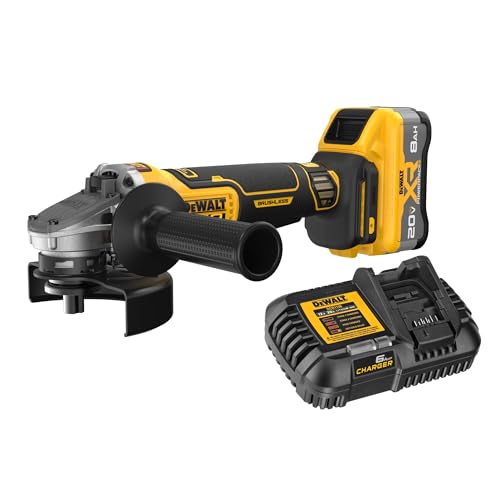
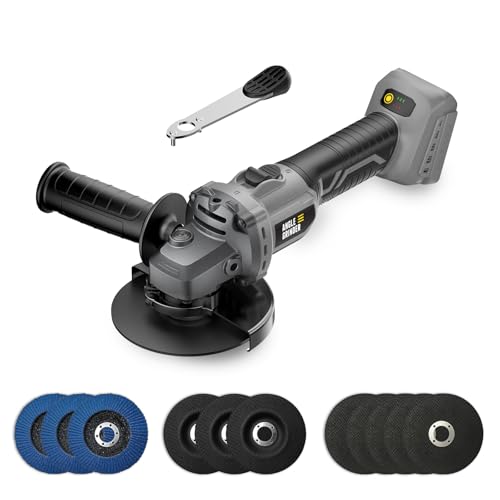


Choosing the Best Angle Grinders: The Basics
An angle grinder holds a disc at a right angle to the body, which lets you work along edges, in corners, and on flat surfaces with good control. The disc spins fast, and the type of disc decides the job: cutting discs slice through metal, grinding discs remove material and smooth welds, and flap discs blend and finish surfaces. Disc size is measured across the disc, and common home sizes include 4.5 inches and 5 inches, while larger tools use 7 inch or 9 inch discs. Larger discs cut deeper, but they also add weight and kickback force, so beginners should start small unless a specific job truly needs a large disc.
Power comes from a corded motor or a battery platform, and the choice affects weight, runtime, and cost. Corded tools run as long as you have power and usually cost less for the same power, while cordless tools offer freedom of movement at the cost of battery weight and limited runtime. Safety features matter from the first use: a guard that covers part of the disc, a lock for changing discs, and a switch type you can control under load. Always read the maker manual before first use, and follow maker guidance and local rules for eye protection, hearing protection, and safe work areas.
Key Specs Explained in Plain English
Specs only help when you know what each one changes in real work. The sections below translate the main specs into practical choices for home projects, repairs, and light workshop use.
Corded Versus Cordless and Battery Platform
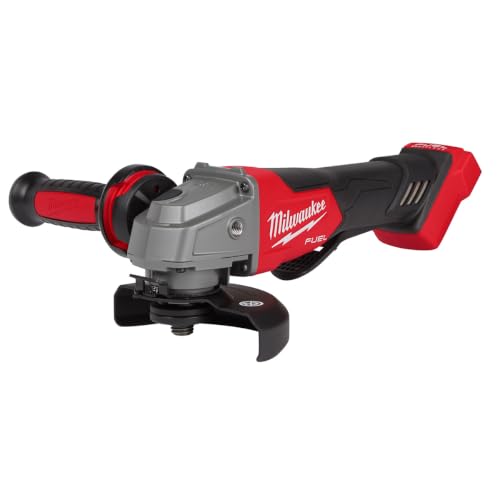
Corded grinders plug into mains power, so they run without stopping and suit long grinding sessions in a workshop. Cordless grinders use rechargeable batteries, so they suit outdoor work, ladders, and jobs far from an outlet, but runtime depends on battery size and how hard you push the tool. Battery platforms matter if you already own tools from one maker family, because batteries and chargers often work across tools in that family. Check voltage and amp hour ratings together: voltage hints at power class, while amp hours hint at runtime, and neither alone tells the full story.
Warranty and Maker Ecosystem
A warranty of about three to five years is common for home and workshop grinders, though terms differ by maker and by how the tool is used. Read whether the warranty covers the motor, switch, and gearbox, and whether it requires registration or proof of purchase. Maker ecosystem matters mainly for cordless buyers, because staying in one battery family saves money on spare batteries and chargers. For corded buyers, ecosystem matters less, so focus instead on parts availability, service centers, and clear maker support for guards and discs.
Durability and Brushless Motors
Durability depends on gearbox quality, housing strength, cooling, and how well the tool handles dust. A sealed switch and good airflow help in dusty grinding work, while a sturdy gearbox handles repeated load without overheating. Brushless motors use electronics instead of carbon brushes, so they often run cooler, last longer, and use battery power more efficiently. Brushed motors cost less and still work well for occasional use, so brushless is worth paying for mainly if you grind often or use a cordless tool where battery efficiency matters.
Accessories Included
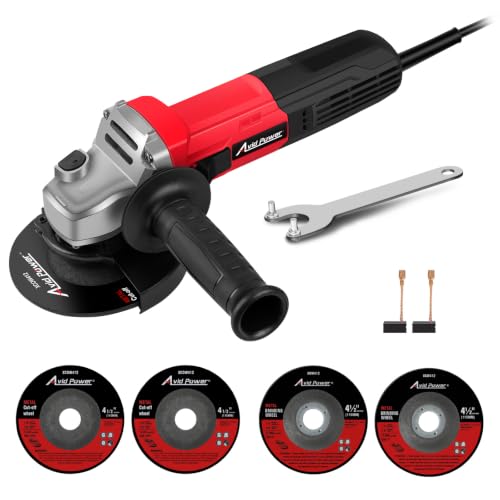
Check what comes in the box before comparing prices, because a low price can hide missing batteries, chargers, or discs. A useful kit often includes a guard, a side handle, a disc changing wrench, and at least one disc suited to your first job. Cordless kits may include one or two batteries and a charger, while bare tools include neither and suit buyers who already own batteries. A case or bag helps storage and transport, but it should not decide the purchase if the tool itself lacks the power or safety features you need.
Power and Performance Specs
Power specs include amps for corded tools, voltage for cordless tools, no load speed in revolutions per minute, and disc size. Higher speed suits cutting and finishing, while higher torque suits heavy grinding under load. Disc size limits cutting depth, so match it to your thickest common material rather than to the largest job you might ever attempt.
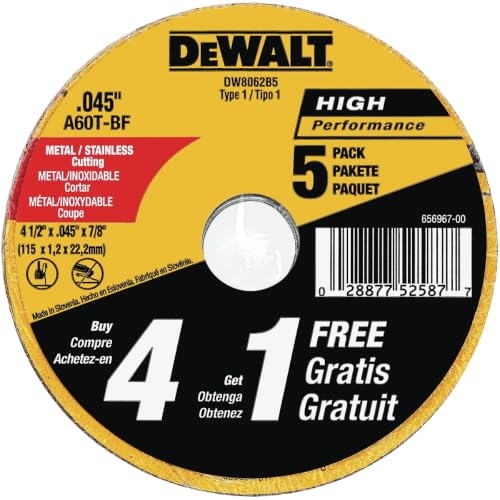
Also check spindle size and disc compatibility, because a disc that does not fit the spindle or guard cannot be used safely. Our guide to best angle grinder wheels explains disc types and fit in more detail and can help you choose discs after you choose the tool.
Rookie Mistakes to Avoid
- Buying the largest grinder first, which adds weight and kickback and makes control harder for a beginner.
- Removing the guard for a better view, which leaves you exposed to sparks, debris, and a broken disc.
- Using the wrong disc for the material, which can overheat the disc, damage the work, or cause the disc to fail.
- Forcing the tool through a cut, which stalls the motor, wears the disc fast, and increases kickback risk.
- Skipping eye and hearing protection, because grinding throws sparks and debris even on short jobs.
- Ignoring battery and charger costs, which can make a cheap cordless tool far more expensive than a corded one.
Air powered grinders are a separate type worth knowing about if you already use shop air. Our guide to best air angle grinder covers where air tools fit and what compressor capacity they need. For smaller precision work, a different tool class may suit better, and our guide to best die grinders explains that smaller rotary style option.
Getting Started: Setup and First Use
Start by reading the maker manual, fitting the correct guard for the disc type, and attaching the side handle in a position that gives you a firm two hand grip. Check that the disc matches the tool speed rating and spindle size, and tighten it only as the maker directs. Wear eye protection, hearing protection, gloves suited to grinding, and clothing without loose sleeves or cords. Work in a clear area away from flammable materials, keep the cord or battery clear of the disc path, and let the tool reach full speed before touching the work.
On your first cuts, use light pressure and let the tool do the work, because forcing the disc causes heat, wear, and kickback. Keep the disc at the angle the maker recommends for cutting or grinding, and never use a cutting disc for heavy side grinding unless the maker states it is rated for that use. Stop often to check the work, clear dust, and let the tool cool, especially on long cuts. After use, unplug the tool or remove the battery, clean dust from vents, store discs flat and dry, and inspect the guard and cord for damage before the next job.
Angle Grinders: Your Questions Answered
Corded or Cordless: Which Is Better for DIY?
For most home DIY work, the better choice depends on where you work and how long each job lasts. Corded grinders suit long workshop sessions and heavy grinding, because they run without battery limits and often cost less for similar power. Cordless grinders suit outdoor repairs, ladders, and short cuts far from an outlet, where freedom of movement matters more than endless runtime. If you already own batteries in one maker family, cordless becomes more attractive, while a first time buyer on a tight budget often gets more value from corded power.
What Specs Matter Most for Home Projects?
Disc size, power source, speed control, and safety features matter most for home projects. A 4.5 inch disc suits most cutting, grinding, and sharpening around the home, while larger discs suit concrete and heavy steel work that beginners rarely need. Variable speed helps when you switch between cutting metal and finishing surfaces, and a paddle or lock on switch affects control under load. Also check guard adjustment, side handle position, and disc compatibility, because those details shape how safely and comfortably you can use the tool day to day.
Can I Use Batteries Across Brands?
No, batteries are generally not interchangeable across brands, because each maker uses its own mount, voltage system, and electronics. Some third party adapters exist, but they can affect warranty, safety, and performance, so check maker guidance before using one. The practical answer is to choose a battery family that covers the tools you plan to buy, and factor spare batteries and chargers into the total cost. For corded buyers this question does not apply, which is one more reason corded tools suit buyers who do not plan to build a cordless collection.
Is a Brushless Motor Worth It?
A brushless motor is worth it if you grind often, use a cordless tool, or want longer motor life and better battery efficiency. Brushless motors run cooler and need no brush replacement, which helps in dusty work and frequent use. For occasional light jobs, a brushed motor still works well and costs less, so the extra spending may not pay back. Weigh your expected use: weekly grinding or long cordless sessions justify brushless, while a few cuts a year do not require it.
How Do I Choose the Right Disc Size?
Choose disc size by the thickest material you cut regularly and the control you can maintain safely. Smaller discs are lighter, easier to control, and cheaper to replace, which suits beginners and most home jobs. Larger discs cut deeper in one pass but add weight, kickback, and cost, and they need a larger tool body. Check the tool rating for each disc size, because a disc larger than the rated size cannot be fitted safely.
When in doubt, start with a 4.5 inch tool and step up only when a specific job proves it too small.
The Bottom Line
Power source, disc size, safety features, and total cost including batteries and discs are the factors that matter most for a first purchase. A small corded or cordless grinder with a good guard, a comfortable grip, and discs matched to your jobs will serve most beginners better than a large, powerful tool that is hard to control. Review the product table above once more, check maker guidance for your planned jobs, and choose the best angle grinders option that fits your work, your budget, and your safety habits.