Best Angle Grinder Wheels: A Buying Checklist for 2026
Disclosure: We may earn a commission when you buy through links on this page, at no extra cost to you. As an Amazon Associate I earn from qualifying purchases. Learn more
Pick the best angle grinder wheels by matching type, size, bore and speed rating to your grinder and material.
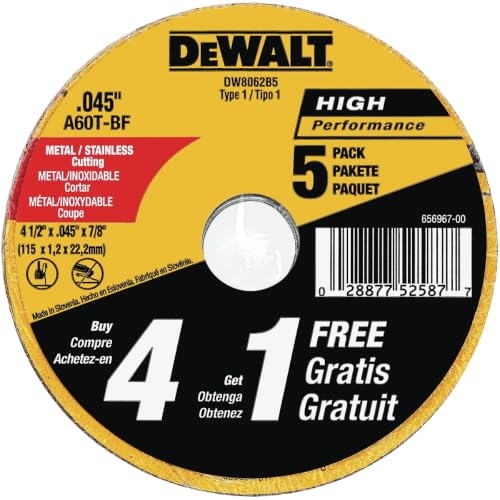
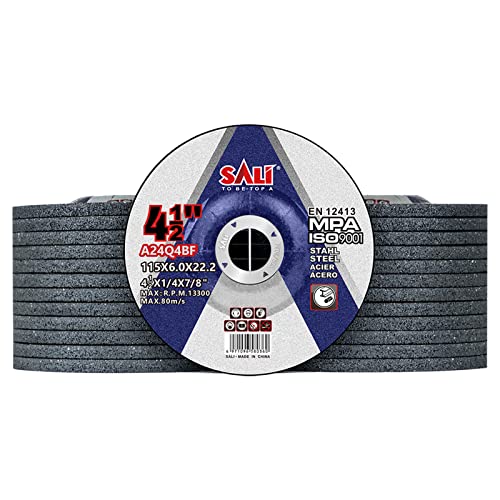
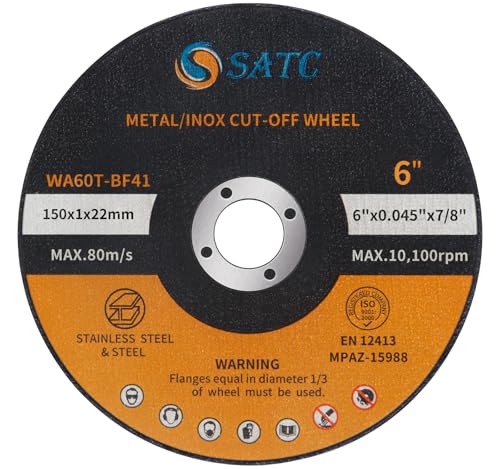
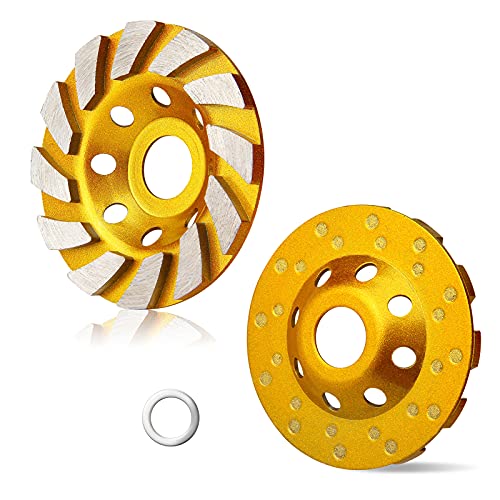
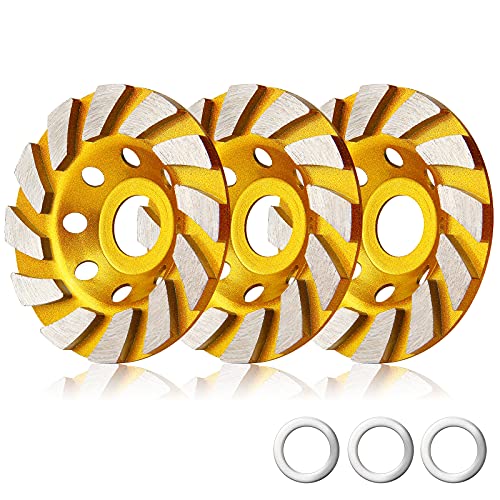
Choosing the right best angle grinder wheels starts with matching the wheel to the job, not just to the grinder. Cutting wheels slice through metal, grinding wheels shape and smooth it, flap discs blend and finish, and wire wheels clean rust and paint. Each type behaves differently, and the wrong choice can cut slowly, wear out fast, or work unsafely, so the product table can help you sort the main types before you buy.
This guide walks through a simple checklist: wheel type, size and fit, material compatibility, speed rating, and safety marks. It also covers spending levels, warning signs of poor quality, and basic care. Use it to narrow the options to wheels that fit your grinder, suit your material, and match how often you grind.

Key Features of the Best Angle Grinder Wheels
Wheel Type and Job Match
Start by naming the job, then pick the wheel built for it. Thin cutting wheels slice sheet metal and bar stock with little waste, while thicker grinding wheels remove material and smooth welds. Flap discs combine many small abrasive flaps on a backing plate, so they grind and finish in one pass and suit blending welds or cleaning edges.
Wire wheels strip rust, paint, and scale without removing much base metal. Using a cutting wheel to grind, or a grinding wheel to cut, wears the wheel unevenly and raises the risk of breakage.
Diameter, Thickness, and Bore Fit
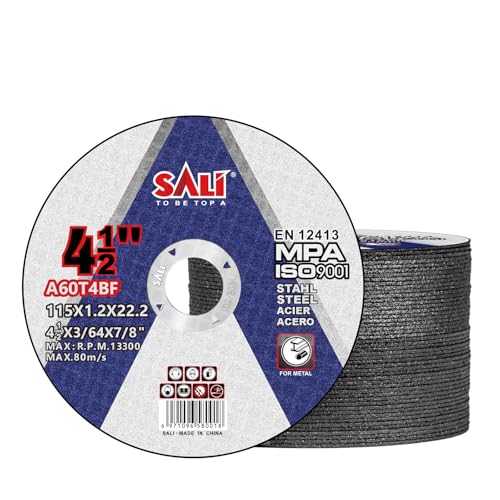
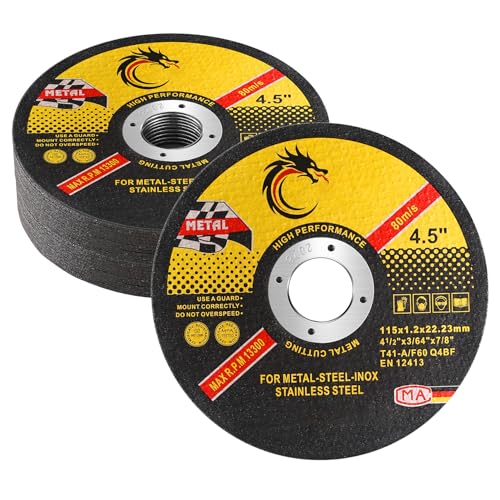
Diameter must match your grinder size, commonly 4 and 1 half inches or 5 inches for home grinders, and the bore must fit your grinder spindle exactly. Thickness affects the cut: thin wheels cut faster with a narrow kerf, while thicker wheels last longer and handle side pressure better. Always check the wheel label against your grinder manual before mounting, and never force a wheel onto a spindle or use an adapter that changes the bore. A wheel that fits loosely can wobble, vibrate, and fail under load.
Since wheel fit depends on the tool itself, see our guide to the best angle grinders when you need to confirm grinder size, spindle type, and guard compatibility before buying wheels.
Material Compatibility
Match the abrasive and bond to the material you cut or grind. Aluminum oxide suits most steels and general metal work, zirconia handles tougher steels and holds an edge longer, and silicon carbide suits stone, masonry, and nonferrous metals. Some wheels are marked for stainless steel and use a bond that reduces contamination, which matters if the finished piece must resist rust. Cutting aluminum with a wheel made for steel can load the abrasive and cause grabbing, so read the label for the materials it is rated to handle.
Speed Rating and Safety Marks
Every wheel carries a maximum speed rating, usually in revolutions per minute, and that rating must meet or exceed your grinder speed. A wheel rated below grinder speed can break apart, so this check is not optional. Look for clear markings for size, maximum speed, and intended use, plus a guard requirement note on the packaging. If markings are missing, faded, or hard to read, treat the wheel as unusable and choose a clearly marked option instead.
Build and Balance
A well made wheel feels even, runs with little vibration, and wears at a steady rate. Poor balance shows up as shaking, chatter marks, or a wheel that wears more on one side. Reinforced wheels use fiber layers for strength, which suits cutting and heavy grinding, while unreinforced wheels suit light work on small grinders. Inspect each wheel before use for chips, cracks, or damp storage damage, and discard any wheel that looks damaged, since a flaw that seems small can grow under spinning load.
For air powered tools, wheel choice also depends on air supply and tool speed, so see our guide to the best air angle grinder when you need to match wheels to an air driven grinder.
Spending Levels to Compare
Everyday Value Level
Everyday value wheels cost about $1 to $4 each in multi packs and suit light home jobs such as cutting a bolt, trimming sheet metal, or cleaning a small weld. They wear faster than premium wheels, so heavy users go through them quickly, but the low cost makes them practical for occasional work. Buy only as many as you will use within a reasonable time, store them dry and flat, and check each wheel for damage before mounting.
Steady Workshop Level
Steady workshop wheels cost about $4 to $10 each and suit regular garage or shop use, including frequent cutting, weld cleanup, and surface preparation. They usually offer better balance, longer life, and more consistent cutting than value wheels, which saves time on longer jobs. This level fits most serious home users who grind weekly or tackle larger projects such as gates, trailers, or metal furniture. Keep a mix of cutting, grinding, and flap discs on hand so each job gets the right type.
Heavy Use Level
Heavy use wheels cost about $10 to $25 each and suit daily professional style work, thick steel, and long cutting sessions. They typically use tougher abrasives and stronger reinforcement, so they hold up under heat and pressure that would wear out cheaper wheels. The higher price pays off when downtime matters or when a wheel failure would ruin a large workpiece. Even at this level, always match the rating to your grinder, use the guard, and replace wheels at the first sign of cracks or uneven wear.
Quick Buyer Checklist
- Does the wheel type match the exact job: cutting, grinding, finishing, or cleaning?
- Does the diameter and bore fit your grinder without forcing or adapting?
- Is the wheel rated for your material, such as steel, stainless steel, or masonry?
- Does the maximum speed rating meet or exceed your grinder speed?
- Are size, speed, and use markings clear and easy to read?
- Is the wheel free of chips, cracks, and damp storage damage?
- Do you have the right guard, flange, and eye and hearing protection for the job?
Red Flags to Watch For
- Vague or missing speed ratings, size markings, or material ratings on the label.
- No safety certification marks or packaging that looks copied or inconsistent.
- Wheels sold loose without packaging, labels, or storage guidance.
- Claims of universal fit for every grinder size and every material.
- Very short warranty or no maker contact information for safety questions.
Care and Maintenance Tips
Store wheels flat in a dry place, away from damp floors and direct heat, since moisture weakens the bond. Wear eye and hearing protection every time you grind, let the tool do the work, and never force a wheel through a cut. Use the right wheel for each job rather than pressing harder, and replace a wheel as soon as it chips, cracks, or wears unevenly. Check the guard and flanges before each session, and keep children and pets away from the work area while grinding.
Angle Grinder Wheels: Your Questions Answered
Can one wheel both cut and grind metal?
One wheel should not both cut and grind metal in normal use, because cutting wheels are thin and grinding wheels are thick for a reason. A thin cutting wheel can flex or break if you press its side into a weld, while a thick grinding wheel cuts slowly and wastes material. Some combination wheels claim both uses, but they still favor one job over the other. For safety and better results, keep separate wheels for cutting and grinding, and switch wheels when the task changes.
What specs matter most for home projects?
For home projects, the specs that matter most are diameter, bore fit, wheel type, and maximum speed rating. Diameter and bore must match your grinder exactly, or the wheel cannot mount safely. Wheel type decides whether the job cuts, grinds, or finishes well. Speed rating must meet or exceed grinder speed to avoid breakage, and material rating matters too, since a wheel made for steel may load up on aluminum, so check the label before you buy.
How do I know when a wheel needs replacing?
Replace a wheel when it chips, cracks, wears unevenly, or shrinks below a useful size for the job. Vibration, chatter, or a change in cutting feel can also signal wear or damage that you cannot see. Flap discs need replacing when the flaps wear down to the backing plate, and wire wheels need replacing when wires break off in large numbers. Never keep using a damaged wheel to finish one last cut, since the risk rises sharply once the wheel structure is weakened.
Do flap discs replace grinding wheels?
Flap discs can replace grinding wheels for blending, smoothing, and light material removal, but they do not replace them for every job. A flap disc finishes welds and edges smoothly and runs cooler than a solid grinding wheel, which suits visible work. For heavy stock removal or shaping thick steel, a solid grinding wheel usually works faster and lasts longer. Keep both types on hand, and choose the flap disc when surface finish matters and the grinding wheel when speed of removal matters.
What should I check before mounting a new wheel?
Before mounting a new wheel, check the label for diameter, bore, material rating, and maximum speed, and inspect the wheel for chips, cracks, or damp damage. Confirm that the flanges and guard fit the wheel type, since cutting wheels need a different guard setup than grinding wheels on many grinders. Unplug the tool or remove the battery before changing wheels, tighten the lock nut by hand plus a firm turn, and follow the manufacturer's instructions for any first run.
The Bottom Line
Pick the wheel type for the job, confirm diameter, bore, and speed rating against your grinder, and choose a material rating that suits your metal or masonry. A mid level wheel suits most home workshops, while light users save with value packs and heavy users gain from tougher abrasives. Inspect every wheel before use, wear eye and hearing protection, and keep children and pets away from the work area. With those checks in place, the best angle grinder wheels for your shop are the ones that fit correctly, cut cleanly, and wear evenly, so review the product table above before you buy.