Best Bench Grinders for 2026: Matching the Right Model to Your Routine
Disclosure: We may earn a commission when you buy through links on this page, at no extra cost to you. As an Amazon Associate I earn from qualifying purchases. Learn more

The best bench grinders match your sharpening jobs. Compare wheel size, power, safety features, and price to fit your workshop routine and budget.
There is no single model that suits every workshop, because sharpening a chisel, shaping a mower blade, and cleaning up a weld each ask for different speed, wheel size, and control. Choosing the best bench grinders starts with your routine, not with the largest motor or the lowest price on the page. This guide matches grinder features to real uses so you can avoid overpaying for power you will never use, or buying a light model that stalls. Use the product table to narrow the field.
Bench grinders look simple, yet small differences change how they feel in use. Wheel grit, tool rests, eye shields, and motor power all affect how smoothly you can sharpen an edge without overheating it. The sections below sort buyers by need, explain the features worth comparing, and cover care that keeps a grinder safe and useful for years.

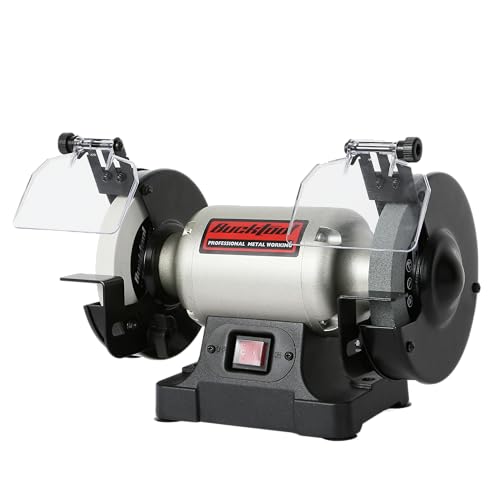
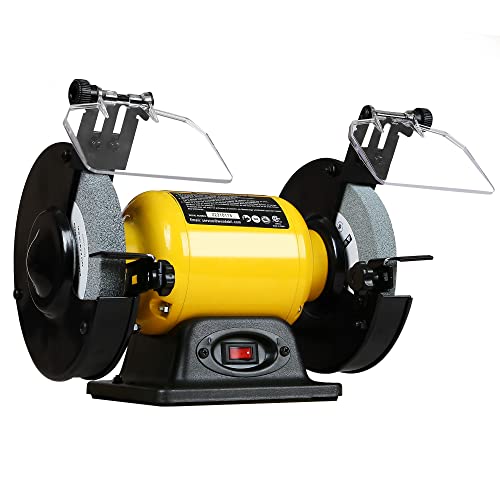


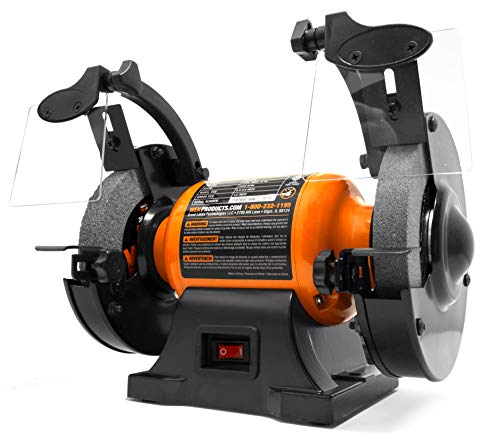


Who Should Buy Which Bench Grinders?
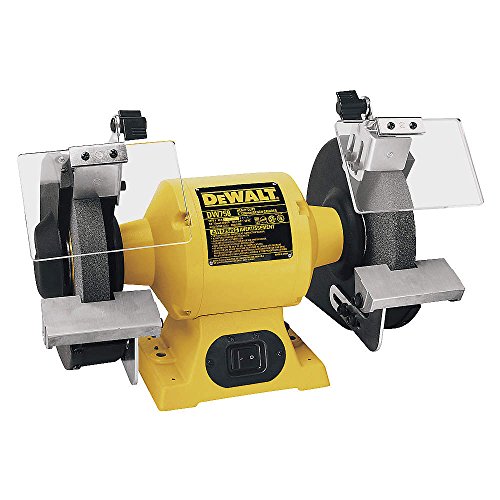
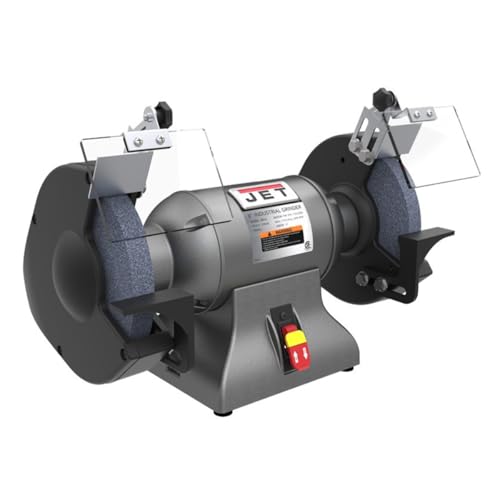
Start by naming the jobs you do most. A grinder that only sharpens garden tools needs less power than one that grinds welds or reshapes thick steel. The groups below cover the most common buyers, and each one points to the features that matter most for that routine.
For People Who Want the Best Performance
Performance focused buyers grind often and work with thick or hard material. They benefit from a stronger motor that holds speed under load, larger wheels that remove material steadily, and sturdy tool rests that stay put during long sessions. A slower speed wheel helps when sharpening fine edges, since it lowers the risk of overheating the steel. Paying more makes sense here only when the extra power matches weekly use.
For First Time Buyers
First time buyers need a simple, dependable grinder that is easy to set up and safe to learn on. Look for clear maker instructions, tool rests that adjust easily, and eye shields that sit firmly in place. A mid size wheel and a moderate motor cover most home sharpening jobs, and a model with two grits lets you shape and finish an edge without swapping wheels. Keep the first purchase simple, and learn grinding technique before chasing extra features.
For Gift Shoppers
Gift shoppers want a grinder that is easy to give and easy for the recipient to use. A common style with a solid warranty, clear instructions, and standard wheel sizes makes a safer gift than a niche model with unusual parts. Check that replacement wheels are easy to find, since a gift that cannot be maintained loses value fast. A mid range model usually offers useful power without a price that feels awkward.
For Value Seekers
Value seekers balance price and durability by spending where it counts and skipping extras that add little. A sturdy base, a motor that does not bog down on ordinary sharpening, and adjustable tool rests matter more than cosmetic extras. Compare warranty length and replacement wheel cost before deciding, since cheap wheels that wear fast can erase an initial saving. The best value is a grinder that still runs smoothly after years of use.
Key Features to Compare
Safety and Certifications
Safety comes first with any grinder, since wheels spin fast and throw sparks and grit. Look for maker statements about safety standards, sturdy wheel guards, and eye shields that adjust and lock in place. Always wear eye and hearing protection, keep loose clothing and long hair away from the wheel, and check that the wheel is rated for the grinder speed before use. Never remove a guard to reach a tight spot, and follow the manufacturer's instructions.
Build Quality and Materials
Build quality shows in the base, the housing, and the tool rests. A heavy cast base resists vibration and keeps the grinder from walking across the bench, while thin stamped parts flex and hurt precision. Check that tool rests lock firmly and that guards fit without wobble. Sealed bearings and a well balanced wheel run smoother and quieter, which helps edges stay even.
Ease of Use and Setup
Ease of use covers everything from unboxing to daily adjustments. A grinder that mounts quickly, levels easily, and lets you change or dress a wheel without a struggle saves time on every job. Tool rests should move smoothly and lock at a steady angle, and the power switch should be easy to reach safely. If setup feels fiddly in the manual, it will feel worse after a long day in the shop.
Intended Use and Who It Is For
Intended use should drive wheel choice, speed, and size. Fine sharpening of chisels and plane blades calls for a finer grit wheel and a steady slow pass, while shaping mower blades calls for a coarser wheel and more power. A grinder used once a month for touch ups needs less capacity than one used daily in a busy shop. Write down your three most common jobs before shopping, and judge every feature against that list.
Warranty and Customer Support
Warranty and support matter because grinders live in dusty shops and run for years. A longer warranty signals maker confidence, but read what it covers, since wear items such as wheels and brushes often sit outside the main cover. Check whether replacement wheels, tool rests, and switches are sold separately and easy to order. Good support also means clear manuals and parts diagrams, which make routine care simpler.
Common Mistakes to Avoid When Buying Bench Grinders
- Judging by price alone, which can leave you with a weak motor that stalls on real work.
- Ignoring safety features and certifications, which raises the risk of injury during ordinary use.
- Buying a grinder that is too large or too small for your bench space and your usual jobs.
- Skipping the warranty check, then finding that replacement parts are hard to order.
- Choosing the wrong wheel grit for your main job, which makes sharpening slow or damages edges.
Tips to Get the Most From Your Bench Grinder
Read the manual before first use, and follow the maker guidance for wheel mounting, tool rest gaps, and speed limits. Clean and inspect the grinder regularly, clearing dust from vents and checking wheels for cracks, chips, or uneven wear before each session. Store the grinder in a dry place, since damp air rusts tool rests and shortens motor life.
Dress a glazed wheel when it stops cutting cleanly, keep tool rests close to the wheel, and let the work cool so heat does not ruin the edge. For a related comparison, see our guide to the best bench sander, which covers similar dust and surface finishing questions. If you also shape small parts, our guide to the best die grinders explains handheld grinding trade offs, and our guide to the best concrete grinders covers heavy surface work that a bench model cannot do.
FAQs
How much should I spend on a bench grinder?
Most home buyers spend about $50 to $150 for a grinder that handles sharpening and light shaping well. Heavier shop use often calls for about $150 to $300, where stronger motors and sturdier bases pay off. Spend less only when your jobs are light and infrequent, since a very cheap motor may stall and frustrate you. Judge price against your routine, not against the largest model in the aisle.
Are expensive bench grinders worth it?
Expensive bench grinders are worth it when you grind often, work with thick material, or need fine control over edge quality. They usually offer stronger motors, better balance, and tool rests that hold settings. For occasional touch ups, a mid range model gives nearly the same result for less money. The extra cost pays off in daily use, but it adds little for a grinder that runs once a month.
How long does a bench grinder last?
A bench grinder often lasts many years, with well built models running a decade or more under home use. Life depends on motor quality, use frequency, and whether wheels and bearings get basic care. Dusty storage, overloaded grinding, and ignored vibration shorten life faster than age alone. Replacing wheels, cleaning vents, and checking mounts regularly keeps a good grinder useful far beyond its first few years.
What features matter most when buying bench grinders?
Motor power that holds speed under load, stable tool rests, effective guards and eye shields, and wheels matched to your jobs matter most. Wheel size and grit shape what you can sharpen, while base weight affects precision and comfort. Warranty and parts availability matter too, since a grinder is a long term tool. Lights or extra accessories help, but they never make up for a weak motor or a wobbly rest.
How do I maintain a bench grinder?
Maintain a bench grinder by cleaning dust from vents and surfaces after use and inspecting wheels for cracks or uneven wear before each session. Dress a glazed wheel so it cuts cleanly, keep tool rest gaps small, and tighten mounts that loosen with vibration. Store the grinder dry, replace worn wheels promptly, and follow the maker schedule for any bearing or brush care. A few minutes of care after each session prevents most common failures.
The Bottom Line
Match the grinder to your routine: light sharpening needs a simple mid size model, while frequent heavy work calls for a stronger motor, larger wheels, and sturdier rests. Weigh safety features, build quality, and warranty alongside price, and check the product table. That approach keeps a best bench grinders purchase practical, and it gives you a tool that stays safe, steady, and useful for years.