
Best Angle for Dual Monitors at Every Price: What Your Money Really Gets You for 2026
Disclosure: We may earn a commission when you buy through links on this page, at no extra cost to you. As an Amazon Associate I earn from qualifying purchases. Learn more

Compare the best angle for dual monitors at every price point. Learn what you get at budget, midrange, and premium levels and where spending more pays off.
Two screens side by side can still strain your neck if they sit flat, too far apart, or at the wrong height. Finding the best angle for dual monitors is mostly about geometry you can set for free, plus stand and mount quality that money does buy. This guide separates the free fixes from the paid upgrades, tier by tier.
The comparison table below shows mounts, arms, and monitors with adjustable stands at several prices. Read the angle rules first, then use the table to decide whether your current gear can reach the right position or whether an upgrade will actually help.
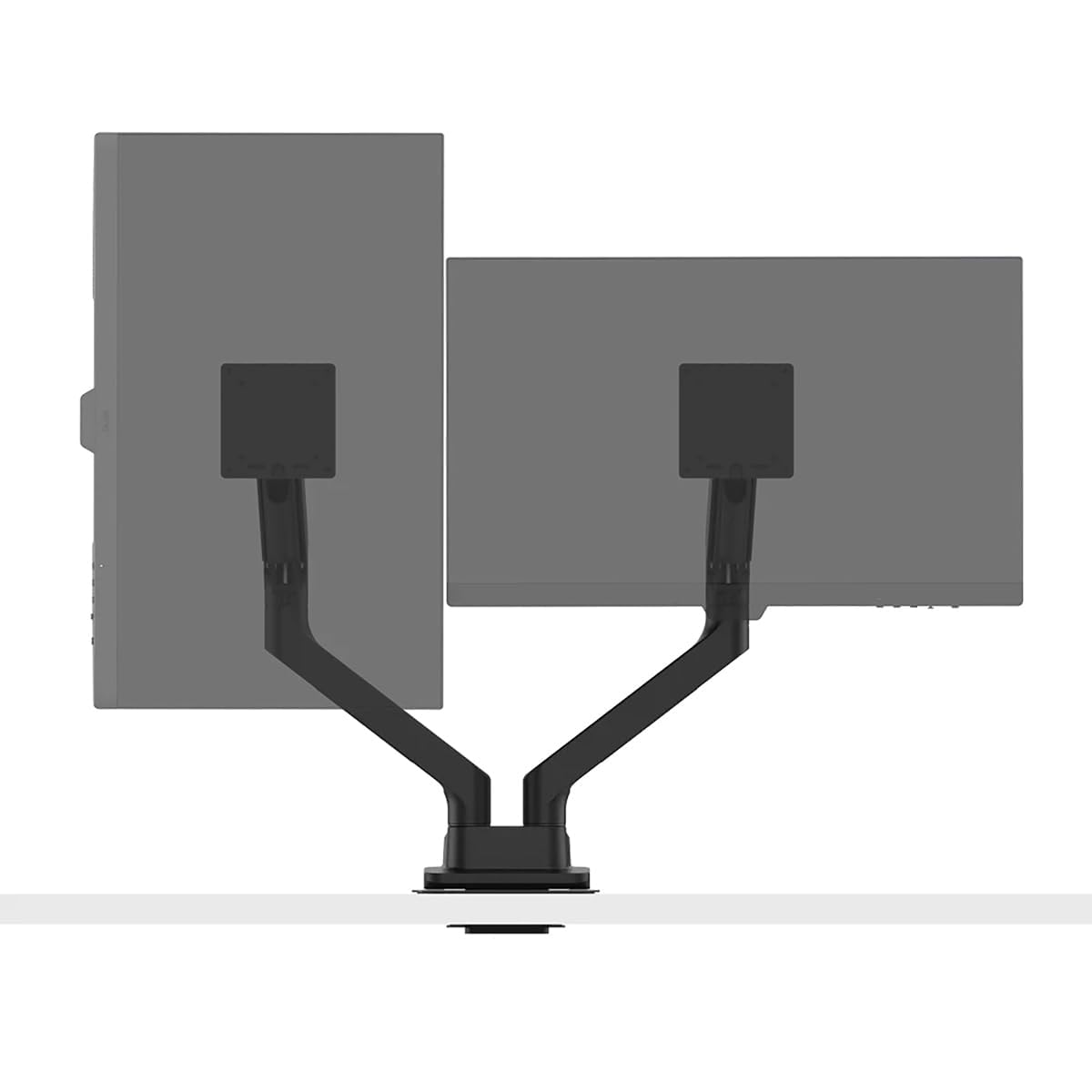
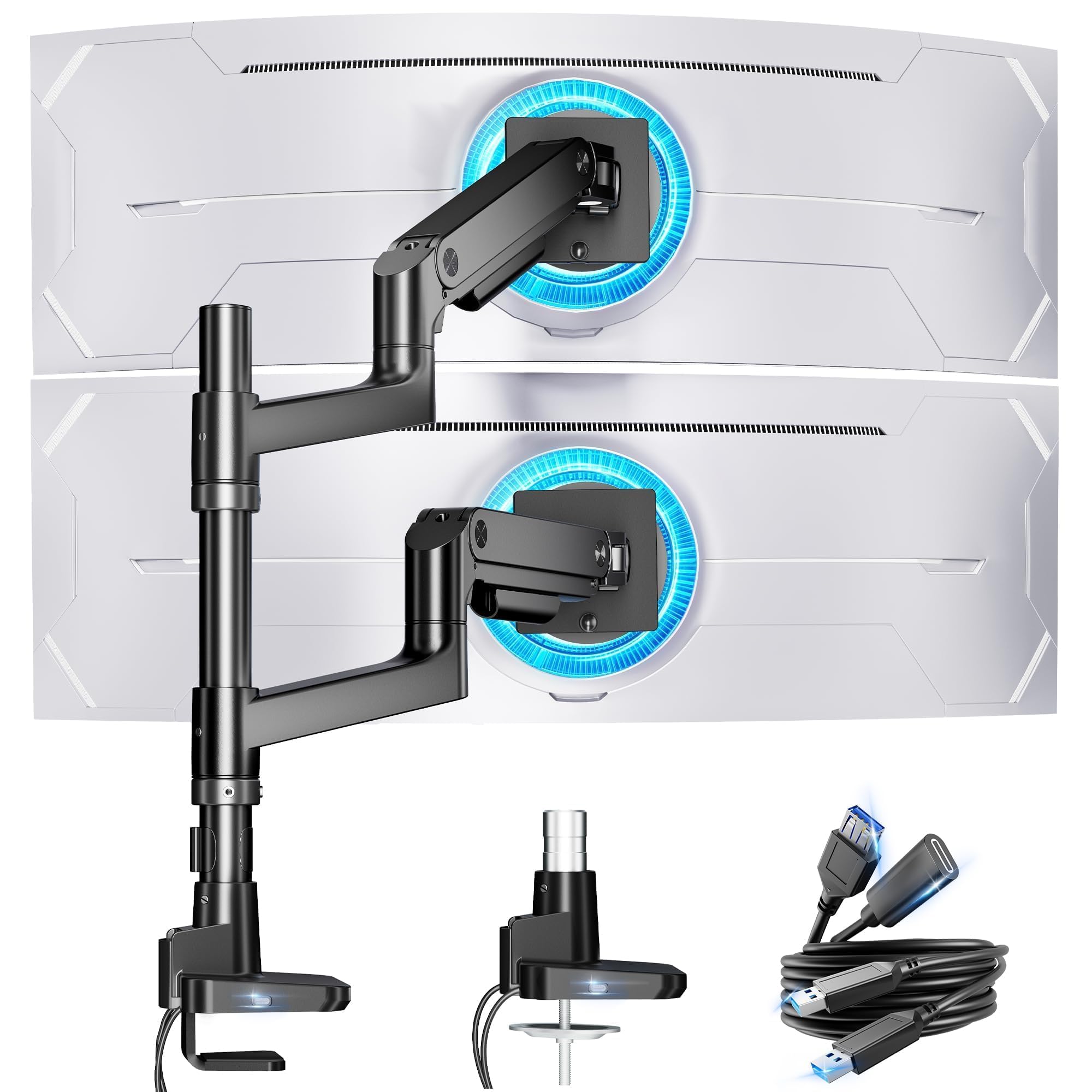

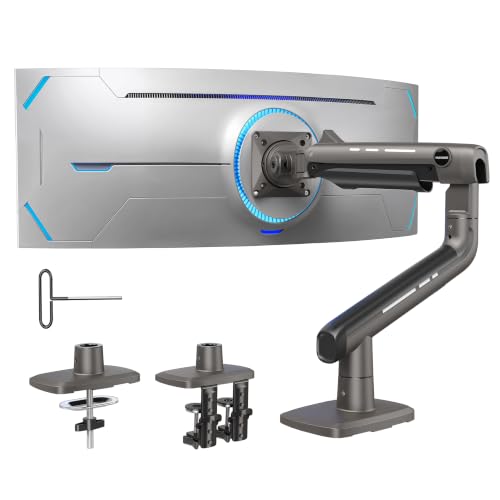

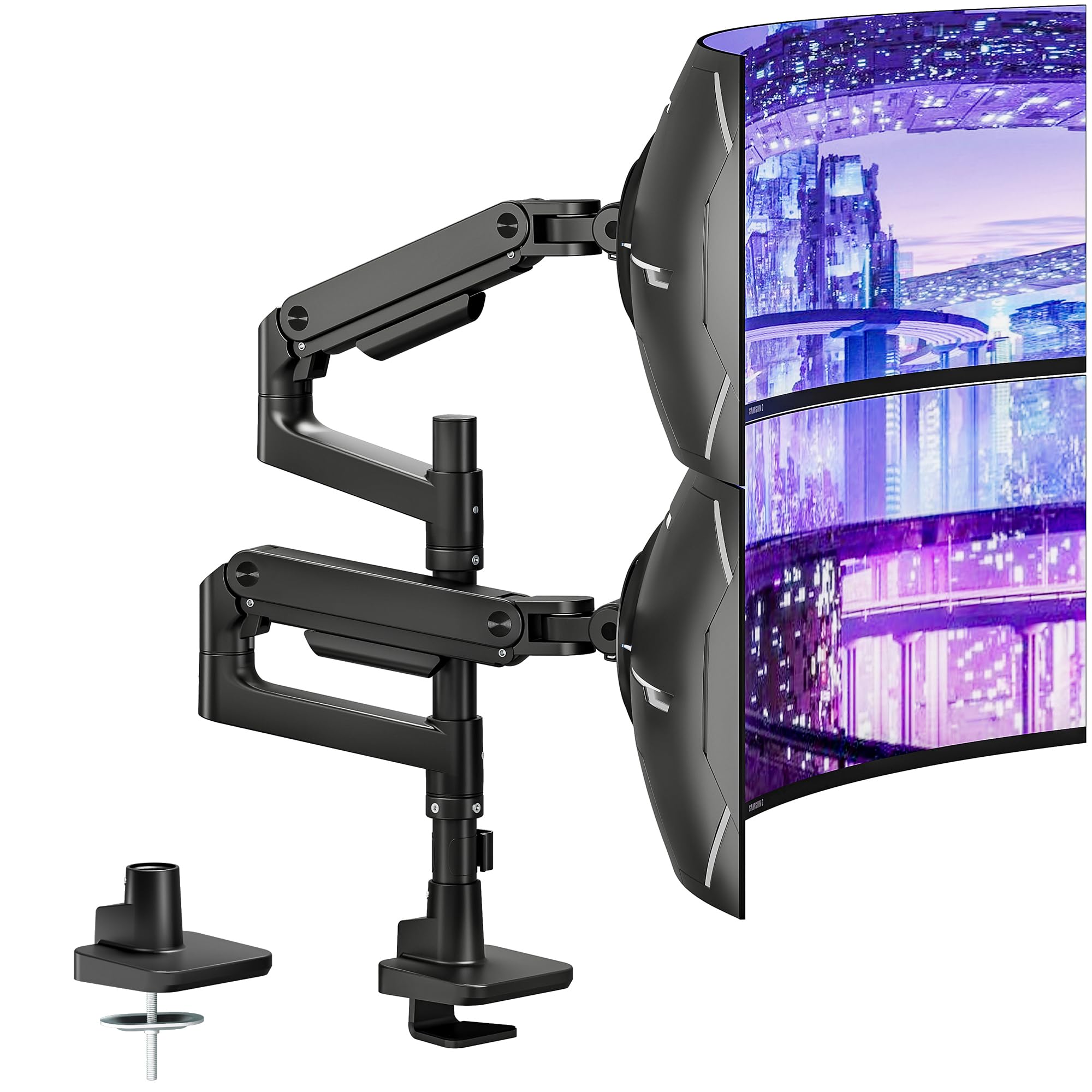

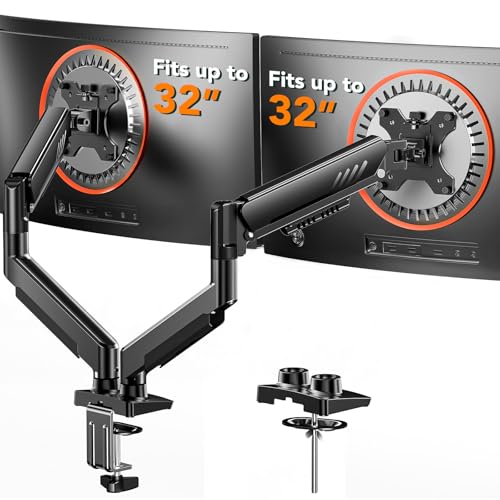

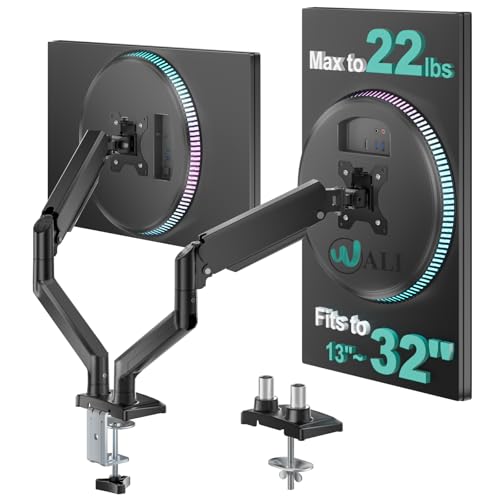
Profiles by Budget
These profiles describe what to buy at each level rather than naming individual models. Match the profile to the gap in your current setup, such as a fixed stand that cannot tilt or a desk too shallow for two separate feet. That way your money solves the exact problem you have.
Budget Profile
The budget profile suits anyone whose monitors already have VESA holes but poor stock stands, with a simple dual arm or two sturdy risers around $40 to $90. It gains you inward angle, height control, and desk space in one step. The limitation is range, since cheaper arms can sag with heavier 27 inch screens and may need occasional tightening to hold an angle all week.
Midrange Profile
The midrange profile suits daily workers and gamers who adjust position often, with gas spring arms around $100 to $200 that move smoothly and stay put. You gain finer tilt control, cable channels, and support for larger panels without drift. The limitation is desk clamping, because these arms need a solid desk edge and enough rear clearance for the screens to angle inward without hitting a wall.
Premium Profile
The premium profile suits large or ultrawide pairs, color critical work, and desks shared by two people, with heavy duty arms or matched monitors around $250 and above. You gain rock solid angle retention, wider swivel range, and panels with consistent color even at an angle. The limitation is simple cost, and the gains matter only if your current setup truly cannot hold position or your panel washes out when viewed off center.
What Your Money Gets You at Each Price Tier
Budget Tier: What to Expect
At the budget tier you are buying basic adjustability, not luxury. Expect tilt, swivel, and height movement with some stiffness, plus fixed feet replaced by a single clamp footprint. For many desks this tier already unlocks the core geometry: screens angled inward about 15 to 30 degrees toward you, meeting near the center. If your monitors lack VESA mounts, budget adapters exist, but check weight limits with care.
Midrange Tier: The Sweet Spot for Most Buyers
Midrange gear removes the daily annoyances of the budget tier. Arms glide instead of sticking, angles survive a bumped desk, and matched 27 inch monitors with thin bezels make the center seam less distracting. Most buyers should stop here, because the ergonomic result equals the premium tier for standard screen sizes. Spend the remaining budget on a deeper desk or a better chair before chasing stronger arms.
Premium Tier: When Spending More Pays Off
Premium spending pays off for 32 inch and larger screens, ultrawide panels, and sit stand desks where arms flex through a wide height range every day. It also pays for panels with excellent viewing angles, so the outer edges of an angled pair keep their color and contrast. If your screens are 24 inch or 27 inch and your desk stays at one height, premium hardware adds polish rather than comfort you can feel.
Features Worth Paying For (and Ones to Skip)
Refresh Rate and Response Time
Refresh rate shapes motion smoothness, not viewing comfort at rest. Office users are well served by 60 Hz to 75 Hz, while gamers gain from 144 Hz or above on the primary screen where fast action lives. The secondary screen can run slower without harming work, which saves money. Response time follows the same logic: prioritize it on the gaming display, and relax about it on the reference display.
Panel Technology (IPS, VA, OLED, Mini LED)
Panel type decides how your screens look from an angle, which is central to a dual setup because the outer screen always sits off axis. IPS panels hold color and brightness best at wide angles, making them the safest default. VA panels offer stronger contrast but can shift color at the edges of an angled pair. OLED gives superb contrast and viewing angles at a premium price, with some burn in risk from static toolbars over long years.
Features That Matter for Dual Monitors
For angles for dual monitors specifically, four specs matter most: thin bezels for a smaller center gap, VESA 100 mounting for arm freedom, wide viewing angles of about 178 degrees, and matched screen sizes so the tops align. Set the primary screen straight ahead at about an arm length, roughly 50 to 70 cm, with the top near eye level. Angle the secondary screen inward so its surface faces your eyes as directly as the primary does, and keep both screens at the same height and tilt. For a fuller geometry walkthrough, see our guide to the best viewing angle for dual monitors.
Stand, Mounting, and Ergonomics
A good stand or arm offers height, tilt, swivel, and pivot without tools, and it holds those settings under the full weight of your screens. Check the stated weight range against your monitor weight without its stock stand, a number many buyers forget to look up. On a sit stand desk, route cables with slack for the highest position, or the cables will pull your careful angle out of place each time you raise the desk. Our guide to the best monitors for dual monitor setups covers stand specs in more depth.
Long Term Costs to Factor In
The purchase price is only part of the cost. Budget for a dual arm if stock stands cannot angle inward, longer display cables for wide setups, and possibly a deeper desk if your screens end up too close to your eyes. Electricity costs stay small for modern LED panels, but two large OLED screens draw more than two modest IPS screens over long workdays.
Also factor in your body. A setup that forces a twisted neck posture for months can cost far more than an arm. If you develop ongoing neck, shoulder, or eye pain, adjust the setup and ask a doctor or a qualified professional about your workstation, rather than pushing through discomfort. Small angle and height changes made early usually prevent bigger problems later.
FAQs
What features matter most in angles for dual monitors?
The features that matter most are VESA mounting, wide panel viewing angles, thin bezels, and a stand or arm with smooth swivel and tilt. Geometry matters more than electronics: primary screen straight ahead, secondary screen angled inward about 15 to 30 degrees, both at the same height. A costly panel on a fixed stand will still force neck turning, while modest panels on good arms feel comfortable all day.
IPS vs OLED: which is better?
IPS is better for most dual desks because it holds color at wide angles, costs less, and carries no burn in worry from static windows. OLED is better for dark room media and gaming, with deeper blacks and fast response, at a much higher price. If your pair mixes work by day and films by night, one OLED primary with an IPS secondary is a sensible balance many buyers overlook.
What size should I get for my room or desk?
Choose size from viewing distance and desk depth. At a typical 60 cm to 80 cm desk depth, matched 24 inch or 27 inch screens fit comfortably and keep both displays in easy view. On a shallow desk under about 60 cm deep, two 24 inch screens angled inward beat two 27 inch screens that crowd your eyes. Measure desk width too, since angled screens need more corner room than flat ones.
How long do they last?
Quality monitors commonly last 5 to 8 years, and good arms often outlast the screens they hold. Backlights dim slowly with age, so two panels bought years apart may no longer match in brightness, which matters for an angled pair you view together. Buying matched screens at the same time, or calibrating both once a year, keeps the pair looking like one workspace for longer.
Is 4K worth it?
4K is worth it on 27 inch and larger screens if you edit photos, read fine text all day, or want crisp detail at close distance. It is less worth it on 24 inch screens, where 1440p already looks sharp and costs less to power. Remember that two 4K screens need a capable graphics output, so confirm your laptop or desktop can drive both at full refresh before you spend. Gamers comparing display choices can start with our guide to the best gaming monitors.
Does refresh rate matter for non gamers?
Refresh rate matters modestly for non gamers, since 75 Hz to 120 Hz makes scrolling and window dragging feel smoother and can reduce perceived eye fatigue for some people. It does not change text clarity at rest, which depends on resolution and scaling. If budget is tight, a non gamer should fund a better arm and an IPS panel first, then consider refresh rate with whatever remains.
Wrapping Up
Get the geometry right first, because inward angle, matched height, and arm length distance cost nothing and deliver most of the comfort. Then let your tier decide how smoothly and firmly your hardware holds that geometry. Check the product table above for arms and monitors that fit your screen size and desk.
Revisit the comparison table above and choose the best angle for dual monitors setup your budget supports without skimping on mounting. If you are comparing complete screen pairs, our guides to best dual screen monitors and best dual computer monitors show how matched models differ.


