
Best Android Smartphones under 300: Budget, Midrange, and Premium Tiers for 2026
Disclosure: We may earn a commission when you buy through links on this page, at no extra cost to you. As an Amazon Associate I earn from qualifying purchases. Learn more

Learn how to choose the best android smartphones under 300 by comparing price tiers, features worth paying for, and long term costs in one clear guide.
The under $300 market is the most confusing part of the Android world, because prices inside it range from barely over $100 to right at the cap, and the extra money does not always buy things you can feel. This guide organizes the best android smartphones under 300 by price tier, so you can see exactly what each step up delivers, what it skips, and where the spending stops being worth it.
Use the comparison table below to spot the tier boundaries, then read on for the features that deserve your money and the ones you can safely ignore.


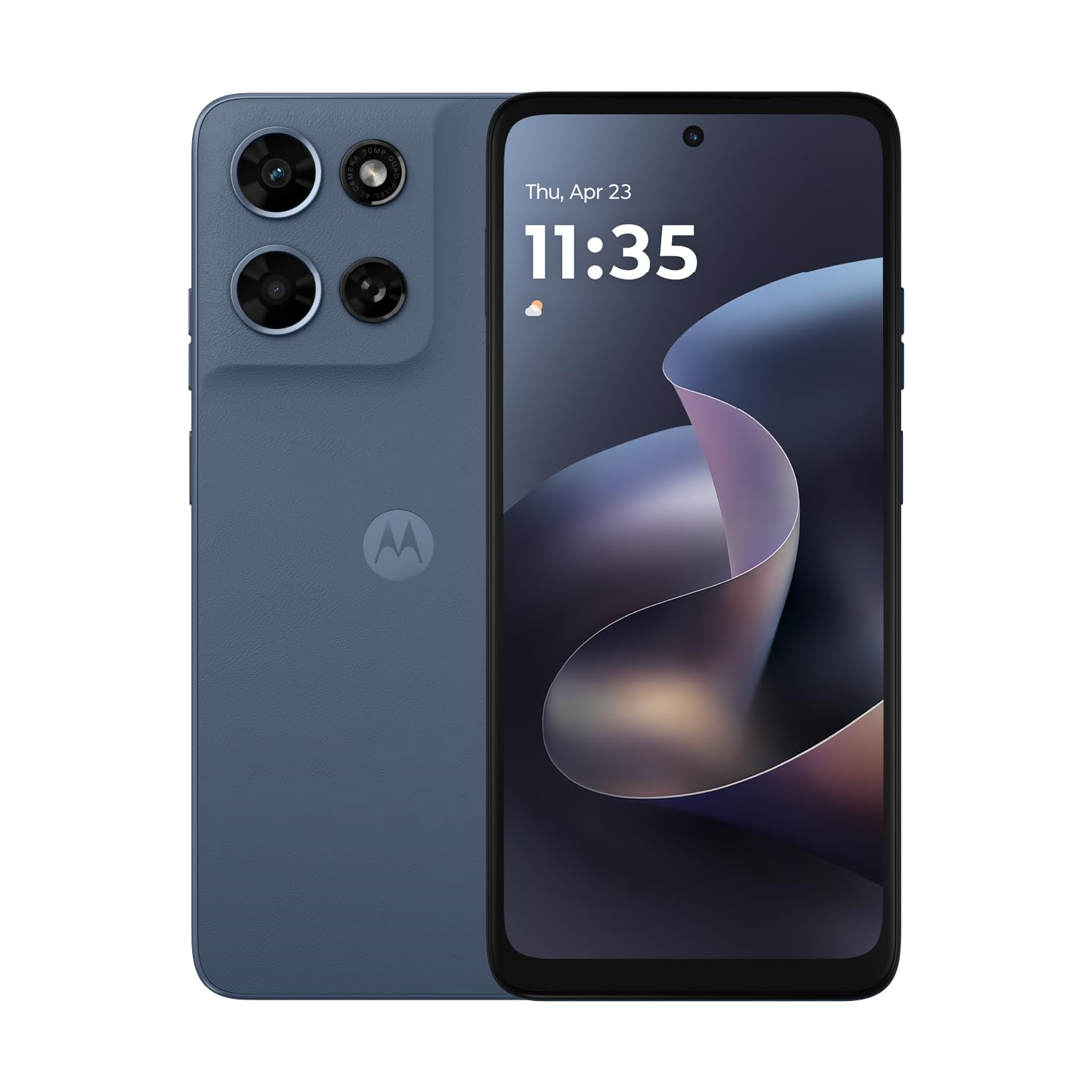


Three Profiles by Budget
Think of this price range as three stacked profiles. Each profile below describes the feature bundle your money should buy at that level, who it fits, and the compromise built into it. Match your habits to a profile first, then shop inside it.
Budget Profile
The budget profile, around $120 to $180, should buy a large battery near 5,000 mAh, a 90Hz display, 128GB of storage, and a clean version of Android with at least three years of security updates. It fits light users, students, and anyone replacing a broken phone without fuss. Day to day messaging, browsing, and streaming feel fine. The compromise is the camera and chip: night photos look soft, and demanding games need low settings. If a model at this level skimps on storage or updates, walk away, because those two specs decide how long the phone stays pleasant.
Midrange Profile
The midrange profile, around $200 to $260, is where most buyers should land. Expect an OLED display at 120Hz, a noticeably faster chip, a main camera with optical stabilization, and faster charging. This profile fits buyers who keep a phone for three years and use it for everything, including photos and casual gaming. The compromise versus the tier above is smaller than the price gap suggests. You give up the very best zoom and the longest update promises, but daily speed and screen quality feel close to premium.
Premium Profile
The premium profile, around $270 to $300, spends the last dollars on refinement: a brighter display, better build materials, an IP67 or IP68 rating on some models, and the longest update window available under the cap. It fits buyers who want one phone to last four years and dislike compromises in feel and durability. The compromise is value per dollar, since each gain over the midrange profile is smaller than the last. Buy this tier for longevity and polish, not for a dramatic jump in everyday speed.
What Your Money Gets You at Each Price Tier
Budget Tier: What to Expect
At the budget tier you get honest basics. Displays are large but often LCD, chips handle daily apps without flair, and cameras lean on good light. Battery life is a genuine strength because modest hardware sips power. This tier suits a second phone, a first phone for a teenager, or a light user who mostly calls, messages, and reads. Spend here only if your use is gentle, and put any leftover budget toward a case and extra storage rather than a slightly faster chip.
Midrange Tier: The Sweet Spot for Most Buyers
The midrange tier is the sweet spot because it fixes the budget tier real weaknesses. OLED screens look far better outdoors, stabilized main cameras handle indoor and evening shots, and chips stay quick for years. Buyers who stream, photograph family events, and multitask daily will feel this tier every day. If you are comparing this group with phones sold under a slightly different name, our guide to the best android phones under 300 lays out the same tiers from the phone angle. For most households, this is the level to buy once and keep.
Premium Tier: When Spending More Pays Off
Spending up to $300 pays off when it buys time: more years of updates, a tougher build, and a camera that stays satisfying as your standards rise. It also pays when you rely on your phone for work, since reliability and a bright screen reduce daily friction. It does not pay if the extra money only buys cosmetic trim or a longer lens list with weak sensors. Judge this tier by update end dates and durability ratings, and consider whether an unlocked model serves you better, as covered in our guide to the best unlocked smartphones under 300.
Features Worth Paying For in the Best Android Smartphones Under 300
Display Size and Quality
Pay for OLED and brightness, not for extreme resolution. An OLED panel at 120Hz transforms scrolling, video, and outdoor readability, and it appears from the midrange tier up. Peak brightness matters if you navigate or photograph outdoors. Size around 6.4 to 6.7 inches balances video comfort with one handed reach for most people. Skip paying extra for resolutions above 1080p at this price, because the battery cost is real and the sharpness gain is hard to see on a phone sized screen.
Carrier Compatibility and 5G
Pay for full US band support and 5G, and skip anything that lacks it. An unlocked phone that covers your carrier bands, WiFi calling, and voice over LTE will hold a signal in more places and stay useful if you switch plans. Imported variants can look like bargains but often miss key bands, which quietly ruins call quality. Confirm the exact variant before buying, and treat clear carrier compatibility language in the listing as a feature worth money, because a phone that drops calls is expensive at any price.
Build, Durability, and Water Resistance
Pay for durability if your phone lives a hard life. An IP67 or IP68 rating protects against rain, spills, and dust, and recent toughened glass cuts crack risk from short drops. Metal frames feel better and flex less than plastic, though a good case matters more than frame material for most drops. At the budget tier, spend on a case and screen protector instead of chasing ratings. At the premium tier, a real water resistance rating is one of the few upgrades that can save you the full replacement cost of the phone.
What You Can Realistically Get Under $300
Under $300 you can realistically get a bright OLED screen, a day and a half of battery life from a cell around 5,000 mAh, a stabilized main camera with a useful night mode, and four or more years of security updates on the better models. You cannot get flagship telephoto zoom, the fastest gaming chips, or premium extras like wireless charging on most models. Do not skimp on storage: 128GB is the floor and 256GB is worth a modest premium. Do skimp on secondary lenses, which rarely earn their cost at this price.
Long Term Costs to Factor In
The sticker price is only part of ownership. Add a case and screen protector at around $20 to $40, and consider the cost of a fast charger if the box includes none, since many makers now sell chargers separately. Storage choices made at purchase cannot be undone on models without a card slot, so buying too little storage can force an early replacement, the biggest cost of all. A phone with a longer update window spreads its price over more safe years, which lowers your true yearly cost. If you are weighing a previous model instead, our guide to the best used smartphones under 300 explains the battery health checks to run first. Warranty length and local repair costs also differ by brand, so factor in how easily a cracked screen can be fixed near you.
FAQs
Can you get a good android smartphone under $300?
Yes, and under $300 is where Android value peaks for most buyers. At this level you can get an OLED display, a stabilized camera, and a chip that stays quick for years. The gap to flagship phones shows up in zoom quality, gaming at maximum settings, and materials, not in daily usability. If your use is calls, apps, photos, and streaming, a well chosen phone here will not feel like a compromise in the first two or three years.
How many years of updates should a phone get?
Aim for at least four years of security updates at this price, and five or more if you plan to keep the phone a long time. The better brands now publish clear end dates, and the premium tier under $300 can reach five to seven years on some models. Security patches matter most because they keep banking and work apps safe. Always verify the promise for the exact model, since policy can differ between a brands budget and midrange lines in the same year.
Should I buy unlocked?
Yes, unlocked is the flexible choice and it is widely available under $300. It lets you change carriers, use local SIM or eSIM options when traveling, and avoid carrier bloatware and locked payment terms. Confirm the unlocked variant supports your carrier bands and WiFi calling before you buy. Carrier deals can undercut unlocked prices during promotions, but compare the full term cost, including plan requirements, rather than the headline monthly price alone.
Do I need 5G?
Yes, 5G should be standard on any phone you buy at this price. US networks are built around 5G now, and a 5G phone keeps better speeds in crowded places and stays relevant as carriers refarm older spectrum. A 4G only model under $300 is usually old stock and a poor buy. Check which 5G bands the phone supports, since mid band support makes the biggest difference to real world speeds in cities and suburbs.
Is a mid range phone good enough?
Yes, a mid range phone is good enough for the large majority of users, and this price range is exactly where mid range lives. Everyday apps, navigation, streaming, and photography all run smoothly, and modern mid range chips age gracefully. You would only feel the limits with heavy gaming, serious mobile photography, or a wish for the finest materials. For everyone else, the savings versus a flagship buy years of service, storage, and accessories.
How much storage do I need?
Start at 128GB and move to 256GB if you record video often, download shows for travel, or keep large games installed. Photos and app data grow steadily, and a nearly full phone slows down and can block system updates. Some models still offer a microSD slot, which helps for media, but apps and system files need internal room. Buying the larger storage option at purchase is almost always cheaper than replacing the phone early because you ran out of space.
Our Verdict
Let the tiers guide you: budget for light use, midrange for the best balance, and premium under $300 for longevity and durability. Spend on updates, storage, display quality, and carrier fit, and skip decorative extras. Chosen that way, the best android smartphones under 300 deliver years of service without flagship money. Compare your finalists in the product table above, check the update end date for each, and buy the one whose tier matches your habits.


