
Best Android Phones without Bloatware in 2026: Which Type Is Right for You?
Disclosure: We may earn a commission when you buy through links on this page, at no extra cost to you. As an Amazon Associate I earn from qualifying purchases. Learn more

Choose the best android phones without bloatware by comparing types on clean software, update length, display, battery and price.
Choosing a clean Android phone feels confusing because makers describe clutter in very different ways, and a phone that looks simple in the store can arrive full of extra apps. The best android phones without bloatware protect your storage and control from the first day, with fewer duplicate apps and fewer alerts you never asked for. Use the comparison table below to match each type to your budget and habits.
This guide compares types rather than naming models. You will see how flagship, compact and camera focused phones handle clean software, and how updates, battery and unlocked status change what clean means daily.

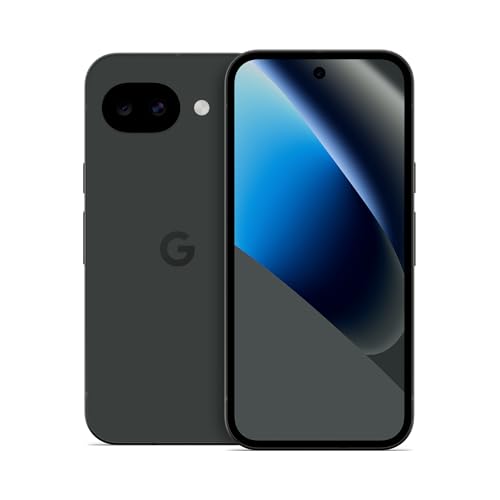


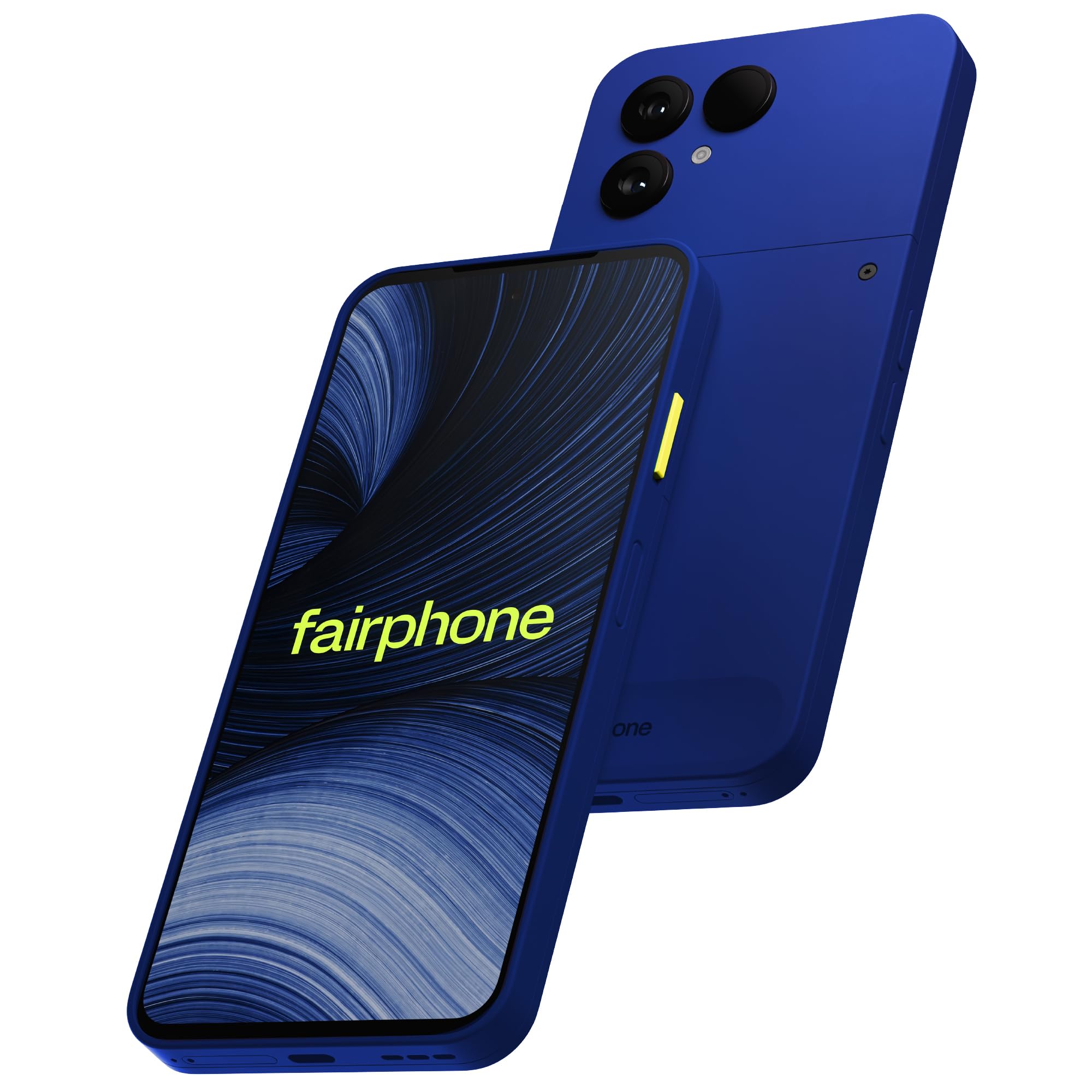


Types of Android Phones Without Bloatware Compared
Clean software shows up in three main types, and each trades size, power and price differently. Start with the type that fits your routine, then check its software details.
Flagship Phones With Clean Software
Flagship phones pair the fastest processors with bright OLED screens, IP68 water resistance and the longest update promises in the category. In clean versions, that power comes without layers of carrier apps or duplicate galleries and stores. Typical prices run about $700 to $1,200. Choose this type if you keep a phone for four years or more, or want strong cameras plus fast charging in one device. If raw speed tops your list, see our guide to the best performing android phones for more on processor tiers.
Compact Phones With Clean Software
Compact phones keep displays near 6.1 inches, so the body fits one hand and slips into small pockets. Clean software helps this type a lot, because a smaller phone has less storage to spare and a smaller battery that extra background apps can drain. Typical prices run about $400 to $700. Choose a compact model if your hands ache with large phones or you type with one thumb. You give up screen room for video, but gain daily comfort.
Camera Focused Phones With Clean Software
Camera focused phones put larger sensors, better lenses and smarter image processing first. Night mode is the clearest example, since clean processing can lift shadows and hold color without forcing extra editing apps onto the phone. Typical prices run about $600 to $1,100. Choose this type if you photograph children, pets or travel scenes most days and want results you can share at once. Plan on generous storage, because high resolution photos and 4K video fill space fast.
Flagship Phones vs Compact Phones: Which Should You Choose?
Size is the first split. A flagship display near 6.7 inches makes maps and documents easier to read, while a compact display near 6.1 inches is easier to reach across with one thumb. Performance is the second split, since flagship processors stay smooth longer, although compact models handle calls, mail and photos well. Battery is the third split, because a larger body holds a larger cell.
Price and comfort decide the rest. A flagship suits you if you value screen room and the longest support window at about $700 to $1,200. A compact model suits you if comfort, pocket fit and a lower price matter more. If price matters more than peak speed, see our guide to the best inexpensive android phones before you settle on a budget.
How to Choose the Right Android Phone Without Bloatware
Once the type is clear, judge every candidate on the same four points below, from display to battery.
Display Size and Quality on a Clean Android Phone
An OLED panel gives deep blacks and strong contrast, and it uses less power when you read with a dark background. A refresh rate of 120 Hz makes scrolling feel smoother than the older 60 Hz standard, although it draws a little more battery. Outdoor brightness matters too, because a dim screen is hard to read on a bright sidewalk. Pick a larger panel if you read and watch video often, and a smaller one if grip comes first.
Clean Software and How Long Updates Last
Update support tells you how long a clean phone stays secure and current. Count both major Android version upgrades and security patches, because patches protect banking and mail long after new features slow down. Support windows range from about two years on low cost models to about seven years on leading flagships. Choose at least four years of patches if you keep phones a long time, since a phone without patches should be replaced.
Battery Life and Charging on a Clean Android Phone
Battery capacity here usually runs from about 4,000 to 5,500 mAh, with compact phones at the low end and large flagships at the top. A bigger number helps, but screen size and refresh rate decide how fast that charge is spent. Fast wired charging can refill roughly half the battery in about 30 minutes on many models, while wireless charging is slower but convenient. Choose capacity first if you work away from outlets.
Why Choose an Android Phone Without Bloatware
Bloatware means apps placed on the phone before you buy it that you did not choose, including carrier tools, maker duplicates and sponsored games. Some can be uninstalled, some can only be disabled, and a few cannot be removed at all. A clean phone leaves more storage open and shows fewer unwanted alerts. That is why the best android phones without bloatware suit buyers who want the phone to stay out of the way. The trade off is real, though, since a plain system may lack a maker extra you liked.
Picking the Right Clean Android Phone for Different Uses
How you buy the phone changes its software almost as much as which type you pick, and decides how much clutter arrives on day one.
Best Unlocked Android Phones Without Bloatware
An unlocked phone is sold free of a single carrier contract, and models bought direct from the maker usually carry the least added software. Carrier versions often add carrier apps and games during setup. When you shop unlocked, check that the phone supports the bands your carrier uses and confirm it works with your current SIM or eSIM before you pay. Unlocked buying also lets you change carriers later without replacing the phone.
Setup and Care Tips for a Clean Android Phone
Your first setup hour decides how clean the phone stays. Decline optional app offers, skip trials you will not use, and review each pre installed app once the home screen appears. Uninstall what you can, disable what you cannot remove, and turn off alerts for apps you rarely open. Once your home screen is clean, see our guide to the best widgets for android phones to add only the shortcuts you truly use.
Care is simple but steady. Fit a case and a screen protector before the first outing, because a cracked screen ends a clean software experience fast. Install updates promptly, back up photos before storage fills, and avoid charging in extreme heat, such as a closed car in summer, since heat ages the battery.
Common Mistakes to Avoid
These errors are easy to make and slow to undo after a switch.
- Assuming every version of a phone is equally clean leaves you with carrier apps you never checked for before buying.
- Ignoring the update window leaves you with a phone that loses security patches while it still feels fast.
- Choosing the smallest storage size leaves you deleting photos within a year as apps and video grow.
- Disabling system apps at random leaves you with broken alerts, failed updates or a camera that will not open.
- Skipping a backup before you switch phones leaves you rebuilding a clean setup from memory under time pressure.
Frequently Asked Questions
Do I need 5G on an Android phone without bloatware?
Yes, most buyers should choose 5G on an Android phone without bloatware, because new phones are built for it and coverage keeps growing. The useful check is local, so look at your own street and workplace on a carrier coverage map before you pay extra for a plan. A phone hunting for a weak 5G signal can also use more battery in rural areas.
Should I buy an unlocked Android phone to avoid bloatware?
Yes, buying unlocked is the most reliable way to cut bloatware, because carrier added apps are the largest single source of clutter. An unlocked phone also tends to hold better resale value, since the next owner can use it on more networks. Before you buy, check the exact model number against your carrier list of supported devices, because band support varies between versions.
How many years of updates should an Android phone get?
An Android phone should get at least four years of security patches, and five to seven years is now realistic at flagship prices. One point update charts rarely show is app support, since banking apps quietly drop old Android versions over time. If two phones cost a similar amount, the one with extra years of patches is usually cheaper to own.
How much storage do I need on an Android phone?
Most buyers need 256 GB on an Android phone today, even though 128 GB works for light use. Video drives the difference, since one minute of 4K recording can take several hundred megabytes, and one holiday can add tens of gigabytes. Cloud backup helps, but you still need local space for apps and downloads. If you film often, treat 256 GB as the floor.
Is a mid range Android phone good enough without bloatware?
Yes, a mid range Android phone is good enough for most people when its software is clean, because a plain system makes modest hardware feel faster. Calls, mail, maps and streaming all run well at this level. The limits appear with heavy 3D games and long video editing, which stay with flagships. Spend the savings on storage or a longer update window instead.
Final Thoughts
Match the type to your hands and habits first, then judge clean software, update length and battery before you compare prices. A flagship rewards long ownership, a compact phone rewards comfort, and a camera focused phone rewards people who shoot every day.
When you compare best android phones without bloatware with those points in mind, use the product table above to confirm storage, size and price. Choose the simplest phone that meets your needs, keep its software tidy from day one, and it should stay fast and secure for years.


