
Best Android Phones with Good Battery Life in 2026: Matching the Right Phone to Your Routine
Disclosure: We may earn a commission when you buy through links on this page, at no extra cost to you. As an Amazon Associate I earn from qualifying purchases. Learn more

Match the best android phones with good battery life to your routine, comparing cell size, screen drain, charging speed and durability before you buy.
There is no single battery champion that suits every owner, because a courier on the road all day drains a phone very differently from someone who works beside a desk charger. The best android phones with good battery life for you depend on your routine: how much screen time you use, how often you can charge, and how hard your work is on a handset. This guide starts with your day, then matches the battery features to it.
Three things decide whether a phone lasts: the size of its cell measured in milliamp hours, how much power its screen drinks, and how quickly it refills when you do plug in. The comparison table below lists the models worth a look, and the sections that follow sort them by the kind of day you actually live.


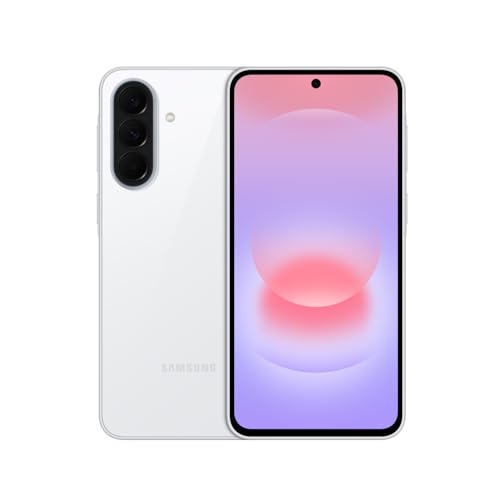
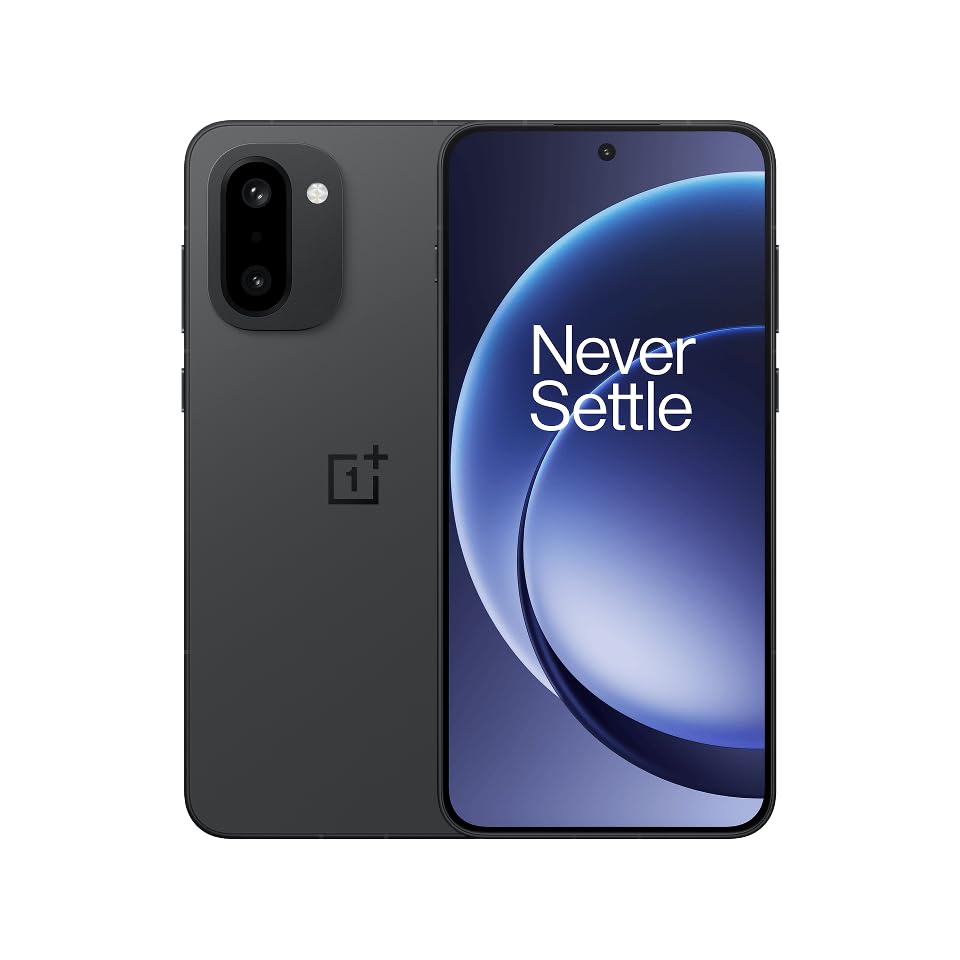
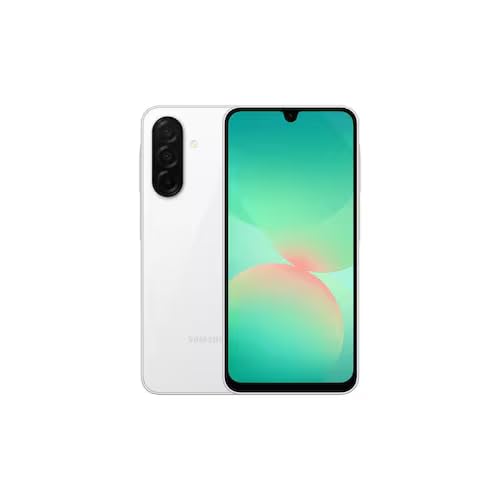


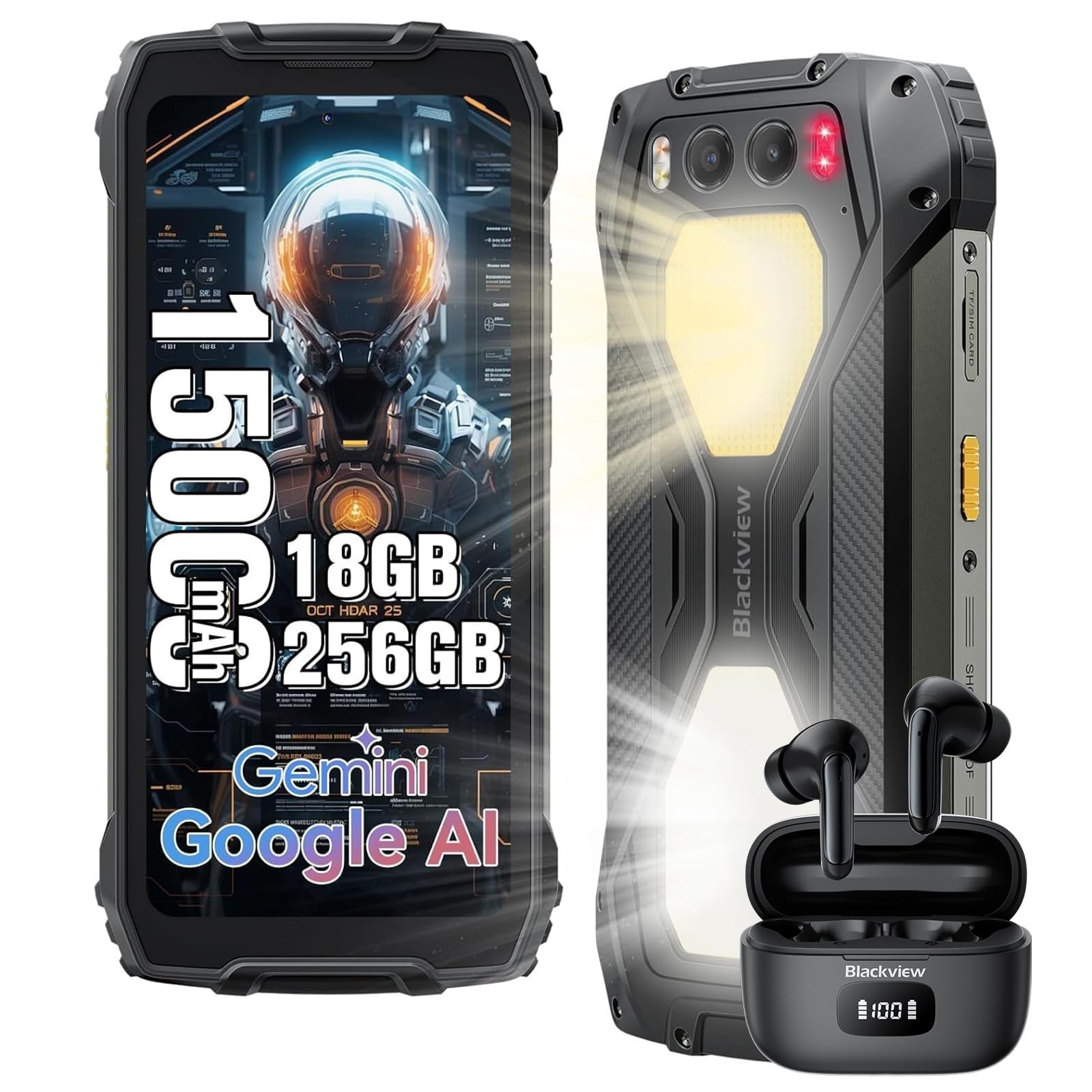
Who Should Buy Which Android Phone?
Battery needs follow your schedule more than your budget. Read the three routines below and find the one that sounds like your week, then use its feature list when you compare models.
For Value Seekers
If you want two days of use without paying flagship prices, look at mid range phones with cells of about 5,000 mAh or more and modest screens. This tier often outlasts pricier phones, because its chips are tuned for efficiency rather than raw speed. You still get a bright OLED screen and a capable camera, so the compromise is small. Shoppers weighing stamina against camera strength should also read our guide to the best phones with camera and battery life, which covers that balance in depth.
For First Time Buyers
A first smartphone should be simple, forgiving and hard to kill by accident. Choose a phone with a large battery, a clear battery health screen in the settings, and charging that does not need special cables or bricks. Avoid chasing the thinnest design, since slim bodies leave less room for the cell. A mid priced model with about 5,000 mAh and standard USB C charging gives a new owner one less thing to think about each day.
For People Who Want the Best Performance
Heavy users who game, film video and hot spot a laptop all day need more than a big number on the box. You want a large cell paired with an efficient flagship chip, plus fast wired charging for short top ups between tasks. This is also where the best android phones with long battery life earn their premium, since their power management squeezes more hours from the same capacity. Expect to pay more, and expect the phone to feel warm during long gaming sessions.
Choosing an Android Phone for Your Situation
Fast Top Ups When You Charge
The best android phones with battery life and charging strengths pair a generous cell with quick refill speeds, and that pairing matters if your routine has gaps rather than long stops. Check the charging wattage, because a phone that refills half its battery in about 30 minutes suits drivers and field workers better than a slightly larger cell that charges slowly. Confirm whether the fast charger comes in the box or sells separately, since that changes the real cost.
Built to Survive Drops and Weather
The best android phones for battery life and durability add sealed bodies and tough glass to the big battery brief. Look for an IP68 rating if you work outdoors, since it signals the phone can shrug off rain and dust that would age an unsealed battery door. A raised lip case helps more than any spec here. Rugged models trade slim looks for bumpers and thicker frames, which is a fair swap when your phone rides in a tool belt all week.
Key Features to Compare
Spec sheets list dozens of numbers, but four decide how a battery phone behaves in your pocket: the cell size, the screen, the charging speed and what sits around them. Compare these first, and treat the rest as tie breakers.
Battery Size in Milliamp Hours
Cell size governs battery life more than any other single figure, so read the milliamp hour rating as your starting point. Most phones sit between about 4,500 and 5,500 mAh, and each extra 500 mAh roughly adds an hour or two of screen time in mixed use. Bigger is not free, since a larger cell means a heavier, thicker phone. A sealed cell is standard now, though our guide to best android phones with removable batteries covers the shrinking group that still lets you swap a fresh cell in seconds.
Display Size and Quality
Read the display as a drain decision, because the screen is usually the biggest single power draw in the phone. A 6.7 inch OLED panel at full brightness outdoors can use twice the power of a smaller screen at half brightness indoors. A 120Hz refresh rate feels smooth but costs charge, and many phones let you drop to 60Hz to stretch a long day. OLED panels save power on dark screens, since black pixels switch off, so dark mode genuinely helps on this panel type.
Charging Speed in Watts
Read charging speed as a watt figure, because watts decide how much of the battery returns during a short plug in. Standard charging around 15 to 25 watts refills a large cell in roughly two hours, while fast systems at about 45 to 65 watts can restore half the battery in about 30 minutes. Wireless charging is convenient on a desk but slower and warmer, which is not ideal for battery health over years. If you charge overnight only, raw speed matters far less than capacity.
Processor and Everyday Performance
The processor shapes efficiency as much as speed. Newer mid range chips finish tasks quickly and return to idle, which saves power across a day of short jobs. Older or hotter chips can waste charge as heat during navigation and video calls. RAM of about 8GB or more keeps apps loaded so the phone reloads them less often, and for battery first buyers, a calm efficient chip beats a flagship chip throttled by its own heat.
Carrier Compatibility and 5G
An unlocked phone that fully supports your carrier bands holds a signal with less effort, and a phone hunting for signal drains its battery fast. Check that the model covers your carrier 5G bands before buying, especially on imported models. Weak signal areas are a hidden battery cost no spec sheet lists. If you work in a rural dead zone, a phone with strong radios matters more than a small bump in cell size.
Common Mistakes to Avoid When Buying
- Judging battery life by the price tag, when many mid range phones outlast flagships thanks to efficient chips and modest screens.
- Ignoring display size and brightness habits, then blaming the battery when a huge bright screen drains the cell by mid afternoon.
- Buying a phone with a small battery because it feels light, when your routine has no charging breaks until late evening.
- Skipping the charging wattage, so a big battery takes hours to refill and never reaches full before you leave home.
- Forgetting to check the warranty and battery replacement cost, which decides what a worn cell costs you in year three.
Care and Maintenance Tips
Battery habits add up over the life of the phone. Use a case and a screen protector so one drop does not retire a healthy handset early. Keep software updated, because updates often include power management fixes, and avoid charging in extreme heat, such as on a sunny dashboard, which ages the cell quickly.
Built in tools help as well: our guide to the best battery saver for android phones explains the settings that stretch a low charge. For travel days, our roundup of the best battery backup android phones covers power banks and backup options that keep you running away from sockets.
Android Phones: Your Questions Answered
How much storage do I need on a battery focused Android phone?
For most people 128GB is enough, and 256GB suits anyone who films a lot of video. Storage itself barely affects battery life, but a nearly full phone works harder and can feel slower. Offline maps, music and films for travel are the main space eaters on long days away from WiFi. If you shoot 4K video on trips, choose 256GB so you are not deleting clips each night to free room.
Should I buy an unlocked Android phone for battery life?
Yes, unlocked is usually the better route, and it can help battery life indirectly. Carrier models sometimes carry extra apps that run in the background, while unlocked phones tend to run leaner software and get updates sooner. You also keep the freedom to move to a carrier with a stronger signal at home, which reduces the power wasted hunting for coverage. Just confirm the unlocked model supports your carrier bands before ordering.
Do I need 5G if I care about battery life?
You do not need 5G purely for battery life, and in weak coverage areas 5G can use slightly more power than 4G. In strong coverage areas the difference is small, and 5G finishes downloads faster so the radio returns to idle sooner. Most current phones let you limit the connection to 4G in the settings, which is a handy switch for rural trips. Choose the phone for its cell and screen first, then treat 5G as a bonus.
How many years of updates should a phone get?
Look for at least four years of security updates, because a phone you keep longer stays safer and its battery software keeps improving. Some flagship lines now promise up to about seven years, while budget models may stop at two or three. Update support also protects resale value. Since battery focused buyers often keep phones until the cell wears out, a long update window and an affordable battery replacement plan are worth weighing together at purchase.
Is a mid range phone good enough for long battery life?
Yes, and mid range phones are often the best battery buys of all. Their chips sip power, their screens are bright enough without being extreme, and many carry cells of about 5,000 mAh or more. You give up the fastest charging tiers and the most advanced cameras, plus shorter update windows on some models. For a buyer whose top priority is reaching bedtime with charge to spare, that trade is usually the right one.
The Bottom Line
Match the phone to your routine first: a big cell for long days away from sockets, fast charging for short stops, and a screen size you can live with at sensible brightness. Check the product table above for the models that fit your group, and remember that the best android phones with good battery life are the ones still running when your day finally ends. Prioritise the milliamp hour figure, the charging wattage and the update window, in that order.


