Best Android Phones with Stylus: A Buyer Checklist for 2026
Disclosure: We may earn a commission when you buy through links on this page, at no extra cost to you. As an Amazon Associate I earn from qualifying purchases. Learn more

Compare the best android phones with stylus by pen type, pressure levels, screen size, battery life, and price, with a simple checklist for note takers.
A stylus changes how a phone feels day to day, but only when the pen, the screen, and the software work together. This checklist walks you through the best android phones with stylus by starting with the pen itself, then moving to pressure feel, screen room, battery, and price. Work through each box in order and you will know which class of phone fits your handwriting, sketching, and signing habits.
Prices spread widely, from budget phones that accept a separate pen to premium phones with a pen built into the body. The comparison table below lines up the main classes side by side.

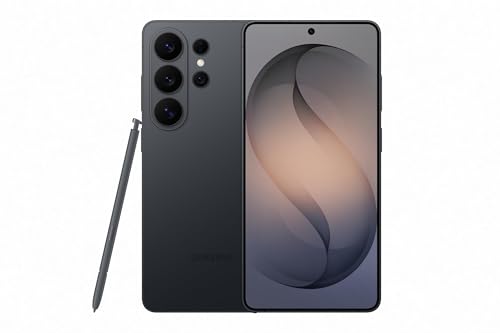


Start With the Pen: Built In or Separate
One point decides most of the experience, so state it plainly: the pen class governs the stylus class. A built in pen slides into a slot in the phone body, which means it is always with you, pairs the moment you pull it out, and unlocks the deepest note features. A separate pen is bought apart from the phone, costs far less to replace, and can add basic writing and tapping to a much cheaper phone.
Pens also split by how they talk to the screen. Active pens carry electronics, sense pressure, and rest on the glass with a fine point, while passive pens are simple conductive tips that behave like a finger. If you lose or wear out a separate pen, our guide to the best stylus pen for android phones explains how to match a replacement pen to your screen type.
Key Features of the Best Android Phones with Stylus
Pressure Levels and Writing Feel
Pressure sensitivity is best read as a levels class. A passive pen reports no levels at all, so every stroke comes out the same width no matter how hard you press. Active pens commonly report about 4,000 to 8,000 levels, which lets a light touch draw a hairline and a firm press lay down a bold stroke. Sketchers should treat the higher levels as the real dividing line between classes.
Palm rejection matters just as much for long sessions. Phones built around an active pen ignore the side of your hand resting on the glass, so you can write in a natural position. Without it, you hover your hand and tire quickly.
Screen Size and Room to Write
Read screen size as a note class, not just a viewing spec. A display of about 6.7 inches or more gives your hand room to form letters without constant scrolling, and it leaves room for a note window beside a document. Smaller screens suit quick lists and signatures, but long meeting notes feel cramped within a page or two.
The home screen setup changes daily use more than most buyers expect. Our guide to the best widgets for android phones shows how to keep a note pad one tap from the lock screen, and a calm background from the best wallpapers for android phones keeps handwritten lists readable.
Battery Life and Charging
Most stylus phones carry batteries of about 4,500 to 5,500 mAh, and ordinary note taking drains very little of that charge. The real drains are the bright, large screens these phones tend to ship with, plus long camera or video sessions. If you write through a full workday away from a desk, favor the larger battery class over a small gain in thinness.
Charging speed splits the classes cleanly. Premium phones often refill half the battery in about half an hour, while budget phones may need close to two hours for a full charge. A phone that tops up quickly suits field work better than one with a slightly bigger battery and slow charging.
Performance, Storage, and Updates
Everyday note apps run well on almost any current processor, so performance only becomes urgent when you game, edit video, or keep many apps open at once. Readers who want that headroom can compare the best performing android phones to see what the fastest class adds. For storage, 128 GB covers notes, photos, and apps for most people, while 256 GB suits heavy photo and video use.
Software support quietly decides how long the phone stays pleasant. Look for a stated window of system and security updates, because a phone that stops receiving them becomes a risk for banking and work accounts long before the hardware wears out.
Camera System and Build Quality
Cameras follow the price classes closely. Premium stylus phones add a telephoto lens and stronger night mode processing, mid range phones cover the main and ultrawide lenses well, and budget phones lean on a single main lens. If you photograph whiteboards and documents, a sharp main lens and steady autofocus matter more than extra lenses you will rarely open.
For build, an IP68 rating means the phone is sealed against dust and can survive immersion in shallow water for a short time. Toughened glass and a case matter more for drops than any frame marketing name.
What the Price Bands Get You
The best android phones with stylus sit in three broad price bands. Budget phones at about $150 to $300 accept a separate pen and cover lists, signatures, and light notes well. Shoppers in this band can also scan the best inexpensive android phones to see how much phone the lowest prices buy.
Middle class phones at about $300 to $600 improve the screen, the cameras, and the update window, and a few include an active pen in the box. This is the band where palm rejection and real pressure levels start to appear, so it suits students and professionals who write daily but do not need the fastest processor.
Premium phones at about $700 to $1,200 carry the built in pen, the brightest screens, and the longest update windows. You pay for the pen slot engineering and the flagship camera system. If your notes are central to your job, this class removes the friction cheaper classes leave in place.
Matching a Phone to Your Stylus Habits
Best Android Phones with a Stylus
The small word a hides a real buying question: some phones ship with a stylus in the box, while others merely work with one you buy later. Phones sold with a stylus included almost always pair it with palm rejection, a notes app that opens when the pen comes out, and pressure levels tuned to that exact screen. If handwriting is your main reason for buying, choose a phone where the pen is part of the package rather than an afterthought.
Quick Notes, Lists, and Signatures
Light users need responsiveness more than pressure levels. Any phone that wakes the note app quickly and keeps the pen stroke close to the tip will feel good for shopping lists, quick sketches, and signing forms. A separate passive or basic active pen is enough here, which keeps the total cost low.
Sketching and Document Markup
Heavy pen users should filter hard on three points: pressure levels in the thousands, palm rejection that works in their main apps, and a screen large enough to show a full document page. Artists also lean on tilt support, so check that both the pen and screen list it before you buy.
Quick Buyer Checklist
- Does the pen live inside the phone, or will you carry it separately?
- Does the pen report at least about 4,000 pressure levels?
- Can you rest your palm on the screen while writing?
- Is the screen about 6.7 inches or larger for long notes?
- Does the battery reach about 5,000 mAh for full days out?
- Is the update window stated in years, not left vague?
- Does the total price include a case and a spare pen or nibs?
Red Flags to Watch For
- A listing that claims stylus support but never names pressure levels usually means a passive pen with finger like strokes.
- A pen sold separately with no stated compatibility list can fail to pair or lose pressure features on your exact phone.
- Missing water resistance on a phone marketed for field work leaves it exposed to rain and site dust.
- A short or unstated update window can strand the phone on old security patches within two years.
- Very low prices with flagship words and no support channel often mean no warranty path when the screen fails.
Setup and Care Tips
Fit a case and a screen protector on day one, because a stylus concentrates pressure on one small point of the glass. Keep a spare nib in your bag, since a worn tip makes strokes feel gritty. Store a separate pen in the case loop so it is not lost in the first month.
Keep software updated so note apps and pen drivers stay matched, and avoid charging in extreme heat, which ages the battery faster. Clean the pen tip with a dry cloth when strokes start to skip.
Stylus Phone Questions Answered
How many years of updates should a stylus phone get?
Look for at least three years of system updates and four to five years of security updates. Security updates matter most, because they keep banking, email, and work apps safe after the new features stop arriving. A phone with a long stated window also holds resale value better. If the listing does not state a window at all, treat that silence as a short window and price the phone accordingly.
Should I buy an unlocked stylus phone?
Yes, an unlocked phone is the safer buy for most people. It works with any carrier that supports its bands, so you can switch plans or travel without replacing the phone. Unlocked phones also receive updates from the maker rather than waiting on a carrier schedule. Before you buy, confirm the phone lists the bands your carrier uses, especially if you plan to use it in another country.
How much storage do stylus phone users need?
Most users are fine with 128 GB. Handwritten notes and marked up documents take very little space, often only a few megabytes each, so storage fills up with photos, offline video, and games instead. If you shoot a lot of 4K video or keep large game libraries, step up to 256 GB. A card slot, where offered, is a cheap way to hold photos while internal storage stays free for apps.
Does a stylus phone need 5G?
No, a stylus phone does not need 5G for note taking. Note apps sync small files and work smoothly on older networks, and handwriting happens on the device itself. 5G earns its cost when you upload large videos, share a hotspot with a laptop, or work in crowded areas where older networks slow down. If your area has weak 5G coverage anyway, a strong 4G phone is the smarter spend.
Is a mid range stylus phone good enough?
Yes, for most writers a mid range stylus phone is good enough. Handwriting feel depends on the pen class and palm rejection far more than on the fastest processor, and mid range phones now include both. You give up the brightest screens, the best night cameras, and some update years compared with premium phones. If your pen work is notes and markup rather than layered art, the middle class covers it fully.
Final Thoughts
The pen comes first: choose the built in or separate class, confirm real pressure levels and palm rejection, and then check screen room and battery. Compare your shortlist against the product table above, and the best android phones with stylus for your habits will usually stand out clearly. Prices and availability can change, so check the product page before ordering.