Best Android Phones with Stock Android by Budget: Smart Picks for 2026
Disclosure: We may earn a commission when you buy through links on this page, at no extra cost to you. As an Amazon Associate I earn from qualifying purchases. Learn more

Compare the best android phones with stock android by budget, with clear guidance on updates, OLED screens, battery size, 5G bands and total ownership costs.
Prices for clean Android phones run from under $200 to well over $800, and the gap buys very different things. The best android phones with stock android give you a simple interface, few duplicate apps and updates without a long wait. The comparison table below shows where your money changes daily use.
This guide is organized by budget first, because that choice shapes every other one. You will see what each tier usually includes, which features deserve extra money and which ones you can skip.

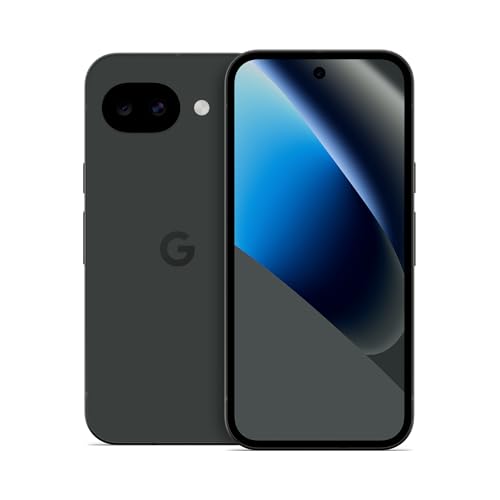


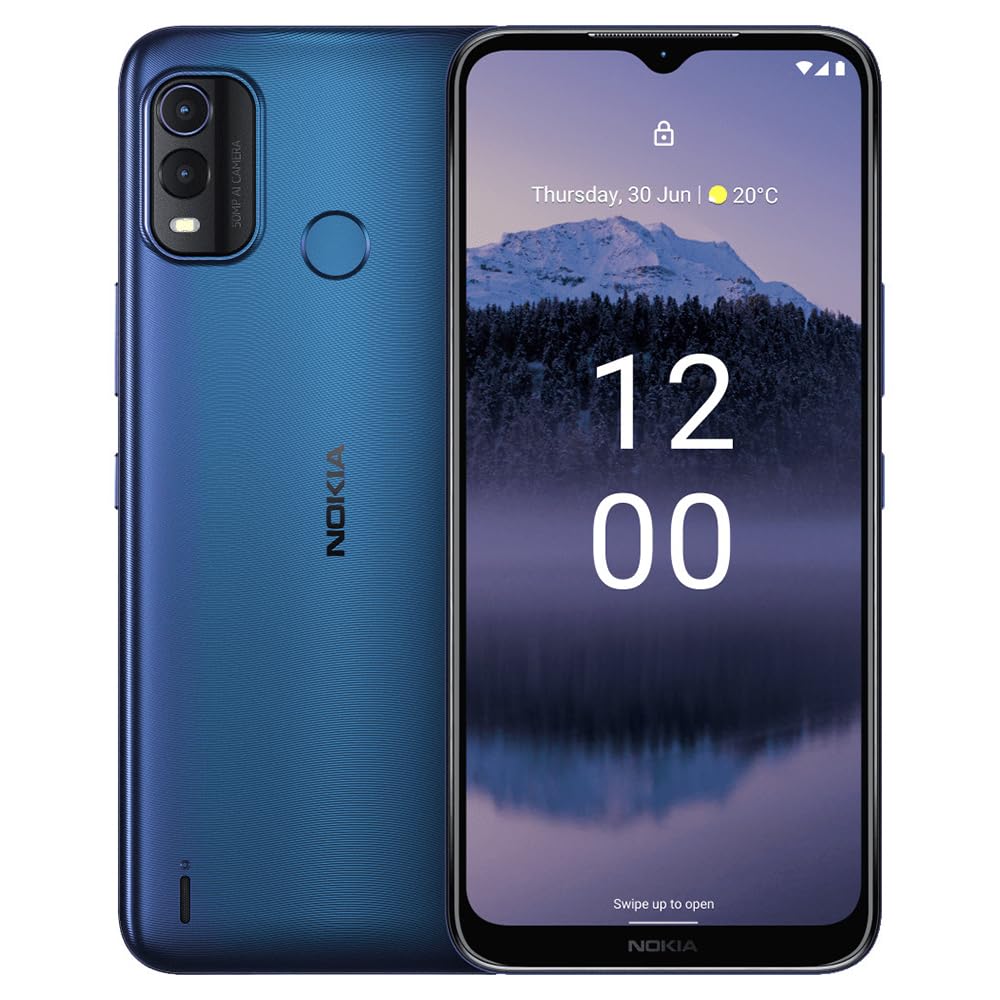
Who Should Buy a Phone That Runs Clean Android?
Stock Android suits people who value a calm screen and predictable behavior over extra built in tools. Your habits below point to the tier that fits you best.
Light Users Who Want a Simple Phone That Stays Responsive
You call, message, browse, take casual photos and use a few apps each day. A budget model with a clean interface can feel quick for this work because little extra software runs in the background. Choose enough storage for photos, a bright screen for outdoor reading and a battery that ends the day with charge left.
Long Term Owners Who Keep a Phone for Several Years
You replace a phone only when it slows down or stops receiving security fixes. For you, update length matters more than a small camera gain, and years of patches protect banking and work apps. If raw speed is your main priority, see our guide to the best performing android phones for a performance focused comparison.
Photo and Video Fans Working Within a Set Budget
You care about reliable photos at family events and evening meals, but you still have a firm spending limit. Clean Android helps because the camera app stays simple and processing stays consistent from shot to shot. Spend first on camera hardware and storage, then on extras such as wireless charging only if money remains.
What Each Price Tier Buys in Clean Android Phones
Each tier below describes what phones at that level usually offer in the US market. Treat the prices as guides, because sale prices move often.
Budget Tier: Core Needs Covered for Less Money
Phones at about $150 to $300 cover calls, messaging, maps, video and light games without trouble. Expect a large LCD screen or a basic OLED panel, a battery around 5000 mAh and slower charging. Cameras handle daylight well but struggle in dim rooms. If this level fits you, see our guide to the best inexpensive android phones.
Middle Tier: More Speed and a Better Screen for Most Buyers
Phones at about $300 to $600 add the upgrades most people notice every day. You typically get an OLED screen with a 120 Hz refresh rate, a faster processor, more memory and quicker charging. Cameras gain better night mode results, and update promises usually grow longer. For most buyers, this tier balances price, speed and support best.
Premium Tier: Extra Camera and Build Features for Demanding Users
Phones at about $600 to $1000 add stronger camera systems, brighter screens and tougher builds, often with IP68 water resistance. You also see wireless charging, more storage and the longest software updates in the range. These gains matter most if you shoot video often, game heavily or keep a phone for five years or more.
Key Features of the Best Android Phones with Stock Android
Compare features in a fixed order, so a low price cannot hide a short update promise. As you compare the best android phones with stock android, weigh support first, then speed, screen, battery and camera.
Software Updates and the Clean Interface
Stock Android means the interface stays close to the version Google designs, with few duplicate apps and little added clutter. That simplicity helps the phone feel organized, and version updates and security patches often arrive sooner. Check the promised years of both before you buy, because a low price means little if support ends early. For a closer look, see our guide to the best phones running stock android.
Processor, Memory and Everyday Speed
The processor and memory decide how smoothly apps open, how well the phone handles several tasks at once and how it copes with games. Budget chips feel fine for messaging and video, while middle and premium chips hold speed better as apps grow heavier. Look for at least 6 to 8 GB of memory if you switch apps often, since too little memory forces apps to reload.
Display Quality, Size and Refresh Rate
An OLED screen gives deeper blacks and stronger contrast than a typical LCD panel, which helps video and reading at night. A refresh rate of 120 Hz makes scrolling look smoother than the standard 60 Hz, though it uses a little more battery. Screens around 6.1 to 6.5 inches balance one hand use and viewing room, while larger screens suit video and split screen work.
Battery Size, Charging Speed and Daily Endurance
Battery capacity is listed in mAh, and most phones in this group carry about 4500 to 5100 mAh. A larger number helps, but screen brightness and processor efficiency shape real endurance just as much. Fast wired charging can refill a low battery during breakfast, while wireless charging appears mostly at the premium tier. Heavy travelers gain most from fast wired charging and a large battery.
Camera Hardware and Night Mode for Stock Android Phones
On camera focused phones, sensor size and image processing matter more than a long list of lenses. A good main camera with optical stabilization gives sharper photos in dim light and steadier video while walking. Night mode combines several frames to lift shadows, and it works best when you hold the phone still for a few seconds. Extra lenses only add value if you use them often.
Carrier Compatibility and Setup Checks for Unlocked Phones
Most clean Android phones in the US are sold unlocked, which means you can move them between carriers and avoid carrier added apps. Confirm the phone supports the 5G and LTE bands your carrier uses, because a missing band can leave weak coverage outside cities. After setup, try calls, data and WiFi calling during the return window.
Ownership Costs: Chargers, Cases and Battery Swaps Later
The phone price is only part of what you will spend. A case and screen protector usually cost about $20 to $50, and many models ship without a charger, so a fast charger may add about $20 to $35. A battery replacement after a few years and extra cloud storage also raise total ownership cost.
Common Mistakes to Avoid
These errors cost money or shorten how long a phone stays useful.
- Buying on screen size alone leaves you with a phone that feels awkward in one hand and in your pocket.
- Ignoring the update promise can leave a new phone without security patches within a couple of years.
- Choosing too little storage forces you to delete photos and apps once the phone fills up.
- Assuming every unlocked phone fits every carrier can leave you with poor 5G coverage in your area.
- Paying for wireless charging and extra lenses you never use raises the price without improving your day.
- Skipping a case to save money risks a cracked screen that costs far more to repair.
Care and Maintenance for a Stock Android Phone
Install system and security updates promptly, restart the phone about once a month and remove apps you no longer use. Keep at least a few gigabytes of storage free, because a nearly full phone can slow installs and updates. Review app permissions a few times a year and back up photos and contacts regularly.
Protect the battery by avoiding long periods at full charge in hot places, such as a sunny car dashboard. Wipe the screen with a soft dry cloth and keep ports free of lint with gentle air. A swollen battery needs prompt professional service, so stop using the phone and contact the maker or a repair shop.
Frequently Asked Questions
How many years of software updates should a stock Android phone get?
A stock Android phone should get at least three years of version updates and four to five years of security patches. Longer support now reaches seven years on some premium models. Count support from the launch date of the model, not the day you buy it, because a phone bought late in its life has less support left.
Should you buy a stock Android phone unlocked?
Yes, buying unlocked is usually the better choice for a stock Android phone. An unlocked model avoids carrier added apps, lets you change carriers without replacing the phone and often receives updates on the maker schedule. Just confirm band support first if you live in a rural area with limited towers.
How much storage do you need on a stock Android phone?
Most people need 128 GB of storage on a stock Android phone. That size holds apps, messages and a few years of photos for a typical user. Choose 256 GB if you record lots of video or keep large games installed, because most clean Android phones offer no slot for adding storage later.
Is a mid range stock Android phone good enough for daily use?
Yes, a mid range stock Android phone is good enough for most daily use. Calls, maps, streaming, social apps and casual games all run well at this level, and the clean interface helps the phone stay responsive. The main gaps show up in zoom photos, demanding games and wireless charging, which many owners rarely miss.
Do you need 5G on a stock Android phone?
Most buyers should choose 5G on a stock Android phone, because US carriers now build new coverage on 5G bands first. Speeds vary by location, and 4G still works well in many towns. A 5G model stays well supported on current networks for the full life of the phone, while a 4G only model may feel limited sooner.
Wrapping Up
Start with your budget tier, then check update length, screen quality and carrier bands in that order. Those checks rule out most poor fits. Use the product table above to compare finalists on price, storage and battery size.
When you judge the best android phones with stock android by support and daily fit rather than headline extras, the right tier usually stands out. Pick the simplest model that meets your needs and keep it updated.