
Best Android Phones US Cellular: Types Compared and How to Choose for 2026
Disclosure: We may earn a commission when you buy through links on this page, at no extra cost to you. As an Amazon Associate I earn from qualifying purchases. Learn more

A buying guide to the best android phones us cellular shoppers can pick, comparing camera, flagship, compact, and budget types by price and fit.
Shopping on US Cellular can feel confusing because Android phones come in very different shapes, sizes, and price tiers, yet they all promise great cameras and fast performance. This guide sorts the best android phones us cellular into clear types so you can see what each style does well and where it cuts corners. You will learn how camera focused models differ from flagships, compacts, and budget phones, and which features actually matter on this carrier.
Start with the comparison table below to see the types side by side, then use the sections that follow to match a type to your daily habits, your budget, and how long you plan to keep the phone.

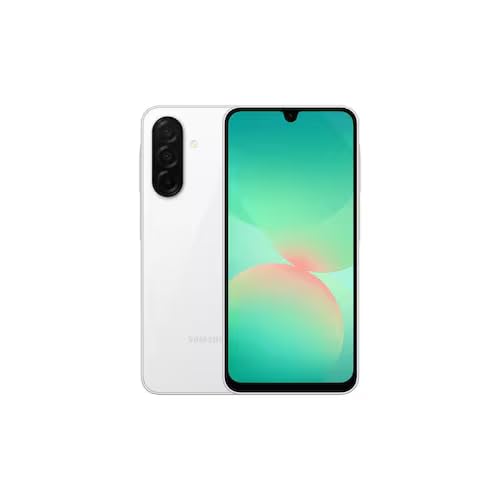
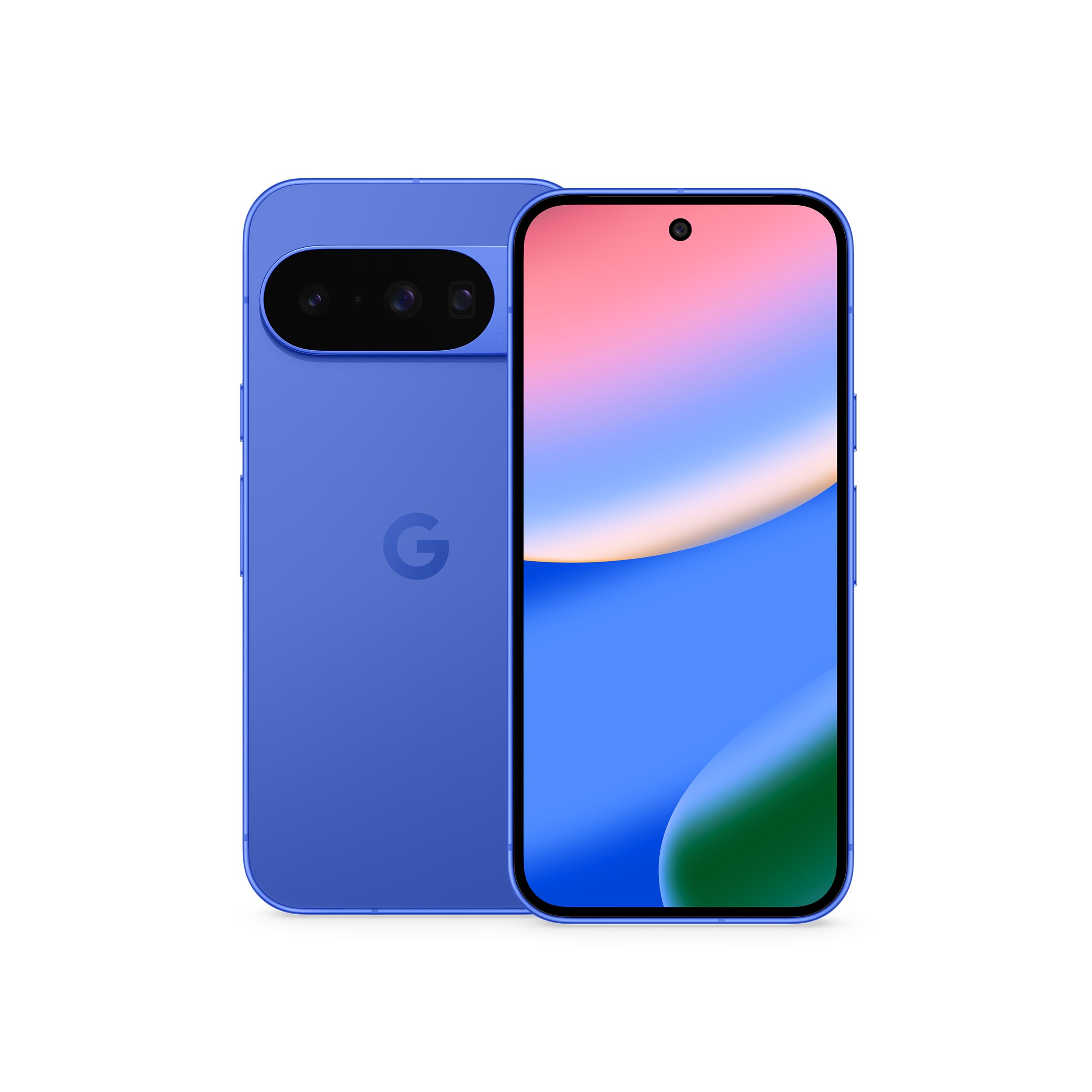

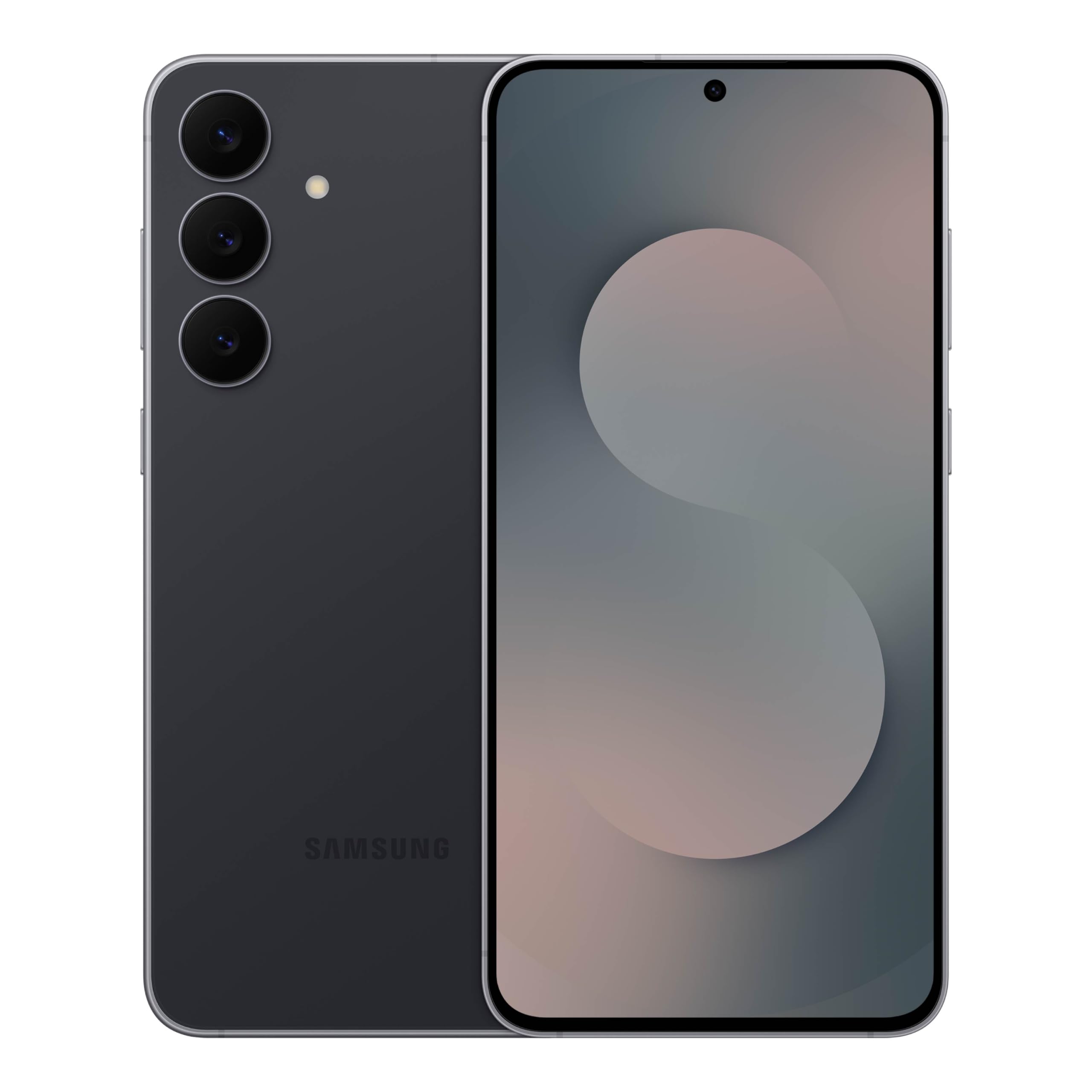

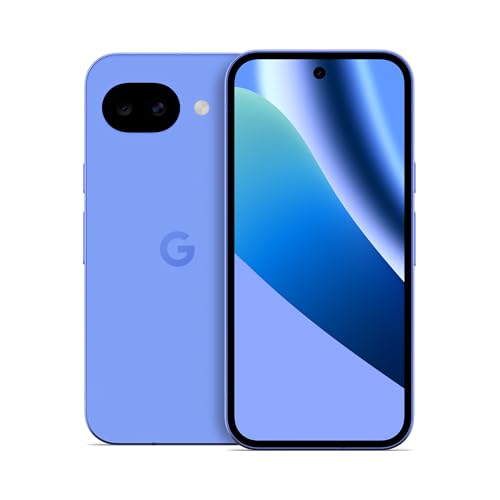

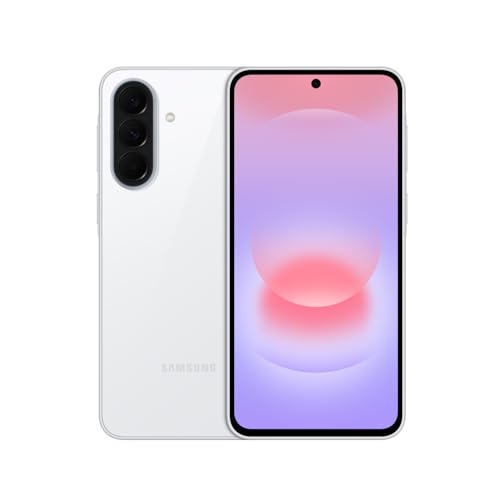

Types of Android Phones on US Cellular Compared
US Cellular sells and supports several broad types of Android phone. Camera focused phones put image quality first, usually with strong night mode processing and a versatile lens set. Flagship phones aim for the best of everything, from the fastest chip to the brightest display. Compact phones trade screen size for comfort in one hand and in a pocket. Budget phones focus on the basics at the lowest price, and they suit light users well. Typical prices run from under $200 for budget models to around $800 to $1,200 for flagships, with camera focused and compact models spread across the middle and upper ranges.
Camera Focused Phones
Camera focused phones are built around a large main sensor, smart image processing, and often a telephoto or ultrawide lens. They shine for parents, travelers, and anyone who posts photos often, because night mode and portrait results stay consistent in tricky light. The trade off is price: you pay for imaging hardware even if you rarely game or multitask heavily. Battery sizes are usually generous, often around 4,500 to 5,500 mAh, since photo and video work drains power quickly. Choose this type if your camera roll matters more to you than raw speed.
Flagship Phones
Flagship phones combine the fastest processors, the brightest OLED displays, premium build materials, and the longest software update promises. They suit power users who keep a phone for four or five years and want it to feel fast the whole time. You also get extras like wireless charging, IP68 water resistance, and the best speaker and haptic quality. The downside is cost, both upfront and for repairs, since large glass panels and advanced cameras are pricey to fix. If you want one phone that does everything well and you can stretch your budget, this is the type to beat.
Compact Phones
Compact phones use smaller displays, usually around 6.1 to 6.3 inches, so they are easier to hold, type on with one hand, and carry in smaller pockets. They suit commuters, people with smaller hands, and anyone tired of oversized devices. Modern compact models still offer strong chips and good cameras, but battery capacity is smaller, so heavy users may need a top up before evening. Heat also has less room to spread, which can limit long gaming sessions. Pick a compact if comfort matters daily and you mostly use your phone in shorter bursts.
Budget Phones
Budget phones cover calls, messaging, maps, social apps, and video streaming at the lowest cost, often under $200 or around $200 to $300 on promotion. They suit first time smartphone owners, kids, and anyone who wants a simple backup device. Expect plastic builds, LCD or basic OLED screens, and cameras that do fine in daylight but struggle at night. Update windows are shorter, sometimes only two or three years of security patches. If your needs are light and your budget is tight, see our guide to the best inexpensive android phones for how the value end of the market is organized.
Camera Focused Phones vs Flagship Phones: Which Should You Choose?
These two types overlap, so compare them on five points. For pure photo quality, camera focused phones often match or beat flagships, especially for zoom and night shots. For display quality and refresh rate smoothness, flagships usually win with brighter 120Hz OLED panels. For long term speed, flagships carry stronger chips and more memory. For value, camera focused phones often cost less while keeping the imaging you care about. For durability, both can offer IP68 ratings, so check the specific rating rather than assuming. Choose the camera focused type if photos are your top job for the phone. Choose the flagship if you want equal strength across gaming, display, and longevity. If top end performance across every app is your priority, our overview of the best performing android phones explains what separates fast phones from merely adequate ones.
How to Choose the Right Android Phone on US Cellular
Type alone is not enough. Work through the five checks below before you commit, because a phone that looks great on a spec sheet can still disappoint if the display, network fit, or update window misses your needs.
Display Size and Quality
Look for an OLED panel if you watch video often, since OLED gives deeper blacks and better contrast than LCD. A refresh rate of 120Hz makes scrolling and animation feel smoother, though 90Hz is a fair middle ground on cheaper models. Outdoor brightness matters if you use maps or read messages in sunlight, so favor higher peak brightness figures. Size is personal: large screens help with video and reading, while smaller screens help with one handed use. Match the size to your hands and habits first, then compare quality within that size class.
Carrier Compatibility and 5G
A phone must support the bands US Cellular uses in your area, or calls and data will suffer no matter how good the hardware is. Buying through the carrier guarantees fit, while an unlocked phone gives flexibility if you travel or switch later. Confirm that an unlocked model lists US Cellular support and the right 5G bands before you pay. Also check whether the phone supports a physical SIM, an eSIM, or both, since that affects how easily you can move your line. When in doubt, ask the carrier to confirm the exact variant by its model number.
Camera System
Judge a camera system by its lens mix and processing, not by megapixel counts alone. A good setup covers a main lens for everyday shots, an ultrawide for groups and landscapes, and ideally a telephoto for portraits and distant subjects. Night mode quality decides how your indoor and evening photos look, so it deserves real weight in your decision. For video, look for stabilization that keeps walking footage steady. If you mostly shoot in daylight and share on social apps, even a mid priced camera system will likely satisfy you.
Build, Durability, and Water Resistance
An IP68 rating means the phone can handle dust and a short immersion in fresh water, which protects against rain, spills, and accidents near a sink or pool. Strong front glass, such as recent Gorilla Glass versions, reduces the risk of cracks and scratches from drops and keys. Frames made of metal feel sturdier than plastic, though plastic shrugs off small dents better. Whatever you choose, a case and screen protector remain cheap insurance. Think about how and where you use your phone daily, and let that risk level guide how much durability you pay for.
Software Updates and Support Window
Long update support keeps a phone secure and useful for more years. Leading makers now promise up to seven years of system and security updates on flagships, while budget phones may get only two or three years. Security patches matter most, since they close flaws that attackers actually use. A longer window also protects resale value and lets you hand the phone down to a family member later. If you keep phones for a long time, treat the update promise as a core feature, not fine print. You can also compare choices across carriers in our guide to the best android phones us shoppers can buy.
Choosing a Phone for Your Situation
Your daily routine should have the final say. Heavy photographers lean camera focused, frequent travelers value battery size and network flexibility, and light users can save real money with a budget model that still covers the basics well.
Best New Android Phones US Cellular
When you shop the best new android phones us cellular has just added, focus on what new actually changes. Newer models usually bring a longer update window starting from today, improved night mode, and better power efficiency from a newer chip. A fresh release also means cases and accessories are easy to find. If last years model sits at a deep discount with similar cameras, the older phone can be the smarter buy. Compare the update end date, not just the launch date, before deciding.
Setup and Care Tips
When your phone arrives, transfer your data with the maker transfer tool, sign in to your accounts, and turn on automatic backups for photos and messages before you rely on the device. Fit a case and screen protector on day one, since most cracked screens happen early. Keep software updated by enabling automatic security patches and system updates on WiFi. Avoid charging in extreme heat, such as a hot car, because heat ages the battery faster than normal use does. Finally, restart the phone every week or two and clear apps you no longer use, which keeps storage and performance healthy over time.
Android Phones on US Cellular: Your Questions Answered
Do I need 5G?
Yes, for most buyers, 5G is worth having on a new phone. US Cellular has built much of its current network around 5G, and a 5G phone will hold useful speeds in more places as coverage grows. A 4G only phone can still work for calls and light data, but it is a poor long term buy. If you live in a rural area, check the coverage map for your home address, since low band 5G reaches farthest there.
Is a mid range phone good enough?
Yes, a mid range phone is good enough for the way most people actually use a phone. Calls, messaging, browsing, social apps, streaming, and casual photos all run smoothly on mid range hardware. You give up the best zoom cameras, the fastest gaming performance, and sometimes wireless charging. If you do not play demanding games or shoot lots of low light photos, the savings are real and the daily experience is close to a flagship for far less money.
How much storage do I need?
Most people should start at 128GB, which covers apps, photos, and offline media for a typical two to three year span. Choose 256GB if you shoot lots of video, download shows for travel, or keep big game libraries on the phone. Cloud backup helps, but it does not replace local space for apps. Check whether the model accepts a memory card, since many no longer do, and buy enough built in storage from the start.
Should I buy unlocked?
Buying unlocked makes sense if you may switch carriers, travel abroad, or want to avoid carrier payment plans. The catch is compatibility: the unlocked variant must support US Cellular bands and features such as WiFi calling on that network. Carrier bought phones cost more in monthly installments sometimes, but fit is guaranteed and promotions can cut the price sharply. Compare the total cost over the full payment term, not just the monthly figure, before you decide.
How many years of updates should a phone get?
Aim for at least four years of security updates, and more if you keep phones a long time. Flagships from leading makers now promise five to seven years, which keeps banking and work apps safe well into the phones life. Budget phones often stop at two or three years, which shortens their safe useful life. Always check the promised end date for the exact model, since update policy can differ between models from the same brand in the same year.
Our Verdict
Start with type, then check carrier fit, update window, and camera quality in that order. Camera focused phones suit photo lovers, flagships suit long term power users, compacts suit comfort seekers, and budget phones suit light use at the lowest cost. Whichever route you take, the best android phones us cellular choice is the one that matches your daily habits and stays supported for years. Look back at the product table above to compare your shortlist, then confirm band support with the carrier before you buy.


