Best Android Phones under 6 Inches by Budget: Smart Picks for 2026
Disclosure: We may earn a commission when you buy through links on this page, at no extra cost to you. As an Amazon Associate I earn from qualifying purchases. Learn more

Compare the best android phones under 6 inches by budget and learn how size, battery, cameras, storage and update support change at each price level.
Compact Android phones have become rare, and prices span a wide range, from basic models at around $150 to small flagships at about $900. Finding the best android phones under 6 inches takes more than sorting by screen size, because a small body shapes battery capacity, camera hardware, and hand comfort.
This guide uses budget as the map. It shows what each tier delivers, which features deserve your money, and how to judge true size beyond the diagonal. Start with the comparison table below.

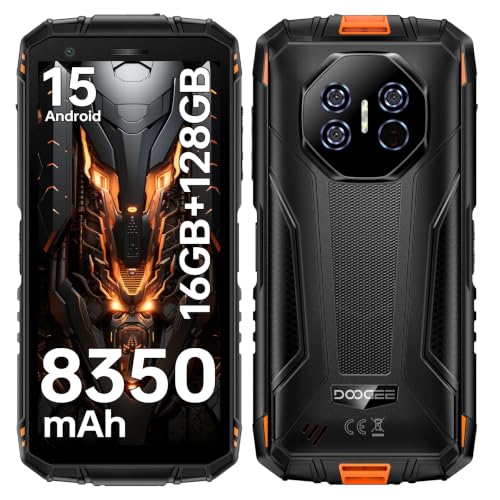

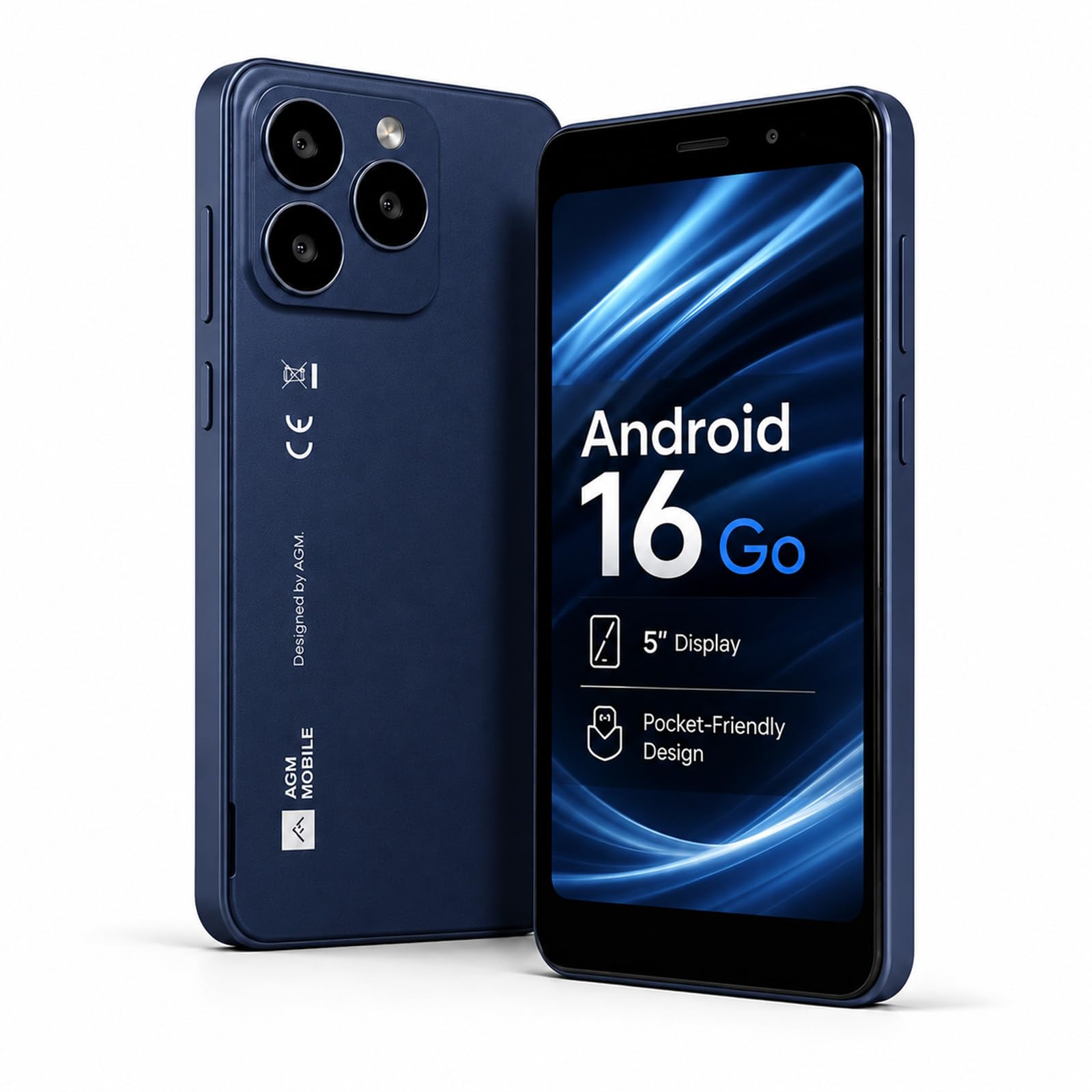

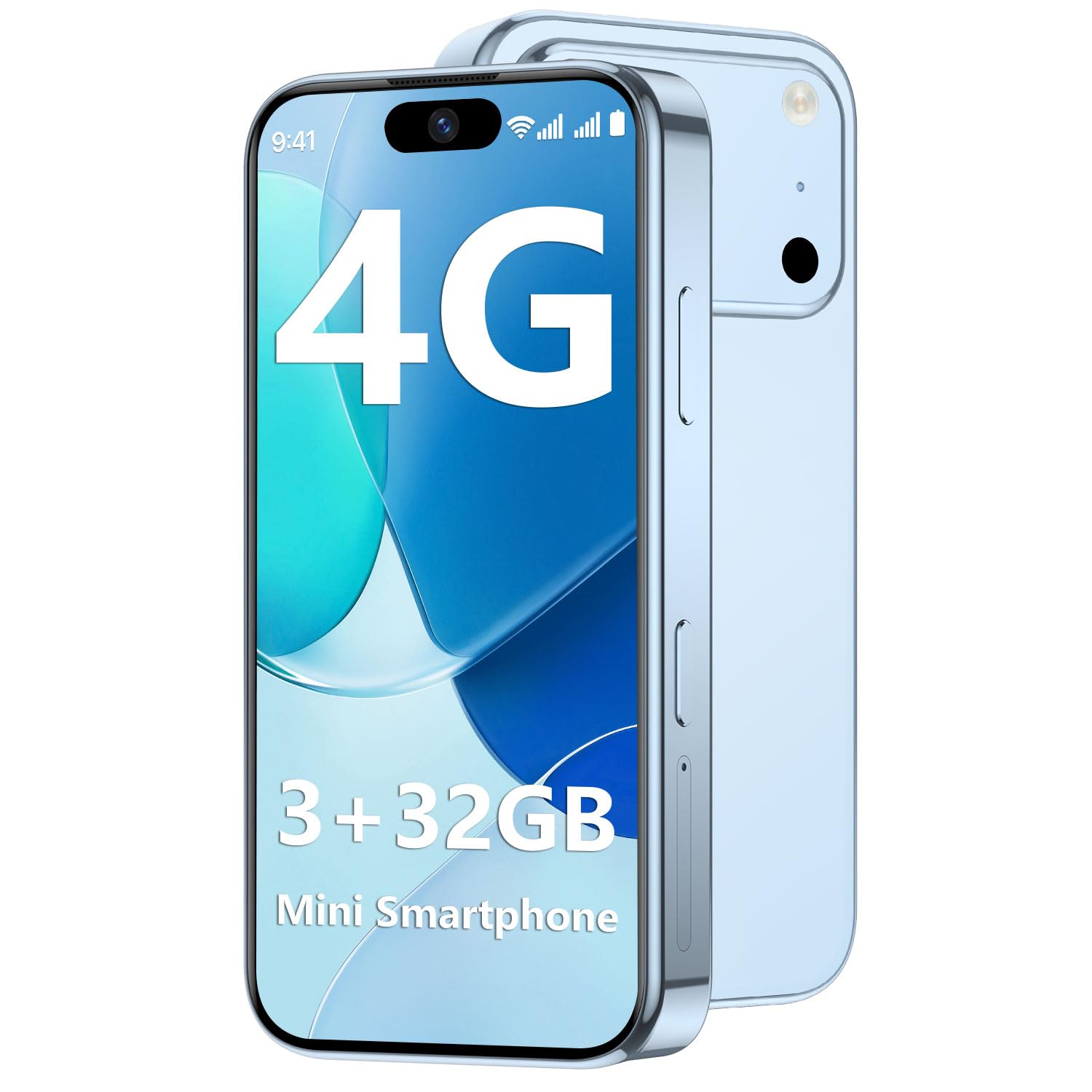
Who Should Buy a Compact Android Phone?
Commuters Who Use a Phone With One Hand
If you read news on a train or check directions at a busy crossing, a smaller phone is easier to control with one hand. Your thumb can reach across the screen for swipe typing, and the lighter body tires your hand less on a long commute. Look for a narrow width and a reachability mode that pulls the top of the screen down toward your thumb.
Buyers With Smaller Hands or Sore Joints
Hand comfort depends mostly on width. A phone about 65 to 71 mm wide lets your fingers wrap farther around the back, so you grip with less strain and drop it less often. Rounded edges and a matte back help as well. Use the paper outline test in the sizing section below before you buy.
Active Users Who Carry a Phone in Small Pockets
Runners, cyclists, and light pack travelers feel every extra gram. A compact phone fits in a cycling jersey or a running belt without bouncing against your leg or digging into your hip when you sit. Durability matters as much as size here, so favor strong screen glass and a water resistance rating if your budget allows one.
What Your Money Gets You in Compact Phones
Budget Tier: The Basics in a Small Body
Phones at about $150 to $300 give you a screen that is sharp enough, a processor that handles calls, maps, and social apps, and a main camera that does well in daylight. Expect a plastic body, a basic refresh rate, and a shorter update window. Storage may start at 64GB, which fills quickly. If this is your ceiling, see our guide to the best android phones under 300.
Value Tier: Better Screens and Longer Support
At about $300 to $500, the jump in quality is easy to feel. OLED screens with a 90Hz or 120Hz refresh rate become common, processors stay smooth with more apps open, and 5G is standard. Many models here add optical image stabilization and promise several years of updates. This tier balances price, camera quality, and lifespan well. Compare nearby choices in our guide to the best android phones under 500.
Premium Tier: Flagship Power, Compact Frame
Spending about $500 to $900 buys the fastest processors, the brightest OLED screens, and the best camera processing in a small body, plus IP68 water resistance and wireless charging on many models. Update windows are longest here. The limits are physical: a small body holds a smaller battery and leaves less room for a large telephoto lens.
Key Features to Compare
Display Quality, Brightness, and Refresh Rate
OLED panels give deep blacks and strong contrast, and dark themes can save a little power on this screen type. Refresh rate controls how smooth scrolling feels: 60Hz is the basic level, while 90Hz and 120Hz look noticeably smoother. Brightness matters more than resolution at this size, since a small screen stays sharp at modest pixel counts. If you read outdoors, choose the brightest screen your tier offers.
Battery Capacity and Charging in a Small Body
A compact body leaves less room for a battery, so most models in this class carry about 3,500 to 4,700 mAh. An efficient processor can still deliver a full day from that capacity, because the smaller screen draws less power. Fast wired charging helps when you top up before leaving home. Check whether a charger comes in the box, since many brands sell it separately.
Cameras and Night Mode in a Compact Body
The main camera does most of the work on a compact phone, so its sensor size and optical image stabilization matter more than the number of lenses. Good processing makes night mode shots brighter and cleaner without a flash. An ultrawide lens helps with group photos in small rooms, though its detail is usually softer. For video, confirm that stabilization works at the resolution you plan to record.
Storage Options and Memory
Choose 128GB if you stream music and video and clear out photos a few times a year. Choose 256GB if you record lots of video, keep offline maps, or plan to keep the phone for four years or more. A microSD slot solves storage cheaply, but it now appears mostly on budget models. Memory of 6GB to 8GB keeps everyday apps responsive.
Software Updates, 5G, and Water Resistance
Update support decides how long a phone stays secure, so count the promised years of system and security updates before you buy. This is where the best android phones under 6 inches separate themselves from cheap models that stop receiving patches early. 5G is standard above the budget tier, but check the bands your carrier uses. An IP68 rating covers dust and fresh water immersion under lab conditions, which means protection from rain and spills, not salt water or steam.
How to Judge Whether a Phone Is Truly Compact
Screen size is measured diagonally, so it hides the two numbers that decide comfort: body width and body height. Slim bezels let a screen near 6 inches fit a body that older designs needed for a much smaller screen. Use this simple check before you order.
- Write down the body width, height, and weight from the product page, not just the screen diagonal.
- Draw that outline on paper, hold it as you would hold a phone, and test your thumb reach.
- Add about 2 to 4 mm to the width and height for the case you plan to use.
If a sub 6 inch screen feels too small for video or reading, a slightly larger screen in a slim body may suit you better, so see our guide to the best 6 inch android phones. If you want the smallest option available, see our guide to the best android phones under 5 inches. Decide from body measurements, because they predict comfort better than the diagonal.
Common Mistakes to Avoid
- Buying by screen diagonal alone, so the phone arrives wider than your hand can grip with confidence.
- Choosing 64GB of storage to save money, so the phone fills up within a year of photos and apps.
- Ignoring the update window, so a cheap phone stops receiving security patches while it still works well.
- Paying extra for a low resolution extra lens, so you spend more without gaining better photos.
- Forgetting that a case adds width, so a phone that felt perfect bare becomes awkward to hold.
- Expecting compact speakers and gaming heat to match a large phone, so normal limits feel like defects.
Long Term Costs and Care for a Compact Phone
The purchase price is only part of the cost. Budget for a case and a screen protector at the start, since one cracked screen can erase the savings from a cheaper tier. A battery replacement after a few years often restores a sound phone for far less than a new one. Check the warranty length before you settle on a tier.
Daily care is simple. Keep the charging port clean with a dry soft brush, avoid leaving the phone in a hot car, and install security updates when they arrive. Back up photos before any repair visit, since service centers may reset the device. If the battery swells, the back panel lifts, or the phone gets hot while idle, stop using it and see a repair professional, because a swollen battery is a safety risk.
FAQ
Can a tight budget buy a good Android phone under 6 inches?
Yes, a budget compact Android phone can cover calls, maps, messaging, and daylight photos well. The main cuts are screen brightness, camera results in dim rooms, and update support length. One point buyers miss is trade in value: budget models lose value fast, so one tier up can cost less over three years.
Is a midrange compact Android phone good enough for everyday use?
Yes, a midrange compact phone handles browsing, video, photos, and navigation without strain. Most people would notice a speed gap only in demanding games. One extra advantage here is accessory choice: cases and protectors are easier to find for popular midrange models than for niche premium ones, so replacements cost less.
How much storage does a compact Android phone need?
Most compact Android phone buyers should start at 128GB and choose 256GB if they shoot video often. Check your current phone first: note what you use now, and add room for two more years of photos. Games are the surprise factor, since a few large titles can use more space than your whole photo library.
Do Android phones under 6 inches support 5G?
Most Android phones under 6 inches sold now support 5G, including many budget models. Support depends on the exact version, since some makers sell a variant with different bands for certain regions. Check the band list against your carrier before ordering an unlocked import. Note that 5G in weak coverage areas can use more battery.
How many years of updates should a compact Android phone get?
A compact Android phone should get at least three years of security updates, and four or more years is a better target for long term owners. Security updates matter more than new features, because they close flaws that criminals actively use. Check whether the maker counts the window from the launch date, since a phone launched a year ago has less support left than its listing suggests.
Final Thoughts
Start with body width, then set your tier by the camera quality and update support you truly need, and let storage settle the choice between close models. That order keeps size at the center. Whichever tier you choose, the best android phones under 6 inches should feel secure in one hand and stay supported for years. Compare your shortlist in the product table above before you order.