
Best 6 Inch Android Phones in 2026: Every Type Explained Side by Side
Disclosure: We may earn a commission when you buy through links on this page, at no extra cost to you. As an Amazon Associate I earn from qualifying purchases. Learn more

Compare 6 inch Android phone types by display, battery life, cameras, performance and software updates, with a checklist to pick the right class for you.
A screen near six inches suits many buyers. It is large enough for maps, photos and reading, yet the body can still suit one hand use. The best 6 inch android phones differ less in size than in display quality, battery, cameras and support, so start with the comparison table below.
Two phones with the same screen size can feel different in width, weight and speed, and a lower price can hide a short update window. This guide compares types first, then covers the checks that separate a phone you keep for years from one you replace early.
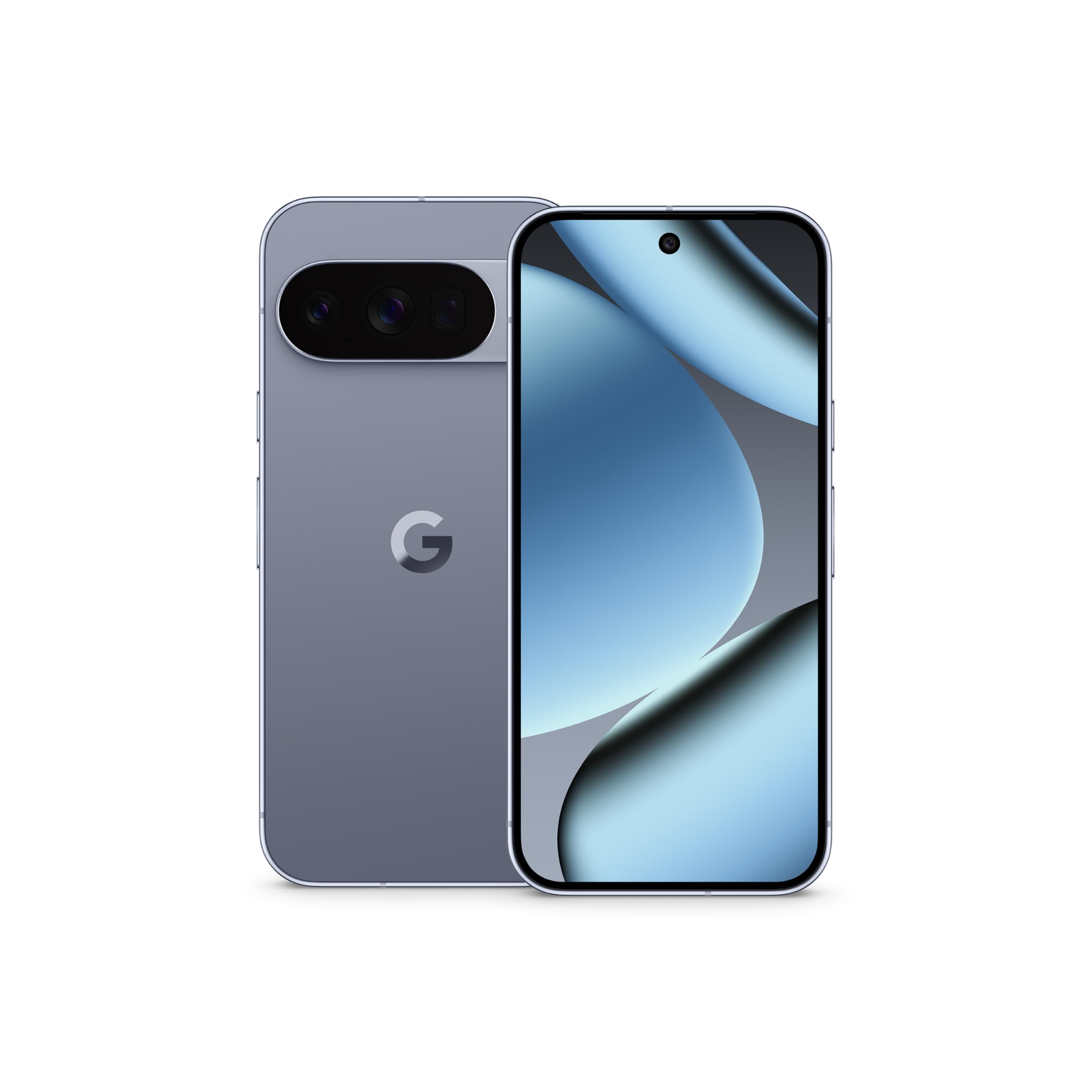
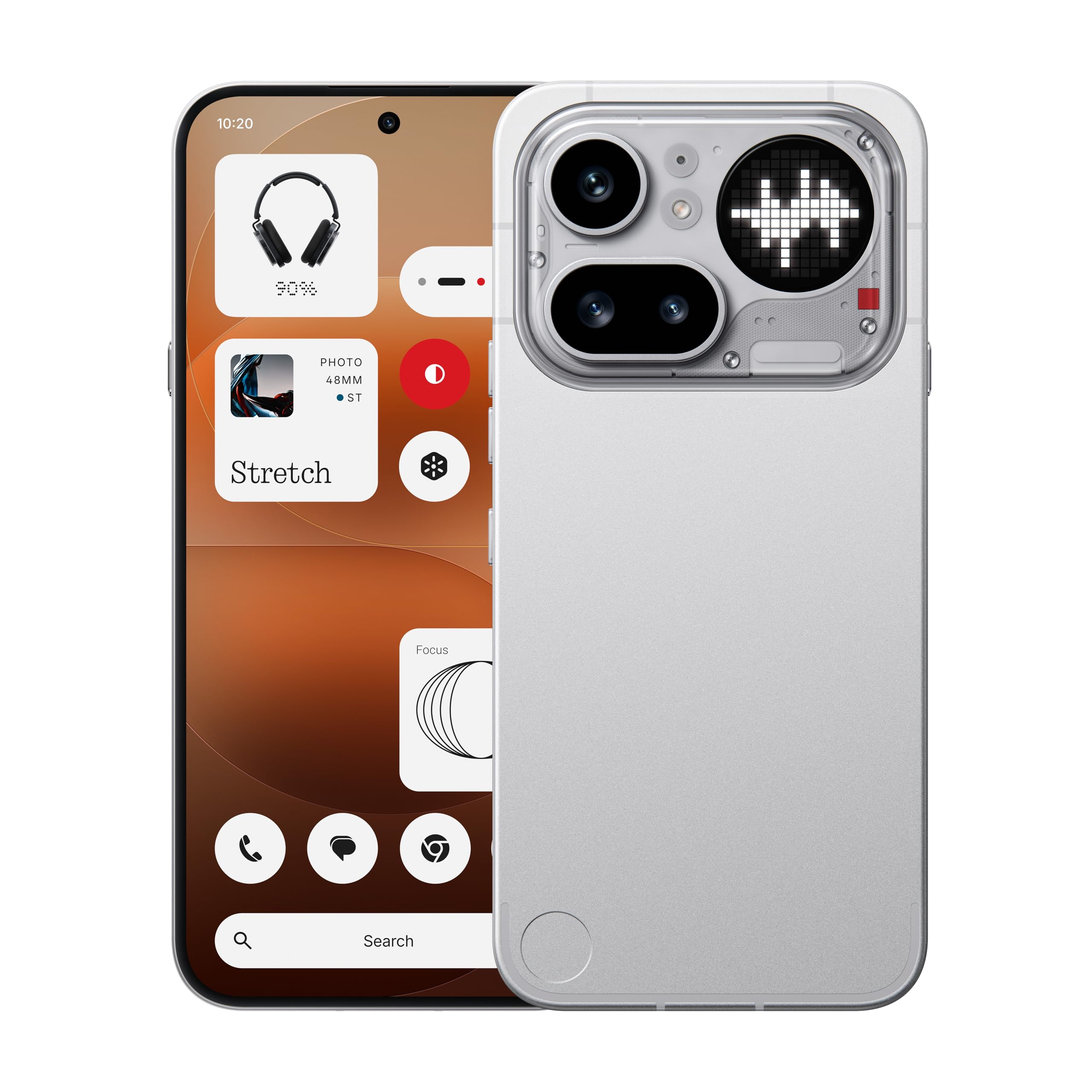

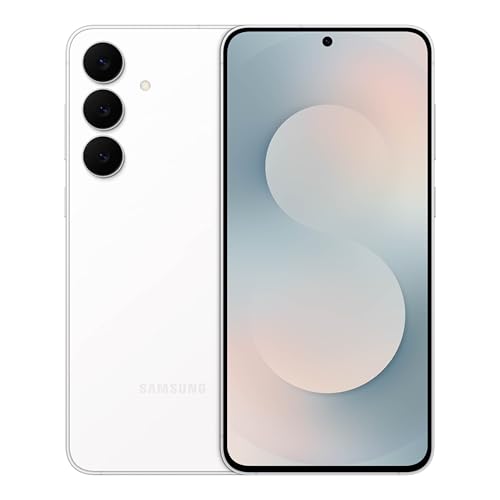

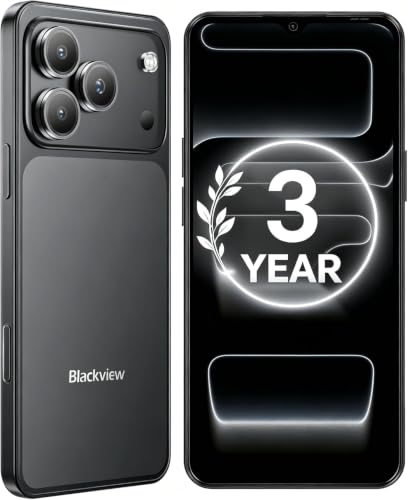
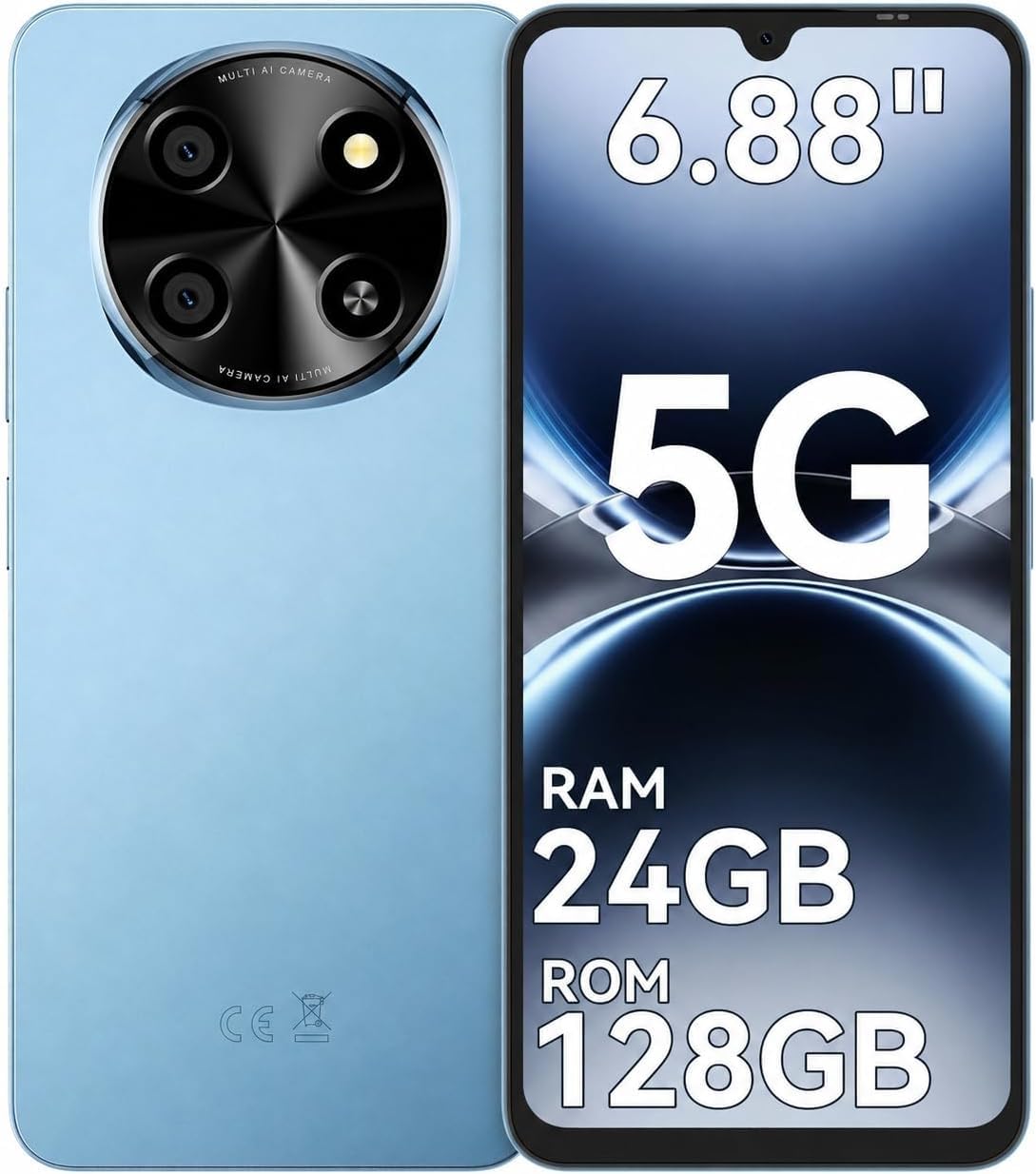
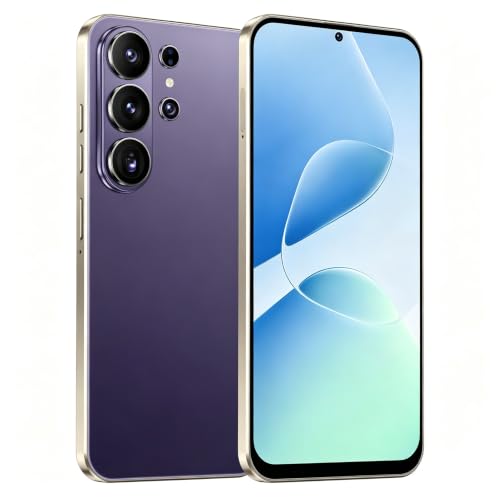

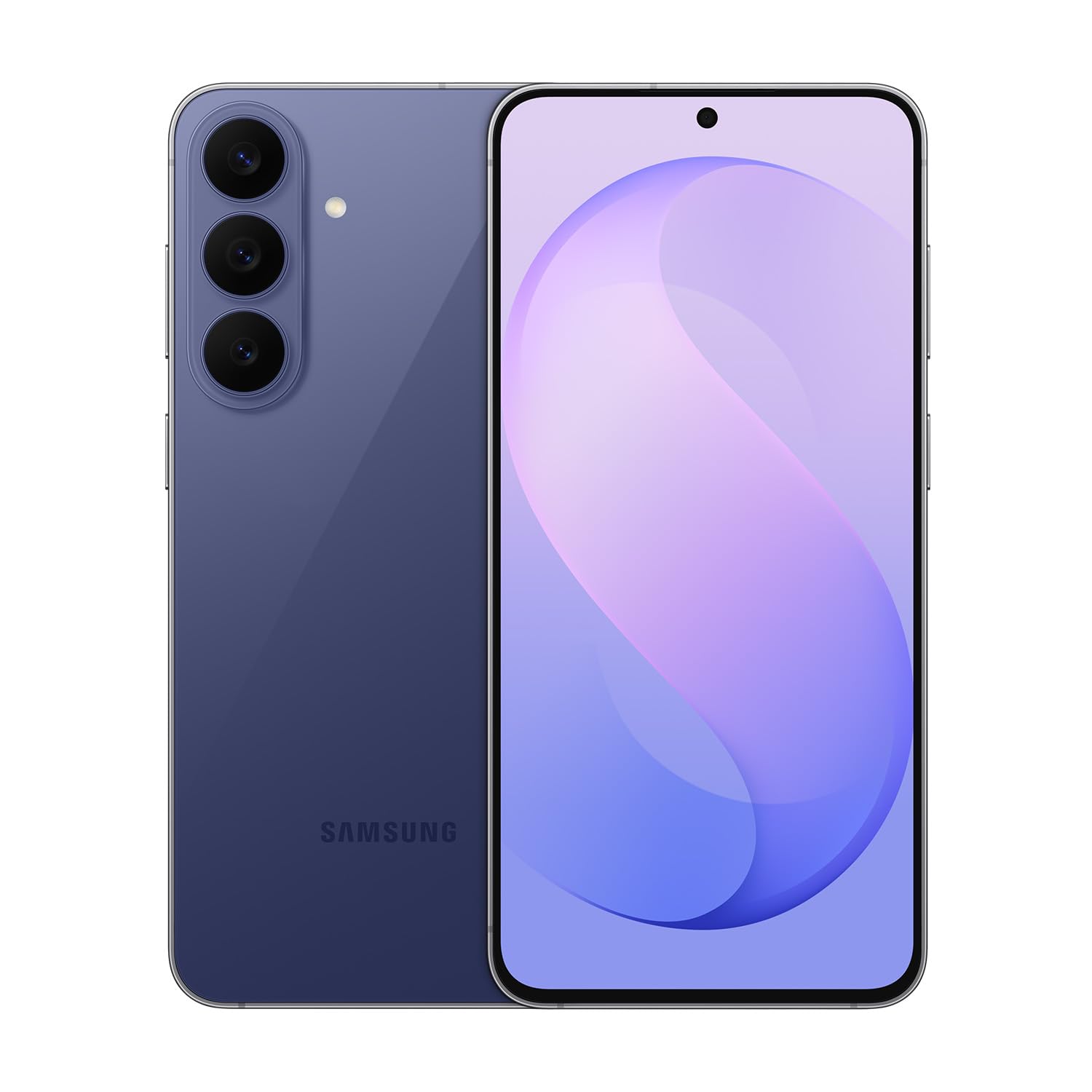
Types of 6 Inch Android Phones Compared
Think of this size class as four types. The best 6 inch android phones share a similar screen, but each type spends its budget differently. Match the type to your habits first.
Top Tier Power in a Compact Six Inch Body
Flagship phones put the strongest parts in this size: the fastest processors, the brightest OLED panels, the most complete camera sets and the longest update promises. Prices often run about $700 to $1,200. You feel the difference in smooth scrolling and games that hold a steady frame rate. The trade off is cost, and repairs cost more too. Choose this type if you keep a phone for four years or more and want wireless charging.
Six Inch Phones That Keep the Core and Trim the Extras
Mid range phones keep the core experience and trim the extras. You still get an OLED screen on many models, a capable main camera and a battery that lasts a full day, at prices of about $300 to $550. What you give up is usually the telephoto lens, the fastest charging or a few years of updates. For messaging, browsing and casual photos, the daily gap is smaller than the price gap. Choose this type for value if you upgrade in about three years.
Compact Phones
Compact phones in this class sit near 6.0 to 6.2 inches, with narrow bodies and lower weight. They suit smaller hands, tight pockets and anyone who reaches across the screen with a thumb often. A smaller body leaves less room for battery and cooling, so heavy gaming can bring earlier slowdowns. If even this size feels wide, see our guide to the best 5 inch android phones.
Compact Phones That Spend on Lenses Instead of Gaming Power
Camera focused phones spend more of the budget on lenses, sensors and image processing, and less on gaming power. Look for optical image stabilization, a useful telephoto or ultrawide lens, and a night mode that keeps detail without turning dark scenes bright. Prices often run about $500 to $1,000. Steady video matters if you film family events often. Choose this type if photos drive your purchase.
Flagship Phones vs Mid Range Phones: Which Should You Choose?
Compare the two types on five points. For performance, flagships stay smooth longer under load, while mid range models handle daily apps well but age sooner with demanding games. For cameras, flagships add lens choice and stronger low light results. For displays, both can be excellent, though flagships reach higher brightness outdoors.
For support, flagship lines often promise more years of updates, which matters if you keep a phone a long time. For price, the mid range wins clearly. Pick the flagship for longevity and cameras, and the mid range for value.
How to Choose the Right 6 Inch Android Phone
Actual Screen Size, Body Width and Fit in Your Hand
Screen size is measured on the diagonal, so two phones near six inches can differ in width because their screen shapes differ. A tall, narrow body is easier to grip than a short, wide one at the same size. Body width near 70 to 73 mm suits most thumbs for reaching the far edge, and a case adds width and grip. If you often type while holding a rail or a bag, width matters more than a small gain in screen area. Readers who still find this class wide can see our guide to the best android phones under 6 inches.
Display Quality, OLED Panels and Refresh Rate
An OLED panel gives deep blacks and strong contrast, because each pixel makes its own light and can turn off fully in dark scenes. A refresh rate of 120 Hz makes scrolling look smoother than the older 60 Hz standard, though it uses more battery. Outdoor brightness matters as much as resolution: a screen you cannot read in sunlight fails at maps and photos. Rank brightness and refresh rate ahead of pixel count.
Speed and RAM in a Smaller Android Phone
The processor decides how quickly apps open, how smoothly games run and how long the phone feels fast as apps grow heavier. RAM near 8 GB suits most users, while 12 GB or more helps if you switch between many apps or play large games. A phone that heats up quickly will slow itself to cool down. If top speed is your goal, see our guide to the best performing android phones.
Battery Life, Capacity and Charging Speed
Battery capacity is listed in mAh, and phones in this class often carry about 4,000 to 5,000 mAh. A larger number helps, but brightness, refresh rate and signal strength change real results. Fast wired charging can add a useful charge during a short stop at home, while wireless charging suits a desk where speed matters less. If your days run long away from outlets, favor capacity over thinness.
How Long a Six Inch Android Phone Stays Supported
Software updates bring new Android versions, security patches and fixes that keep banking and work apps running safely. Makers state support in years, and the clock usually starts at launch, not on the day you buy. A phone bought late in its life may receive far less support than the headline number suggests, so check the launch date. Choose at least four years of security updates if you keep phones a long time.
Cameras, Storage and Water Resistance
Judge cameras by the main lens first, since it takes most of your photos, and treat extra lenses as useful only if you shoot at their distances. Storage of 128 GB suits light users, while 256 GB is safer if you record video, because many phones here have no card slot. An IP68 rating means the phone resisted dust and immersion in fresh water under test conditions, but it is not a license to swim with it.
Common Mistakes to Avoid
Most regrets with this size class come from a few repeat errors.
- Judging fit by screen size alone leaves you with a body too wide for one hand use.
- Trusting a launch year update promise on an older model leaves you with far fewer updates than expected.
- Choosing 128 GB when you shoot lots of video fills the phone and forces constant deleting.
- Skipping 5G on a phone you keep for years can leave you on slower, crowded networks later.
- Ignoring weight makes a phone tiring to hold during long reading sessions.
- Trusting an IP68 rating after a cracked screen lets water in through damage the rating no longer covers.
How to Make Your 6 Inch Android Phone Last Longer
Use a case and a screen protector from the first day, since one drop can crack the glass and weaken water resistance. Keep the phone out of extreme heat, such as a closed car in summer, because heat ages the battery faster than normal use does. Charge in a cool, open spot and avoid heavy gaming while it charges.
Install updates promptly and leave some storage free so the system can work without strain. Clean the charging port gently with a soft, dry tool if charging becomes unreliable, and never push metal into it. Have a qualified repair service replace a swelling battery, since a swollen battery is a safety risk.
6 Inch Android Phones: Your Questions Answered
How much storage does a 6 inch Android phone need?
Most buyers should choose 256 GB on a 6 inch Android phone. App caches, offline maps and message media grow quietly, and a phone that feels roomy at setup can feel tight after two years. Check whether your cloud plan covers full resolution video before paying for the larger size, since a strong backup habit can make 128 GB workable.
Should you buy a 6 inch Android phone unlocked?
Yes, buying unlocked is usually the better choice if you can pay without a long carrier contract. An unlocked phone lets you switch carriers, use a local SIM while traveling and sell the phone more easily. Confirm that the model supports the network bands your carrier uses, since an unlocked label alone does not guarantee full compatibility.
How many years of updates should a 6 inch Android phone get?
A 6 inch Android phone should get at least four years of security updates, counted from its launch date. To verify a promise, find the maker page for that exact model and note the stated end date, not just the years in an advert. Phones sold through carriers can receive updates later than the same model sold unlocked.
Is a mid range 6 inch Android phone good enough for daily use?
Yes, a mid range 6 inch Android phone is good enough for calls, messaging, browsing, video and everyday photos. The limits appear in areas many owners rarely push, such as long gaming sessions or filming in dark venues. If your current phone still feels fast for your routine, a mid range model will likely feel like a clear step up.
Do you need 5G on a 6 inch Android phone?
You do not need 5G today in areas where 4G coverage is strong, but a 6 inch Android phone with 5G is the safer long term buy. Carriers add capacity to 5G networks first, so coverage tends to improve there over the years you own the phone. Check coverage maps for your home and workplace, since 5G quality varies street by street.
Wrapping Up
Start with fit, then rank display brightness, battery life and the update window for the type you chose. Those points decide how the phone feels every day. Use the product table above to confirm size, weight and price for your short list.
When you compare best 6 inch android phones by type rather than by headline specs, the right class becomes clear. Pick the simplest phone that meets your needs, and it should serve you well for years.


