
Best Android Phones Ranked by Budget: Smart Choices for 2026
Disclosure: We may earn a commission when you buy through links on this page, at no extra cost to you. As an Amazon Associate I earn from qualifying purchases. Learn more

The best android phones ranked by budget tier, with clear notes on what each price level buys and which features are worth paying for.
Android prices stretch from under $100 to well over $1000, and the gap between tiers is not always obvious from a spec sheet. This guide ranks the market by budget so you can see what each level really delivers. By the end, you will know where the best android phones ranked by value sit for your needs, and where extra spending stops helping.
Think of your budget as a set of trade offs rather than a single number. The product table groups current options by price, and the sections that follow explain what to demand at each level before you pay.
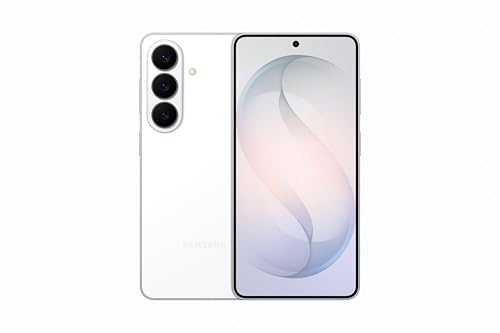
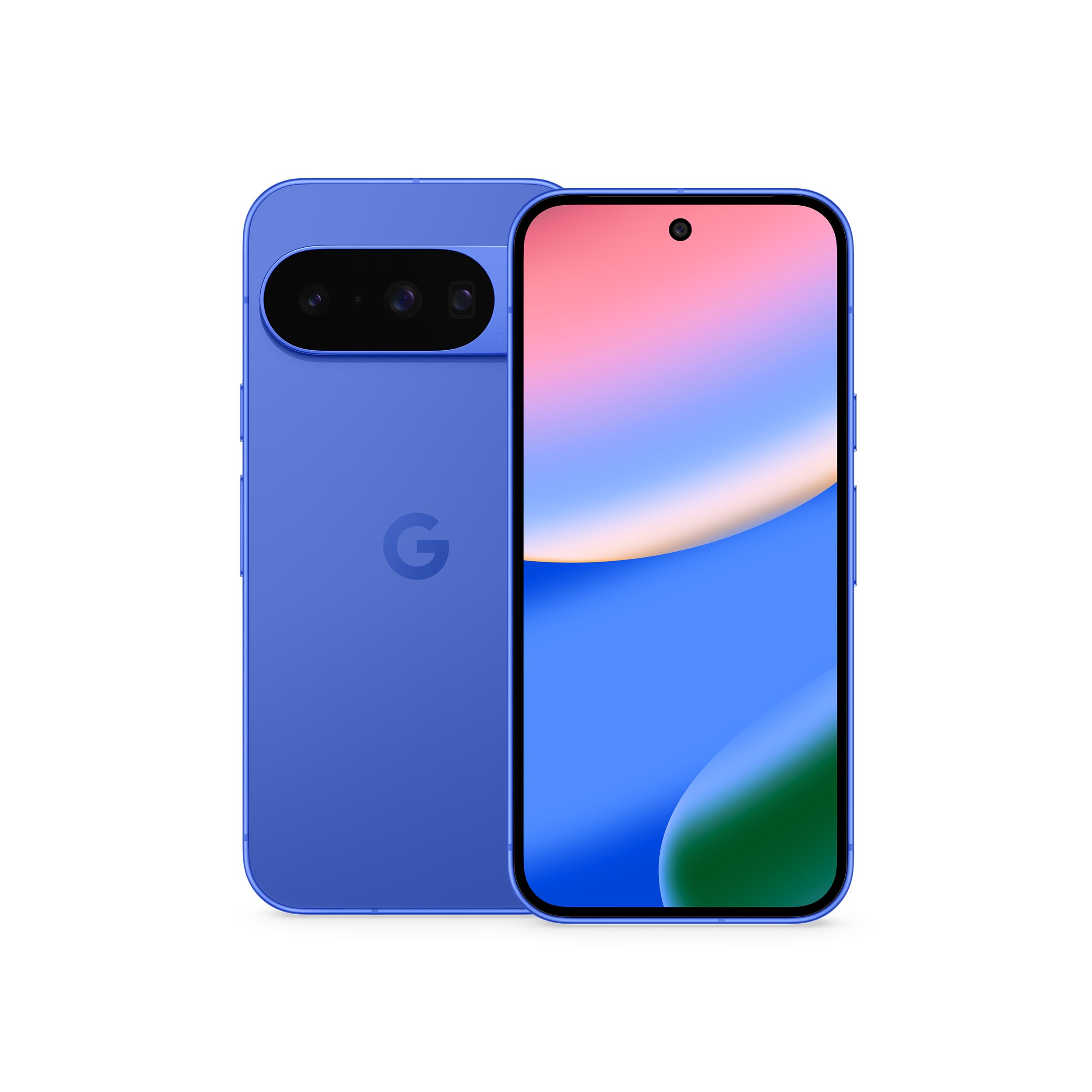

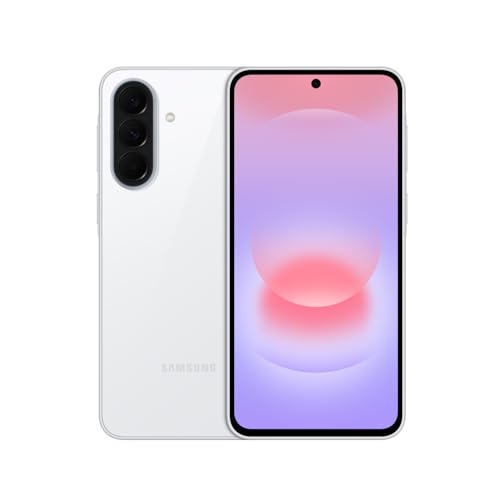
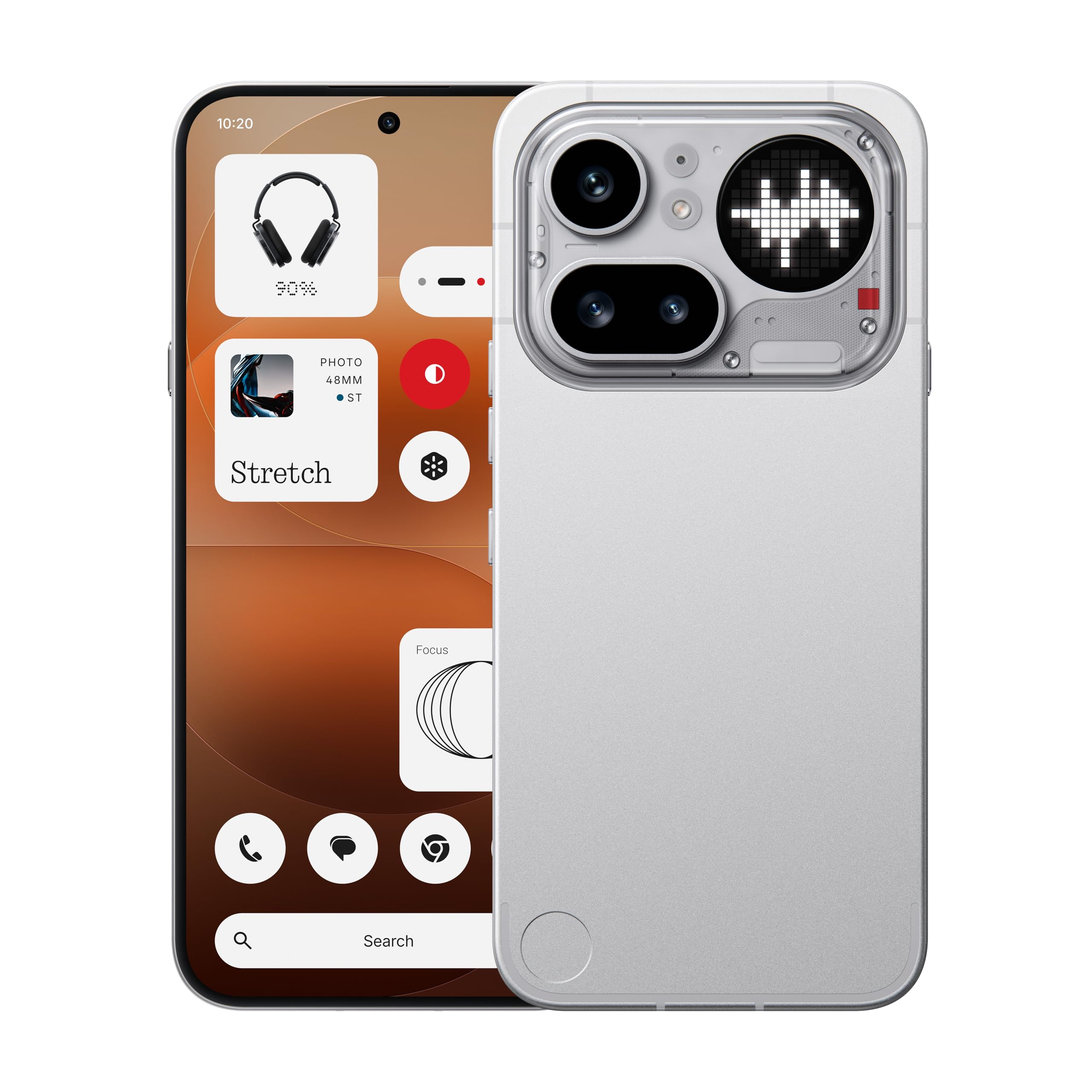
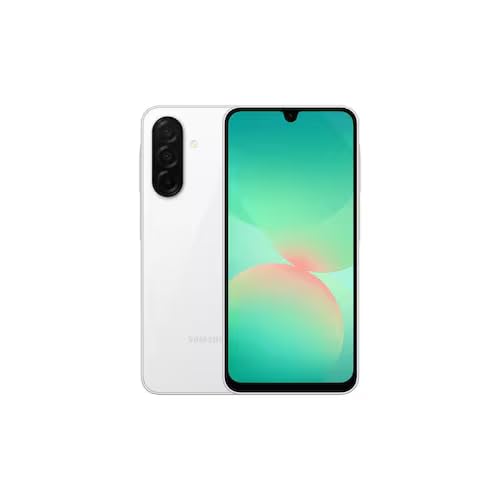

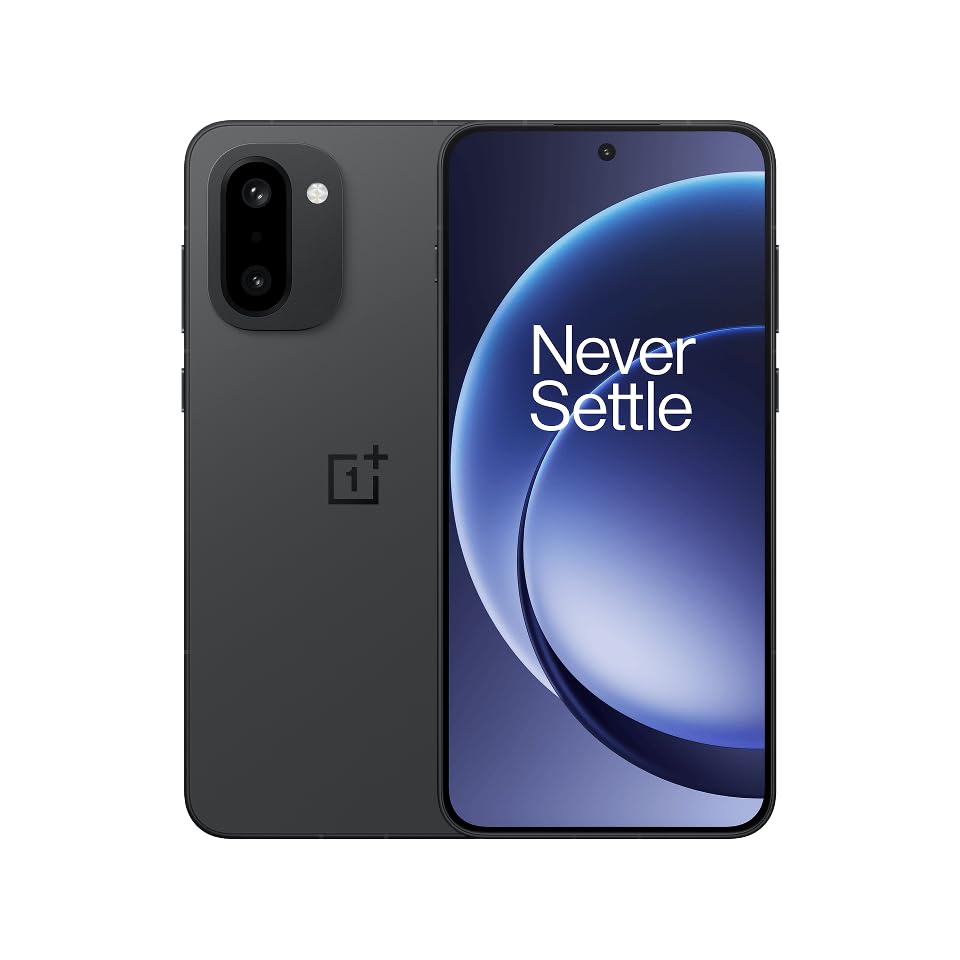

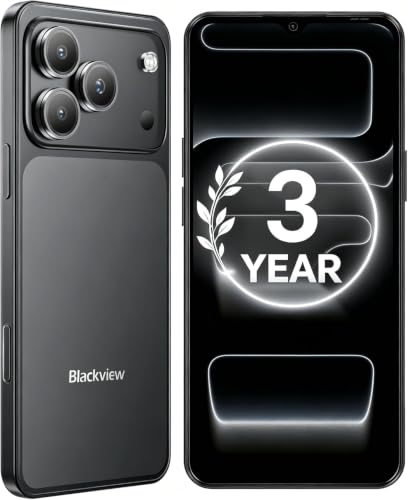
Best Android Phones Ranked by Price Tier
Budget Tier: What to Expect
At around $100 to $250, expect a large LCD or basic OLED screen, a capable chip for light apps, and a big battery. Cameras handle daylight well but soften in dim rooms, and build is usually plastic. Software support is the weak point, often only a couple of years. This tier fits calls, messaging, social apps, and streaming. Stretch slightly within the tier for 128GB storage, since 64GB fills quickly and slows the phone down.
Midrange Tier: The Sweet Spot for Most Buyers
At around $250 to $600, screens become bright OLED panels, cameras gain stabilization and useful night modes, and charging speeds climb sharply. Processors handle games and multitasking with ease, and designs feel far more refined. Update promises improve, though they still vary by maker. This tier fits nearly everyone except keen zoom photographers and the most demanding gamers. It is where value peaks for most households, a pattern you will also see in our guide to the best inexpensive android phones.
Premium Tier: When Spending More Pays Off
At around $600 and above, you gain telephoto cameras, the brightest screens, premium glass and metal builds, wireless charging, and top tier water resistance. Update windows are longest here, which spreads the high price across more years of safe use. Spending more pays off if you photograph distant subjects, film often, game at high settings, or keep phones for a long time. If none of those describe you, the midrange tier will feel nearly as good each day.
Features Worth Paying For (and Ones to Skip)
Software Updates and Support Window
Long updates are worth paying for because they extend safe, useful life more than most hardware extras. A phone with five or more years of security patches can outlast a faster phone that loses support early. This feature appears mainly in midrange and premium tiers, and makers state it clearly when it is strong. When comparing two close options, choose the longer window and treat it as real money saved later.
Camera System
A stabilized main camera with a good night mode is worth paying for at any tier, because it improves the photos you take most. Telephoto zoom is worth it only in the premium tier and only if you shoot sports, wildlife, or stage events. Extra low resolution depth or macro lenses are worth skipping, since they rarely improve real photos. Spend on the main sensor and processing first, then on zoom if your habits demand it.
Build, Durability, and Water Resistance
IP68 water resistance is worth paying for if you use your phone near pools, in rain, or around kids and spills, and it becomes common in the premium tier. Strong front glass helps at every tier, but a good case protects more than any glass claim. Skip paying extra for exotic frame materials that change looks more than durability. What matters is the IP rating, solid buttons, and a design you can grip securely.
Display Size and Quality
An OLED panel with a 120Hz refresh rate is worth paying for once you reach the midrange tier, because you look at the screen constantly. Brightness for outdoor use matters more than extreme resolution, which adds cost and battery drain with little visible gain. Skip very large screens if you value one hand use, and skip curved edges if you find accidental touches annoying. Size is personal, so hold a similar phone in store if you can.
Long Term Costs to Factor In
The purchase price is only part of ownership. Add a case and screen protector at around $20 to $50, a fast charger if none is included, and possibly extra cloud storage if you chose a smaller storage size. A battery replacement late in the phone life can cost far less than a new phone and may add a year of use. Longer update support lowers long term cost by delaying replacement, which is why a slightly pricier midrange phone often beats a cheap model across three years. Also consider protection software, and see our guide to the best antivirus for android phones if you want added security tools.
FAQs
Do I need 5G?
Yes, 5G is standard across all three tiers now, and buying a 5G phone keeps you aligned with where United States carriers invest. Your phone will use 4G automatically where 5G is weak, so there is no coverage penalty. The more important check is band support for your carrier, especially on unlocked or imported models that may miss key bands.
How many years of updates should a phone get?
Aim for at least three years of security updates in the budget tier and longer windows as price rises. Premium phones should offer the longest promises, and that support is part of what you are paying for. If a listing hides the update window, check the maker support page. A short window can turn a cheap phone into a poor long term value.
How much storage do I need?
Start at 128GB in every tier, because system files and apps alone take a large share of smaller drives. Choose 256GB if you record video, travel with downloaded media, or play large games. Premium phones rarely offer card slots, so built in storage is final. Paying for storage upfront usually costs less than managing a full phone for years.
Is a mid range phone good enough?
Yes, the midrange tier is good enough for most buyers and is where this ranking places the best balance of price and daily quality. You get a bright OLED screen, a solid camera, and fast charging. You give up mainly strong zoom and premium materials. Unless you have a specific premium need, midrange savings can fund storage, accessories, or a future upgrade.
Should I buy unlocked?
Yes, unlocked phones keep your carrier options open and often receive updates without carrier delay. They also travel well with local SIM or eSIM plans. Carrier financing can still suit you if the total cost is lower and you plan to stay. Either way, confirm that features like WiFi calling and 5G bands work on your carrier before you commit.
Our Verdict
Rank your priorities before your budget: update window, screen, and battery first, then camera extras. Most buyers will land happily in the midrange tier, while budget and premium tiers serve clear, narrower needs. Use the product table above with this tier guide, and the best android phones ranked for your money will be easy to spot.


